
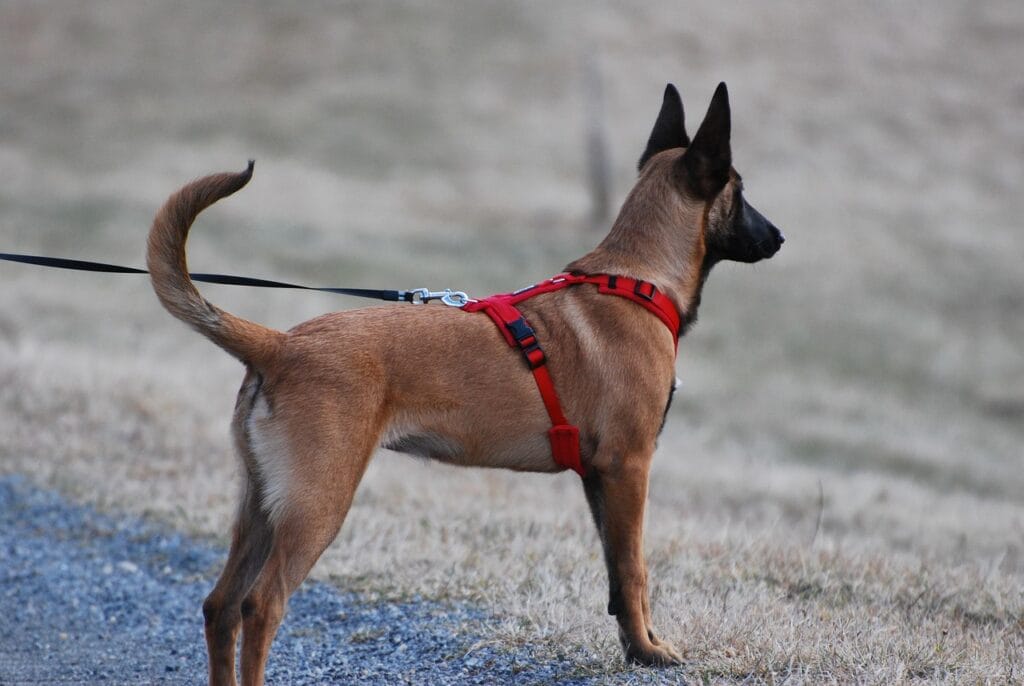
Best No-Pull Harness for Strong Dogs
If you’re wrestling with a powerful puller, finding the best no-pull harness for strong dogs will transform walks from a tug-of-war into a calm, predictable routine. A good no-pull harness reduces forward lunging by redirecting force, gives you better control, and — when used with training — helps teach polite walking. This guide reviews top harnesses for strength and safety, explains how to choose the right style and size, and offers practical tips so your strong dog stays comfortable and secure on every walk.
Disclosure: As Amazon Associates, we earn from qualifying purchases at no extra cost to you.
| Harness | Best for | Clip(s) | Notable feature |
|---|---|---|---|
| PetSafe Easy Walk Comfort | Best overall, trainer-approved | Front | Martingale loop + padded chest strap. (Business Insider) |
| Pawaii No Pull Harness | Padded, everyday walks | Front + Back | Durable, comfortable, handle on back. (GearJunkie) |
| Rabbitgoo No-Pull | Budget large dogs | Front + Back | Heavy webbing, multiple adjustments. (Rabbitgoo) |
| Auroth Tactical / Auroth No-Pull | Tactical, strong pullers | Front + Back | Reinforced design, robust hardware. (TechGearLab) |
| PetSafe 3-in-1 No-Pull | Affordable & versatile | Front + Back | Converts for different training needs. (Whole Dog Journal) |
This article contains affiliate links. As an Amazon Associate, we earn from qualifying purchases.
Why the right no-pull harness matters for strong dogs
Strong dogs can create dangerous situations: strained shoulders, tangled owners, and stressful walks. A purpose-built no-pull harness redirects pressure from your dog’s neck to the chest or shoulders and gives you leverage to steer rather than stop a pull. Trainers and testers generally recommend front-clip harnesses combined with training techniques for long-term behavior change, while rear-clip options can be used for steady walking once pulling is under control. Recent hands-on testing and trainer feedback repeatedly highlight front-clip designs (like the PetSafe Easy Walk) as effective starter solutions for pullers.
How we evaluate harnesses for strong dogs
When choosing the best no-pull harness for a powerful dog, consider:
- Attachment point design — Front-clip for redirection; dual front-and-back for flexibility.
- Hardware strength — Metal buckles and welded D-rings resist deformation under load.
- Adjustment range — Multiple straps let you tune fit across chest, belly, and neck for stability.
- Padding & comfort — Wide, padded straps reduce chafing on prolonged walks.
- Ease of use — Quick-release buckles and simple fit reduce setup frustration (important when you’re managing a strong dog).
These are the same practical measures used by major review outlets and trainers.
Top picks — detailed reviews
PetSafe Easy Walk Comfort No-Pull Harness — Best overall for strong pullers
Why we like it: A front-clip harness designed with a martingale loop that gently tightens to discourage pulling while remaining comfortable. Reviewers and trainers praise its immediate effect on on-leash manners, ease of adjustment, and affordable price point.
Pros
- Effective front-clip redirection
- Padded chest strap for comfort
- Multiple sizes and easy fit
Cons
- Some dogs may slip if not adjusted correctly
- Not as heavy-duty for extreme chewers
Ruffwear Front Range (Front Range) — Best padded daily harness
Why we like it: Built for active dogs, Ruffwear’s Front Range offers both front and back attachments, strong webbing, and generous padding. It’s an excellent choice if you want comfort plus occasional no-pull functionality. Testers recommend it for dogs that need a durable, comfortable harness for regular walking.
Pros
- Comfortable, durable design
- Dual clip options
- Strong construction with a handle
Cons
- Higher price than basic no-pull options
Rabbitgoo No-Pull Dog Harness — Best value for large dogs
Why we like it: Rabbitgoo’s harnesses are widely recommended for big, energetic dogs due to their rugged straps, multiple adjustments, and front-clip design that actually reduces pulling. They’re a budget-friendly option that still gives substantial control.
Pros
- Affordable and adjustable
- Strong webbing suitable for large dogs
- Often includes two leash clips
Cons
- Bulkier looks; some users find buckles less durable long term
Auroth Tactical / Auroth No-Pull — Best for tactical strength & heavy duty use
Why we like it: Recommended by several test sites as an all-around no-pull harness, Auroth’s tactical styles are built with thick nylon, reinforced stitching, and sturdy hardware — great for very strong dogs or handlers who prefer a tactical look and extra durability.
Pros
- Heavy duty materials and hardware
- Multiple adjustment points for tailored fit
- Often includes handle and accessory grounding
Cons
- Can be heavier and warmer in hot weather
- Slightly more expensive
PetSafe 3-in-1 No-Pull Harness — Best budget versatility
Why we like it: This budget harness converts between front-clip no-pull and rear-clip walking modes. It’s a clever, inexpensive way to experiment with training styles without buying multiple products. Whole-Dog Journal and other reviewers note its value for beginners.
Pros
- Versatile modes (front/rear clip)
- Very affordable
- Simple to use
Cons
- Less padding than premium harnesses
- Fewer heavy-duty reinforcements
Buyer’s guide — How to pick the best no-pull harness for your strong dog
1. Prioritize front-clip or dual-clip designs
Front clips redirect momentum and are the first tool trainers recommend for pullers; dual-clip harnesses let you switch to back-clip walking once the dog’s manners improve.
2. Fit is everything
Measure your dog’s girth, chest, and neck. A snug, properly adjusted harness reduces shifting and prevents the dog from backing out. Look for multiple adjustment points so you can fine-tune the fit.
3. Choose strong hardware & quality webbing
For powerful dogs, metal D-rings and reinforced stitching matter. Test reports emphasize durability as a must for persistent pullers.
4. Think about padding & comfort
Padded straps reduce rub and allow longer walks without soreness — especially important for dogs with high activity levels.
5. Consider training, not only gear
A harness helps but isn’t a magic cure. Combine a front-clip harness with consistent training (redirection, reward for loose leash, and short sessions) for the best results. Trainer guidance and field tests repeatedly stress combined gear + training.
| Harness | Front clip | Back clip | Padded | Metal hardware | Best size range |
|---|---|---|---|---|---|
| PetSafe Easy Walk Comfort | ✓ | ✗ | ✓ | Mixed (plastic buckle + metal ring) | XS–XL (Business Insider) |
| Ruffwear Front Range | ✓ | ✓ | ✓ | Metal D-ring | S–XL (GearJunkie) |
| Rabbitgoo No-Pull | ✓ | ✓ | ✓ (varies) | Metal D-ring | M–XXL (Rabbitgoo) |
| Auroth No-Pull | ✓ | ✓ | ✓ | Heavy duty metal | S–XL (TechGearLab) |
| PetSafe 3-in-1 | ✓ | ✓ | Partial | Metal ring | S–XL (Whole Dog Journal) |
Pros & Cons — No-pull harnesses for strong dogs
Pros
- Immediate improvement in pull reduction for many dogs
- Safer for owners (less strain) and dogs (fewer neck injuries)
- Many designs double as everyday walking harnesses
Cons
- Not a replacement for training — some dogs learn to lean into the harness
- Poor fit can make harness ineffective or uncomfortable
- Cheap hardware can fail under extreme force
FAQ — 5 common questions
Q1: Will a no-pull harness stop my dog from pulling instantly?
A: Many dogs show rapid improvement with a front-clip harness, but consistent training is essential for permanent change. Harnesses redirect force; training replaces the behavior.
Q2: Is a front-clip harness safe for large breeds?
A: Yes — when properly fitted and combined with training. Ensure straps are adjusted to avoid rubbing and that hardware is strong enough for your dog’s size.
Q3: Should I use a no-pull harness all the time?
A: Use harnesses for walks and active sessions. For car travel, use a crash-tested restraint. Don’t leave a harness on unsupervised for extended periods, especially with adjustable straps that could catch.
Q4: Can a harness hurt my dog’s shoulders?
A: If poorly fitted, a harness can restrict shoulder movement. Choose harnesses with good adjustment and padding that do not press on shoulder blades. X-back or harnesses designed to allow full gait are best for active dogs.
Q5: What’s better: halter, headcollar, or no-pull harness?
A: Headcollars (like a gentle leader) steer the head and can be effective but need correct fitting and comfort checks. No-pull harnesses are often preferred for owners who want a less invasive option; trainers choose based on dog temperament.
- How to Stop a Dog from Pulling on the Leash — training methods complement harness use.
- Best No-Pull Harness for Strong Dogs — Reviews — link to long-form product roundup.
- Daily Routine for a Happy, Healthy Dog — integrate harness use into walks and exercise plans.
Conclusion
Finding the best no-pull harness for strong dogs involves balancing control, comfort, and durability. For most powerful pullers, a front-clip harness like the PetSafe Easy Walk Comfort or a robust dual-clip option like the Ruffwear Front Range provides immediate improvement when fitted correctly and used alongside training. For budget-conscious owners of large dogs, the Rabbitgoo harness delivers strong performance at a lower price point, and tactical models (Auroth) give extra durability where needed. Remember: the harness is a tool — pairing it with consistent training is the key to long-term success and calmer, safer walks.

Pingback: Dog Potty Training in 7 Days step-by-step guide (2026)
Pingback: How to Stop a Dog From Chewing Furniture
Pingback: How to Train a Dog to Stay (Step-by-Step Guide)
Pingback: How to Help a Senior Dog Stay Comfortable
Pingback: How to Build a Dog First Aid Kit
Pingback: How to Clicker Train Your Dog: Simple Step-by-Step Guide
Pingback: How to Introduce a New Dog to Your Home
Pingback: How to Train a Dog Not to Jump on People
Pingback: How to Introduce a Dog to a Cat
Pingback: How to Potty Train a Puppy Fast
Pingback: How to Travel With a Dog Safely
Pingback: How to Stop Puppy Biting Fast
Pingback: How to Crate Train a Puppy Step by Step
Pingback: How to Make Homemade Dog Treats
Pingback: How to Raise a Well-Behaved Puppy
Pingback: How to Tire Out a High-Energy Dog
Pingback: How to Help a Puppy Sleep Through the Night
Pingback: How to Keep a Dog Entertained While You’re at Work
Pingback: How to Introduce a Puppy to Other Dogs
Pingback: How to Build a Backyard Dog Play Area
Pingback: How to Introduce a Puppy to Children
Pingback: How to Teach Your Dog Fun Tricks
Pingback: How to Teach a Puppy Their Name
Pingback: How to Cope With the Loss of a Dog
Pingback: How to Prevent Separation Anxiety in Puppies
Pingback: Why Do Dogs Bark? Dog Communication Explained
Pingback: How to Choose the Right Puppy Toys
Pingback: Why Do Dogs Wag Their Tails? What It Means
Pingback: How to Cut a Dog’s Nails Safely
Pingback: How to Stop a Dog From Barking at Strangers
Pingback: How to Train a Dog Using Positive Reinforcement
Pingback: How to Bathe a Dog Properly
Pingback: Are Rubber Dog Toys Better Than Nylon?
Pingback: Best Budget Toys for Aggressive Chewers