How to Stop Puppy Biting
Puppy biting is one of the most common challenges new dog owners face. If you’re wondering how to stop puppy biting, you’re not alone. Many puppies nip at hands, clothes, and even ankles during play. While this behavior can be frustrating, it’s actually a normal part of puppy development.
Young dogs explore the world with their mouths. They also go through teething phases that can make chewing and biting feel natural. The key is teaching your puppy what is appropriate to bite and what is not.
With the right training approach, most puppies quickly learn to control their bite and develop better habits. In this guide, you’ll learn:
- why puppies bite and nip
- how to stop puppy biting step by step
- practical training tips that work
- common mistakes that slow progress
- helpful tools that can support training
With patience and consistent training, puppy biting usually improves within a few weeks.
Disclosure: As Amazon Associates, we earn from qualifying purchases at no extra cost to you.
Why Puppies Bite and Nip
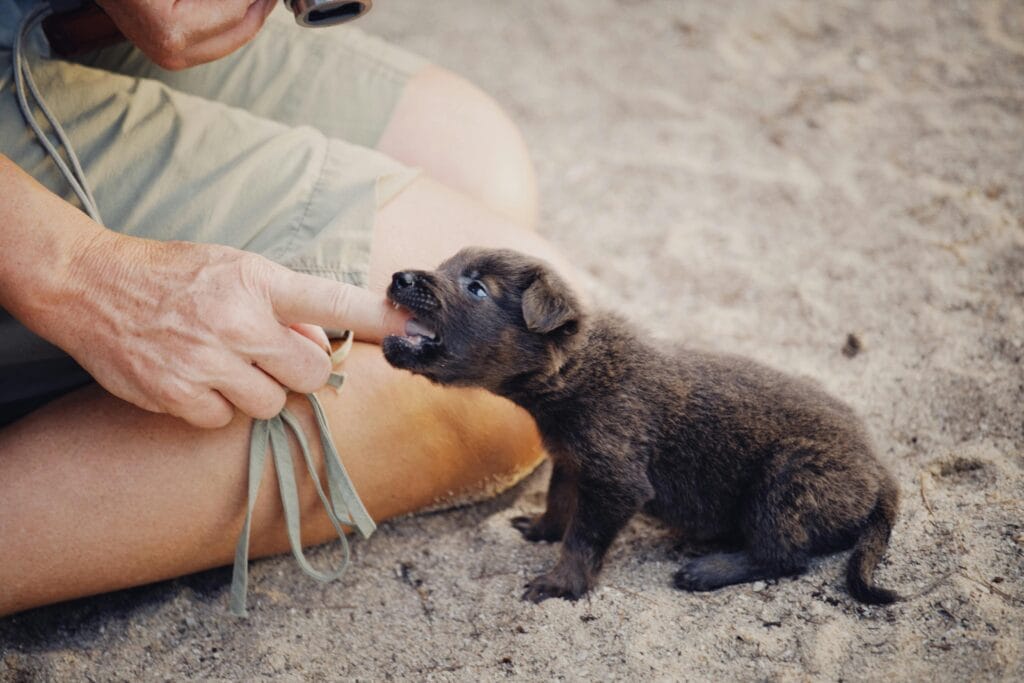
Before learning how to stop puppy biting, it helps to understand why puppies do it in the first place.
Puppies bite for several reasons:
- teething discomfort
- playful excitement
- exploring the world
- seeking attention
- learning bite control
Puppies normally learn bite control from their littermates. When a puppy bites too hard during play, another puppy yelps and stops playing. This teaches them that biting too hard ends the fun.
When puppies move to a new home, it becomes the owner’s job to teach those same lessons.
How to Stop Puppy Biting (Step-by-Step Guide)
If you’re dealing with constant nipping, learning how to stop puppy biting requires consistency and patience. These steps help teach your puppy appropriate behavior.
Step 1: Teach Bite Inhibition
Bite inhibition means teaching your puppy to control the pressure of their bite.
When your puppy bites too hard:
- Say “ouch” in a calm but noticeable tone
- Immediately stop playing
- Pull your hands away
- Wait a few seconds before resuming play
This mimics how puppies learn from littermates.
Over time, your puppy learns that biting too hard stops the fun.
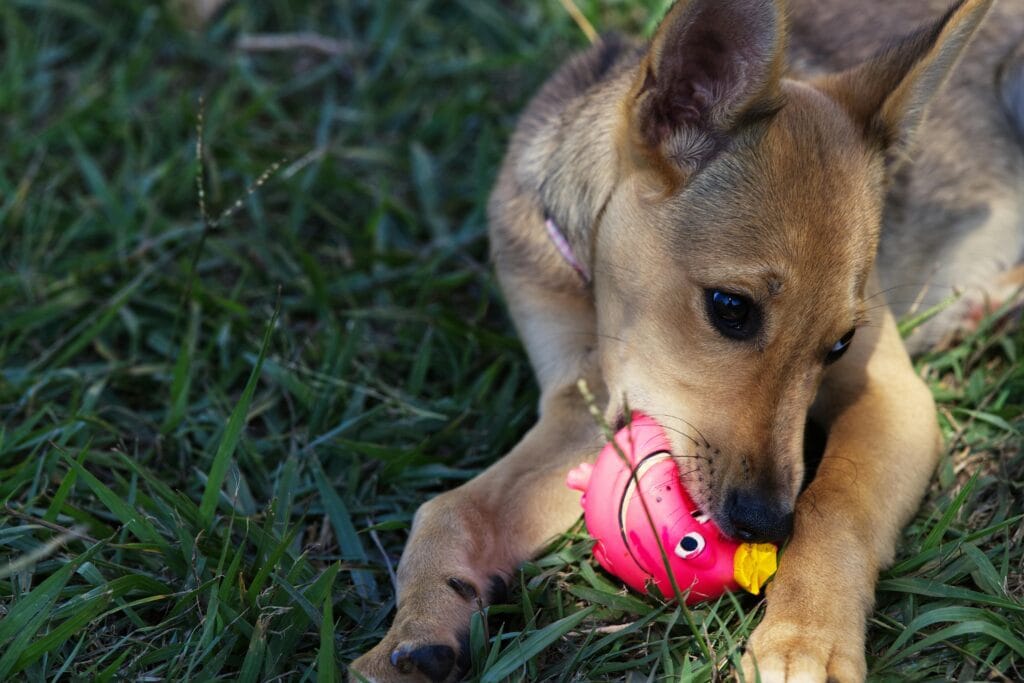
Step 2: Redirect to a Toy
Instead of simply stopping biting, give your puppy something appropriate to chew.
When your puppy bites your hand:
- immediately offer a chew toy
- praise your puppy for chewing the toy
- continue play using the toy instead of hands
Redirection teaches your puppy what they should bite instead.
Step 3: Pause Play When Biting Continues
If your puppy keeps biting despite redirection, the next step is to pause interaction.
When biting continues:
- stand up calmly
- turn away from the puppy
- stop giving attention
Puppies quickly learn that biting leads to the end of playtime.
Consistency is essential for this step to work.
Step 4: Provide Enough Exercise
Many puppies bite more when they have excess energy.
Daily physical activity helps reduce this behavior.
Examples include:
- short walks
- interactive play sessions
- training exercises
- puzzle toys
A mentally and physically stimulated puppy is less likely to bite out of frustration.
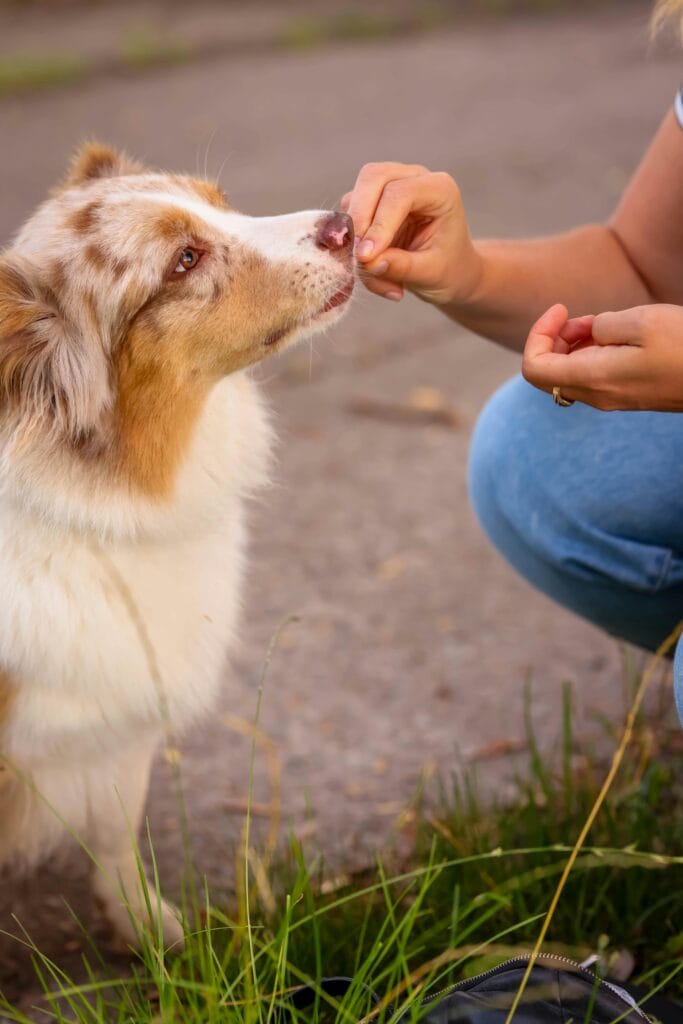
Step 5: Encourage Calm Behavior
Puppies often bite during overexcited moments.
Reward calm behavior by:
- praising gentle play
- giving treats when the puppy is relaxed
- using calm voice tones
This helps your puppy understand which behaviors earn attention.
Helpful Tools That Can Reduce Puppy Biting
This article contains affiliate links. As an Amazon Associate, we earn from qualifying purchases.
While training is the most important part of solving puppy biting, certain tools can help manage the behavior.
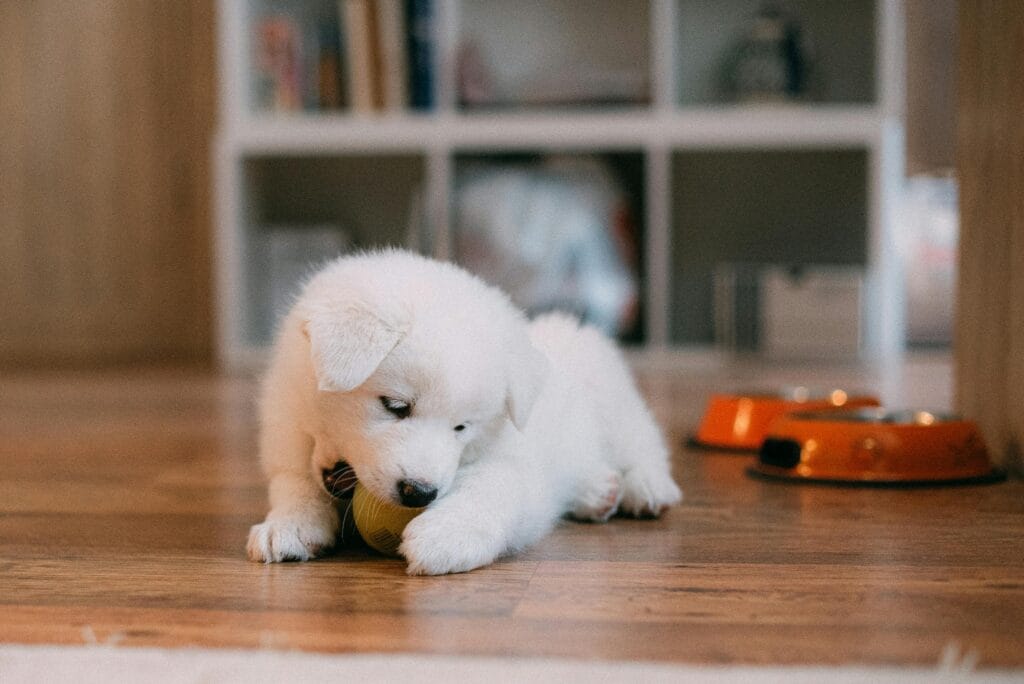
Durable Chew Toys
Puppies need safe outlets for their natural chewing instincts.
Durable chew toys help by:
- relieving teething discomfort
- redirecting biting behavior
- keeping puppies mentally engaged
Rotating toys regularly can keep them interesting.
Frozen Teething Toys
Teething can cause sore gums.
Freezable chew toys provide:
- soothing relief for gums
- reduced biting pressure
- calming chewing behavior
These toys are especially helpful during heavy teething phases.
Interactive Puzzle Toys
Mental stimulation can reduce frustration-based biting.
Puzzle toys challenge puppies to solve simple tasks to receive treats, which keeps them engaged and less likely to nip.
Practical Tips for Faster Results
Training works best when small daily habits reinforce good behavior.
Keep Play Sessions Controlled
Hands should not be the main play object.
Instead use:
- tug toys
- balls
- rope toys
This prevents confusion about what is appropriate to bite.
Watch for Overstimulation
Many puppies bite more when they are overtired or overstimulated.
Signs include:
- zoomies
- frantic biting
- ignoring commands
When this happens, your puppy may need a rest or quiet time.
Be Consistent With Rules
If biting sometimes leads to attention and sometimes doesn’t, your puppy may become confused.
Everyone in the household should respond to biting in the same way.
Common Mistakes Dog Owners Make
Avoiding these mistakes will help training progress faster.
Using Punishment
Punishing a puppy for biting can cause fear and damage trust.
Positive training methods work much better.
Encouraging Rough Play
Rough play using hands teaches puppies that biting skin is acceptable.
Always use toys during play.
Expecting Immediate Results
Puppies learn gradually.
Most puppies show improvement within a few weeks when training is consistent.
Ignoring Early Signs
If small nips are ignored, the habit can become stronger.
Early training helps prevent long-term biting problems.
Conclusion
Learning how to stop puppy biting takes patience, consistency, and positive reinforcement. Puppies bite naturally during play and teething, but they can quickly learn better habits when owners guide them with clear training.
By teaching bite inhibition, redirecting biting to toys, rewarding calm behavior, and providing enough physical and mental activity, you can help your puppy develop good manners.
With consistent training and the right tools, most puppies grow out of excessive biting and become gentle, well-behaved companions.
FAQ
At what age do puppies stop biting?
Most puppies begin improving around 4–6 months of age as teething ends and training progresses.
Is puppy biting normal?
Yes. Biting and nipping are natural behaviors during puppy development, especially during teething.
Should I yell when my puppy bites?
No. Yelling may increase excitement or create fear. Calm responses and redirection work better.
How long does it take to stop puppy biting?
Many puppies show improvement within a few weeks when consistent training methods are used.
What toys are best for puppies that bite a lot?
Durable chew toys, teething toys, and interactive puzzle toys are excellent options for redirecting biting behavior.
You may also like: