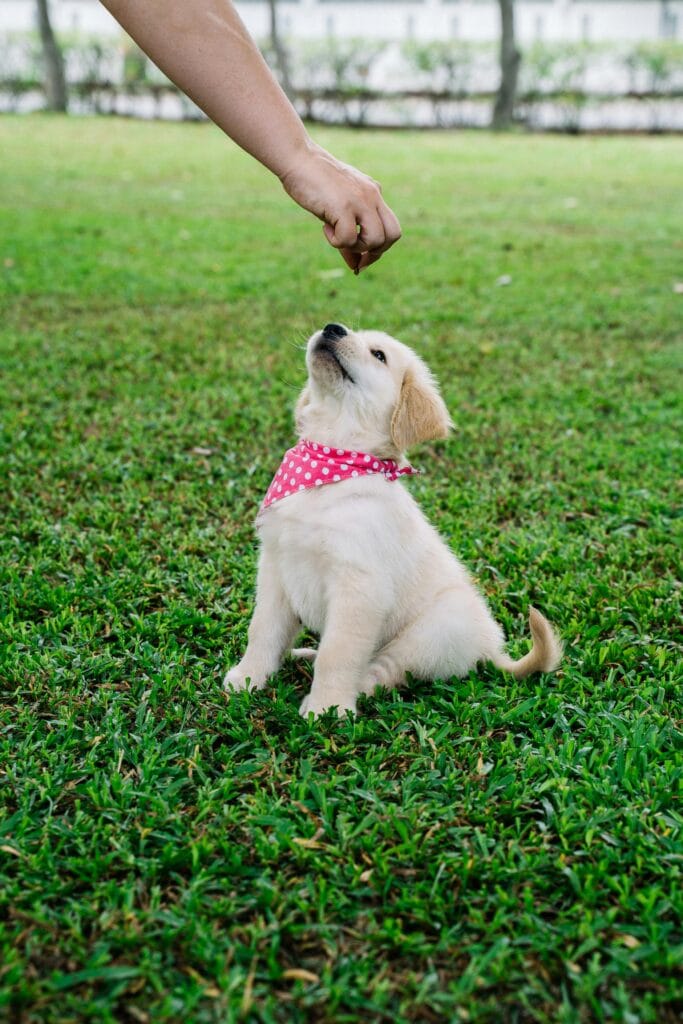
How to Crate Train a Puppy Step by Step
Crate training is one of the most useful skills you can teach a new puppy. If you’re wondering how to crate train a puppy step by step, you’re not alone. Many new dog owners worry about whether crate training is safe, humane, or effective.
When done correctly, crate training actually helps puppies feel safe and secure. Dogs naturally seek small, comfortable spaces to rest, similar to a den. A properly introduced crate becomes a place where your puppy can relax, sleep, and feel calm.
Crate training also helps with:
- house training
- preventing destructive behavior
- creating a predictable routine
- giving your puppy a safe resting space
In this guide, you’ll learn exactly how to crate train a puppy step by step, including simple training methods, common mistakes to avoid, and helpful tools that can make the process easier.
Disclosure: As Amazon Associates, we earn from qualifying purchases at no extra cost to you.
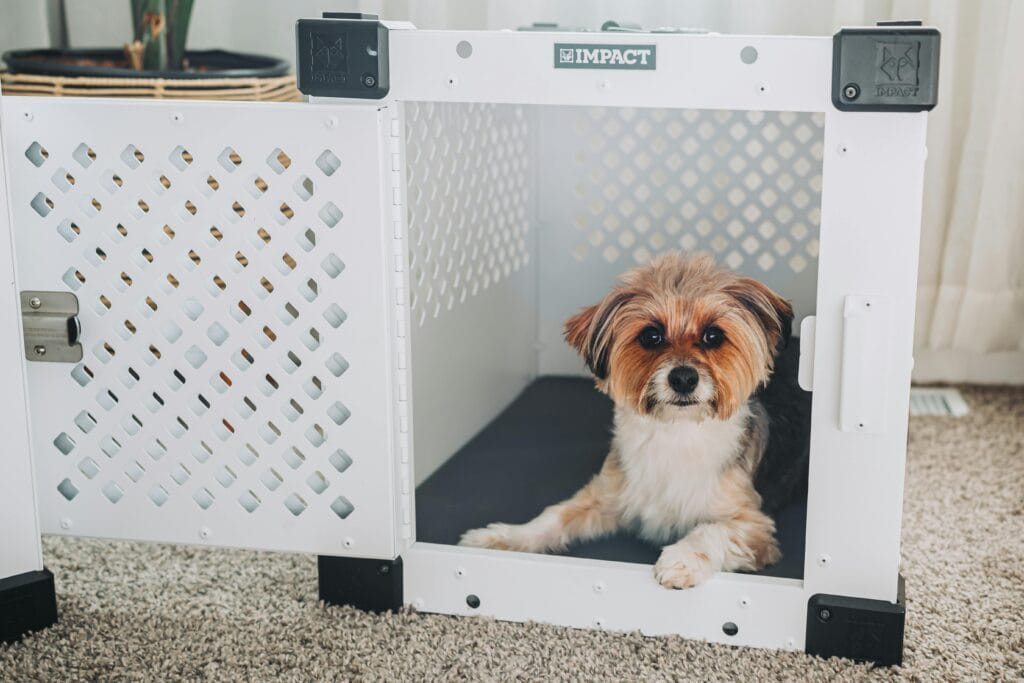
Why Crate Training Is Helpful for Puppies
Before learning how to crate train a puppy step by step, it helps to understand why crate training works.
Dogs naturally prefer small, secure sleeping spaces. When introduced properly, the crate becomes a comfortable place where the puppy can relax without stress.
Benefits of crate training include:
- supports potty training
- prevents chewing or destructive behavior
- provides a safe resting area
- helps with travel and vet visits
- creates a predictable routine
The key is making sure the crate is introduced gradually and positively, so your puppy associates it with comfort and safety.
How to Crate Train a Puppy Step by Step
Learning how to crate train a puppy step by step is mainly about patience and positive reinforcement. Follow these steps carefully to help your puppy feel comfortable with the crate.
Step 1: Choose the Right Crate
The crate should be large enough for your puppy to:
- stand comfortably
- turn around
- lie down
However, it should not be too large. Too much space may encourage your puppy to use one side as a bathroom.
Many owners choose adjustable crates with divider panels so the crate can grow with the puppy.
Step 2: Make the Crate Comfortable
Before training begins, make the crate inviting.
Add:
- a soft blanket or crate bed
- a safe chew toy
- a familiar scent
Avoid overcrowding the crate with too many items. The goal is to create a calm, relaxing environment.
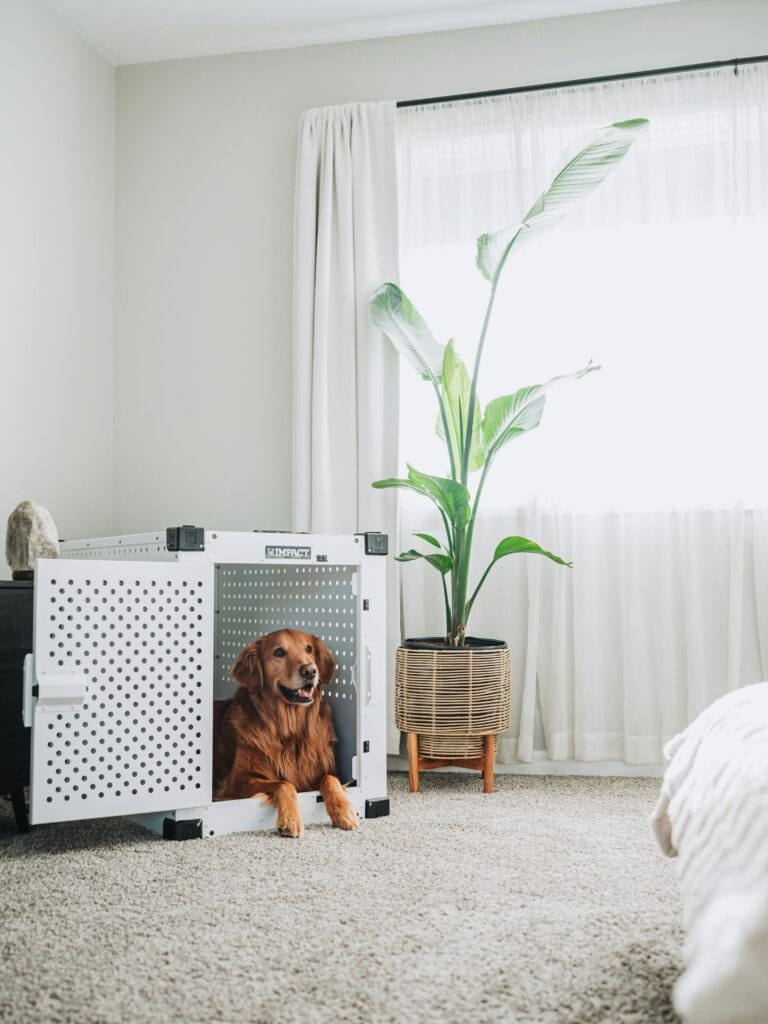
Step 3: Let Your Puppy Explore the Crate
Never force your puppy into the crate.
Instead:
- Leave the crate door open
- Place treats inside
- Allow your puppy to enter voluntarily
Most puppies will naturally investigate the crate out of curiosity.
Reward your puppy whenever they enter the crate willingly.
Step 4: Feed Meals Near the Crate
Food creates positive associations.
Start by placing your puppy’s food bowl:
- near the crate
- just inside the crate
- eventually deeper inside the crate
Over time, your puppy will begin associating the crate with positive experiences.
Step 5: Practice Short Crate Sessions
Once your puppy feels comfortable entering the crate, begin short crate sessions.
Start with:
- 5–10 minutes
- staying nearby
- calm praise
Gradually increase the time as your puppy becomes more comfortable.
Avoid leaving your puppy in the crate for long periods during early training.
Step 6: Use the Crate for Nap Time
Puppies sleep frequently throughout the day.
Encourage your puppy to nap inside the crate by:
- placing them inside when sleepy
- providing a comfortable bed
- creating a calm environment
Over time, the crate becomes your puppy’s preferred resting spot.

Step 7: Introduce Nighttime Crate Training
Nighttime crate training can take a few days to adjust.
Helpful tips include:
- placing the crate near your bed
- providing a familiar blanket
- taking the puppy outside before bedtime
Young puppies may need a nighttime potty break during the first few weeks.
Helpful Tools That Make Crate Training Easier
This article contains affiliate links. As an Amazon Associate, we earn from qualifying purchases.
While crate training mostly depends on consistency and patience, a few tools can help make the process smoother.
Adjustable Puppy Crate
An adjustable wire crate with a divider panel allows you to change the crate size as your puppy grows.
Benefits include:
- prevents using the crate as a bathroom
- provides long-term use
- supports potty training
Many crates also include removable trays for easy cleaning.
Calming Dog Bed
A calming dog bed inside the crate can help puppies feel more secure.
These beds provide:
- soft cushioning
- warmth and comfort
- a calming nesting environment
Comfortable bedding often reduces whining during crate training.
Interactive Chew Toys
Safe chew toys help puppies stay relaxed while in the crate.
Chew toys can:
- reduce boredom
- relieve teething discomfort
- create positive crate associations
Rotate toys regularly to keep them interesting.
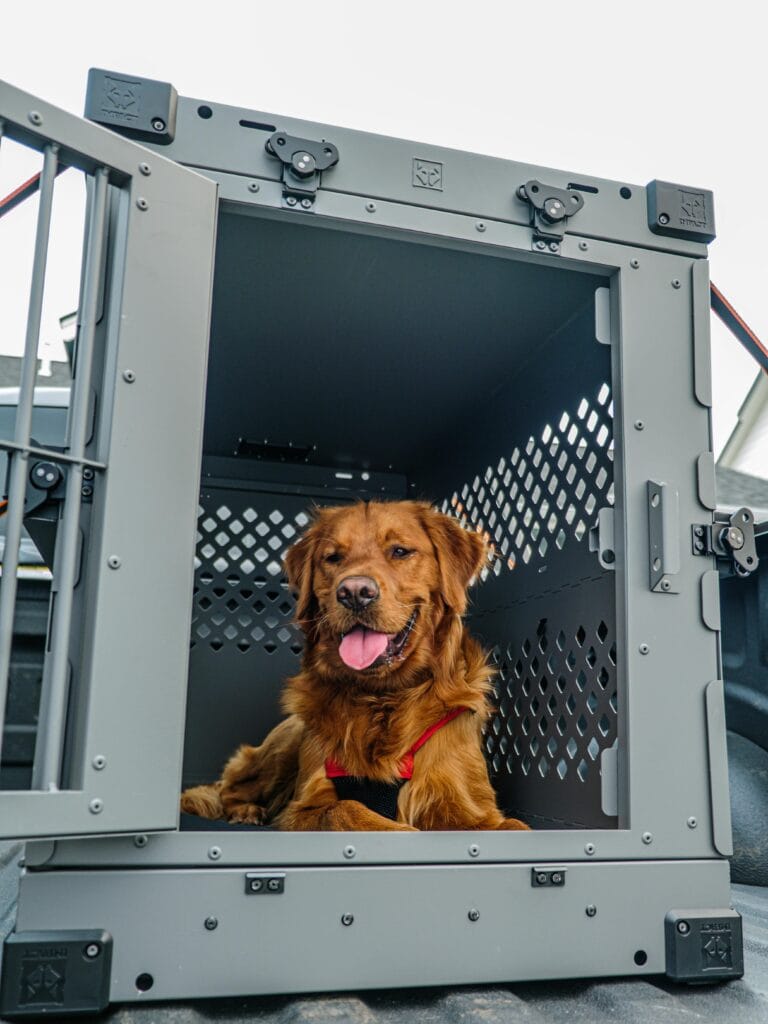
Practical Tips for Successful Crate Training
Crate training works best when it becomes part of a consistent daily routine.
Keep Crate Experiences Positive
Your puppy should see the crate as a comfortable space.
Avoid using the crate for punishment. This can create fear and slow training progress.
Stick to a Daily Schedule
Dogs learn quickly when their day follows a predictable routine.
Try to maintain consistent times for:
- meals
- potty breaks
- naps
- bedtime
Predictability reduces anxiety and helps puppies settle into crate training.
Exercise Before Crate Time
A tired puppy settles down faster.
Before crate time:
- take your puppy for a short walk
- play a gentle game
- allow some mental stimulation
Physical activity helps puppies relax and fall asleep more easily.
Common Crate Training Mistakes
Many new dog owners accidentally make crate training harder than it needs to be.
Avoid these common mistakes.
Forcing the Puppy Into the Crate
Forcing your puppy into the crate can create fear.
Instead, use treats and positive encouragement to build trust.
Leaving the Puppy in the Crate Too Long
Puppies have limited bladder control and energy.
Young puppies should not stay in a crate longer than:
- 2–3 hours during the day
Frequent breaks are necessary for healthy training.
Letting the Puppy Out While Crying
If you immediately open the crate when your puppy cries, they may learn that crying leads to freedom.
Instead:
- wait for a moment of quiet
- then open the crate calmly
This teaches calm behavior instead of reinforcing whining.
Skipping Potty Breaks
Crate training works best alongside a potty routine.
Take your puppy outside frequently to prevent accidents.
Conclusion
Learning how to crate train a puppy step by step is one of the best investments you can make in your dog’s training. When introduced correctly, the crate becomes a safe, comfortable space where your puppy can relax and feel secure.
By following a gradual training process, using positive reinforcement, and maintaining a consistent routine, most puppies quickly learn to enjoy their crate.
Remember to keep training sessions positive, provide comfort inside the crate, and avoid rushing the process. With patience and consistency, crate training can make daily life easier while helping your puppy develop healthy habits.
FAQ
Is crate training safe for puppies?
Yes. When used properly, crate training provides a safe resting space and supports house training.
How long does crate training take?
Most puppies begin feeling comfortable with the crate within a few days to a few weeks, depending on consistency.
Should I leave toys in the crate?
Yes, but only safe chew toys. Avoid items that could break or become choking hazards.
Why does my puppy cry in the crate?
Puppies may cry because they are adjusting to a new environment, need a potty break, or want attention.
Should the crate be covered at night?
Some puppies relax more with a partially covered crate, which can create a cozy, den-like environment.
You may also like: