Why Do Dogs Tilt Their Heads?
Few dog behaviors are as charming as the classic head tilt. Many dog owners notice their pets tilting their heads when they hear certain sounds or when someone talks to them. But beyond being adorable, there is actually a fascinating explanation behind it. If you’ve ever wondered why do dogs tilt their heads, the answer often relates to how dogs process sounds, communicate, and interpret the world around them.
Dogs rely heavily on their senses—especially hearing and smell—to understand their environment. A head tilt may help them focus on sounds, observe human facial expressions more clearly, or show curiosity toward unfamiliar noises.
In most cases, head tilting is a completely normal and healthy behavior. However, understanding when it is normal and when it may signal a health concern can help dog owners respond appropriately.
In this guide, we’ll explore:
- why dogs tilt their heads
- what the behavior usually means
- possible causes behind head tilting
- when owners should pay closer attention
- simple ways to support healthy communication with dogs
Learning to interpret this behavior can deepen your understanding of how dogs think and respond to the world.
Disclosure: As Amazon Associates, we earn from qualifying purchases at no extra cost to you.

Why Do Dogs Tilt Their Heads?
Understanding why dogs tilt their heads begins with recognizing how dogs gather information from their environment.
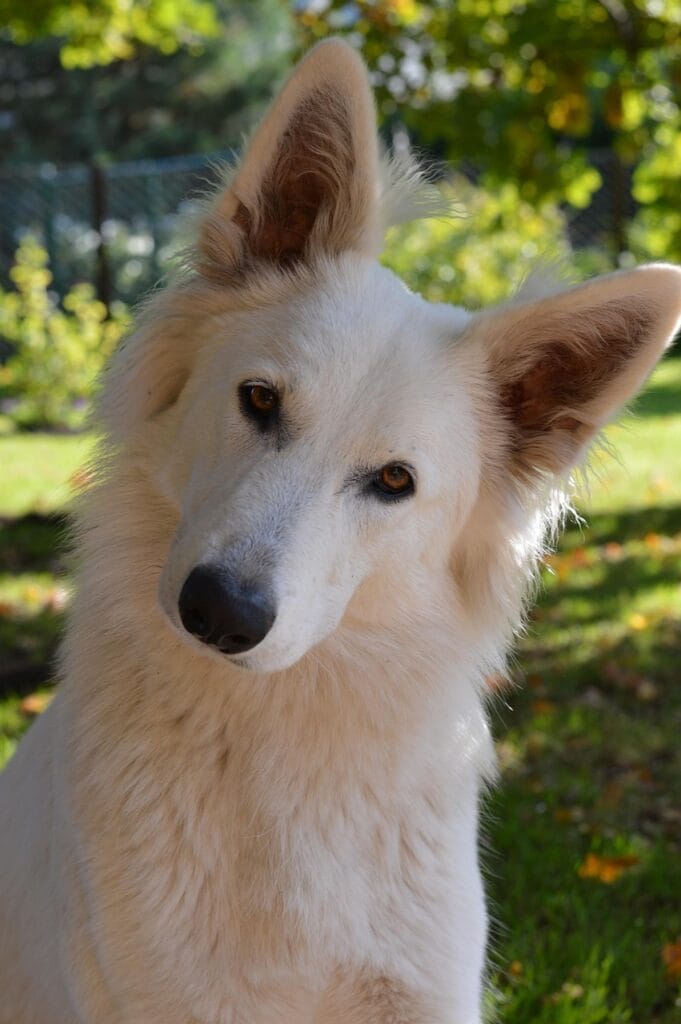
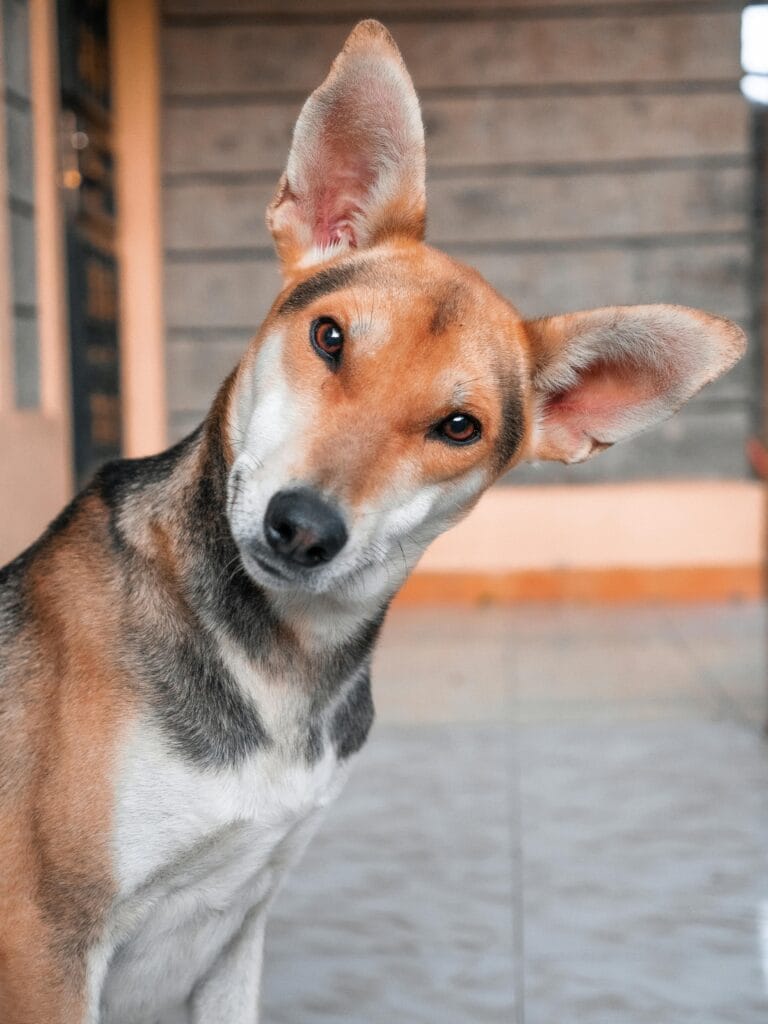
Dogs use head tilting primarily as a way to improve their ability to process sounds and visual cues. When a dog tilts its head, it may be trying to adjust the position of its ears or eyes to better identify a sound or focus on something interesting.
Some researchers also believe that head tilting may help dogs interpret human communication. Dogs that frequently interact with people may tilt their heads to better read facial expressions or understand tone of voice.
This behavior is particularly common when:
- owners speak to their dogs
- dogs hear unusual sounds
- dogs are trying to understand commands
- dogs notice unfamiliar noises
In many cases, the behavior simply reflects curiosity and engagement.
Common Signs Associated With Head Tilting
Head tilting often occurs alongside other body language signals that help explain what the dog is feeling.
Curious Facial Expression
Dogs that tilt their heads often display an attentive expression.
Typical signs include:
- raised ears
- focused eye contact
- still body posture
These signals usually indicate that the dog is concentrating on a sound or voice.
Response to Human Speech
Many dogs tilt their heads when they hear familiar words.
For example:
- their name
- “walk”
- “treat”
- “dinner”
Dogs may tilt their heads while trying to interpret the meaning of these words.
Reaction to Unfamiliar Sounds
Head tilting frequently occurs when dogs hear unusual noises.
Examples include:
- doorbells
- squeaky toys
- electronic sounds
- unfamiliar voices
The behavior often helps dogs pinpoint the direction of the sound.
Possible Causes Behind Head Tilting
Although head tilting is often normal, several factors may contribute to the behavior.
Improved Sound Detection
Dogs have highly sensitive hearing.
Tilting the head may help them adjust the position of their ears, allowing them to better locate a sound.
By changing the angle of their head, dogs can determine where a sound is coming from.
Improved Vision
Some experts believe head tilting may help dogs see objects more clearly.
Dogs with longer snouts may tilt their heads to improve their view of a person’s face.
This allows them to read human expressions more accurately.
Curiosity and Learning
Dogs are naturally curious animals.
When they hear unfamiliar sounds or words, head tilting may simply reflect curiosity and attention.
Dogs that are highly engaged with their owners often display this behavior more frequently.
Positive Reinforcement
Dogs quickly learn that certain behaviors gain attention.
Because humans often react positively when dogs tilt their heads—laughing, smiling, or speaking to them—the behavior may become reinforced over time.
When Head Tilting Could Indicate a Problem
In most situations, head tilting is harmless. However, persistent or unusual head tilting can sometimes indicate a medical issue.
Dog owners should monitor the behavior if it occurs alongside other symptoms.
Possible warning signs include:
- constant head tilting to one side
- loss of balance
- difficulty walking
- vomiting
- unusual eye movements
These symptoms may indicate issues such as:
- ear infections
- vestibular disease
- neurological problems
If head tilting appears sudden, continuous, or paired with other symptoms, contacting a veterinarian is recommended.
What Dog Owners Should Do Next
If your dog occasionally tilts its head when listening or responding to sounds, there is usually no cause for concern.
In fact, it often indicates that the dog is paying attention and engaging with its environment.
However, owners should:
- observe when the behavior occurs
- note any additional symptoms
- watch for changes in balance or coordination
If the behavior becomes persistent or unusual, a veterinary checkup can help rule out medical causes.
Helpful Tips for Supporting Healthy Communication
Understanding dog behavior helps strengthen communication between dogs and their owners.
Speak Clearly to Your Dog
Dogs often respond best to consistent tone and familiar words.
Using simple commands can help your dog understand you more easily.
Observe Body Language
Dogs communicate through many signals.
Watching posture, ears, tail movement, and facial expression helps owners interpret behavior accurately.
Encourage Mental Stimulation
Dogs that receive mental stimulation tend to be more engaged and responsive.
Training exercises and interactive toys help keep their minds active.
Monitor Ear Health
Healthy ears are important for hearing and balance.
Regular ear checks can help detect potential problems early.
Helpful Products That Support Dog Health and Enrichment
This article contains affiliate links. As an Amazon Associate, we earn from qualifying purchases.
While head tilting itself does not require treatment, certain products can support overall dog wellness and engagement.
Dog Puzzle Toy
Puzzle toys provide mental stimulation that encourages curiosity and learning.
Benefits include:
- promoting problem-solving
- reducing boredom
- encouraging focus
Dog Training Treats
Small training treats are useful for reinforcing communication during training sessions.
Benefits include:
- encouraging positive learning
- strengthening owner-dog interaction
- improving responsiveness
Interactive Squeaky Toy
Squeaky toys often trigger the head tilt response because of their unique sound.
Benefits include:
- engaging a dog’s hearing
- encouraging playful curiosity
- providing entertainment
Conclusion
Understanding why dogs tilt their heads helps owners appreciate the fascinating ways dogs interact with the world. In many cases, head tilting reflects curiosity, attentiveness, and a desire to understand sounds or human communication.
Dogs may tilt their heads to better locate sounds, observe facial expressions, or respond to familiar words. The behavior often shows that a dog is engaged and paying attention.
While occasional head tilting is perfectly normal, owners should remain aware of signs that could indicate medical issues, particularly if the behavior becomes constant or occurs with other symptoms.
By observing body language and maintaining regular health care, dog owners can better understand their pets and support their overall well-being.
FAQ
Why do dogs tilt their heads when you talk to them?
Dogs may tilt their heads to better interpret sounds, tone of voice, or familiar words.
Is head tilting normal for dogs?
Yes. Occasional head tilting is usually a normal behavior related to curiosity or listening.
Why do dogs tilt their heads at squeaky toys?
The unusual high-pitched sound may cause dogs to adjust their ears to locate the source.
When should I worry about head tilting?
Persistent head tilting combined with balance problems or other symptoms may require veterinary attention.
Do some dog breeds tilt their heads more often?
Yes. Dogs that frequently interact with humans or respond strongly to sound may display the behavior more often.
You may also like: