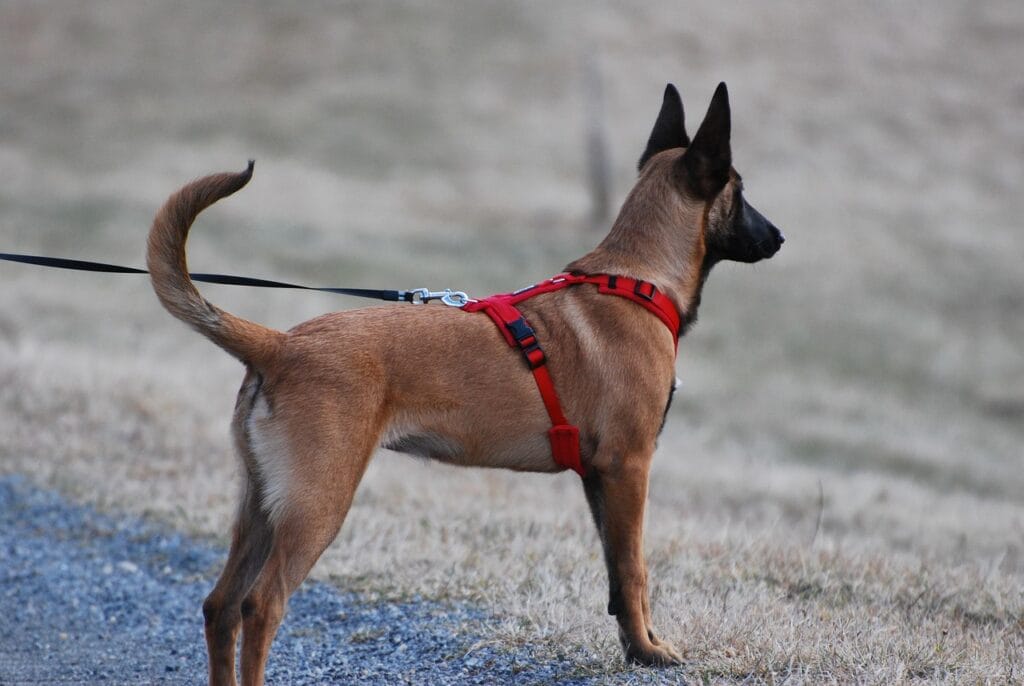
How to Tire Out a High-Energy Dog
If your dog seems to have endless energy, you’re not alone. Many dog owners struggle with overly active pets that constantly want to play, run, or explore. Learning how to tire out a high-energy dog is essential for maintaining a calm household and ensuring your dog stays healthy and happy.
Dogs with high energy levels—especially working breeds and young dogs—need more physical and mental stimulation than the average pet. Without enough activity, they may develop behavioral problems such as chewing furniture, barking excessively, or jumping on people.
The good news is that tiring out a high-energy dog doesn’t always mean hours of intense exercise. A balanced combination of physical activity, mental stimulation, and structured routines can help burn energy effectively.
In this guide, you’ll learn:
- how to tire out a high-energy dog safely
- exercises that burn off excess energy
- mental activities that challenge your dog’s brain
- daily habits that reduce hyperactivity
- helpful products that keep energetic dogs engaged
With the right strategies, even the most energetic dogs can become calm and well-balanced companions.
Disclosure: As Amazon Associates, we earn from qualifying purchases at no extra cost to you.
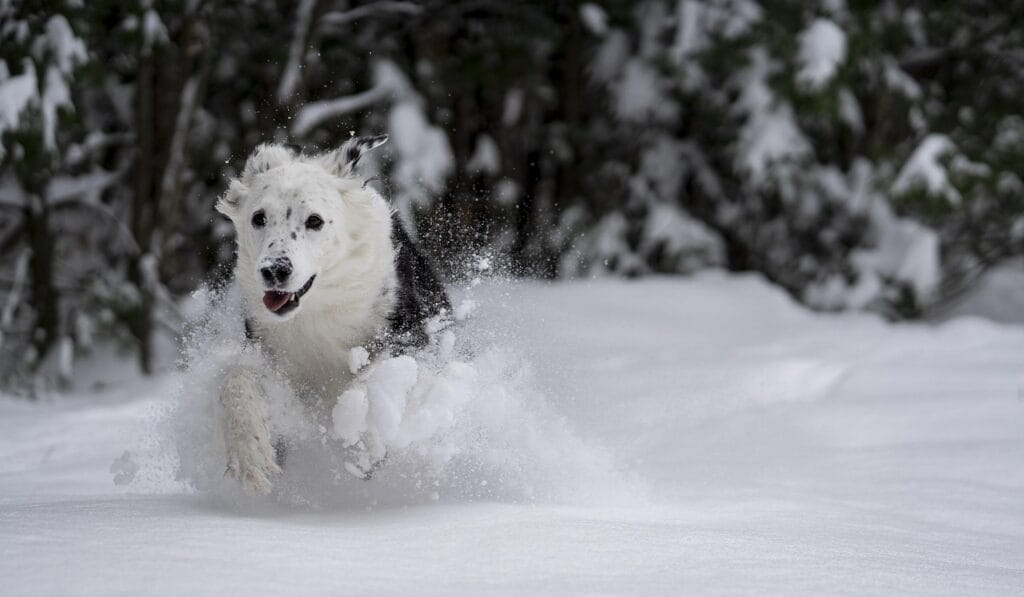
Why Some Dogs Have So Much Energy
Before learning how to tire out a high-energy dog, it helps to understand why some dogs seem to have endless energy.
Energy levels vary widely between breeds and individual dogs.
High-energy dogs often include:
- Border Collies
- Australian Shepherds
- Labrador Retrievers
- Jack Russell Terriers
- Belgian Malinois
These breeds were originally developed for tasks such as herding, hunting, or working alongside humans.
Because of this, they naturally require more physical activity and mental stimulation.
Age also plays a role. Puppies and young adult dogs tend to have much higher energy levels than senior dogs.
Without proper outlets for that energy, dogs may become restless or destructive.
Signs Your Dog Needs More Activity
Recognizing signs of excess energy can help you determine when your dog needs more stimulation.
Common signs include:
- constant pacing
- chewing furniture or objects
- excessive barking
- digging in the yard
- jumping on people
- inability to relax
These behaviors often indicate that your dog needs more exercise or mental engagement.
How to Tire Out a High-Energy Dog (Step-by-Step Guide)
Learning how to tire out a high-energy dog involves combining physical exercise with mental stimulation.
Step 1: Provide Daily Physical Exercise
Regular exercise is the most effective way to burn excess energy.
Examples include:
- brisk walks
- running or jogging
- playing fetch
- hiking on trails
Many high-energy dogs benefit from 60–120 minutes of exercise per day.
Breaking exercise into multiple sessions can make it easier to manage.
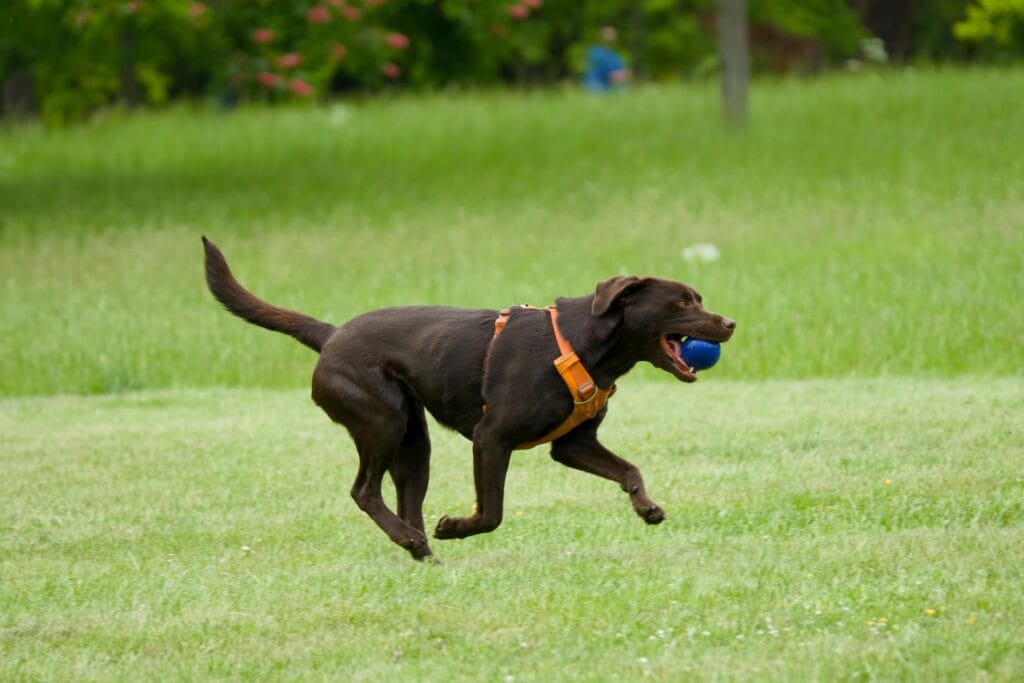
Step 2: Use Interactive Games
Games help dogs burn energy while also strengthening the bond between dog and owner.
Popular games include:
- fetch
- tug-of-war
- hide and seek
- chase games
Interactive play stimulates both the body and the mind.
Short play sessions throughout the day can help reduce restlessness.
Step 3: Add Mental Stimulation
Mental activity can tire dogs just as much as physical exercise.
Activities that challenge your dog’s brain include:
- puzzle toys
- scent games
- training sessions
- food-dispensing toys
Dogs that work their brains often become calm more quickly.
Mental stimulation is especially helpful on days when outdoor exercise is limited.
Step 4: Practice Training Sessions
Training exercises are excellent mental workouts.
You can practice:
- basic commands
- advanced obedience
- trick training
Even 10–15 minutes of training can help focus your dog’s energy.
Training also strengthens communication between you and your dog.
Step 5: Rotate Toys Regularly
Dogs can lose interest in toys if they see them every day.
Rotating toys every few days keeps them interesting.
This encourages dogs to engage in independent play and burn energy.
Step 6: Provide Structured Daily Routines
Dogs feel calmer when they know what to expect.
Creating a routine helps regulate energy levels.
A healthy routine may include:
- morning walk
- midday play session
- evening exercise
- quiet rest time
Predictable routines help energetic dogs relax more easily.
Helpful Products for High-Energy Dogs
This article contains affiliate links. As an Amazon Associate, we earn from qualifying purchases.
Certain products can help provide additional stimulation for active dogs.
Dog Puzzle Toy
A puzzle toy challenges dogs to solve problems to access treats.
Benefits include:
- mental stimulation
- reducing boredom
- encouraging focus
Puzzle toys are especially helpful when dogs are indoors.
Durable Fetch Ball
A durable fetch ball allows dogs to run and retrieve repeatedly.
Benefits include:
- intense physical exercise
- improving coordination
- strengthening the bond between dog and owner
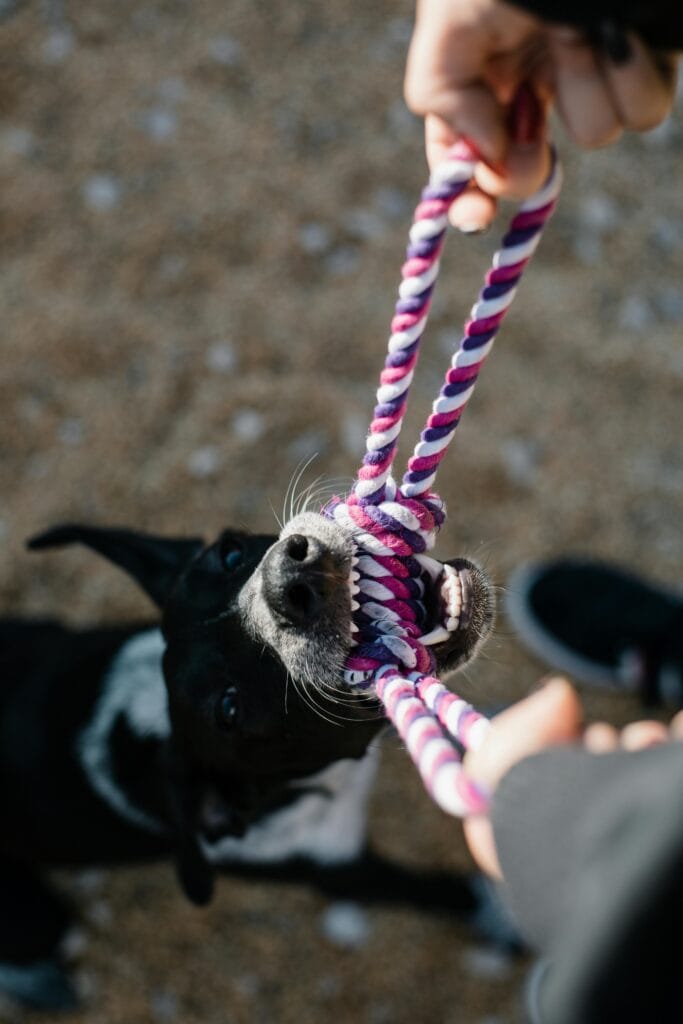
Tug Toy
A tug toy provides a safe outlet for energetic play.
Benefits include:
- burning energy
- strengthening muscles
- improving interaction between dog and owner
Calming Dog Bed
After exercise, a calming dog bed provides a comfortable place for your dog to relax.
Benefits include:
- promoting rest
- reducing anxiety
- supporting recovery after activity

Practical Tips for Managing High-Energy Dogs
These tips can help you maintain balanced energy levels.
Exercise Before Quiet Activities
Walking or playing before training sessions helps dogs focus better.
Use Food as Mental Stimulation
Instead of feeding meals in bowls, try:
- puzzle feeders
- treat-dispensing toys
This turns feeding time into a stimulating activity.
Encourage Sniffing During Walks
Sniffing engages a dog’s brain.
Allowing time for sniffing during walks provides mental enrichment.
Schedule Multiple Activity Sessions
Several shorter sessions are often more effective than one long activity period.
Common Mistakes With High-Energy Dogs
Avoiding these mistakes can help reduce hyperactivity.
Only Providing Physical Exercise
Dogs also need mental challenges.
Exercise alone may not fully tire them out.
Ignoring Breed Needs
Working breeds require more stimulation than low-energy breeds.
Inconsistent Activity Levels
Dogs benefit from regular daily routines.
Punishing Excess Energy
High energy is natural for many dogs.
Redirecting energy into healthy activities works better than punishment.
Conclusion
Learning how to tire out a high-energy dog is essential for creating a balanced and happy lifestyle for both you and your pet. Dogs with high energy levels require a combination of physical exercise, mental stimulation, and structured routines to stay healthy and calm.
By providing daily exercise, engaging games, training sessions, and interactive toys, you can help your dog burn excess energy in positive ways.
When a dog’s energy needs are met, they are far more likely to relax, behave well, and enjoy a peaceful home environment.
With patience and consistent activity, even the most energetic dogs can become calm and well-adjusted companions.
FAQ
How much exercise does a high-energy dog need?
Many high-energy dogs need 60–120 minutes of exercise daily, depending on breed and age.
Can mental stimulation tire out a dog?
Yes. Brain activities like puzzle toys and training sessions can be just as tiring as physical exercise.
What are the best games for energetic dogs?
Fetch, tug-of-war, scent games, and agility exercises are great options.
Are certain dog breeds naturally high-energy?
Yes. Working and herding breeds often have higher energy levels.
What happens if a dog doesn’t get enough exercise?
Dogs may develop behavioral problems such as chewing, barking, or hyperactivity.
You may also like: