Puppy Development Stages Explained
Bringing home a new puppy is exciting, but it also comes with many questions about growth, behavior, and training. Understanding puppy development stages explained helps dog owners know what to expect as their puppy grows from a tiny newborn into a confident adult dog.
Just like human babies, puppies go through several developmental phases. Each stage involves physical growth, changes in behavior, and important learning opportunities. Knowing these stages helps owners provide the right care, training, and environment at the right time.
The first year of a dog’s life is especially important. During this period, puppies develop social skills, explore their environment, and learn how to interact with humans and other animals.
In this guide, we’ll explain:
- the major stages of puppy development
- what behaviors to expect at each stage
- possible challenges during growth
- what dog owners should do to support healthy development
- helpful tips to guide puppies through each phase
Understanding these stages helps create a strong foundation for a well-behaved and healthy dog.
Disclosure: As Amazon Associates, we earn from qualifying purchases at no extra cost to you.

Puppy Development Stages Explained
When discussing puppy development stages explained, veterinarians and animal behavior experts generally divide puppy growth into several key phases.
These stages include:
- Neonatal stage
- Transitional stage
- Socialization stage
- Juvenile stage
- Adolescence
Each stage plays an important role in shaping a puppy’s behavior, learning ability, and physical development.
The Neonatal Stage (Birth to 2 Weeks)
During the neonatal stage, puppies are completely dependent on their mother.
At this stage:
- puppies are born blind and deaf
- movement is limited
- puppies rely on smell and touch
The mother dog provides warmth, nutrition, and protection.
Puppies spend most of their time sleeping and feeding. Their primary developmental task is physical growth.
Because puppies are extremely fragile at this stage, human interaction should be minimal unless necessary.
The Transitional Stage (2–4 Weeks)
The transitional stage marks a major milestone in puppy development.
During this time:
- puppies begin opening their eyes
- hearing begins to develop
- movement becomes more coordinated
Puppies start exploring their immediate environment and interacting with their littermates.
Early social behaviors begin forming during this stage.

The Socialization Stage (4–12 Weeks)
The socialization stage is one of the most important periods in a dog’s life.
This is when puppies learn how to interact with the world around them.
During this stage puppies:
- develop social skills
- learn bite inhibition
- become curious about new environments
Positive experiences during this stage can shape a puppy’s confidence and temperament.
Owners often begin basic training and gentle socialization with people, sounds, and environments.
However, experiences should always remain safe and positive.
Signs of Healthy Social Development
Puppies during this stage typically show:
- curiosity toward new objects
- playful interaction with littermates
- growing independence
Gentle exposure to new environments helps prevent fear later in life.
The Juvenile Stage (3–6 Months)
During the juvenile stage, puppies become more active and independent.
Physical growth continues rapidly.
Common changes during this stage include:
- teething
- increased energy levels
- stronger curiosity
Puppies begin testing boundaries and learning basic rules.
Training becomes especially important during this period.
Owners often focus on teaching:
- house training
- leash manners
- basic commands such as sit and stay
Consistency and patience help puppies learn appropriate behavior.
The Adolescent Stage (6–18 Months)
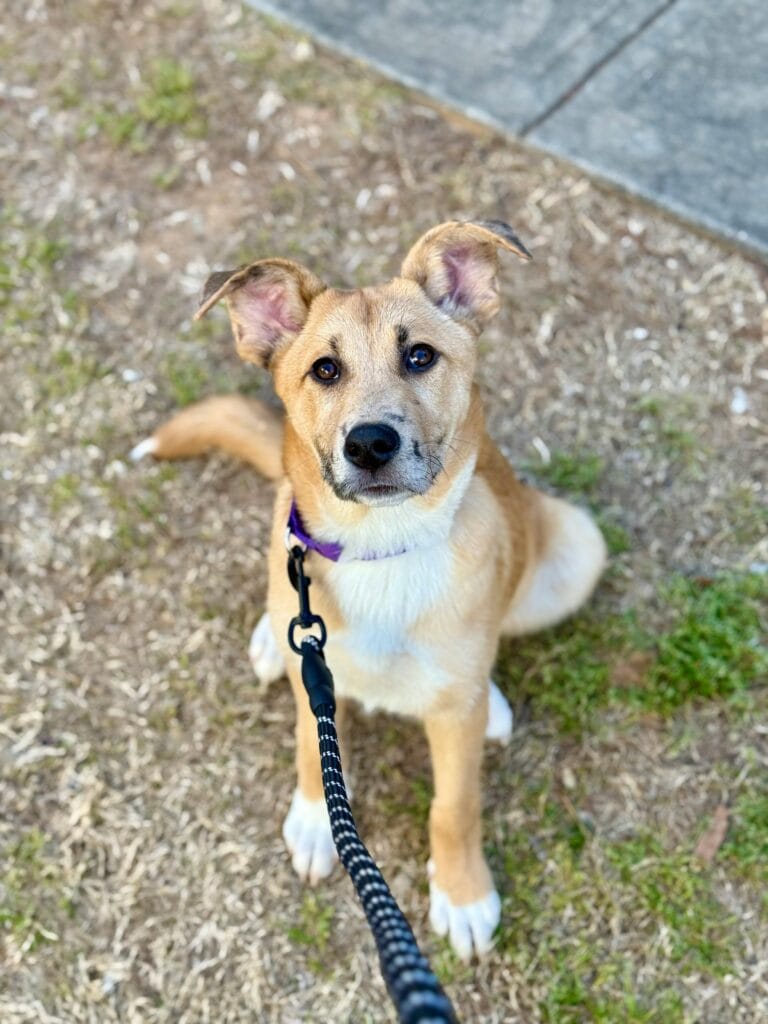
The adolescent stage can be challenging for many dog owners.
During this phase, dogs may:
- test boundaries
- display bursts of energy
- temporarily forget learned commands
Hormonal changes also occur during adolescence.
Some dogs may show increased independence or stubborn behavior.
However, consistent training and positive reinforcement can help guide dogs through this stage.
Regular exercise and mental stimulation are especially important.
Possible Challenges During Puppy Development
While growth stages are natural, puppies may experience challenges during development.
Common challenges include:
Teething
Puppies begin losing baby teeth around 3–4 months of age.
This can lead to chewing behavior.
Providing safe chew toys can help relieve discomfort.
Fear Periods
Some puppies experience temporary fear periods during development.
During these times, puppies may react cautiously to unfamiliar situations.
Positive reinforcement and patience help build confidence.
Excess Energy
Young dogs often have high energy levels.
Without proper exercise and stimulation, puppies may develop unwanted behaviors.
What Dog Owners Should Do Next
Understanding development stages helps owners support their puppy’s growth.
Important steps include:
- providing consistent training
- encouraging safe socialization
- maintaining regular veterinary care
- ensuring balanced nutrition
Each stage requires patience and guidance.
Building positive habits early helps prevent behavior problems later.
Helpful Tips for Supporting Healthy Puppy Development
Owners can support healthy development through daily care and interaction.
Provide Positive Training Experiences
Training helps puppies learn appropriate behavior.
Using positive reinforcement encourages learning and builds trust.
Encourage Socialization
Exposure to new people, sounds, and environments helps puppies develop confidence.
Social experiences should always be calm and controlled.
Provide Mental Stimulation
Interactive toys and games help puppies develop problem-solving skills.
Mental stimulation also reduces boredom.
Maintain Consistent Routines
Regular feeding, exercise, and sleep schedules help puppies feel secure.
Consistency supports healthy behavior patterns.
Helpful Products for Puppy Development
This article contains affiliate links. As an Amazon Associate, we earn from qualifying purchases.
Certain products can help support healthy growth and training.
Puppy Chew Toys
Chew toys help relieve teething discomfort.
Benefits include:
- protecting furniture from chewing
- supporting dental health
- providing mental stimulation
Puppy Training Treats
Small training treats are useful for positive reinforcement training.
Benefits include:
- encouraging good behavior
- improving learning speed
- supporting obedience training
Interactive Puzzle Toys
Puzzle toys help stimulate a puppy’s mind.
Benefits include:
- reducing boredom
- improving focus
- encouraging problem-solving
Comfortable Puppy Bed
A cozy bed provides a safe resting space.
Benefits include:
- supporting healthy sleep
- providing comfort
- helping puppies relax

Conclusion
Understanding puppy development stages explained helps dog owners support their puppy’s growth and behavior during the critical first year of life. Each stage—from the neonatal phase to adolescence—plays an important role in shaping a dog’s physical health, social skills, and emotional development.
Providing positive experiences, consistent training, and proper care during each stage helps puppies develop into well-adjusted adult dogs.
With patience, guidance, and a supportive environment, puppies can grow into confident and happy companions.
FAQ
How long does the puppy stage last?
The puppy stage generally lasts until about 12–18 months of age, depending on the breed.
What is the most important puppy development stage?
The socialization stage between 4 and 12 weeks is especially important for behavior development.
When should puppy training begin?
Basic training can begin as early as 8 weeks of age using positive reinforcement methods.
Why do puppies chew so much?
Chewing often occurs during teething and helps relieve discomfort.
When do puppies calm down?
Most dogs begin to calm down as they reach adulthood, typically between 1 and 2 years old depending on breed and temperament.
You may also like: