20 Things Every Dog Owner Should Know — Before It’s Too Late
Owning a dog is one of the most rewarding experiences in life. Dogs bring companionship, joy, and loyalty that few relationships can match. However, being a responsible pet owner also comes with important responsibilities. Understanding 20 things every dog owner should know — before it’s too late can help prevent common mistakes and ensure your dog lives a long, healthy, and happy life.
Many new dog owners learn certain lessons the hard way—sometimes after behavioral problems, health issues, or preventable accidents occur. The good news is that most of these situations can be avoided with the right knowledge and preparation.
In this guide, you’ll learn:
- essential dog care facts many owners overlook
- simple habits that improve your dog’s quality of life
- common mistakes that can harm dogs
- practical tips every dog owner should know
Whether you’re a first-time owner or an experienced dog lover, these insights can help you care for your dog more confidently.
Disclosure: As Amazon Associates, we earn from qualifying purchases at no extra cost to you.

1. Dogs Need Daily Exercise
One of the most important things every dog owner should know is that exercise is essential for both physical and mental health.
Regular activity helps:
- maintain healthy weight
- prevent boredom
- reduce destructive behavior
Even low-energy breeds benefit from daily walks and play sessions.
2. Mental Stimulation Is Just as Important
Dogs are intelligent animals that require mental engagement.
Without mental stimulation, dogs may develop:
- destructive chewing
- excessive barking
- anxiety behaviors
Puzzle toys, training sessions, and interactive games help keep their minds active.
3. Dogs Thrive on Routine
Dogs feel safest when their daily routine is predictable.
Consistent schedules for:
- feeding
- exercise
- bedtime
help dogs feel secure and reduce stress.
4. Early Training Prevents Future Problems
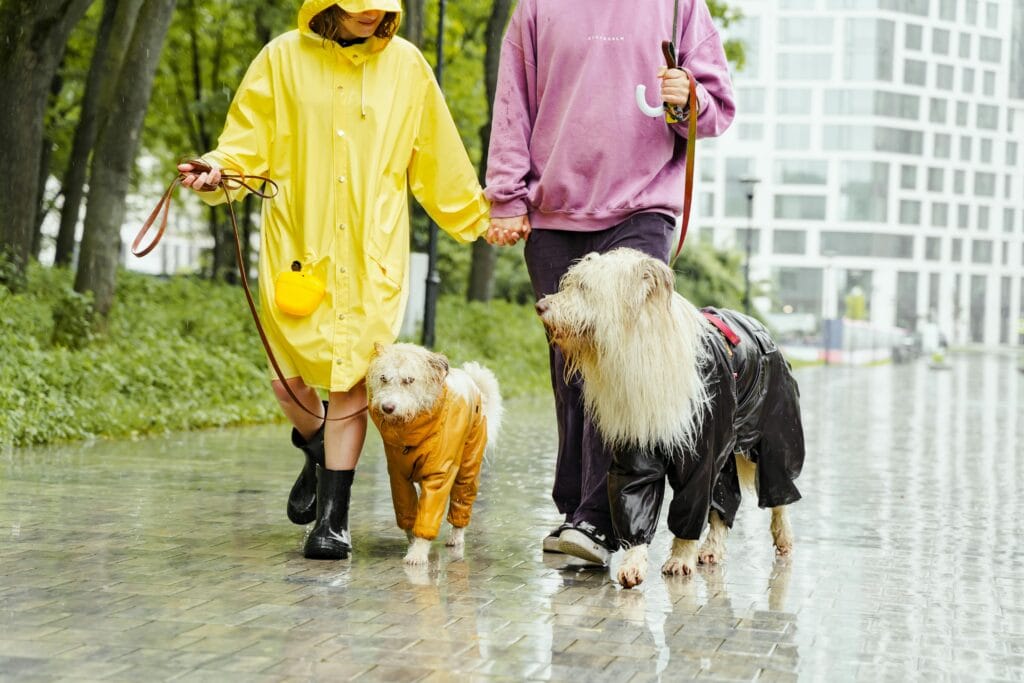
Training should begin early in a dog’s life.
Basic commands such as sit, stay, and come create a foundation for good behavior.
Positive reinforcement training strengthens the bond between dogs and owners.
5. Socialization Is Critical
Dogs that experience positive interactions with people and other animals early in life tend to be more confident and calm.
Proper socialization reduces the risk of:
- fear-based aggression
- anxiety
- reactivity
6. Nutrition Affects Long-Term Health
A balanced diet supports:
- energy levels
- healthy skin and coat
- strong immune system
Choosing high-quality dog food and maintaining proper portion sizes helps prevent obesity and other health issues.
7. Dogs Hide Pain
Dogs often hide discomfort as a survival instinct.
Subtle signs of pain may include:
- reduced activity
- changes in appetite
- unusual behavior
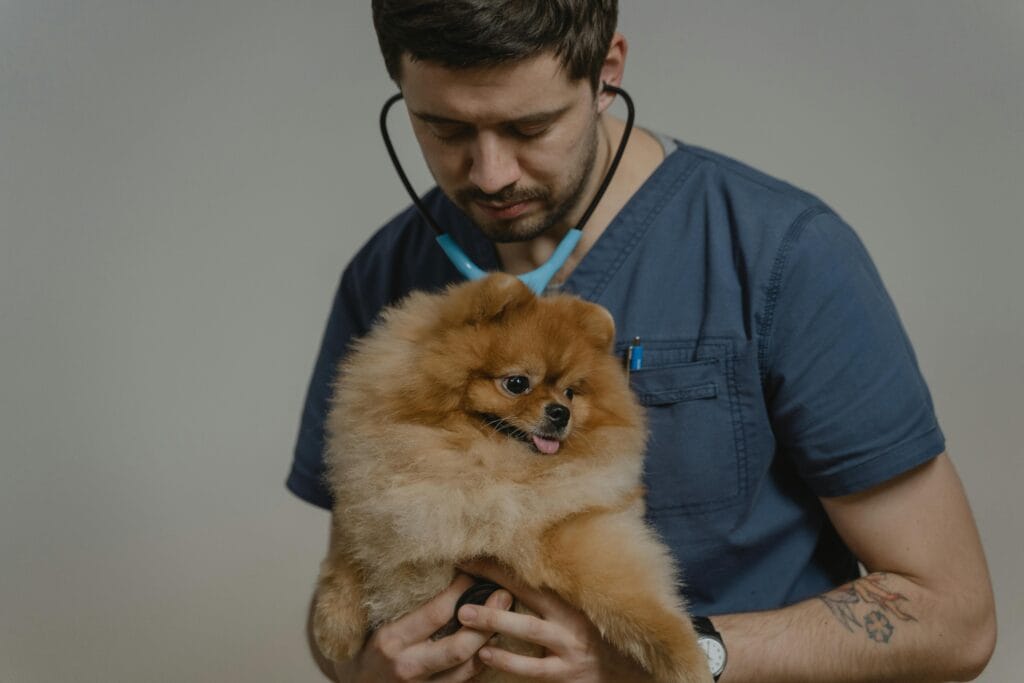
Regular veterinary checkups help detect problems early.
8. Dental Health Matters
Dental disease is extremely common in dogs.
Without proper care, plaque buildup can lead to infections and other health issues.
Regular tooth brushing and dental chews help maintain oral health.
9. Grooming Is More Than Appearance
Grooming is not only about keeping dogs looking nice.
It also helps:
- detect skin problems
- remove loose fur
- prevent matting
Different breeds require different grooming routines.
10. Dogs Need Quality Sleep
Most dogs sleep 12–14 hours per day.
Comfortable resting areas and regular routines help support healthy sleep patterns.
11. Overfeeding Is a Common Problem
Many dogs become overweight because owners unintentionally feed too much.
Obesity increases the risk of:
- joint issues
- heart disease
- diabetes
Measuring portions helps maintain healthy weight.
12. Dogs Communicate Through Body Language
Understanding body language helps owners recognize:
- happiness
- stress
- fear
- excitement
Tail movement, ear position, and posture all reveal how a dog feels.

13. Chewing Is Natural
Chewing helps dogs relieve stress and boredom.
Providing safe chew toys prevents destructive chewing on household items.
14. Not All Human Foods Are Safe
Some human foods are toxic to dogs.
Dangerous foods include:
- chocolate
- grapes
- onions
- foods containing xylitol
Owners should always research before sharing human food.
15. Regular Vet Visits Are Essential
Routine veterinary checkups help detect health problems early.
Preventive care often includes:
- vaccinations
- parasite prevention
- dental exams
16. Dogs Need Emotional Connection
Dogs are highly social animals that thrive on companionship.
Regular interaction strengthens the emotional bond between dog and owner.
17. Bored Dogs Create Problems
When dogs are bored, they often create their own entertainment.
This may lead to:
- chewing furniture
- digging
- excessive barking
Providing toys and activities helps prevent boredom.
18. Dogs Learn Best Through Positive Reinforcement
Reward-based training encourages dogs to repeat good behavior.
Harsh punishment can damage trust and create fear.
19. Every Dog Has Unique Needs
Different dogs have different personalities, energy levels, and preferences.
Understanding your dog as an individual helps provide better care.
20. Time Is the Most Valuable Gift
The most important thing every dog owner should know is simple:
your dog values your time more than anything else.
Spending quality time together builds trust, happiness, and lifelong memories.
Helpful Products That Can Improve Your Dog’s Life
This article contains affiliate links. As an Amazon Associate, we earn from qualifying purchases.
These products can help support healthy routines for dogs.
Interactive Puzzle Toy
Puzzle toys keep dogs mentally engaged.
Benefits include:
- reducing boredom
- stimulating the brain
- encouraging problem-solving
Durable Chew Toy
Chew toys satisfy natural chewing instincts.
Benefits include:
- protecting furniture
- relieving stress
- supporting dental health
Orthopedic Dog Bed
Comfortable beds help support restful sleep.
Benefits include:
- joint support
- improved sleep quality
- ideal for senior dogs
Slow Feeder Bowl
Slow feeder bowls promote healthier eating habits.
Benefits include:
- preventing fast eating
- improving digestion
- reducing choking risk
Conclusion
Learning 20 things every dog owner should know — before it’s too late helps prevent common mistakes and supports a dog’s long-term health and happiness. Dogs depend on their owners for care, safety, and companionship, and small daily habits can make a significant difference in their well-being.
By providing proper nutrition, regular exercise, mental stimulation, and consistent routines, dog owners can create a loving environment where their pets thrive.
Understanding your dog’s needs and behavior not only improves their life—it strengthens the incredible bond that makes dogs such cherished companions.
FAQ
What is the most important thing for dog owners to know?
Dogs require daily care including exercise, nutrition, training, and emotional connection.
How much exercise do dogs need?
Most dogs need 30–60 minutes of exercise per day, depending on breed and energy level.
How often should dogs see a veterinarian?
Most adult dogs should have a veterinary exam once per year.
Can dogs eat human food?
Some human foods are safe, but many are toxic to dogs. Always check before sharing.
How can I make my dog happier?
Provide regular exercise, mental stimulation, companionship, and a safe environment.
You may also like: