Why Do Dogs Wag Their Tails? What It Really Means
If you’ve ever spent time with dogs, you’ve probably seen a wagging tail countless times. Many people assume that tail wagging always means a dog is happy, but the truth is more nuanced. Understanding why dogs wag their tails and what it really means can help owners interpret their dog’s emotions more accurately.
Dogs communicate primarily through body language. While humans rely heavily on words, dogs use posture, facial expressions, ear movement, and tail signals to express how they feel.
Tail wagging is one of the most noticeable parts of dog communication, but the meaning behind it depends on several factors. The position of the tail, the speed of the wag, and the dog’s overall body posture all provide clues about what the dog is experiencing.
In this guide, we’ll explore:
- why dogs wag their tails
- what different tail movements mean
- how to read tail wagging along with body language
- possible emotional causes behind the behavior
- what dog owners should do when interpreting these signals
Learning to understand tail wagging helps improve communication between dogs and their owners, making interactions safer and more meaningful.
Disclosure: As Amazon Associates, we earn from qualifying purchases at no extra cost to you.
Why Do Dogs Wag Their Tails? What It Really Means
To understand why dogs wag their tails, it helps to view the tail as a communication tool. Dogs use their tails to signal emotions and intentions to other dogs and humans.
Tail wagging is controlled by a dog’s nervous system. When dogs experience strong emotions—such as excitement, curiosity, nervousness, or alertness—the tail often begins to move automatically.
However, tail wagging does not always mean happiness.
A wagging tail may communicate:
- excitement or joy
- curiosity
- alertness
- uncertainty
- nervousness
- mild stress
For this reason, the style of the wag is often more important than the wag itself.
Observing tail movement along with body posture helps owners better understand what their dog is feeling.
Understanding Tail Position
One of the most important clues when interpreting tail wagging is the position of the tail.
High Tail Position
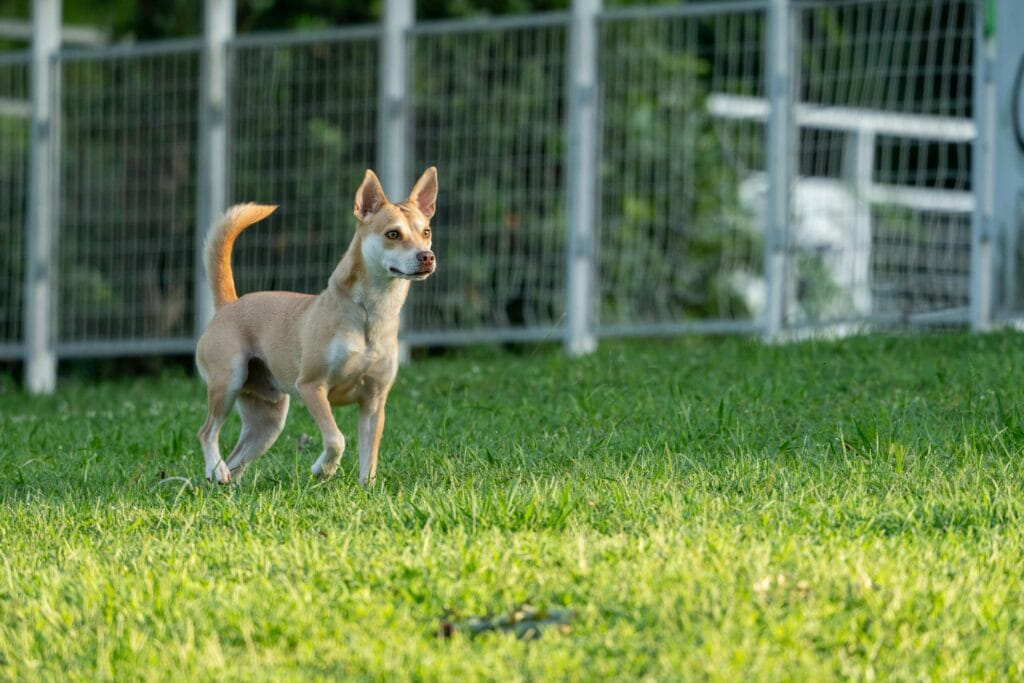
A tail held high typically indicates alertness or confidence.
Dogs may raise their tails when:
- observing something interesting
- encountering a new dog
- guarding their territory
If the tail appears stiff and upright, the dog may be tense or highly focused.
Owners should approach carefully in these situations.
Neutral Tail Position
A relaxed tail in its natural position usually indicates comfort.
Dogs displaying this posture often feel safe and calm.
The wagging motion in this case is typically slow and loose.
This often occurs during friendly interactions.
Low Tail Position
A lowered tail may signal insecurity or uncertainty.
Dogs might lower their tails when:
- meeting unfamiliar people
- exploring new environments
- hearing unexpected noises
If the tail becomes tightly tucked between the legs, the dog may be experiencing fear.
Types of Tail Wagging
Different wagging patterns can communicate different emotions.
Wide, Relaxed Wag
A wide and loose wag usually indicates friendliness and happiness.
This often occurs when dogs:
- greet their owners
- play with familiar people
- interact comfortably with other dogs
The dog’s body will typically appear relaxed as well.
Fast Wagging
Rapid wagging often signals excitement or anticipation.
Dogs may display this behavior when:
- waiting for food
- preparing for a walk
- seeing a favorite toy
Excited dogs may also bounce or move their bodies energetically.
Slow Wagging
A slow wag may suggest that the dog is assessing a situation.
This can happen when:
- meeting someone new
- exploring unfamiliar environments
Slow wagging often indicates curiosity mixed with caution.
Stiff Wagging
A rigid or stiff wag may signal tension.
Dogs displaying this behavior may feel uncertain or defensive.
When combined with stiff posture or intense staring, owners should be cautious.
Other Body Language Signals to Watch
Tail movement should always be interpreted alongside other body signals.
Important cues include:
- ear position
- eye contact
- facial expression
- body stiffness
- posture
For example:
A relaxed dog often shows:
- soft eyes
- loose posture
- relaxed ears
A stressed dog may show:
- stiff posture
- pinned-back ears
- tense facial expression
Reading the entire body helps prevent misunderstandings.
Possible Causes Behind Tail Wagging
Dogs wag their tails for many reasons.
Understanding these causes can help owners respond appropriately.
Happiness and Social Interaction
Dogs often wag their tails when greeting familiar people.
This type of wag is usually relaxed and enthusiastic.
Curiosity
Dogs exploring new environments may wag their tails while investigating.
This reflects interest and engagement.
Communication With Other Dogs
Dogs use tail signals to communicate with each other.
Tail position and movement help convey intentions during social interactions.
Nervousness or Uncertainty
Some dogs wag their tails when feeling unsure.
This behavior can occur during unfamiliar situations.
Owners should watch for additional stress signals.
Alertness
Dogs may wag their tails when observing unusual sounds or movement.
This often indicates heightened attention rather than happiness.
What Dog Owners Should Do Next
Understanding tail wagging helps owners respond more appropriately to their dogs.
When interacting with dogs, it’s important to:
- observe the entire body posture
- watch for signs of tension
- approach calmly in unfamiliar situations
Teaching children to read dog body language can also help prevent accidents.
Dogs communicate constantly through their bodies, and tail signals are only one part of the message.
Helpful Tips for Understanding Dog Communication
These habits can help owners better interpret tail wagging.
Observe the Whole Dog
Never rely on tail movement alone.
Always consider posture, facial expression, and environment.
Learn Your Dog’s Individual Signals
Every dog communicates slightly differently.
Spending time observing your dog helps you recognize their normal behavior patterns.
Provide Mental and Physical Stimulation
Dogs that receive adequate exercise and stimulation tend to display calmer, clearer communication signals.
Activities such as walks, training sessions, and interactive toys support healthy behavior.
Helpful Products That Support Dog Enrichment
This article contains affiliate links. As an Amazon Associate, we earn from qualifying purchases.
While tail wagging itself doesn’t require special equipment, enrichment tools can support balanced dog behavior.
Interactive Puzzle Toy
Puzzle toys provide mental stimulation and help prevent boredom.
Benefits include:
- encouraging problem-solving
- reducing stress-related behaviors
- keeping dogs mentally engaged
Durable Fetch Ball
A durable fetch toy encourages active play.
Benefits include:
- promoting exercise
- strengthening the bond between dog and owner
- providing healthy stimulation
Dog Training Treats
Small training treats can help reinforce positive behaviors during training sessions.
Benefits include:
- supporting positive reinforcement training
- improving focus
- rewarding calm responses
Conclusion
Understanding why dogs wag their tails and what it really means allows dog owners to better interpret their pets’ emotions and intentions. Tail wagging is a natural part of dog communication, but it does not always indicate happiness.
By paying attention to tail position, speed of movement, and overall body language, owners can gain valuable insights into how their dogs are feeling.
Learning to read these signals improves communication, strengthens the relationship between dog and owner, and helps ensure safe and positive interactions.
With practice and observation, tail wagging becomes less of a mystery and more of a helpful window into your dog’s emotional world.
FAQ
Does a wagging tail always mean a dog is happy?
No. Tail wagging can signal many emotions, including excitement, curiosity, nervousness, or alertness.
Why do dogs wag their tails when they see their owners?
Dogs often wag their tails when greeting their owners because they feel excited and happy.
Can dogs wag their tails when they are nervous?
Yes. Some dogs wag their tails when feeling uncertain or anxious.
Why do dogs wag their tails at other dogs?
Tail signals help dogs communicate intentions and emotions with other dogs.
What should I watch besides tail wagging?
Observe ear position, posture, facial expression, and body tension to better understand a dog’s emotional state.
You may also like: