Understanding Dog Body Language
Dogs communicate with humans and other animals in many ways, but they rarely rely on vocal sounds alone. Instead, they express emotions, intentions, and reactions primarily through posture, facial expressions, and movement. Understanding dog body language is one of the most valuable skills any dog owner can develop.
Because dogs cannot use words, their body signals act as a form of communication. A wagging tail, lowered ears, or stiff posture can each send a different message about how a dog is feeling.
Learning how to read these signals helps dog owners respond appropriately and prevent misunderstandings that could lead to stress or behavioral problems.
In this guide, we’ll explain:
- the most important elements of dog body language
- common signals dogs use to communicate emotions
- possible reasons behind certain behaviors
- what dog owners should do when observing body language signals
- simple ways to improve communication with dogs
Understanding these signals helps strengthen the bond between dogs and their owners while creating safer interactions.
Disclosure: As Amazon Associates, we earn from qualifying purchases at no extra cost to you.

Understanding Dog Body Language
To truly succeed at understanding dog body language, owners must observe the dog’s entire body rather than focusing on just one signal.
Dogs communicate through a combination of:
- tail position
- ear movement
- eye contact
- facial expression
- body posture
- movement patterns
Each signal adds context to the dog’s emotional state.
For example, a wagging tail may indicate happiness, but if the dog’s body is stiff and ears are back, the wag might signal tension instead.
Learning to read these signals together provides a clearer picture of what a dog is trying to communicate.
Key Body Language Signals in Dogs
Dogs rely on several physical cues to communicate with humans and other animals.
Tail Position and Movement
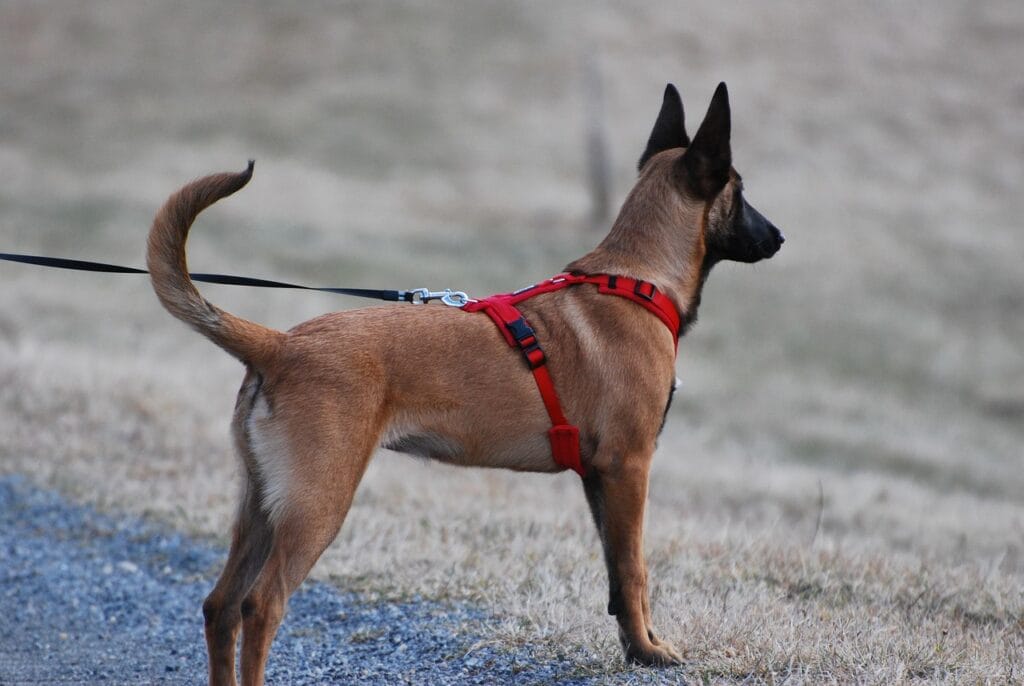
A dog’s tail can reveal a great deal about emotional state.
Common tail signals include:
Relaxed wagging
Usually indicates friendliness and comfort.
High and stiff tail
Often signals alertness or heightened attention.
Low tail position
May indicate insecurity or uncertainty.
Tail tucked between legs
Often suggests fear or stress.
It’s important to consider the speed and stiffness of the wag along with tail position.
Ear Position
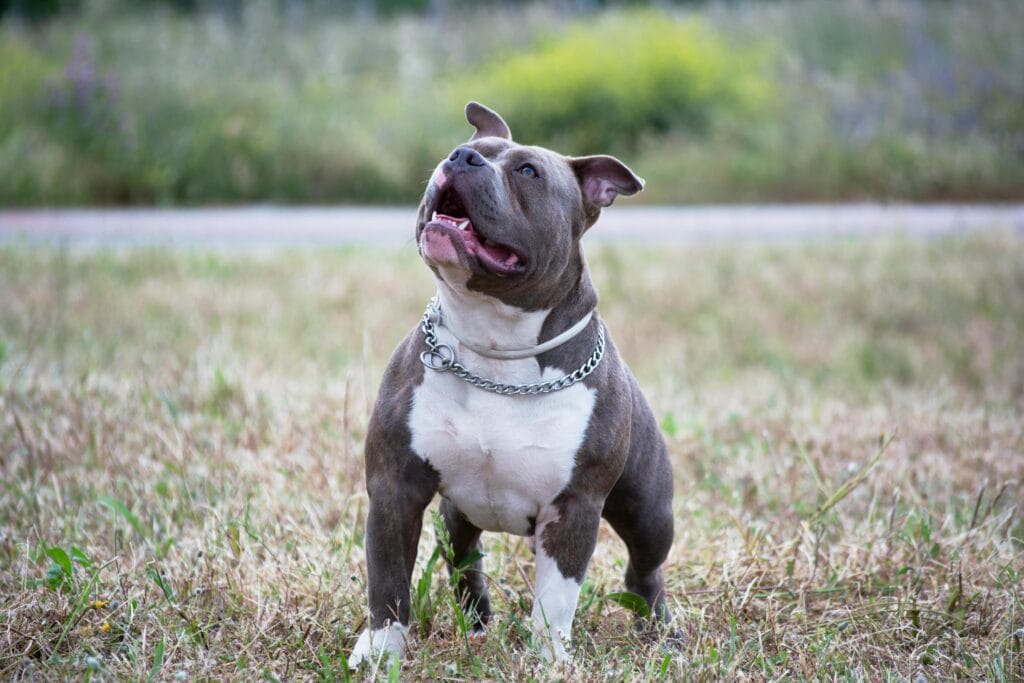
A dog’s ears move frequently and can communicate different emotions.
Examples include:
Ears forward
The dog is alert and paying attention.
Relaxed ears
The dog is calm and comfortable.
Ears pulled back
May signal fear, submission, or anxiety.
Because ear shapes vary by breed, it’s important to observe your dog’s normal ear posture.
Eye Contact and Facial Expression
A dog’s eyes also reveal important emotional cues.
Common eye signals include:
Soft, relaxed eyes
Indicate comfort and trust.
Wide eyes or “whale eye”
The whites of the eyes become visible, often indicating stress.
Avoiding eye contact
Dogs may look away to signal discomfort or attempt to calm a situation.
Facial muscles may also tighten or relax depending on the dog’s emotional state.

Body Posture
A dog’s overall posture is one of the clearest indicators of mood.
Examples include:
Relaxed posture
Loose body, balanced stance, comfortable movement.
Play bow
Front legs lowered and rear raised, inviting play.
Stiff posture
Often signals tension or uncertainty.
Crouched body
May indicate fear or submission.
Reading posture together with tail and ear position gives a clearer picture of the dog’s feelings.
Calming Signals Dogs Use
Dogs often use subtle signals to prevent conflict or reduce tension.
These behaviors are sometimes called calming signals.
Common calming signals include:
- lip licking
- yawning
- turning the head away
- sniffing the ground
- slow blinking
These signals are often misunderstood, but they are a dog’s way of communicating discomfort or asking for space.
Recognizing these behaviors can help prevent stressful interactions.
Possible Causes Behind Body Language Changes
Changes in body language often occur in response to specific situations.
Understanding the cause helps interpret the signal correctly.
Environmental Changes
New environments or unfamiliar surroundings can affect body language.
Dogs may appear more cautious when encountering new situations.
Social Interaction
Dogs often adjust body signals when interacting with other dogs or humans.
These signals help establish boundaries and intentions.
Stress or Anxiety
Stressful situations such as loud noises or crowded areas can alter body posture and facial expressions.
Dogs may display calming signals when feeling overwhelmed.
Excitement or Playfulness
Positive emotions also affect body language.
Excited dogs may wag their tails vigorously, bounce, or display play bows.
What Dog Owners Should Do Next
When observing dog body language, owners should focus on the overall context.
Consider:
- the environment
- recent events
- the dog’s previous experiences
If a dog appears stressed or uncomfortable, it is best to give the dog space and allow them to relax.
Avoid forcing interaction when a dog shows signs of anxiety.
Respecting a dog’s signals helps build trust and prevents conflict.
Helpful Tips for Improving Communication With Dogs
Understanding body language becomes easier with practice.
Spend Time Observing Your Dog
Every dog communicates slightly differently.
Watching your dog’s natural behavior helps you recognize their unique signals.
Teach Children to Recognize Signals
Children should learn basic dog body language to avoid accidental stress or misunderstandings.
Encourage Positive Experiences
Positive interactions help dogs feel confident and relaxed.
Calm environments and gentle training support healthy communication.
Provide Mental Stimulation
Dogs that receive regular mental stimulation often display more balanced behavior.
Training exercises, games, and puzzle toys can improve emotional stability.
Helpful Products for Dog Training and Enrichment
This article contains affiliate links. As an Amazon Associate, we earn from qualifying purchases.
While understanding body language does not require equipment, certain products can support communication and training.
Dog Training Clicker
A training clicker helps reinforce positive behaviors during training.
Benefits include:
- clear communication between dog and owner
- faster learning
- improved training consistency
Puzzle Toys for Dogs
Puzzle toys encourage mental stimulation and reduce boredom.
Benefits include:
- improving focus
- reducing anxiety-related behaviors
- providing healthy mental challenges
Comfortable Dog Bed
A high-quality dog bed provides a safe resting space where dogs can relax.
Benefits include:
- supporting comfort and relaxation
- reducing stress
- improving sleep quality

Conclusion
Learning understanding dog body language is one of the most important skills for dog owners. Because dogs communicate primarily through physical signals, recognizing these cues helps owners respond to their pets with greater awareness and empathy.
By observing tail movement, ear position, facial expression, and body posture together, owners can better interpret their dog’s emotional state.
Understanding these signals helps prevent misunderstandings, reduce stress, and strengthen the relationship between dogs and their human companions.
With patience and observation, dog owners can learn to recognize the subtle language dogs use every day.
FAQ
Why is understanding dog body language important?
It helps owners interpret their dog’s emotions and prevent misunderstandings or stressful interactions.
What does a wagging tail mean?
A wagging tail can signal happiness, excitement, or alertness depending on posture and context.
What are calming signals in dogs?
Calming signals are behaviors dogs use to reduce tension, such as yawning, lip licking, or turning away.
How can I tell if my dog is uncomfortable?
Signs may include stiff posture, tucked tail, flattened ears, or avoiding eye contact.
Can training improve communication with dogs?
Yes. Positive reinforcement training helps strengthen communication and trust between dogs and owners.
You may also like: