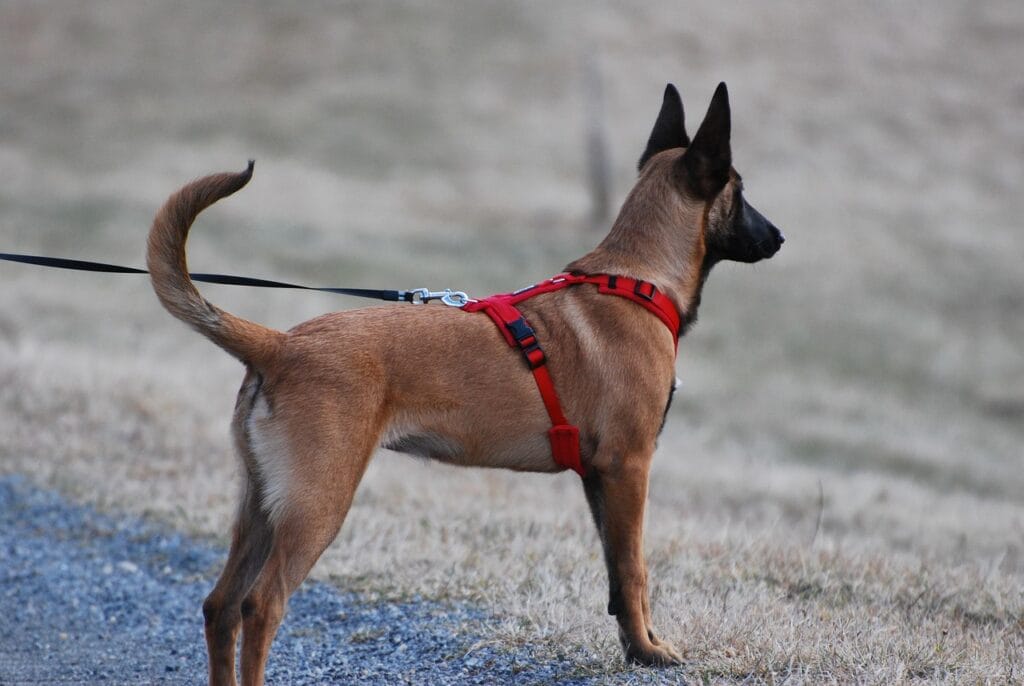
Signs of Stress in Dogs Every Owner Should Know
Dogs experience emotions just like humans do. They can feel excitement, happiness, curiosity—and sometimes stress. Recognizing the signs of stress in dogs every owner should know is essential for maintaining your dog’s physical and emotional well-being.
When dogs feel stressed, they often communicate their discomfort through body language or behavioral changes. These signals may be subtle at first, but they can become more obvious if the stressful situation continues.
Understanding these signs allows owners to respond appropriately and help their dogs feel safe again.
In this guide, we’ll explore:
- the most common signs of stress in dogs
- how dogs communicate anxiety through body language
- common causes of stress
- what dog owners should do when stress appears
- practical ways to prevent or reduce stress
Learning to recognize these signals helps strengthen the bond between dogs and their owners while promoting a calmer and healthier environment.
Disclosure: As Amazon Associates, we earn from qualifying purchases at no extra cost to you.

Signs of Stress in Dogs Every Owner Should Know
To understand signs of stress in dogs every owner should know, it helps to recognize that dogs rely heavily on body language to express their emotions.
Stress can appear in many ways depending on the dog and the situation. Some dogs display subtle signals, while others show more obvious behavioral changes.
Common signs of stress include:
- excessive panting
- pacing
- trembling
- lip licking
- yawning
- hiding
- barking or whining
Observing these signals early helps prevent stress from escalating into anxiety or behavioral problems.
Common Behavioral Signs of Stress
Dogs may display behavioral changes when they feel overwhelmed or uncomfortable.
Excessive Panting
Panting is normal during exercise or warm weather. However, panting without physical activity can sometimes indicate stress.
Dogs may pant when:
- feeling anxious
- experiencing fear
- encountering unfamiliar situations
Owners should consider the context when evaluating this behavior.
Pacing or Restlessness
Dogs that feel stressed may have difficulty relaxing.
They may:
- pace around the room
- move back and forth repeatedly
- struggle to settle down
This behavior often occurs when dogs are uncertain about their surroundings.
Lip Licking and Yawning
Dogs sometimes lick their lips or yawn when feeling uncomfortable.
These behaviors are known as calming signals, which dogs use to diffuse tension.
Although yawning can also indicate tiredness, frequent yawning in stressful situations may signal anxiety.

Trembling or Shaking
Some dogs physically shake when they feel stressed or frightened.
This may occur during:
- thunderstorms
- fireworks
- veterinary visits
Trembling may also appear when dogs encounter unfamiliar environments.
Avoidance or Hiding
Dogs sometimes withdraw when they feel overwhelmed.
Signs may include:
- hiding under furniture
- avoiding eye contact
- retreating to quiet areas
This behavior often indicates the dog is trying to escape a stressful situation.
Physical Signs of Stress
Stress can also affect a dog’s physical condition.
These signs may accompany behavioral symptoms.
Dilated Pupils
A stressed dog may show wide or dilated pupils.
This occurs when the dog’s body enters a heightened state of alertness.
Flattened Ears
Dogs may pull their ears back against their head when feeling anxious.
Ear position is an important part of canine body language.
Tense Body Posture
A stressed dog may appear stiff or rigid.
The body may seem tense rather than relaxed.
Observing posture can provide important clues about emotional state.

Possible Causes of Stress in Dogs
Dogs may experience stress for many different reasons.
Understanding these triggers helps owners address the underlying problem.
Loud Noises
Many dogs are sensitive to sudden or loud sounds.
Common triggers include:
- thunderstorms
- fireworks
- construction noise
These noises may trigger fear responses in dogs.
Changes in Routine
Dogs thrive on predictable routines.
Stress may occur when routines change unexpectedly.
Examples include:
- moving to a new home
- changes in feeding schedule
- new household members
Separation Anxiety
Some dogs experience stress when separated from their owners.
Signs of separation anxiety include:
- whining or barking
- destructive behavior
- pacing near doors
Dogs with strong attachment to their owners may struggle when left alone.
New Environments
Travel, unfamiliar locations, or crowded places can create stress for some dogs.
Dogs may need time to adjust to new surroundings.
What Dog Owners Should Do Next
When a dog shows signs of stress, the first step is identifying the source of the stress.
Observe:
- what happened just before the behavior started
- how the dog reacts in different environments
- whether the behavior repeats in similar situations
Once the trigger is identified, owners can take steps to reduce exposure to that stressor or gradually help the dog adapt.
In some cases, professional guidance from a veterinarian or trainer may be helpful.
Helpful Tips for Reducing Stress in Dogs
Preventing stress often involves creating a stable and supportive environment.
Maintain Consistent Routines
Regular feeding, exercise, and sleep schedules help dogs feel secure.
Predictability reduces anxiety.
Provide Mental Stimulation
Mental activities help prevent boredom and restlessness.
Examples include:
- training exercises
- puzzle toys
- scent games
Mental stimulation can reduce stress-related behaviors.
Offer Safe Spaces
Dogs benefit from having a quiet space where they can relax.
This may include:
- a comfortable dog bed
- a crate or designated resting area
- a calm room away from noise
Safe spaces allow dogs to decompress.
Encourage Positive Experiences
Gradual exposure to new environments can help dogs build confidence.
Positive reinforcement training helps dogs feel more secure during unfamiliar situations.
Helpful Products That May Reduce Stress
This article contains affiliate links. As an Amazon Associate, we earn from qualifying purchases.
Certain products can support calm behavior and comfort for stressed dogs.
Calming Dog Bed
Calming beds provide soft support and create a sense of security.
Benefits include:
- promoting relaxation
- reducing anxiety
- encouraging restful sleep
Dog Puzzle Toy
Puzzle toys provide mental stimulation and distraction.
Benefits include:
- reducing boredom
- encouraging problem-solving
- helping redirect anxious behavior
Anxiety Wrap for Dogs
Some dogs feel calmer when gentle pressure is applied to their body.
An anxiety wrap can provide this effect.
Benefits include:
- reducing noise-related anxiety
- providing comfort during stressful events
- supporting relaxation

Conclusion
Recognizing the signs of stress in dogs every owner should know is an important part of responsible pet care. Dogs communicate their emotions through body language, and stress signals often appear before more serious behavioral issues develop.
By learning to identify these signs early, dog owners can respond quickly and help their pets feel safe and supported.
Providing consistent routines, mental stimulation, safe resting spaces, and positive experiences helps create an environment where dogs feel secure and relaxed.
When owners understand their dog’s emotional signals, they can build stronger relationships and ensure their pets live happy and comfortable lives.
FAQ
How can I tell if my dog is stressed?
Common signs include panting, pacing, lip licking, trembling, and avoidance behaviors.
What causes stress in dogs?
Stress can be triggered by loud noises, changes in routine, separation anxiety, or unfamiliar environments.
Can stress cause behavioral problems in dogs?
Yes. Long-term stress may contribute to destructive behavior, excessive barking, or aggression.
How can I help calm a stressed dog?
Providing a quiet space, regular exercise, and mental stimulation can help reduce stress.
When should I consult a veterinarian about stress?
If stress behaviors become severe, persistent, or affect your dog’s health, veterinary guidance is recommended.
You may also like: