How to Treat Minor Dog Cuts at Home
Dogs are naturally curious and active, which means small injuries sometimes happen. Scratches from rough play, minor cuts from sharp objects, or small wounds from outdoor adventures are fairly common. Knowing how to treat minor dog cuts at home can help you quickly care for your dog and prevent infections.
While serious injuries always require veterinary attention, many small cuts can be treated safely at home with basic first aid. The key is cleaning the wound properly, protecting it during healing, and monitoring for signs of infection.
In this guide, you’ll learn:
- how to treat minor dog cuts at home step by step
- how to clean and protect small wounds
- signs that a cut may require veterinary care
- practical tips for preventing infection
- helpful products that support basic dog first aid
With the right approach, minor injuries can heal quickly while keeping your dog comfortable.
Disclosure: As Amazon Associates, we earn from qualifying purchases at no extra cost to you.
When a Dog Cut Can Be Treated at Home
Before learning how to treat minor dog cuts at home, it’s important to determine whether the injury is truly minor.
Small cuts that can often be treated at home include:
- shallow scratches
- small surface wounds
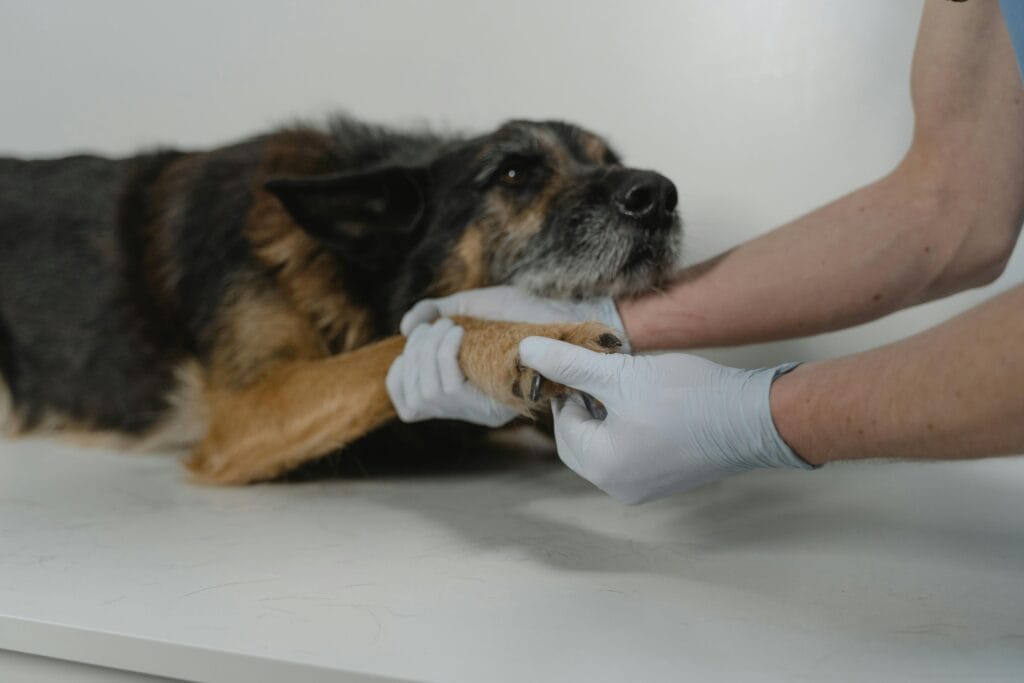
- minor paw cuts
- light abrasions
However, some injuries require immediate veterinary care.
Seek professional help if the wound:
- bleeds heavily
- is deep or large
- exposes muscle or bone
- does not stop bleeding
- appears infected
If you’re ever unsure about the severity of a wound, contacting a veterinarian is always the safest option.
Why Proper Wound Care Matters
Even small wounds can become infected if not cleaned properly.
Dogs often lick their injuries, which may introduce bacteria.
Proper care helps:
- prevent infection
- speed up healing
- reduce pain or irritation
- avoid complications
Basic first aid knowledge allows you to respond quickly when minor injuries occur.
How to Treat Minor Dog Cuts at Home (Step-by-Step Guide)
Learning how to treat minor dog cuts at home involves cleaning the wound carefully and protecting it while it heals.
Step 1: Stay Calm and Comfort Your Dog
Dogs can sense anxiety, so staying calm helps keep them relaxed.
Before treating the cut:
- speak gently to your dog
- keep them in a quiet area
- offer reassurance
A calm environment makes wound care easier and safer.
Step 2: Stop the Bleeding
If the cut is bleeding slightly, apply gentle pressure using clean gauze or a cloth.
Hold pressure on the wound for a few minutes.
Most minor cuts stop bleeding quickly.
If bleeding continues for more than several minutes, veterinary care may be necessary.
Step 3: Clean the Wound
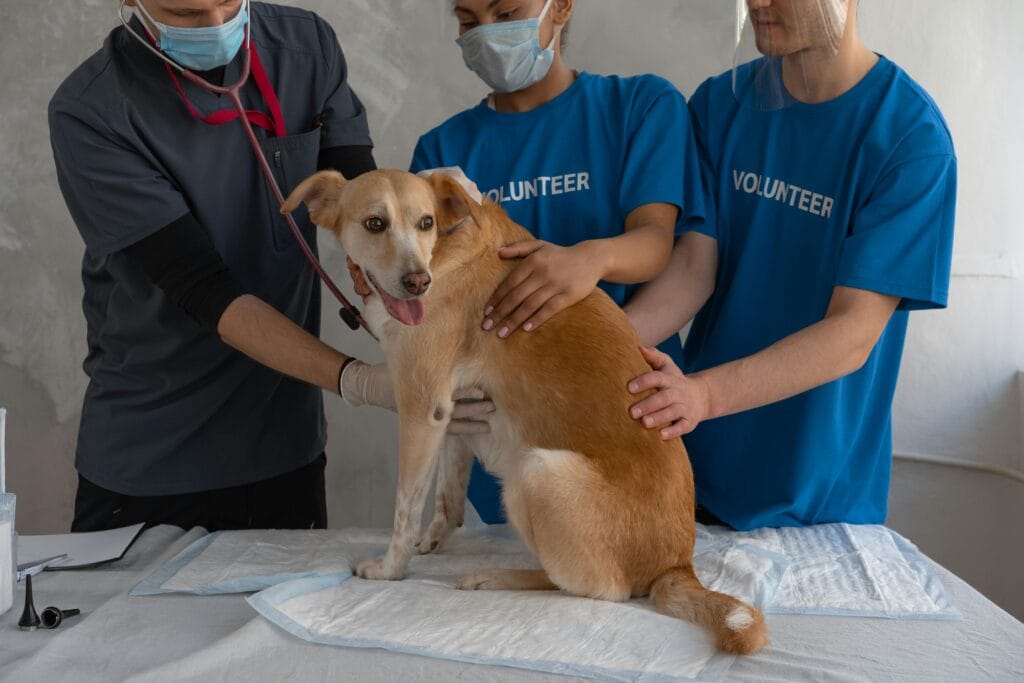
Cleaning is one of the most important steps when learning how to treat minor dog cuts at home.
Use:
- lukewarm water
- saline solution
- pet-safe antiseptic solution
Gently rinse the wound to remove dirt or debris.
Avoid using hydrogen peroxide or alcohol, which can damage tissue and slow healing.
Step 4: Apply a Pet-Safe Antiseptic
After cleaning the wound, apply a small amount of antiseptic solution designed for pets.
This helps:
- kill bacteria
- prevent infection
- support healing
Always follow the instructions on the antiseptic product.
Step 5: Protect the Wound
If the cut is located in an area prone to licking or rubbing, protecting it may be necessary.
Options include:
- light bandaging
- protective dog booties (for paw injuries)
- monitoring to prevent licking
Keeping the wound clean and dry is essential for healing.
Step 6: Monitor the Healing Process
Check the wound daily to ensure it is healing properly.
Healthy healing signs include:
- reduced redness
- minimal swelling
- gradual closure of the wound
Signs of infection may include:
- swelling
- pus or discharge
- strong odor
- increased redness
If these symptoms appear, contact a veterinarian.
Helpful Products for Dog First Aid
This article contains affiliate links. As an Amazon Associate, we earn from qualifying purchases.
Having a few basic supplies can make treating minor injuries much easier.
Dog First Aid Kit
A dog first aid kit typically includes:
- gauze
- antiseptic wipes
- bandages
- wound cleaning solutions
Keeping a kit at home ensures you’re prepared for small injuries.
Pet-Safe Antiseptic Spray
A pet antiseptic spray helps disinfect small wounds safely.
Benefits include:
- preventing infection
- easy application
- safe use on dog skin
Always choose products specifically formulated for pets.
Protective Dog Booties
For paw injuries, protective dog booties can prevent dirt and debris from entering the wound.
Benefits include:
- protecting healing cuts
- keeping paws clean outdoors
- reducing licking or irritation
Comfortable Orthopedic Dog Bed
A comfortable dog bed helps your dog rest during recovery.
Benefits include:
- reducing pressure on injured areas
- encouraging rest
- supporting healing

Practical Tips for Preventing Minor Injuries
These simple habits can help reduce the risk of small cuts and scratches.
Check Your Dog After Outdoor Activities
After hikes or walks, quickly inspect your dog’s paws and coat for injuries.
Early detection helps prevent complications.
Keep Your Yard Safe
Remove sharp objects such as:
- broken glass
- sharp sticks
- metal debris
Safe environments reduce injury risks.
Trim Excess Paw Fur
Long fur between paw pads can trap debris that may cause cuts.
Regular grooming helps keep paws clean and protected.
Maintain Healthy Skin
Healthy skin is more resistant to injury and infection.
Proper nutrition and grooming support skin health.
Common Mistakes When Treating Dog Cuts
Avoiding these mistakes helps ensure proper healing.
Using Human Antiseptics
Products like hydrogen peroxide or alcohol can damage tissue.
Always use pet-safe antiseptics.
Ignoring Persistent Bleeding
Bleeding that does not stop may indicate a deeper injury.
Veterinary care may be required.
Allowing Excessive Licking
Dogs often lick wounds, which may introduce bacteria.
Prevent licking when possible.
Delaying Treatment
Even small cuts should be cleaned promptly to prevent infection.
Conclusion
Learning how to treat minor dog cuts at home is a valuable skill for every dog owner. Small injuries are common in active dogs, but proper cleaning and care can help them heal quickly and safely.
By stopping bleeding, cleaning the wound carefully, applying pet-safe antiseptics, and monitoring the healing process, you can manage many minor cuts effectively.
However, always watch for signs of infection or worsening symptoms, and consult a veterinarian if necessary.
With the right care and attention, your dog can recover comfortably and return to their normal activities in no time.
FAQ
Can I treat small dog cuts at home?
Yes. Minor cuts and scratches can often be treated at home with proper cleaning and care.
What should I use to clean a dog wound?
Use clean water, saline solution, or pet-safe antiseptic products.
Should I bandage a dog’s cut?
Bandaging may help protect wounds in areas prone to dirt or licking.
How long do minor dog cuts take to heal?
Most minor cuts heal within a few days to a week depending on their location.
When should I see a vet for a dog cut?
Seek veterinary care if the wound is deep, heavily bleeding, or shows signs of infection.
You may also like: