How to Train a Dog to Stay
Teaching your dog basic commands is an essential part of responsible pet ownership. One of the most useful skills you can teach is the “stay” command. If you’re wondering how to train a dog to stay, you’re focusing on a behavior that improves safety, control, and overall obedience.
The stay command teaches your dog to remain in one position until you release them. This skill is helpful in many everyday situations such as opening the door, greeting guests, crossing streets, or preparing food.
Many dogs struggle with impulse control at first, but with consistent practice and positive reinforcement, most dogs can learn to stay calmly in position. In this guide, you’ll learn simple step-by-step methods to teach the stay command, along with practical tips and tools that make training easier.
Disclosure: As Amazon Associates, we earn from qualifying purchases at no extra cost to you.
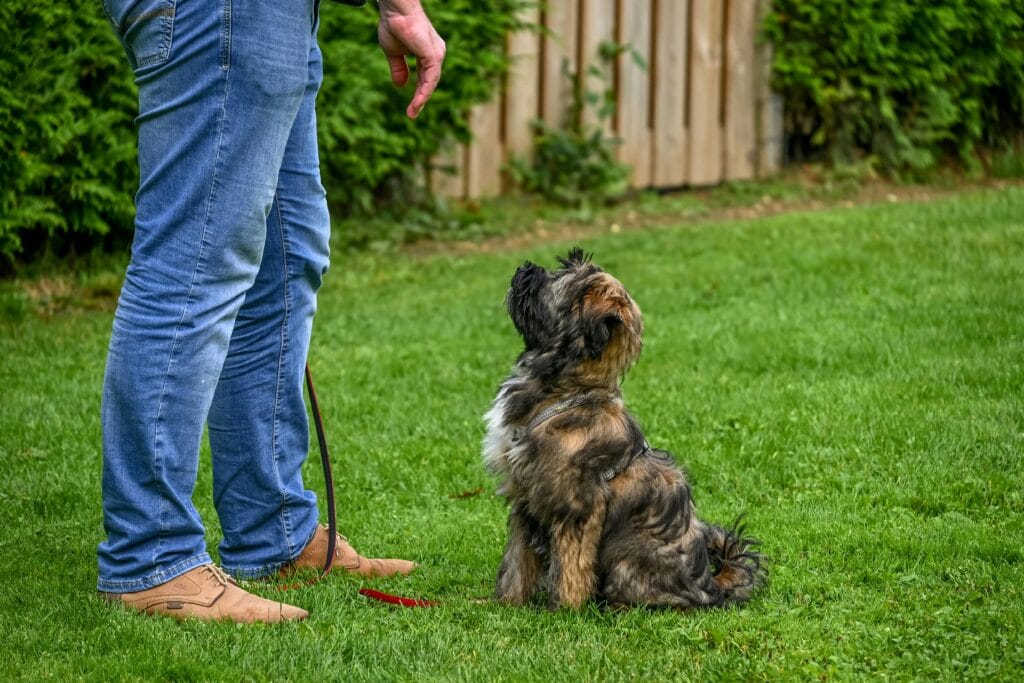
Why Teaching the Stay Command Matters
Before learning how to train a dog to stay, it helps to understand why this command is so valuable.
The stay command helps with:
- improving impulse control
- preventing jumping on guests
- increasing safety in busy environments
- building focus and obedience
- strengthening communication between you and your dog
Dogs that understand the stay command are generally easier to manage in daily life.
How to Train a Dog to Stay: Step-by-Step Guide
Training the stay command works best when broken into small steps. Dogs need time to understand both the position and the duration.
Step 1: Start With the Sit Command
Before teaching “stay,” your dog should already understand a basic command such as sit or down.
Ask your dog to sit first. Once they are in position, stand directly in front of them.
This creates the starting point for teaching the stay behavior.
Step 2: Introduce the Stay Command
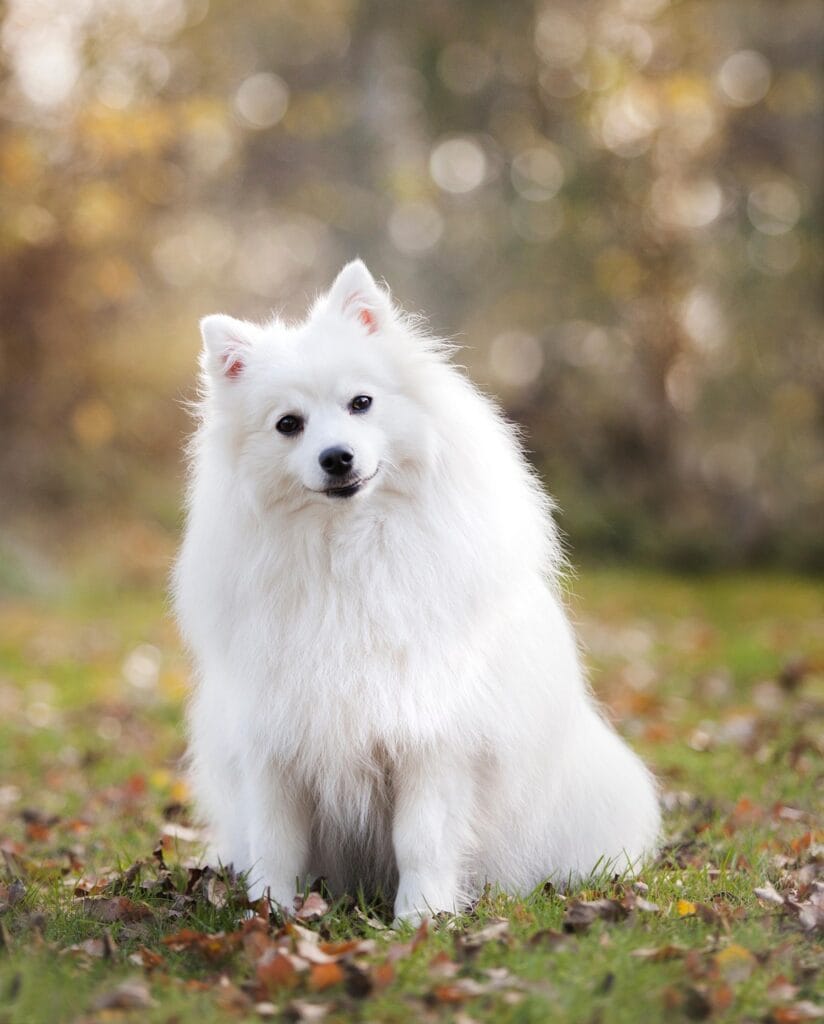
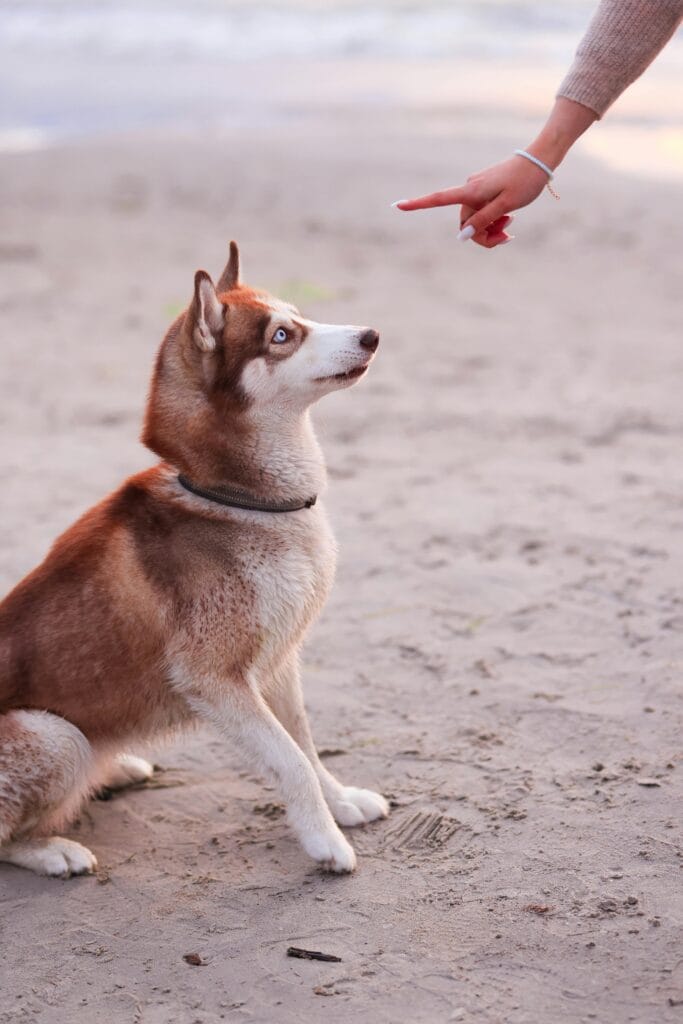
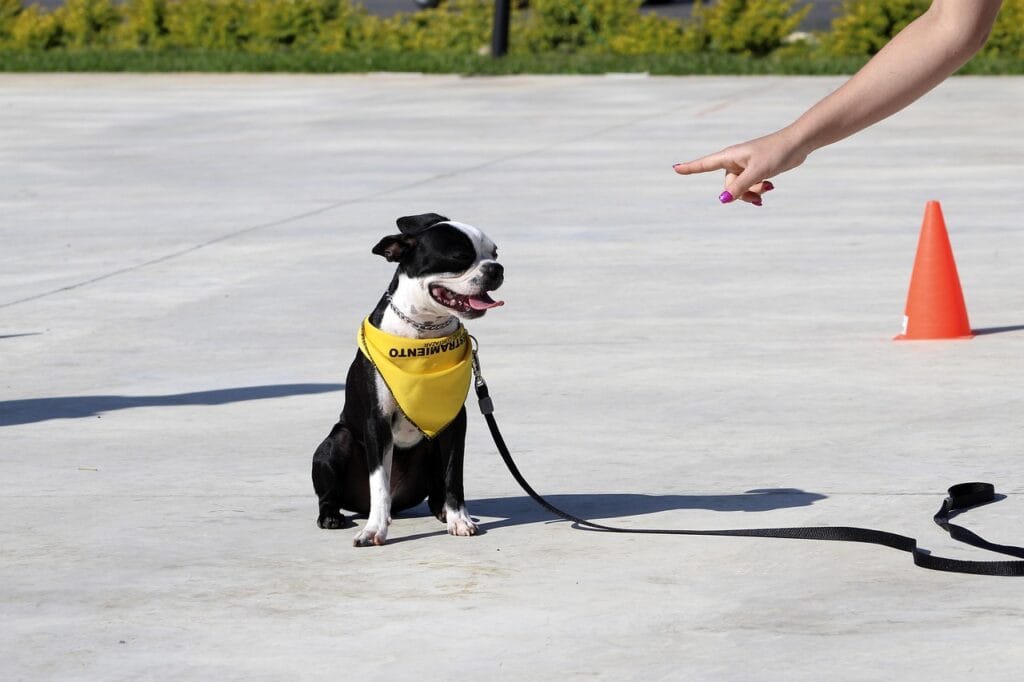
Once your dog is sitting, raise your hand in front of them like a stop signal and say:
Stay
Take one small step backward.
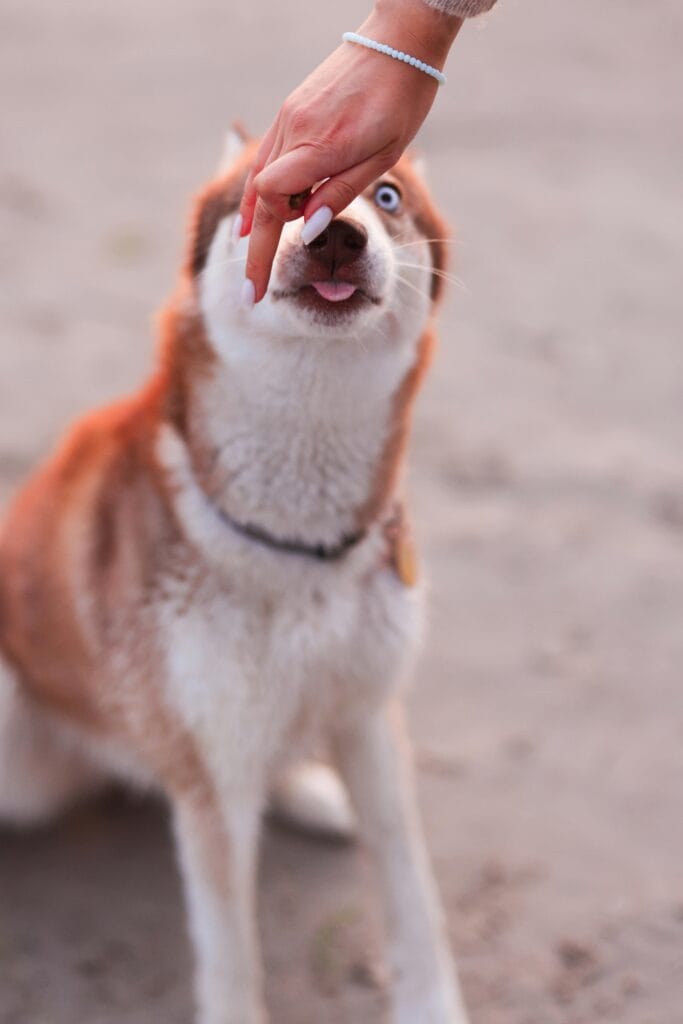
If your dog remains sitting, immediately return and reward them.
Praise and treats help your dog understand that remaining still is the correct behavior.
Step 3: Increase Distance Gradually
After your dog successfully stays for one step, gradually increase the distance.
Practice steps such as:
- Take two steps back
- Wait a few seconds
- Return and reward
Slowly increase both distance and time.
The goal is to build confidence in small increments.
Step 4: Introduce a Release Word
Dogs should learn that the stay command lasts until you release them.
Common release words include:
Okay
Free
Release
Once you return to your dog and reward them, say the release word and allow them to move.
This helps your dog understand when the command ends.
Step 5: Practice With Distractions
Once your dog understands the stay command indoors, gradually add distractions.
Examples include:
- moving around the room
- tossing a toy nearby
- having another person walk past
Reward your dog whenever they successfully remain in position.
Helpful Training Tools
This article contains affiliate links. As an Amazon Associate, we earn from qualifying purchases.
Certain tools can make obedience training easier and improve consistency.
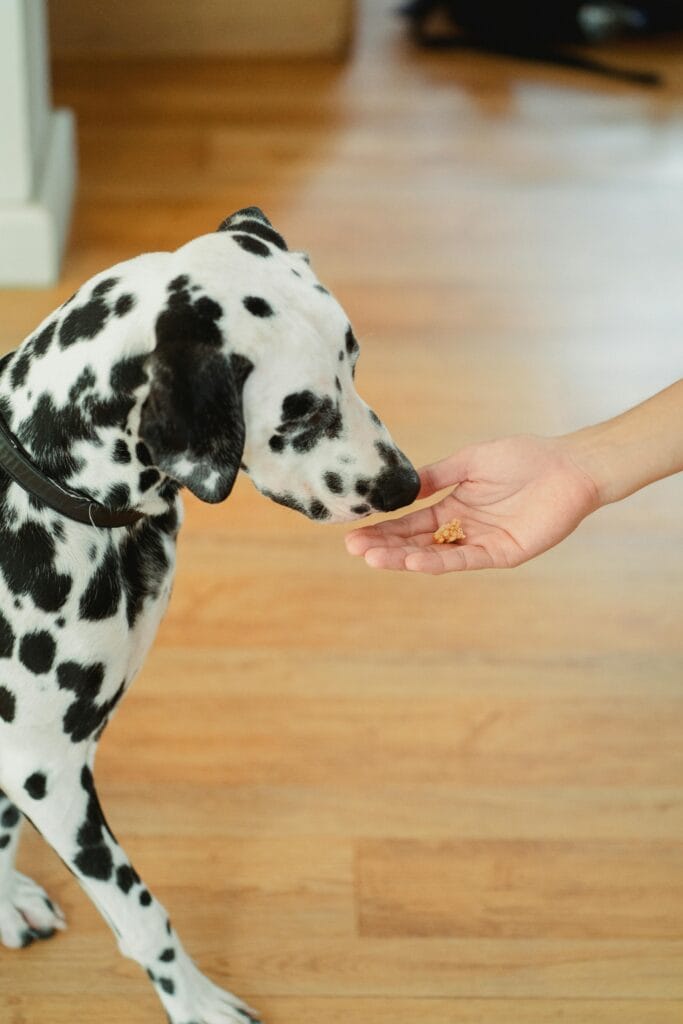
Training Treats
Small treats help reward your dog quickly during training sessions.
Example product:
Pupford Freeze Dried Training Treats
These treats are commonly used in dog training because they are small, soft, and easy to give repeatedly.
Dog Training Clicker
Clicker training helps mark the exact moment your dog performs the correct behavior.
Example product:
Karen Pryor Dog Training Clicker
The click sound clearly signals that your dog did something right.
Practical Tips for Teaching the Stay Command
These simple tips can make the training process smoother.
Keep Training Sessions Short
Dogs learn best with short, focused training sessions.
Try practicing:
5–10 minutes
2–3 times per day
Be Consistent With Commands
Use the same word and hand signal every time.
Consistency helps dogs understand commands faster.
Reward Calm Behavior
Always reward your dog when they remain in the correct position.
Positive reinforcement builds stronger habits.
Gradually Increase Difficulty
Start with easy tasks before introducing distractions or longer durations.
Common Mistakes When Teaching Stay
Many dog owners accidentally make training harder with a few common mistakes.
Moving Too Far Too Quickly
Increasing distance too quickly can confuse your dog.
Build progress gradually.
Repeating the Command Too Often
Saying:
stay stay stay stay
can reduce the effectiveness of the command.
Instead, say it once clearly.
Forgetting the Release Command
Dogs need to know when they are allowed to move.
Always use a consistent release word.
Training in Distracting Environments Too Early
Start in a calm environment before practicing outdoors.
Conclusion
Learning how to train a dog to stay is one of the most valuable obedience skills you can teach your dog. The stay command helps improve safety, strengthen communication, and build your dog’s self-control.
With patience, short training sessions, and consistent positive reinforcement, most dogs can learn to stay reliably. Begin with simple steps, gradually increase the difficulty, and always reward success.
Over time, the stay command will become a dependable part of your dog’s training and make everyday situations much easier to manage.
FAQ
At what age can dogs learn the stay command?
Most puppies can begin learning the stay command around 8–10 weeks old, although training should be simple and short.
How long should a dog stay during training?
Start with just a few seconds and gradually increase the duration as your dog improves.
Should I train stay with treats?
Yes. Treats are helpful during early training stages because they reward correct behavior.
Can older dogs learn the stay command?
Absolutely. Dogs of any age can learn new commands with consistent training.
Why does my dog break the stay command?
Dogs may break the command if training progressed too quickly or if distractions are too strong.
You may also like: