How to Tell if Your Dog Is Sick
Dogs can’t tell us when something feels wrong, which is why recognizing health problems early is one of the most important skills a dog owner can develop. If you’re wondering how to tell if your dog is sick, paying attention to small changes in behavior, appetite, and energy can make a big difference.
Dogs often hide discomfort or illness, so symptoms may appear subtle at first. However, noticing early warning signs can help you seek veterinary care before a problem becomes serious.
The good news is that most dog illnesses show small clues if you know what to watch for.
In this guide, you’ll learn:
- how to tell if your dog is sick
- early warning signs of illness
- physical symptoms that require attention
- simple checks you can do at home
- common mistakes dog owners make when evaluating health
Understanding these signs can help you protect your dog’s health and respond quickly when something seems wrong.
Disclosure: As Amazon Associates, we earn from qualifying purchases at no extra cost to you.

Why It’s Important to Recognize Illness Early
Before learning how to tell if your dog is sick, it’s important to understand why early detection matters.
Dogs are instinctively good at hiding pain. In the wild, showing weakness could make animals vulnerable, so many dogs naturally mask symptoms.
Because of this, health problems may not become obvious until they progress.
Early detection helps:
- prevent complications
- reduce treatment costs
- improve recovery outcomes
- keep your dog comfortable
Even small behavior changes can signal the early stages of illness.
Common Signs Your Dog May Be Sick
Recognizing symptoms is the first step in learning how to tell if your dog is sick.
Some signs appear physically, while others involve changes in behavior.
Common warning signs include:
- loss of appetite
- unusual fatigue
- vomiting or diarrhea
- coughing or sneezing
- excessive scratching
- sudden behavior changes
While one mild symptom may not always indicate illness, multiple symptoms often suggest a health problem that requires attention.
How to Tell if Your Dog Is Sick (Step-by-Step Guide)
Learning how to tell if your dog is sick involves observing your dog carefully and checking a few basic health indicators.
Step 1: Monitor Changes in Behavior
Behavior changes are often the first sign of illness.
Watch for behaviors such as:
- unusual lethargy
- hiding or withdrawing
- irritability
- restlessness
Dogs that suddenly behave differently from their normal personality may be experiencing discomfort.

Step 2: Check Your Dog’s Appetite
A healthy dog typically has a consistent appetite.
Warning signs include:
- refusing food
- eating significantly less
- difficulty chewing
Occasionally skipping a meal may not be serious, but appetite loss lasting more than 24 hours should be monitored.
Step 3: Watch for Digestive Problems
Digestive symptoms are common indicators of illness.
Look for:
- vomiting
- diarrhea
- constipation
- excessive gas
Occasional mild digestive upset may occur, but persistent symptoms require veterinary attention.
Step 4: Examine Your Dog’s Energy Level
Healthy dogs typically have consistent energy patterns.
Signs of illness may include:
- extreme fatigue
- reduced interest in play
- reluctance to walk or exercise
Sudden drops in energy can signal pain, infection, or other health problems.
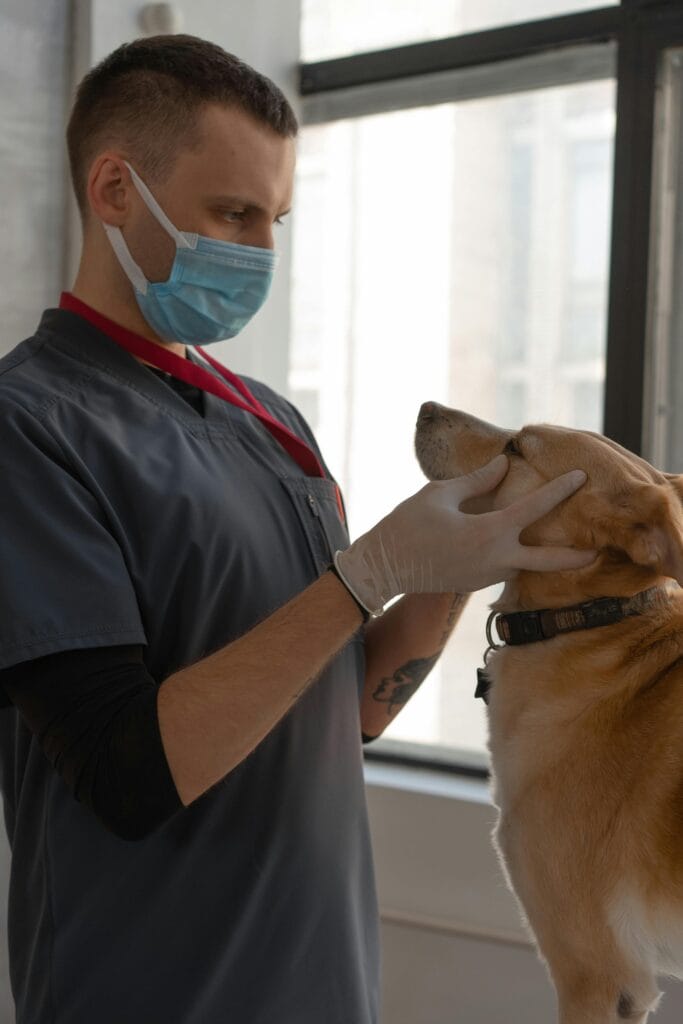
Step 5: Inspect Eyes, Nose, and Ears
Changes in appearance may also indicate illness.
Check for:
- eye redness or discharge
- unusual nasal discharge
- strong ear odor
- ear scratching
Healthy eyes should appear clear and bright.
Step 6: Check for Changes in Breathing
Breathing patterns can reveal important health clues.
Watch for:
- rapid breathing
- coughing
- wheezing
- difficulty breathing
Breathing problems should always be evaluated quickly by a veterinarian.
Step 7: Feel for Unusual Lumps or Swelling
During regular petting, gently feel your dog’s body for:
- unusual lumps
- swelling
- sensitive areas
While not all lumps are dangerous, new growths should be examined by a vet.
Helpful Products That Support Dog Health Monitoring
This article contains affiliate links. As an Amazon Associate, we earn from qualifying purchases.
While monitoring your dog’s health mainly requires observation, a few simple tools can help.
Dog Health Thermometer
A digital pet thermometer helps measure your dog’s temperature.
Benefits include:
- detecting fever early
- monitoring illness symptoms
- providing useful information for veterinarians
Normal dog body temperature typically ranges between 101°F and 102.5°F (38.3°C – 39.2°C).
Comfortable Orthopedic Dog Bed
A supportive orthopedic dog bed can help dogs rest comfortably when they feel unwell.
Benefits include:
- joint support
- improved sleep
- reduced discomfort
A comfortable resting space helps dogs recover from illness or fatigue.
Dog Grooming Brush
Regular brushing helps monitor skin health.
Benefits include:
- detecting parasites
- identifying lumps or irritations
- monitoring coat condition
Routine grooming allows you to notice health changes early.

Practical Tips for Monitoring Your Dog’s Health
These habits can help you recognize illness early.
Observe Your Dog Daily
Spend time watching your dog’s behavior each day.
This helps you recognize what is normal for your dog and quickly spot changes.
Maintain Regular Vet Checkups
Annual veterinary visits help detect hidden health issues.
Senior dogs may benefit from more frequent checkups.
Track Eating and Bathroom Habits
Changes in appetite, urination, or stool can provide early warning signs of illness.
Keep a Consistent Routine
Dogs thrive on routine.
Changes in routine behavior may signal that something is wrong.
Common Mistakes When Evaluating Dog Health
Avoiding these mistakes helps ensure your dog receives proper care.
Ignoring Subtle Behavior Changes
Many owners overlook early warning signs.
Even small changes in behavior can indicate health problems.
Waiting Too Long to Seek Help
If symptoms persist for more than a day or worsen, veterinary advice is recommended.
Assuming Symptoms Will Disappear
Some health problems worsen without treatment.
Early care improves outcomes.
Self-Diagnosing Without Professional Advice
Online research can help identify symptoms but cannot replace professional veterinary care.
Conclusion
Learning how to tell if your dog is sick is an essential part of responsible pet ownership. Because dogs cannot communicate discomfort directly, recognizing early warning signs allows you to protect their health and well-being.
By paying attention to behavior changes, appetite, energy levels, and physical symptoms, you can detect potential health issues early and seek proper care when needed.
Regular observation, routine veterinary visits, and consistent care habits help ensure your dog stays healthy and comfortable.
A vigilant owner plays one of the most important roles in keeping a dog happy and healthy.
FAQ
What are the first signs that a dog is sick?
Common early signs include loss of appetite, fatigue, vomiting, diarrhea, and changes in behavior.
When should I take my dog to the vet?
If symptoms persist for more than 24 hours or include severe symptoms like breathing difficulty, seek veterinary care immediately.
Can dogs hide illness?
Yes. Dogs often hide pain or discomfort, which is why subtle behavior changes are important to notice.
Is it normal for dogs to skip a meal?
Occasionally skipping a meal may not be serious, but repeated appetite loss should be monitored.
How often should I check my dog for health problems?
Daily observation and regular grooming sessions help you detect changes early.
You may also like: