How to Tell if Your Dog Is Dehydrated
Water is essential for your dog’s health, and even mild dehydration can quickly affect your dog’s energy, digestion, and overall well-being. If you’re wondering how to tell if your dog is dehydrated, recognizing the early signs can help you respond quickly and prevent serious health problems.
Dogs lose water throughout the day through panting, urination, and physical activity. In hot weather or during exercise, water loss increases even more. If your dog does not drink enough water to replace that loss, dehydration can develop.
The good news is that dog owners can often detect dehydration early by watching for certain physical and behavioral signs.
In this guide, you’ll learn:
- how to tell if your dog is dehydrated
- early warning signs of dehydration
- simple tests you can perform at home
- ways to keep your dog hydrated
- helpful products that support healthy hydration
Recognizing dehydration early helps protect your dog’s health and prevent dangerous complications.
Disclosure: As Amazon Associates, we earn from qualifying purchases at no extra cost to you.
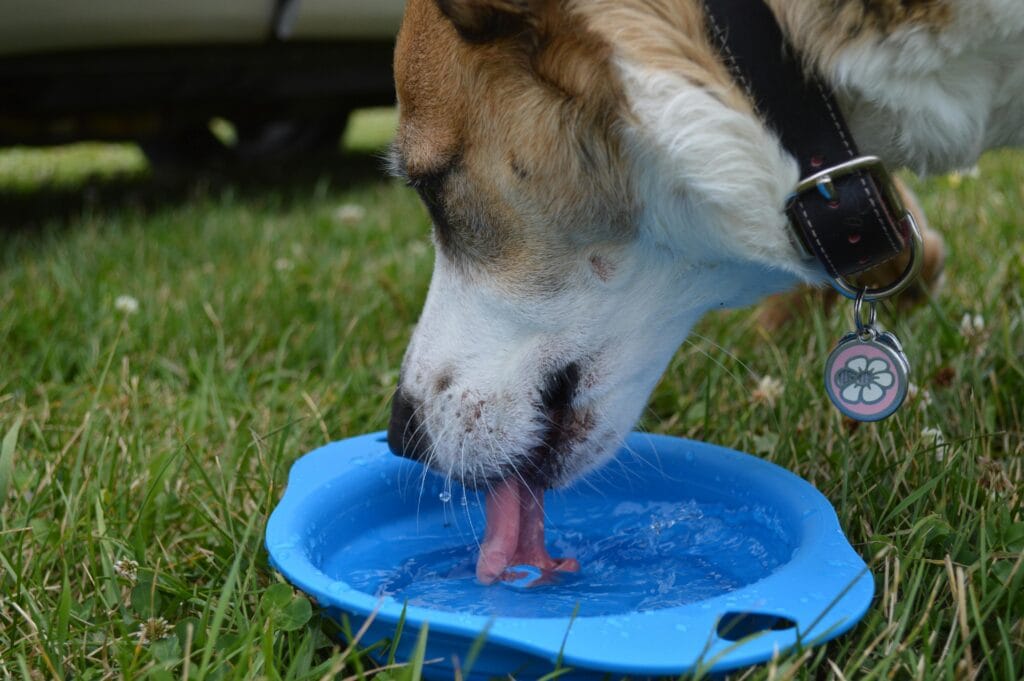
Why Hydration Is Important for Dogs
Before learning how to tell if your dog is dehydrated, it helps to understand why hydration is so important.
Water supports many essential functions in a dog’s body.
Proper hydration helps with:
- regulating body temperature
- aiding digestion
- transporting nutrients
- supporting organ function
- maintaining healthy joints
Even mild dehydration can cause fatigue and discomfort.
Severe dehydration can become life-threatening if not treated promptly.
Common Causes of Dehydration in Dogs
Several situations can cause dogs to lose fluids faster than they replace them.
Common causes include:
- hot weather
- excessive exercise
- illness such as vomiting or diarrhea
- lack of access to fresh water
- certain medications
Puppies, senior dogs, and very active dogs may be especially vulnerable.
Understanding these causes helps prevent dehydration before it occurs.
How to Tell if Your Dog Is Dehydrated (Step-by-Step Guide)
Learning how to tell if your dog is dehydrated involves observing behavior and performing simple physical checks.
Step 1: Check for Excessive Panting
Panting is normal for dogs, but excessive panting may signal overheating or dehydration.
Watch for:
- rapid breathing
- heavy panting even when resting
- signs of exhaustion
If panting continues after activity stops, your dog may need water and rest.
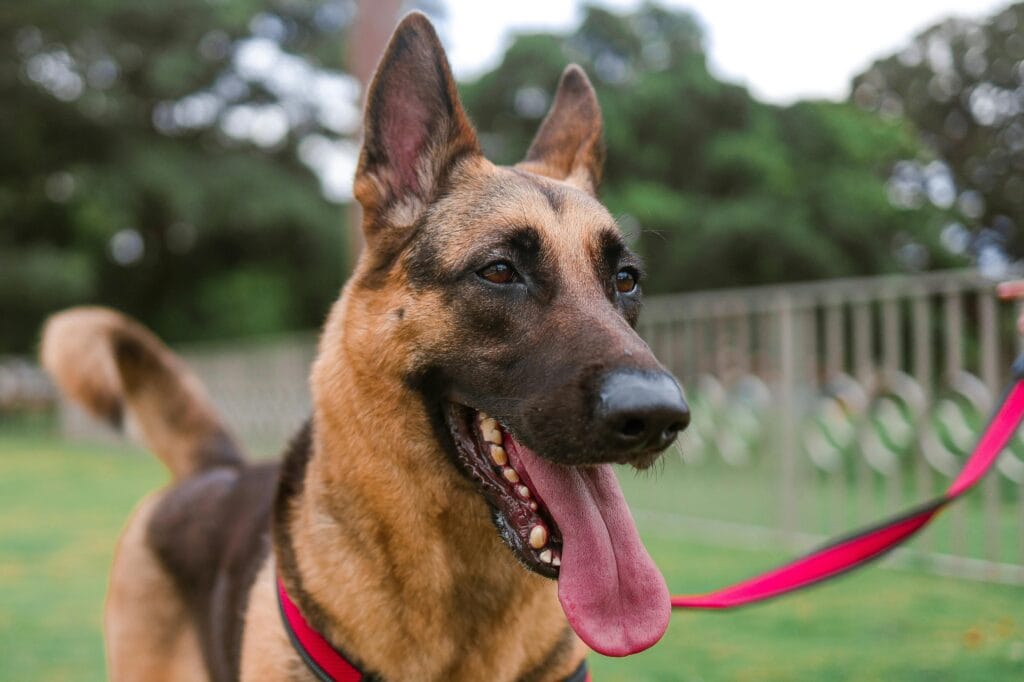
Step 2: Examine Your Dog’s Gums
Your dog’s gums provide helpful clues about hydration.
Healthy gums should be:
- moist
- smooth
- pink
Dry, sticky, or pale gums may indicate dehydration.
You can gently lift your dog’s lip to check gum condition.
Step 3: Perform the Skin Elasticity Test
A simple skin test can help evaluate hydration.
To perform the test:
- gently pinch the skin on the back of your dog’s neck
- lift it slightly upward
- release it
If the skin quickly returns to its normal position, hydration is likely normal.
If the skin returns slowly, your dog may be dehydrated.
Step 4: Observe Energy Levels
Dehydrated dogs may appear unusually tired.
Signs include:
- lethargy
- reduced interest in play
- weakness
Sudden drops in energy levels should always be monitored.
Step 5: Monitor Water Intake
Dogs that drink very little water may become dehydrated.
On the other hand, sudden excessive drinking may also signal health problems.
Monitoring your dog’s normal drinking habits helps you detect unusual changes.
Step 6: Look for Additional Symptoms
Other possible signs of dehydration include:
- sunken eyes
- thick saliva
- dry nose
- loss of appetite
If multiple symptoms appear together, veterinary care may be necessary.
Helpful Products That Support Dog Hydration
This article contains affiliate links. As an Amazon Associate, we earn from qualifying purchases.
Certain products can help ensure dogs stay hydrated throughout the day.
Portable Dog Water Bottle
A portable dog water bottle allows easy hydration during walks and outdoor activities.
Benefits include:
- convenient water access
- spill-proof design
- ideal for travel
These bottles help ensure dogs can drink during long walks.
Elevated Dog Water Bowl
An elevated water bowl makes drinking easier for some dogs.
Benefits include:
- improved posture while drinking
- reduced strain on neck and joints
- increased comfort
Dog Cooling Mat
A cooling mat helps dogs regulate body temperature during warm weather.
Benefits include:
- preventing overheating
- encouraging rest
- supporting hydration
Keeping dogs cool reduces dehydration risk.
Orthopedic Dog Bed
A comfortable dog bed helps dogs rest during recovery if they become fatigued due to dehydration.
Benefits include:
- improved rest
- joint support
- better recovery comfort
Practical Tips to Prevent Dog Dehydration
These habits help maintain healthy hydration levels.
Provide Fresh Water at All Times
Dogs should always have access to clean drinking water.
Refresh water bowls daily and clean them regularly.
Carry Water During Walks
When walking your dog during warm weather, bring water for both you and your dog.
Frequent water breaks help prevent dehydration.
Avoid Excessive Heat
Limit outdoor activity during the hottest hours of the day.
Early morning and evening walks are safer.
Monitor Sick Dogs Closely
Dogs experiencing vomiting or diarrhea may lose fluids quickly.
These dogs should be monitored carefully and may require veterinary care.
Common Mistakes Dog Owners Make
Avoiding these mistakes can help prevent dehydration.
Forgetting Water During Travel
Dogs need water during long car rides or outdoor adventures.
Always bring water for your dog.
Leaving Dogs Outdoors Too Long
Extended time in hot weather without shade or water increases dehydration risk.
Ignoring Early Warning Signs
Subtle symptoms such as dry gums or fatigue may indicate early dehydration.
Early action prevents serious complications.
Assuming Dogs Will Drink Enough
Some dogs do not drink enough water on their own.
Monitoring water intake helps prevent dehydration.
Conclusion
Learning how to tell if your dog is dehydrated is an important part of responsible dog care. Dehydration can develop quickly, especially during hot weather or periods of illness.
By recognizing early warning signs such as dry gums, excessive panting, and reduced energy, you can respond quickly and help restore proper hydration.
Providing fresh water, monitoring your dog’s behavior, and creating safe conditions during exercise and warm weather are key steps in preventing dehydration.
With proper care and attention, you can help your dog stay healthy, comfortable, and well-hydrated every day.
FAQ
How much water should a dog drink daily?
Most dogs need about one ounce of water per pound of body weight each day.
Can dehydration be dangerous for dogs?
Yes. Severe dehydration can lead to organ failure and requires immediate veterinary care.
What should I do if my dog is dehydrated?
Offer fresh water and move your dog to a cool environment. If symptoms persist, contact a veterinarian.
Are puppies more vulnerable to dehydration?
Yes. Puppies can become dehydrated more quickly due to their smaller size.
How can I encourage my dog to drink more water?
Provide clean water, use multiple bowls, and offer water frequently during exercise or hot weather.
You may also like: