How to Stop a Dog From Chewing Furniture
Many dog owners come home to find damaged couches, chair legs, or pillows after their dog has been left alone. If you’re wondering how to stop a dog from chewing furniture, you’re dealing with one of the most common behavior problems dogs develop.
Chewing is completely natural for dogs. Puppies chew while teething, and adult dogs chew to relieve boredom, anxiety, or excess energy. However, when chewing is directed toward furniture and household items, it quickly becomes frustrating and expensive.
The good news is that most destructive chewing can be reduced or completely stopped with proper training, environmental changes, and consistent routines. In this guide, you’ll learn why dogs chew furniture and the simple steps you can take to redirect that behavior toward safe alternatives.
Disclosure: As Amazon Associates, we earn from qualifying purchases at no extra cost to you.

Why Dogs Chew Furniture
Before learning how to stop a dog from chewing furniture, it’s important to understand why the behavior happens.
Dogs may chew furniture for several reasons:
- teething (common in puppies)
- boredom or lack of stimulation
- anxiety or stress
- excess energy
- curiosity about new textures
Dogs explore the world with their mouths, so chewing is a natural instinct. The goal is not to stop chewing completely, but to teach your dog what is appropriate to chew.
How to Stop a Dog From Chewing Furniture: Step-by-Step Guide
Most chewing problems can be improved with a combination of supervision, redirection, and proper exercise.
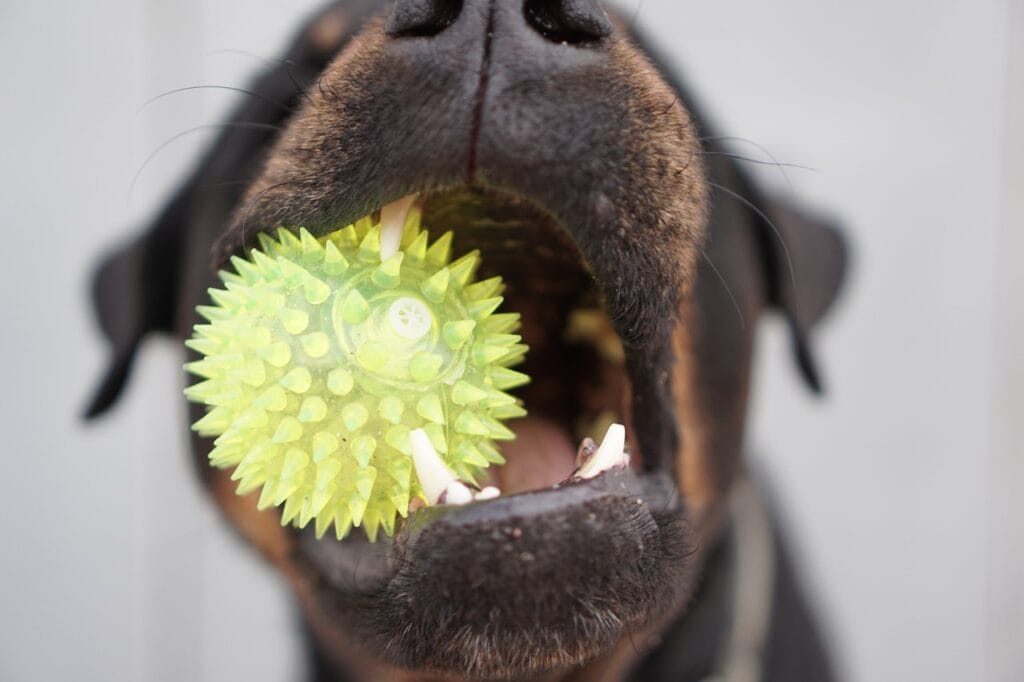
Step 1: Provide Appropriate Chew Toys
Dogs need safe items that satisfy their chewing instinct.
Providing durable chew toys helps redirect attention away from furniture.
Look for toys that are:
- durable
- safe for your dog’s size
- interesting and engaging
Suggested Product
KONG Classic Dog Toy
This popular rubber chew toy can be filled with treats or peanut butter, giving dogs something rewarding to chew.
Dogs often stay occupied much longer with toys that provide mental stimulation.
Step 2: Increase Physical Exercise
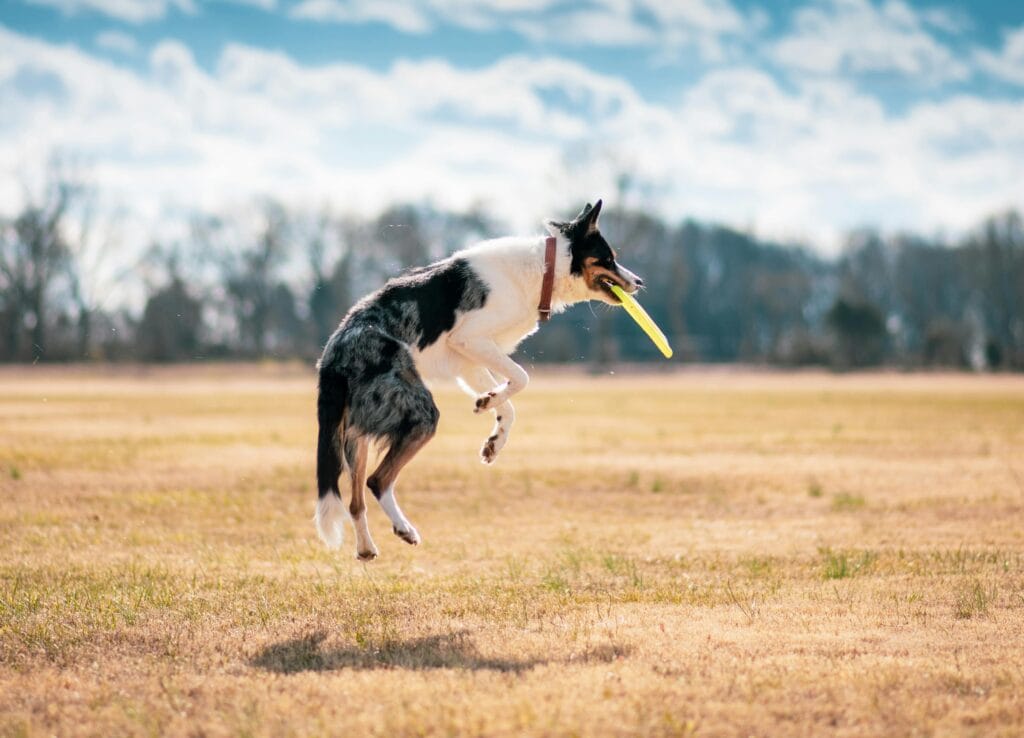
Dogs with excess energy are more likely to chew furniture.
Try increasing daily activity such as:
- longer walks
- games of fetch
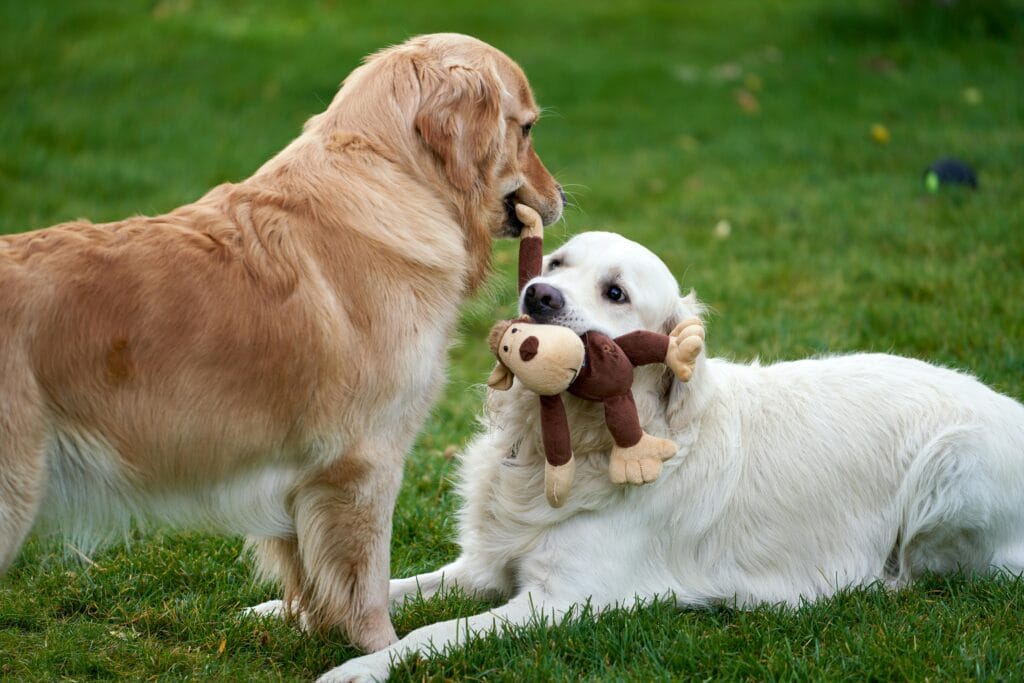
- tug-of-war
- outdoor playtime
A tired dog is usually much less interested in chewing household items.
Step 3: Remove Access to Problem Areas
When training a dog, management is important.
Limit access to furniture when you cannot supervise your dog.
Helpful strategies include:
- using baby gates
- closing doors
- supervising during free time
- crate training when appropriate
This prevents your dog from practicing unwanted chewing habits.
Step 4: Use Deterrent Sprays
Some products can discourage dogs from chewing furniture.
Suggested Product
Grannick’s Bitter Apple Spray
This spray has a taste that dogs dislike. Applying it to furniture can reduce chewing behavior while your dog learns better habits.

Step 5: Redirect Chewing Immediately
If you catch your dog chewing furniture:
- Interrupt calmly
- Remove the object if possible
- Offer a chew toy instead
- Praise the dog when they choose the toy
This teaches your dog which items are acceptable.
Consistency is key.
Helpful Tools for Training
This article contains affiliate links. As an Amazon Associate, we earn from qualifying purchases.
Some training tools can make managing chewing behavior easier.
Durable Chew Toys
Products like the KONG Extreme Rubber Toy or Nylabone Power Chew Textured Ring are designed for strong chewers and provide safe outlets for chewing instincts.
Dog Puzzle Toys
Puzzle toys can reduce boredom, which is a common cause of destructive chewing.
Example product:
Outward Hound Nina Ottosson Dog Puzzle Toy
These toys keep dogs mentally stimulated while rewarding them with treats.
Practical Tips to Prevent Furniture Chewing
These simple habits can significantly reduce destructive chewing.
Rotate Your Dog’s Toys
Dogs can become bored with the same toys.
Try rotating toys every few days to keep them interesting.
Give Your Dog Enough Mental Stimulation
Dogs that are mentally engaged are less likely to destroy furniture.
Try activities such as:
- training exercises
- puzzle toys
- scent games
Establish a Daily Routine
Dogs feel more relaxed when they have predictable schedules for:
- feeding
- walks
- playtime
- rest
Routine reduces anxiety-related chewing.

Common Mistakes Dog Owners Make
Avoiding these mistakes can make training much easier.
Punishing the Dog After the Fact
Dogs do not understand punishment long after chewing occurred.
Correction only works if it happens immediately.
Leaving Dogs Alone Too Long
Long periods of boredom can lead to destructive habits.
Not Providing Enough Chew Alternatives
If dogs do not have safe chewing options, they will find their own.
Ignoring Early Signs
Dogs often show early signs of chewing behavior such as sniffing or pawing furniture.
Redirecting early prevents damage.
Conclusion
Learning how to stop a dog from chewing furniture requires patience, consistency, and understanding of your dog’s natural behavior. Chewing is normal for dogs, but it becomes destructive when they lack appropriate outlets for their energy and curiosity.
By providing durable chew toys, increasing daily exercise, managing access to furniture, and rewarding positive behavior, most dogs can quickly learn what is appropriate to chew.
With consistent training and a little patience, you can protect your home while helping your dog develop healthier chewing habits.
FAQ
Why does my dog chew furniture when I’m not home?
Dogs may chew furniture when alone due to boredom, anxiety, or excess energy.
Is chewing furniture normal for puppies?
Yes. Puppies chew while teething and exploring their environment.
What is the best way to redirect chewing?
Provide durable chew toys and reward your dog when they use them.
Do bitter sprays really work?
Many dogs dislike the taste of bitter sprays, which can discourage chewing behavior.
How long does it take to stop destructive chewing?
Most dogs improve within a few weeks when training is consistent and proper chew outlets are provided.
You may also like: