
How to Raise a Well-Behaved Puppy
Bringing home a puppy is exciting, but it also comes with a lot of responsibility. Many new dog owners quickly realize that raising a polite, calm dog requires time, patience, and consistent training. If you’re wondering how to raise a well-behaved puppy, the good news is that small daily habits can make a huge difference.
Puppies are naturally curious, energetic, and sometimes mischievous. Without guidance, they may develop behaviors like chewing furniture, jumping on people, barking excessively, or ignoring commands. The goal of early training is to teach your puppy how to behave appropriately while building trust and communication.
In this guide, you’ll learn:
- the essential habits of well-behaved dogs
- how to raise a well-behaved puppy step by step
- practical training tips that work for beginners
- common mistakes new owners make
- helpful tools that support puppy training
With consistency and patience, your puppy can grow into a calm, confident, and well-mannered companion.
Disclosure: As Amazon Associates, we earn from qualifying purchases at no extra cost to you.

Why Early Training Matters for Puppies
Before learning how to raise a well-behaved puppy, it’s important to understand why early training matters.
The first few months of a puppy’s life are a critical learning period. During this time, puppies develop habits that can last their entire lives.
Good training during puppyhood helps:
- build trust between dog and owner
- prevent behavior problems
- improve social skills
- make daily life easier for everyone
Puppies that receive consistent guidance early are more likely to grow into calm and confident adult dogs.
How to Raise a Well-Behaved Puppy (Step-by-Step Guide)
Learning how to raise a well-behaved puppy involves teaching good habits gradually. These steps help create a strong foundation for lifelong behavior.
Step 1: Establish a Daily Routine
Dogs thrive on predictable routines. A consistent schedule helps puppies understand what to expect throughout the day.
Your puppy’s daily routine should include:
- feeding times
- potty breaks
- exercise
- playtime
- training sessions
- rest periods
Consistency reduces confusion and helps puppies settle into a structured environment.
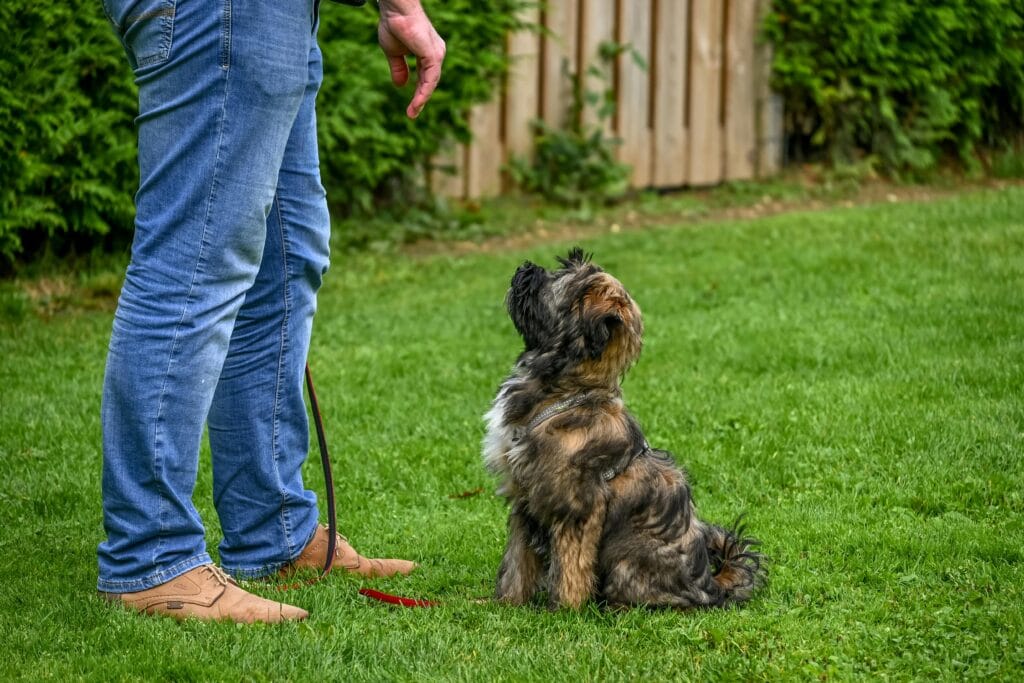
Step 2: Start Basic Obedience Training Early
Basic commands help puppies learn how to behave in different situations.
Important early commands include:
- sit
- stay
- come
- leave it
- down
Training sessions should be:
- short (5–10 minutes)
- positive and encouraging
- repeated daily
Positive reinforcement with treats and praise helps puppies learn faster.
Step 3: Socialize Your Puppy
Socialization helps puppies feel comfortable around new people, animals, and environments.
Introduce your puppy gradually to:
- different people
- friendly dogs
- new sounds
- car rides
- parks and outdoor spaces
Positive experiences during socialization help prevent fear and anxiety later in life.
Step 4: Teach Bite Control
Puppies naturally bite and nip during play.
Teaching bite inhibition early helps prevent problems later.
When your puppy bites:
- stop play immediately
- redirect to a toy
- reward gentle behavior
Consistent responses help puppies learn appropriate play behavior.
Step 5: Encourage Calm Behavior
Excited puppies often develop unwanted habits like jumping or barking.
Reward calm behavior by:
- praising relaxed behavior
- offering treats for polite greetings
- reinforcing quiet moments
Dogs repeat behaviors that receive attention and rewards.

Helpful Tools That Support Puppy Training
This article contains affiliate links. As an Amazon Associate, we earn from qualifying purchases.
While training consistency is the most important factor, a few tools can make raising a puppy easier.
Puppy Training Clicker
A dog training clicker helps mark the exact moment your puppy performs the correct behavior.
Benefits include:
- clearer communication during training
- faster learning
- consistent positive reinforcement
Clicker training works well for teaching obedience commands.
Interactive Puzzle Toys
Puzzle toys provide mental stimulation, which is important for young dogs.
Benefits include:
- reducing boredom
- preventing destructive behavior
- improving problem-solving skills
Mentally stimulated puppies are often calmer and easier to train.
Comfortable Dog Bed
A soft calming dog bed helps puppies relax and develop good resting habits.
Benefits include:
- promoting healthy sleep
- reducing anxiety
- encouraging calm behavior
A comfortable resting place helps balance a puppy’s active lifestyle.

Practical Tips for Raising a Well-Behaved Puppy
Daily habits make a huge difference in how your puppy develops.
Keep Training Positive
Positive reinforcement is the most effective training method.
Use:
- praise
- treats
- toys
Avoid harsh punishment, which can create fear or confusion.
Exercise Your Puppy Daily
Puppies have a lot of energy.
Regular exercise helps prevent:
- chewing
- excessive barking
- hyperactivity
Daily walks, play sessions, and training exercises help burn energy.
Be Patient and Consistent
Training takes time.
Consistency in rules and expectations helps puppies understand what behavior is expected.
Common Mistakes New Dog Owners Make
Avoiding these mistakes will help your puppy develop better behavior.
Inconsistent Rules
If one person allows a behavior and another corrects it, the puppy becomes confused.
Make sure everyone in the household follows the same rules.
Not Providing Enough Mental Stimulation
Bored puppies often develop unwanted habits.
Puzzle toys, training sessions, and games help keep their minds engaged.
Expecting Too Much Too Soon
Puppies are still learning about the world.
Training progress happens gradually.
Patience and encouragement help build confidence.
Ignoring Early Behavior Problems
Small issues can become bigger problems if ignored.
Addressing behaviors early helps prevent long-term habits.
Conclusion
Learning how to raise a well-behaved puppy is one of the most rewarding parts of dog ownership. With consistent training, positive reinforcement, and a structured daily routine, puppies quickly learn the behaviors that make them great companions.
By focusing on early obedience training, socialization, bite control, and mental stimulation, you can help your puppy develop into a confident and well-mannered adult dog.
Remember that raising a well-behaved puppy doesn’t happen overnight. With patience, practice, and clear communication, your puppy will grow into a loyal and well-behaved member of your family.
FAQ
At what age should puppy training begin?
Training should begin as soon as your puppy arrives home, usually around 8 weeks of age.
How long does it take to train a puppy?
Basic obedience can develop within a few weeks, but full training and maturity may take several months.
What is the most important command to teach a puppy?
Commands like “sit,” “come,” and “leave it” are essential for safety and good behavior.
How often should I train my puppy?
Short training sessions (5–10 minutes) two to three times per day work best for puppies.
Can older puppies still learn good behavior?
Yes. Dogs of all ages can learn new habits with consistent training and positive reinforcement.
You may also like: