How to Introduce a Puppy to Other Dogs
Bringing a new puppy into your life is exciting, but many owners feel nervous when it comes to socializing their puppy with other dogs. If you’re wondering how to introduce a puppy to other dogs, you’re asking an important question that can affect your puppy’s long-term behavior and confidence.
Proper socialization helps puppies grow into friendly, calm, and well-adjusted adult dogs. Without positive experiences with other dogs early in life, puppies may become fearful, anxious, or reactive later.
The good news is that introducing puppies to other dogs doesn’t have to be stressful. With the right approach, careful supervision, and patience, most puppies learn to interact comfortably with other dogs.
In this guide you’ll learn:
- why early socialization matters
- how to introduce a puppy to other dogs step by step
- practical tips for safe introductions
- common mistakes to avoid
- helpful tools that support calm socialization
With the right method, your puppy can learn to enjoy safe and friendly interactions with other dogs.
Disclosure: As Amazon Associates, we earn from qualifying purchases at no extra cost to you.
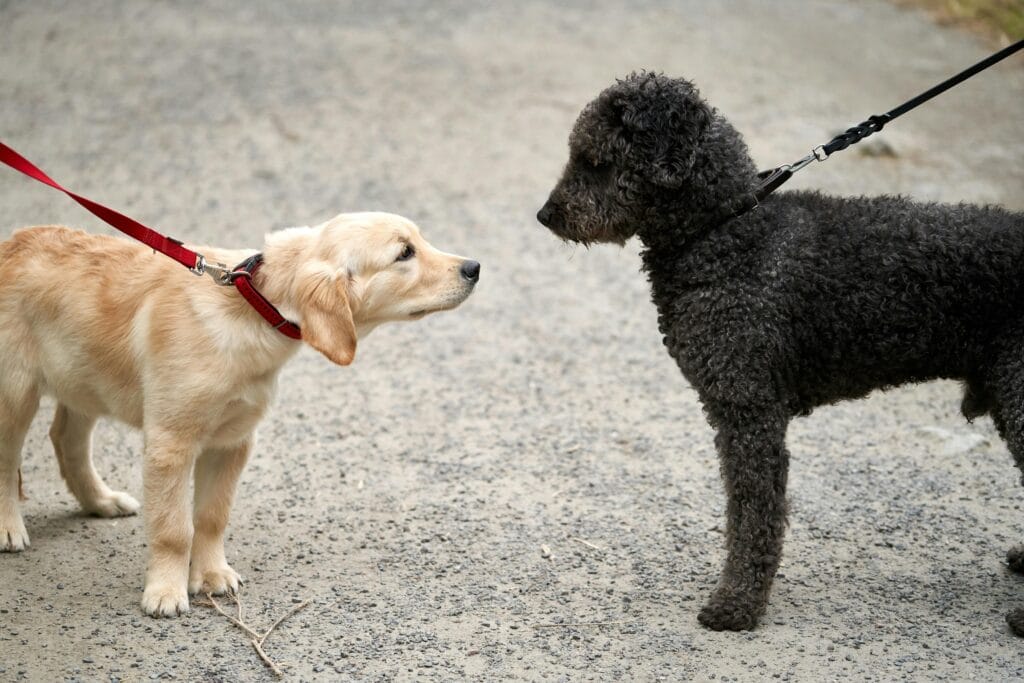
Why Puppy Socialization Is Important
Before learning how to introduce a puppy to other dogs, it helps to understand why early social experiences matter so much.
Puppies go through a critical socialization period between 3 and 16 weeks of age. During this time, they are especially open to new experiences.
Positive interactions with other dogs help puppies:
- learn appropriate play behavior
- develop confidence
- reduce fear of unfamiliar dogs
- improve communication skills
Dogs communicate through body language, and puppies learn these signals by interacting with other well-behaved dogs.
When socialization is done carefully, it sets the foundation for a lifetime of positive interactions.
How to Introduce a Puppy to Other Dogs Safely
Learning how to introduce a puppy to other dogs requires patience and controlled environments. Follow these steps to make introductions safe and positive.
Step 1: Choose the Right Dog for the First Introduction
The first meeting should always involve a calm, friendly, and well-socialized dog.
Avoid dogs that are:
- overly energetic
- aggressive
- fearful
- untrained
An older, relaxed dog that is comfortable with puppies is usually the best choice.
A calm role model helps puppies learn polite behavior.
Step 2: Start in Neutral Territory
Dogs can sometimes become territorial in their own homes or yards.
Instead, introduce dogs in a neutral environment, such as:
- a quiet park
- an open outdoor space
- a calm walking path
Neutral locations help both dogs feel more relaxed.
Step 3: Begin With a Leashed Walk
Instead of face-to-face greetings immediately, start with a parallel walk.
- Walk both dogs several feet apart
- Allow them to observe each other
- gradually reduce the distance
This helps dogs become comfortable without feeling pressured.
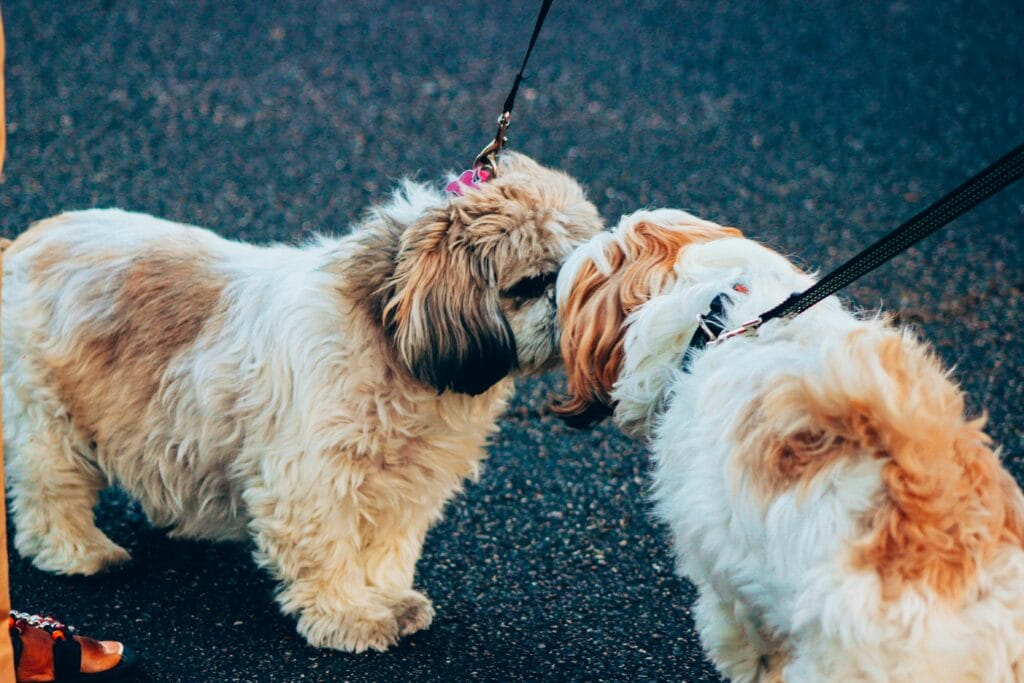
Step 4: Allow a Brief Sniff Greeting
Once both dogs appear calm, allow a short greeting.
Watch for relaxed body language:
- loose wagging tail
- relaxed posture
- playful curiosity
Avoid forcing interaction if either dog shows stress signals.
Keep the first greeting brief and positive.
Step 5: Supervise Play Carefully
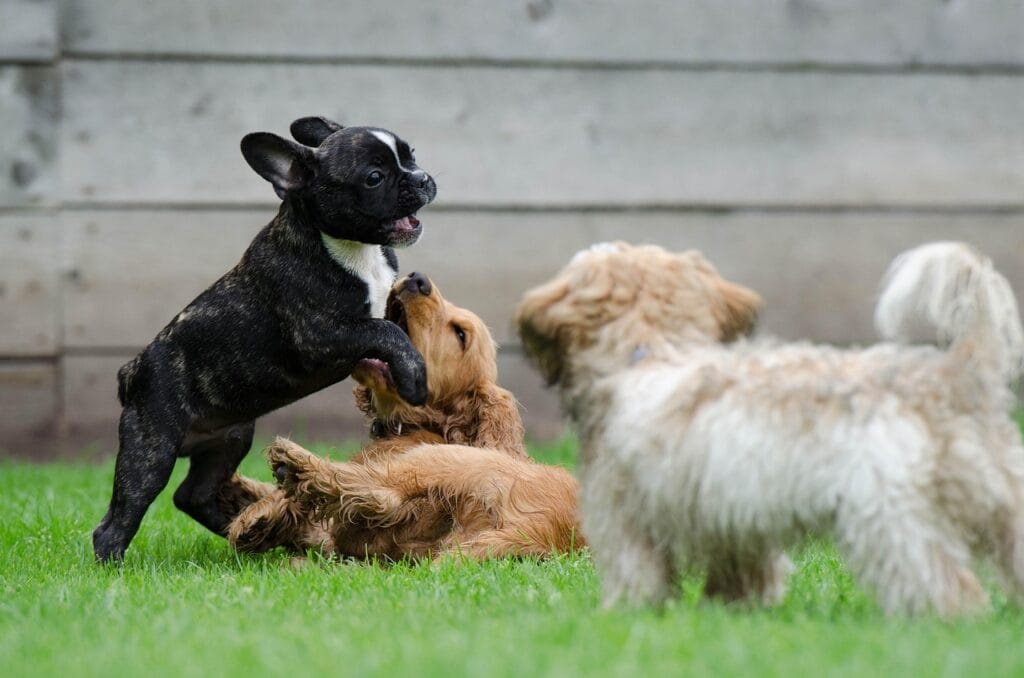
If both dogs seem comfortable, they may begin to play.
Healthy play behavior includes:
- play bows
- bouncing movements
- pauses during play
Signs of stress include:
- stiff posture
- growling with tension
- hiding or excessive barking
If play becomes too intense, calmly separate the dogs and allow a break.
Helpful Tools for Safe Puppy Introductions
This article contains affiliate links. As an Amazon Associate, we earn from qualifying purchases.
Certain training tools can make introductions easier and safer for both dogs.
Adjustable Puppy Harness
A comfortable puppy harness provides better control than a collar during introductions.
Benefits include:
- improved leash control
- reduced pressure on the neck
- safer handling during excitement
Harnesses help owners guide puppies calmly during meetings.
Dog Training Clicker
A training clicker can help reinforce calm behavior when puppies interact politely.
Benefits include:
- marking positive behavior
- faster learning
- consistent communication
Clicker training works well during socialization.
Calming Dog Bed
After social play sessions, puppies need a comfortable place to rest.
A calming dog bed helps puppies relax and recover from stimulating interactions.
Benefits include:
- improved rest
- reduced stress
- better recovery after playtime

Practical Tips for Successful Puppy Introductions
These simple habits can help ensure positive social experiences.
Keep Early Meetings Short
Short, positive interactions are better than long overwhelming ones.
A few minutes of successful play is more valuable than extended interactions that may lead to stress.
Watch Dog Body Language
Understanding dog signals helps prevent conflicts.
Positive signs include:
- relaxed posture
- playful movement
- wagging tail
Stress signals include:
- lip licking
- stiff posture
- avoidance
Recognizing these signs helps you step in before tension increases.
Reward Calm Behavior
Whenever your puppy behaves calmly around other dogs:
- praise them
- offer treats
- reinforce relaxed behavior
Positive reinforcement helps puppies repeat good social behavior.
Common Mistakes When Introducing Puppies to Dogs
Avoiding these mistakes will make socialization safer and more successful.
Forcing Interaction
Puppies should never be pushed into meeting another dog.
Allow them to approach naturally at their own pace.
Introducing Too Many Dogs at Once
Too many dogs can overwhelm a young puppy.
Start with one calm dog before introducing larger groups.
Ignoring Stress Signals
Dogs communicate discomfort through body language.
If either dog appears stressed, calmly separate them and allow space.
Choosing Unpredictable Dogs
Not every dog is suitable for puppy introductions.
Carefully choose dogs known for calm, friendly behavior.
Conclusion
Learning how to introduce a puppy to other dogs is one of the most important parts of early socialization. When done carefully, positive interactions with other dogs help puppies develop confidence, communication skills, and healthy play habits.
By choosing calm dogs, introducing them in neutral environments, supervising interactions, and rewarding good behavior, you can help your puppy build positive social experiences.
With patience and thoughtful introductions, your puppy can grow into a friendly and well-socialized adult dog that feels comfortable around others.
FAQ
At what age should puppies meet other dogs?
Puppies can begin meeting safe, vaccinated dogs after their first vaccinations, typically around 8 weeks of age.
What if my puppy seems scared of other dogs?
Allow your puppy to observe from a distance and move closer gradually. Never force interaction.
How long should puppy play sessions last?
Short sessions of 5–10 minutes are ideal for early socialization.
Can puppies learn bad behavior from other dogs?
Yes, which is why it’s important to introduce puppies to well-behaved dogs that model appropriate behavior.
Is dog park socialization safe for puppies?
Dog parks can be overwhelming for young puppies. Controlled one-on-one introductions are usually safer for early socialization.
You may also like: