How to Help a Dog With Allergies
Allergies are a common health issue in dogs, and they can cause significant discomfort if not properly managed. If you’re searching for how to help a dog with allergies, you’re likely noticing symptoms such as constant scratching, irritated skin, or frequent licking.
Dog allergies can be triggered by many different factors including food ingredients, environmental allergens, or parasites. While allergies cannot always be completely cured, they can often be managed effectively with the right care routine.
The key is recognizing the symptoms early and making adjustments that help reduce exposure to triggers and relieve discomfort.
In this guide, you’ll learn:
- how to help a dog with allergies step by step
- common symptoms of dog allergies
- possible allergy triggers
- simple ways to reduce irritation
- helpful products that may support skin and coat health
With the right care plan, many dogs with allergies can live comfortable and happy lives.
Disclosure: As Amazon Associates, we earn from qualifying purchases at no extra cost to you.
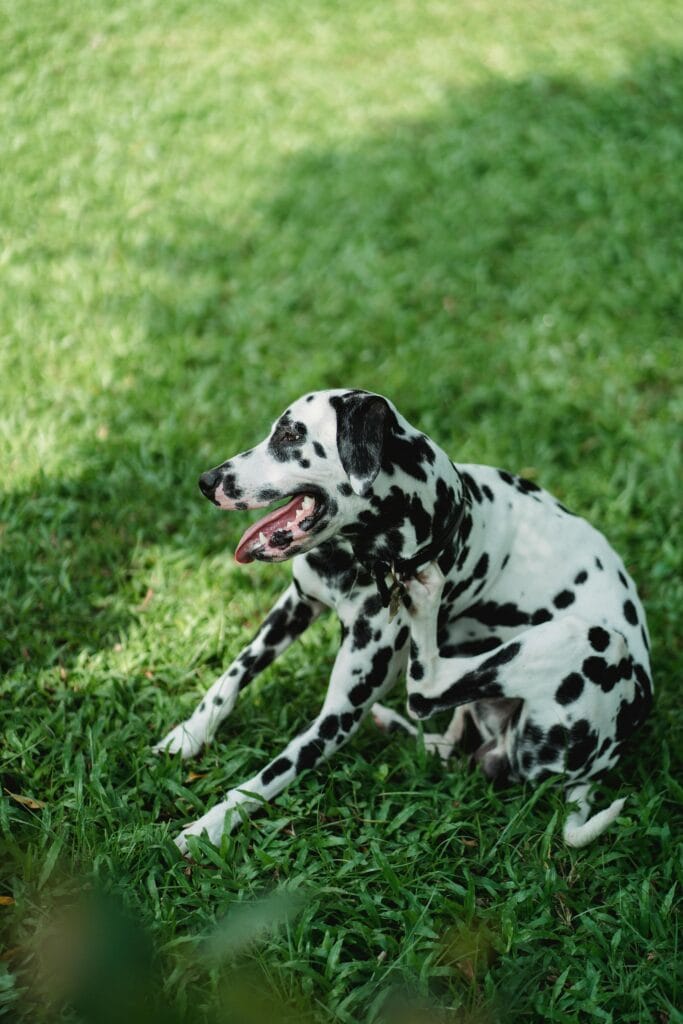
Common Signs of Dog Allergies
Before learning how to help a dog with allergies, it’s important to recognize the most common symptoms.
Dogs with allergies may show a variety of signs, including:
- excessive scratching
- licking or chewing paws
- red or irritated skin
- ear infections
- hair loss
- watery eyes
- frequent rubbing against furniture
Unlike humans, dogs often show allergy symptoms through skin irritation rather than sneezing.
If these symptoms persist or worsen, a veterinarian should evaluate your dog.
What Causes Dog Allergies?
Several factors can trigger allergic reactions in dogs.
The most common causes include:
Environmental Allergens
These allergens are found in the environment and may include:
- pollen
- dust mites
- mold
- grass
Environmental allergies are often seasonal but may occur year-round in some cases.
Food Allergies
Certain ingredients in dog food may trigger allergic reactions.
Common food allergens include:
- chicken
- beef
- dairy
- wheat
- soy
Food allergies typically cause skin irritation and digestive problems.
Flea Allergies
Some dogs are extremely sensitive to flea bites.
Even a single bite can cause severe itching and skin irritation.
Flea prevention is an important part of allergy management.

How to Help a Dog With Allergies (Step-by-Step Guide)
Learning how to help a dog with allergies involves identifying triggers and reducing irritation through simple daily habits.
Step 1: Identify Possible Allergy Triggers
The first step in managing allergies is identifying what may be causing the reaction.
Observe when symptoms appear.
Questions to consider include:
- Do symptoms appear during certain seasons?
- Did symptoms begin after switching food?
- Does itching increase after outdoor activity?
Tracking patterns can help narrow down possible triggers.
Step 2: Maintain Regular Grooming
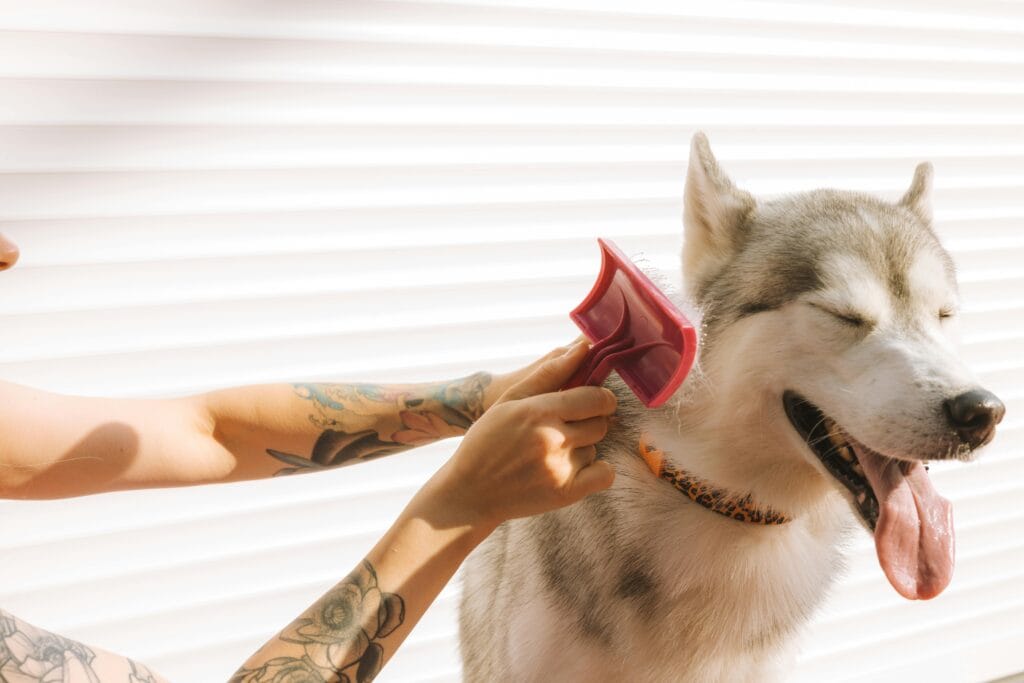
Frequent grooming can help remove allergens from your dog’s coat.
Helpful practices include:
- brushing regularly
- bathing with gentle dog shampoo
- wiping paws after walks
Bathing can wash away pollen, dust, and other irritants.
Step 3: Improve Your Dog’s Diet
Nutrition plays a major role in skin health.
A high-quality diet helps support:
- healthy skin barrier
- stronger immune system
- improved coat condition
Foods rich in omega-3 fatty acids may help reduce inflammation and itching.
Step 4: Keep Your Home Clean
Indoor allergens can also trigger reactions.
Helpful cleaning habits include:
- vacuuming frequently
- washing dog bedding regularly
- reducing dust buildup
A clean environment helps reduce allergen exposure.
Step 5: Protect Your Dog From Fleas
Even if fleas aren’t visible, prevention is essential.
Use veterinarian-recommended flea prevention products to protect your dog year-round.
Flea bites can trigger severe allergic reactions in sensitive dogs.
Helpful Products That May Support Dogs With Allergies
This article contains affiliate links. As an Amazon Associate, we earn from qualifying purchases.
Certain products can help reduce irritation and support dogs experiencing allergy symptoms.
Hypoallergenic Dog Shampoo
A hypoallergenic dog shampoo is designed for sensitive skin.
Benefits include:
- soothing irritated skin
- removing allergens from the coat
- reducing itching
These shampoos typically contain gentle ingredients such as oatmeal or aloe.
Omega-3 Fish Oil Supplements
Fish oil supplements support skin and coat health.
Benefits include:
- reducing inflammation
- improving coat condition
- supporting immune health
These supplements may help reduce allergy-related itching.
Orthopedic Dog Bed
A comfortable orthopedic dog bed helps dogs rest more comfortably during allergy flare-ups.
Benefits include:
- improved sleep
- joint support
- reduced irritation from rough surfaces
Providing a clean and comfortable sleeping area helps support recovery.

Practical Tips for Managing Dog Allergies
These habits can help reduce allergy symptoms.
Wipe Paws After Walks
Pollen and grass can cling to paws and fur.
Using a damp cloth to wipe your dog’s paws after outdoor walks helps remove allergens.
Monitor Seasonal Changes
Many dogs experience seasonal allergies.
Watching for symptom patterns during certain months can help identify environmental triggers.
Maintain Healthy Skin
Healthy skin acts as a barrier against allergens.
Balanced nutrition and proper grooming help maintain skin health.
Schedule Regular Veterinary Checkups
Persistent allergy symptoms should be evaluated by a veterinarian.
Professional guidance can help determine the underlying cause.
Common Mistakes When Managing Dog Allergies
Avoiding these mistakes can help improve your dog’s comfort.
Ignoring Persistent Symptoms
Chronic itching or skin irritation should not be ignored.
Untreated allergies can lead to infections.
Changing Foods Too Frequently
Frequent diet changes can make it difficult to identify food allergies.
Work with a veterinarian when adjusting diets.
Over-Bathing
Bathing too often may dry out the skin and worsen irritation.
Use gentle shampoos and avoid excessive bathing.
Treating Symptoms Without Finding the Cause
Managing symptoms is helpful, but identifying triggers is the most effective long-term solution.
Conclusion
Learning how to help a dog with allergies is an important part of maintaining your dog’s health and comfort. Allergies can cause itching, irritation, and frustration for dogs, but with proper care and attention, symptoms can often be managed effectively.
By identifying triggers, maintaining good grooming habits, improving diet, and keeping your dog’s environment clean, you can significantly reduce allergy-related discomfort.
With patience and consistent care, many dogs with allergies can enjoy a healthy and comfortable life.
FAQ
What are the most common signs of dog allergies?
Common symptoms include itching, paw licking, ear infections, red skin, and hair loss.
Can dogs have food allergies?
Yes. Some dogs are allergic to ingredients like chicken, beef, dairy, or grains.
How can I reduce my dog’s itching at home?
Regular grooming, allergy-friendly shampoos, and omega-3 supplements may help reduce itching.
Are seasonal allergies common in dogs?
Yes. Pollen, grass, and mold can trigger seasonal allergies in many dogs.
When should I see a vet for dog allergies?
If symptoms persist, worsen, or cause skin infections, veterinary care is recommended.
You may also like: