How to Groom Your Dog at Home
Regular grooming is essential for keeping your dog healthy, comfortable, and looking their best. If you’re wondering how to groom your dog at home, you’re not alone. Many dog owners want to care for their pets without frequent trips to a professional groomer.
Grooming involves more than just brushing your dog’s fur. A complete grooming routine includes bathing, brushing, nail trimming, ear cleaning, and checking your dog’s coat and skin for potential problems.
Learning how to groom your dog at home can help you save money, strengthen your bond with your dog, and keep your pet comfortable between professional grooming appointments.
In this guide, you’ll learn:
- how to groom your dog at home step by step
- essential grooming tasks every owner should know
- practical tips for stress-free grooming
- common grooming mistakes to avoid
- helpful tools that make grooming easier
With patience and practice, grooming your dog at home can become a simple and rewarding routine.
Disclosure: As Amazon Associates, we earn from qualifying purchases at no extra cost to you.
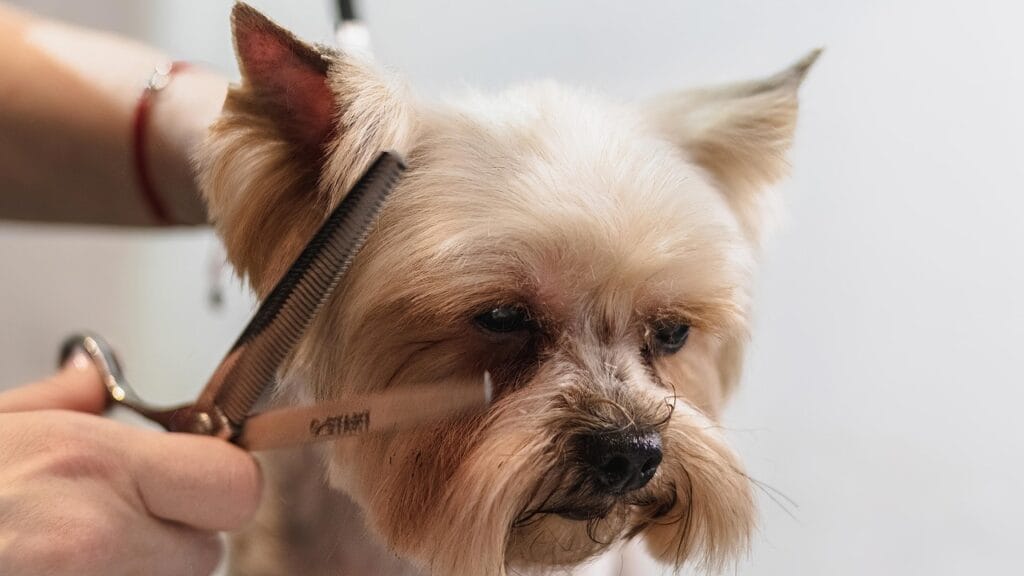
Why Grooming Your Dog at Home Is Important
Before learning how to groom your dog at home, it’s helpful to understand why grooming plays such a crucial role in your dog’s health.
Regular grooming helps:
- remove dirt and loose fur
- prevent mats and tangles
- maintain healthy skin
- reduce shedding around the home
- detect health issues early
During grooming sessions, you may also notice signs of potential health concerns such as:
- skin irritation
- lumps or bumps
- parasites like fleas or ticks
Early detection allows you to address issues before they become serious.
Basic Grooming Tasks Every Dog Needs
When learning how to groom your dog at home, it helps to break grooming into simple tasks.
A typical grooming routine includes:
- brushing the coat
- bathing
- trimming nails
- cleaning ears
- brushing teeth
Not every dog needs every task at the same frequency, but maintaining a consistent routine helps keep your dog healthy.
How to Groom Your Dog at Home (Step-by-Step Guide)
Learning how to groom your dog at home becomes easier when you follow a simple step-by-step process.
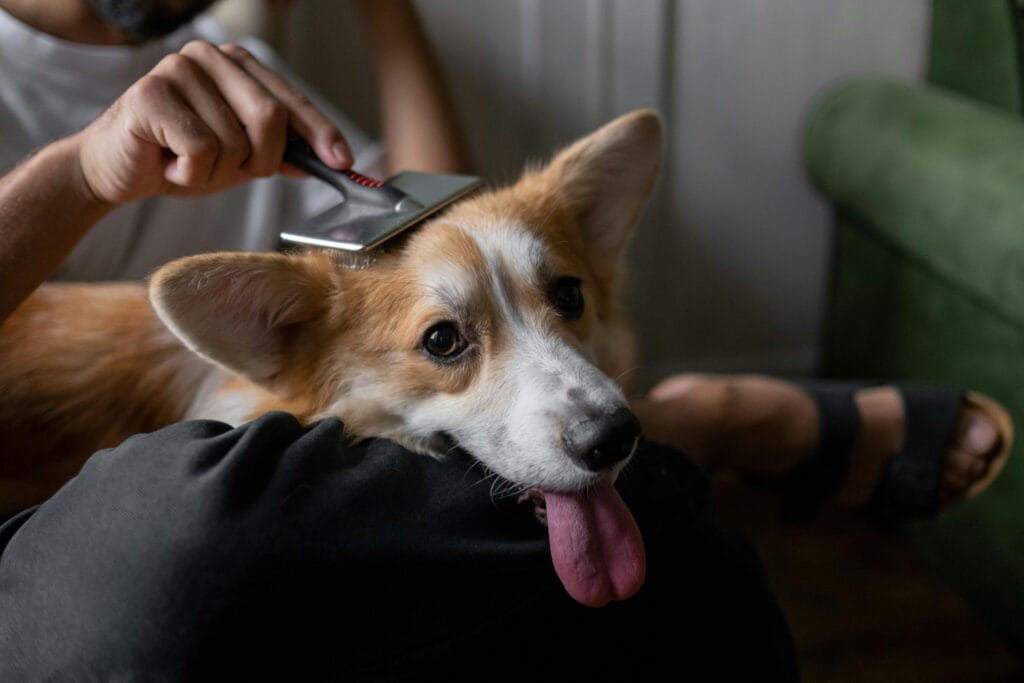
Step 1: Brush Your Dog’s Coat
Brushing is the foundation of dog grooming.
Regular brushing helps:
- remove loose fur
- prevent tangles and mats
- distribute natural oils through the coat
Different coat types require different brushes.
For example:
- short-haired dogs may need a bristle brush
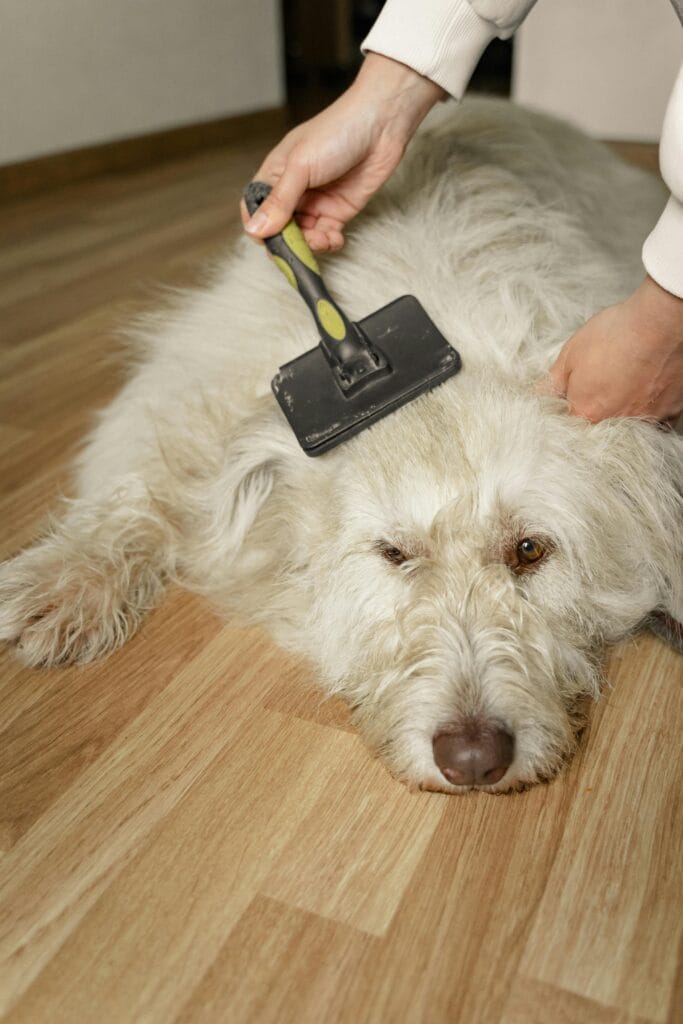
- long-haired dogs benefit from slicker brushes
- thick coats may require undercoat tools
Start brushing from the head and work toward the tail using gentle strokes.
Step 2: Bathe Your Dog
Bathing removes dirt, oils, and odors from your dog’s coat.
To bathe your dog:
- brush the coat before bathing
- use lukewarm water
- apply dog-safe shampoo
- gently massage the coat
- rinse thoroughly
Avoid getting shampoo or water in your dog’s eyes and ears.
Most dogs only need a bath every 4–6 weeks, depending on their activity level and coat type.
Step 3: Trim Your Dog’s Nails
Long nails can cause discomfort and affect your dog’s walking posture.
Trim nails carefully using dog nail clippers.
Steps include:
- holding the paw gently
- trimming small sections at a time
- avoiding the quick (the sensitive inner part of the nail)
If you’re unsure, trimming small amounts regularly is safer than cutting too much.
Step 4: Clean Your Dog’s Ears
Ear cleaning helps prevent infections and removes wax buildup.
Use a dog-safe ear cleaning solution and cotton pads.
Gently wipe the outer ear area and avoid inserting anything deep into the ear canal.
Check ears weekly for signs of redness, odor, or discharge.
Step 5: Brush Your Dog’s Teeth
Dental care is often overlooked but is extremely important.
Brushing your dog’s teeth helps prevent:
- plaque buildup
- gum disease
- bad breath
Use dog-specific toothpaste and a soft toothbrush designed for dogs.
Daily brushing is ideal, but even brushing a few times per week can improve oral health.
Helpful Products That Make Grooming Easier
This article contains affiliate links. As an Amazon Associate, we earn from qualifying purchases.
Using the right grooming tools can make home grooming easier and more comfortable for both you and your dog.
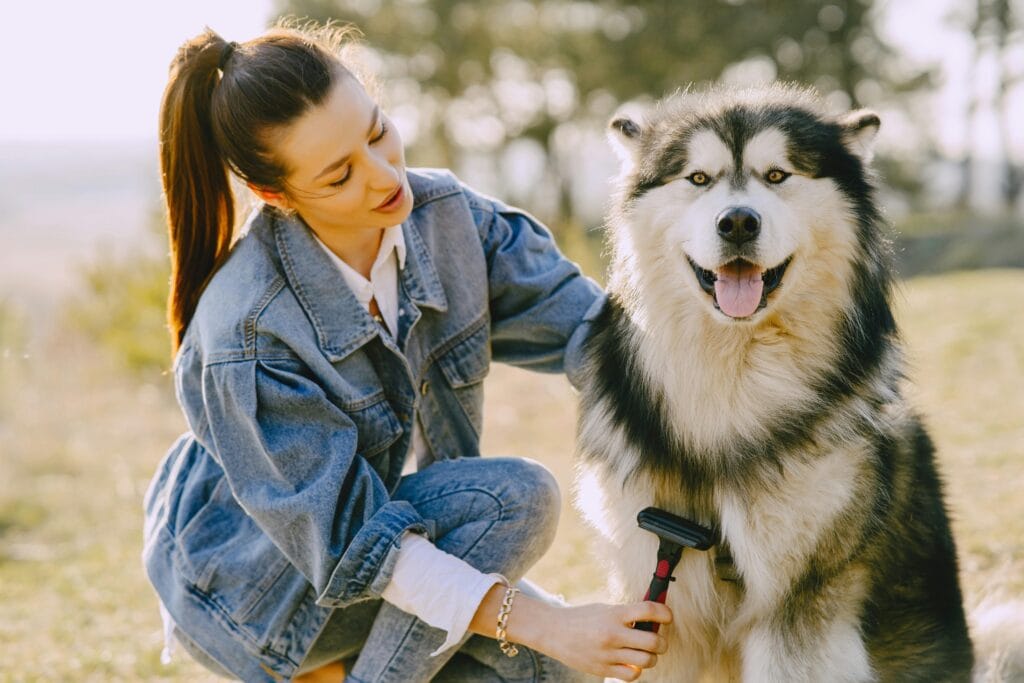
Dog Grooming Brush
A quality grooming brush helps remove loose fur and prevent tangles.
Benefits include:
- reducing shedding
- improving coat health
- making brushing more comfortable for your dog
Dog Nail Clippers
Reliable dog nail clippers allow safe nail trimming at home.
Benefits include:
- precise cutting
- reduced risk of splitting nails
- easier nail maintenance
Dog Shampoo
A gentle dog shampoo cleans the coat while maintaining the natural balance of your dog’s skin.
Benefits include:
- removing dirt and odor
- keeping skin moisturized
- supporting coat health
Calming Dog Bed
A calming dog bed helps dogs relax before or after grooming sessions.
Benefits include:
- reducing stress
- creating a comfortable resting space
- helping dogs feel secure during grooming routines
Practical Tips for Stress-Free Grooming
These simple tips can help make grooming easier.
Start Grooming Early
Puppies adapt more easily to grooming routines.
Handling paws, ears, and teeth early helps dogs become comfortable with grooming tasks.
Keep Grooming Sessions Short
Long grooming sessions can make dogs restless.
Short sessions with breaks help maintain calm behavior.
Use Positive Reinforcement
Reward your dog with praise or treats during grooming.
Positive reinforcement helps dogs associate grooming with good experiences.
Create a Routine
Regular grooming routines help dogs understand what to expect.
Consistency reduces anxiety.
Common Grooming Mistakes Dog Owners Make
Avoiding these mistakes can help keep your dog safe and comfortable.
Using Human Grooming Products
Human shampoos and grooming products may irritate your dog’s skin.
Always use dog-specific products.
Skipping Grooming for Long Periods
Neglecting grooming can lead to:
- matted fur
- skin irritation
- nail overgrowth
Regular maintenance prevents these issues.
Rushing the Grooming Process
Dogs may become stressed if grooming feels rushed.
Take your time and remain calm.
Ignoring Warning Signs
If your dog shows signs of pain or discomfort during grooming, stop and investigate the cause.
Conclusion
Learning how to groom your dog at home is an important part of responsible dog ownership. Regular grooming helps keep your dog clean, comfortable, and healthy while allowing you to detect potential health issues early.
By brushing regularly, bathing when needed, trimming nails, cleaning ears, and maintaining dental care, you can create a simple grooming routine that supports your dog’s overall well-being.
With patience, the right tools, and positive reinforcement, grooming at home can become an enjoyable bonding experience between you and your dog.
FAQ
How often should I groom my dog?
Most dogs benefit from grooming every few weeks, though brushing may be needed several times per week depending on coat type.
Can I groom my dog completely at home?
Yes. With the right tools and techniques, most basic grooming tasks can be done safely at home.
What if my dog hates grooming?
Start slowly, use treats and praise, and keep sessions short to build positive associations.
Do all dogs need professional grooming?
Not necessarily. Many dogs only require basic home grooming, though some breeds benefit from occasional professional grooming.
How long does grooming usually take?
A basic grooming session may take between 20 and 60 minutes depending on the dog’s size and coat type.
You may also like: