How to Clicker Train Your Dog
Clicker training is one of the easiest and most effective ways to teach your dog new behaviors using positive reinforcement. If you’ve ever wondered how to clicker train your dog, the good news is that the method is simple, humane, and works for dogs of all ages.
Many dog owners struggle with traditional training methods that rely on punishment or repeated commands. These approaches can confuse dogs and make training stressful. Clicker training, on the other hand, clearly tells your dog exactly when they did something right.
In this guide, you’ll learn:
- how clicker training works
- how to start training your dog with a clicker
- step-by-step instructions for beginners
- common mistakes to avoid
- helpful tools that can make training easier
With consistency and patience, clicker training can strengthen your bond with your dog while teaching them valuable behaviors.
What Is Clicker Training?
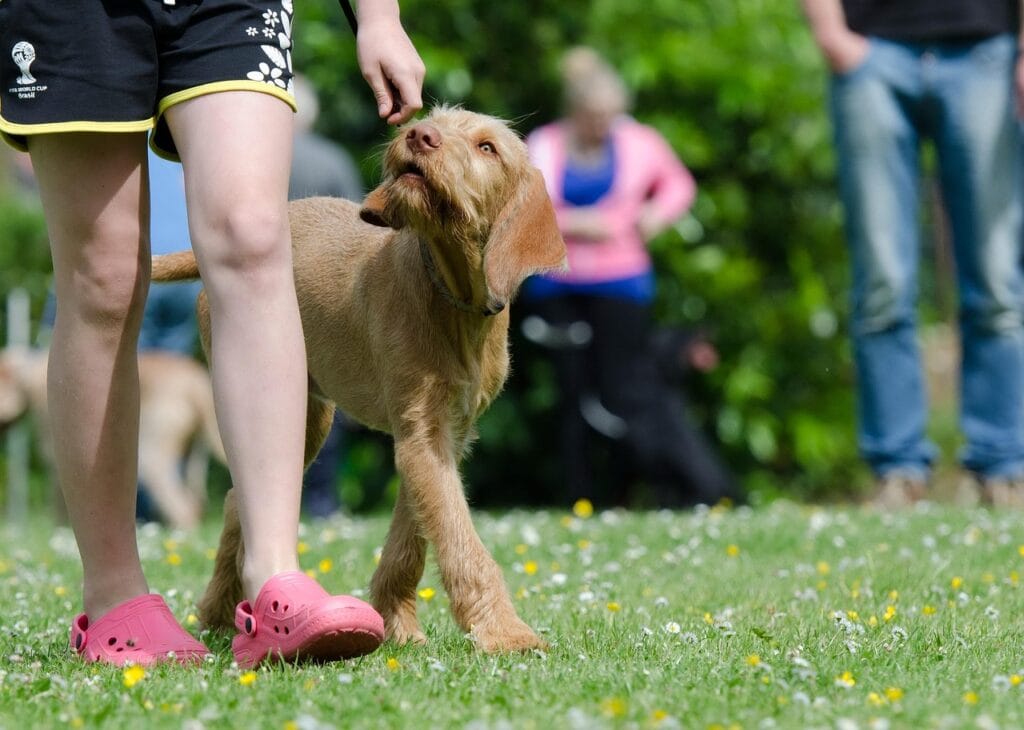
Clicker training is a positive reinforcement training method that uses a small handheld device called a clicker. The clicker makes a distinct “click” sound that marks the exact moment your dog performs the correct behavior.
The basic idea is simple:
- Dog performs the desired action
- You click the device immediately
- The dog receives a reward (usually a treat)
Over time, your dog learns that the click sound means they did something right, making it easier for them to understand what behavior you want.
Clicker training is commonly used for:
- basic obedience training
- puppy training
- trick training
- behavior correction
Because the click is precise and consistent, dogs often learn faster than with verbal praise alone.
Disclosure: As Amazon Associates, we earn from qualifying purchases at no extra cost to you.
Why Clicker Training Works So Well
Dogs learn through association. When they hear the click and immediately receive a reward, their brain links the behavior to a positive outcome.
The benefits of clicker training include:
- clear communication between dog and owner
- faster learning compared to traditional methods
- positive and stress-free training
- suitable for dogs of all ages
Even shy or anxious dogs often respond well to this method because it avoids punishment.
How to Clicker Train Your Dog (Step-by-Step Guide)
If you’re new to training, don’t worry. Learning how to clicker train your dog is simple when you follow these steps.
Step 1: Choose a Quiet Training Environment
Start training in a calm, distraction-free area such as your living room or backyard.
A quiet environment helps your dog:
- focus on you
- hear the click clearly
- avoid distractions
As your dog improves, you can slowly introduce more challenging environments.
Step 2: “Charge” the Clicker
Before training behaviors, your dog must learn that the click sound means a reward is coming.
To do this:
- Click the device once
- Immediately give your dog a treat
- Repeat 10–15 times
Your dog will begin to associate the click with something positive.
Once your dog looks excited after hearing the click, the clicker is successfully charged.
Step 3: Start With Simple Behaviors
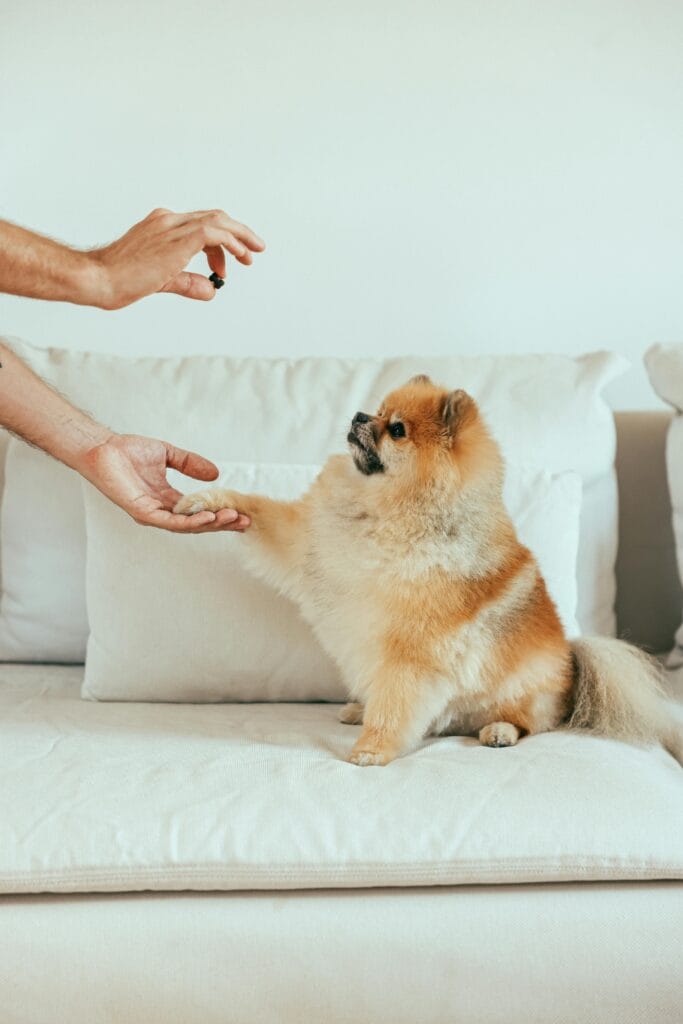
Begin with easy commands your dog may already understand, such as:
- sit
- lie down
- eye contact
For example, when training “sit”:
- Ask your dog to sit
- The moment their bottom touches the floor, click
- Give a treat immediately
The key is perfect timing. The click must happen exactly when the behavior occurs.
Step 4: Repeat Short Training Sessions
Dogs learn best in short sessions.
Ideal training sessions:
- 5–10 minutes long
- 2–3 times per day
- consistent every day
Keeping sessions short helps your dog stay focused and motivated.
Step 5: Add Verbal Commands
Once your dog understands the behavior, start adding a verbal cue.
For example:
- Say “Sit”
- Dog sits
- Click
- Reward
After enough repetition, your dog will respond to the verbal command alone.
Step 6: Gradually Reduce Treats
Treats are important early in training, but they don’t need to be permanent.
Over time you can:
- replace some treats with praise
- reward randomly
- use toys instead of food
This helps maintain behavior without relying entirely on treats.
Helpful Tools That Make Clicker Training Easier
This article contains affiliate links. As an Amazon Associate, we earn from qualifying purchases.
While clicker training can be done with very little equipment, a few simple tools can make the process much easier for beginners.
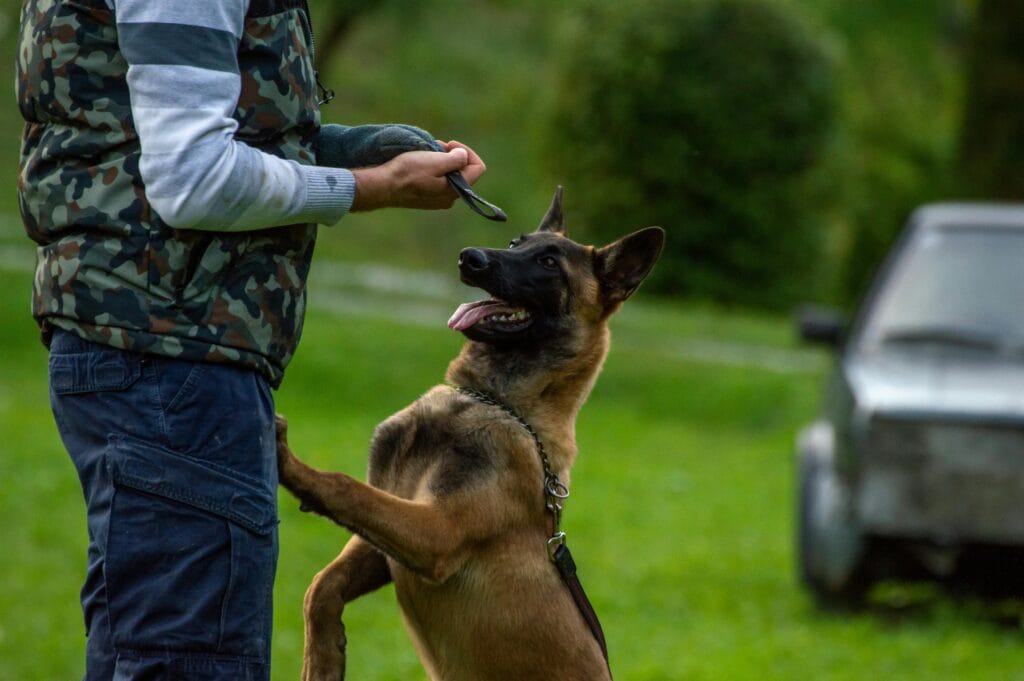
Dog Training Clicker
A dog training clicker is the most important tool.
Look for a clicker that:
- produces a clear sound
- is easy to press
- includes a wrist strap
These small devices are inexpensive and extremely effective for marking correct behavior.
Training Treat Pouch
A treat pouch allows you to reward your dog quickly during training.
Benefits include:
- faster access to treats
- keeps hands free
- prevents fumbling during training
Quick rewards help dogs connect the click with the reward.
High-Value Training Treats
Small, soft treats work best for clicker training.
Good training treats should be:
- small bite-size pieces
- soft and easy to chew
- highly motivating for your dog
High-value treats are especially helpful when training in distracting environments.
Practical Tips for Successful Clicker Training
Many dog owners give up too quickly when training doesn’t work immediately. These tips can make training smoother and faster.
Keep Training Fun
Dogs learn best when training feels like a game.
Use:
- enthusiastic praise
- exciting rewards
- playful energy
If your dog looks bored or frustrated, end the session and try again later.
Be Consistent
Consistency is the most important factor in training success.
Make sure:
- the click always comes at the correct moment
- rewards follow the click every time
- everyone in the household uses the same commands
Mixed signals can slow down learning.
Use Small Treats
Large treats slow down training.
Instead use:
- tiny pieces of chicken
- small soft training treats
- low-calorie dog treats
This allows you to reward your dog many times during a session.
Common Clicker Training Mistakes
Even though clicker training is simple, beginners sometimes make mistakes that slow progress.
Clicking Too Late
Timing matters. If you click too late, your dog may associate the reward with the wrong behavior.
Practice clicking at the exact moment the desired action occurs.
Repeating Commands Too Often
Many owners repeat commands multiple times:
“Sit… sit… sit… SIT!”
This confuses dogs.
Instead:
- give the command once
- wait for the behavior
- reward immediately
Training Sessions That Are Too Long
Long sessions can overwhelm your dog.
Signs your dog needs a break:
- losing focus
- ignoring commands
- walking away
Short sessions keep training productive.
Conclusion
Learning how to clicker train your dog is one of the most effective ways to teach good behavior using positive reinforcement. By clearly marking the moment your dog performs the correct action, clicker training helps dogs understand exactly what you want from them.
Start with simple behaviors, keep training sessions short, and reward your dog consistently. With patience and practice, your dog will quickly learn new commands and develop better habits.
Clicker training not only improves obedience but also strengthens the bond between you and your dog, making training a rewarding experience for both of you.
FAQ
Is clicker training good for all dogs?
Yes. Clicker training works for most dogs, including puppies, adult dogs, and even older dogs. It is a positive and stress-free training method.
How long does clicker training take to work?
Many dogs start understanding the clicker within a few sessions. Consistent training over several weeks usually leads to noticeable progress.
Can you clicker train an older dog?
Absolutely. Older dogs can learn new behaviors just as well as puppies. Clicker training is especially effective because it uses clear communication.
Do you always need treats for clicker training?
Treats are useful in the beginning, but over time you can replace some rewards with praise, toys, or playtime.
How often should I train my dog with a clicker?
Short sessions 2–3 times per day work best. Each session should last about 5–10 minutes to keep your dog engaged.
You may also like: