How to Build a Dog First Aid Kit
Accidents and minor injuries can happen at any time, whether your dog is playing outside, hiking on a trail, or simply exploring the backyard. Knowing how to build a dog first aid kit ensures you’re prepared to handle minor emergencies quickly and safely.
Just like people, dogs can experience small cuts, insect bites, paw injuries, or other minor issues that require immediate attention. Having the right supplies ready can help you stabilize the situation until you can seek veterinary care if necessary.
A dog first aid kit is not meant to replace professional veterinary treatment. Instead, it helps you manage small injuries, provide temporary care, and respond calmly during unexpected situations.
In this guide, you’ll learn:
- how to build a dog first aid kit step by step
- essential items every dog first aid kit should contain
- how to store and maintain your kit
- practical tips for using first aid supplies safely
- helpful products that make emergency care easier
With a well-prepared kit, you’ll be ready to respond quickly and confidently when your dog needs help.
Disclosure: As Amazon Associates, we earn from qualifying purchases at no extra cost to you.
Why Every Dog Owner Needs a First Aid Kit
Before learning how to build a dog first aid kit, it’s important to understand why preparation matters.
Dogs are naturally curious and active animals. During everyday activities they may encounter situations that lead to minor injuries.
Common situations where a first aid kit is helpful include:
- small cuts or scrapes
- insect stings or bites
- torn paw pads
- mild allergic reactions
- minor burns or irritations
Quick access to basic supplies allows you to clean wounds, control bleeding, and prevent infection until professional care is available.
Being prepared can also reduce panic during stressful situations.
Where to Keep Your Dog First Aid Kit
Once you learn how to build a dog first aid kit, deciding where to store it is equally important.
Your kit should be easily accessible but stored safely.
Good locations include:
- near your dog’s grooming supplies
- in a kitchen cabinet
- near your pet care supplies
Many dog owners also keep an additional kit in their car for outdoor adventures or travel.
Having supplies available both at home and on the go ensures you’re always prepared.
How to Build a Dog First Aid Kit (Step-by-Step Guide)
Learning how to build a dog first aid kit involves gathering basic medical supplies that help manage common minor injuries.
Step 1: Choose a Durable Storage Container
Start by selecting a sturdy container to hold your supplies.
Good options include:
- small plastic storage boxes
- waterproof containers
- zippered travel kits
Your container should be easy to carry and clearly labeled.
Keeping items organized helps you respond quickly during emergencies.
Step 2: Add Basic Wound Care Supplies
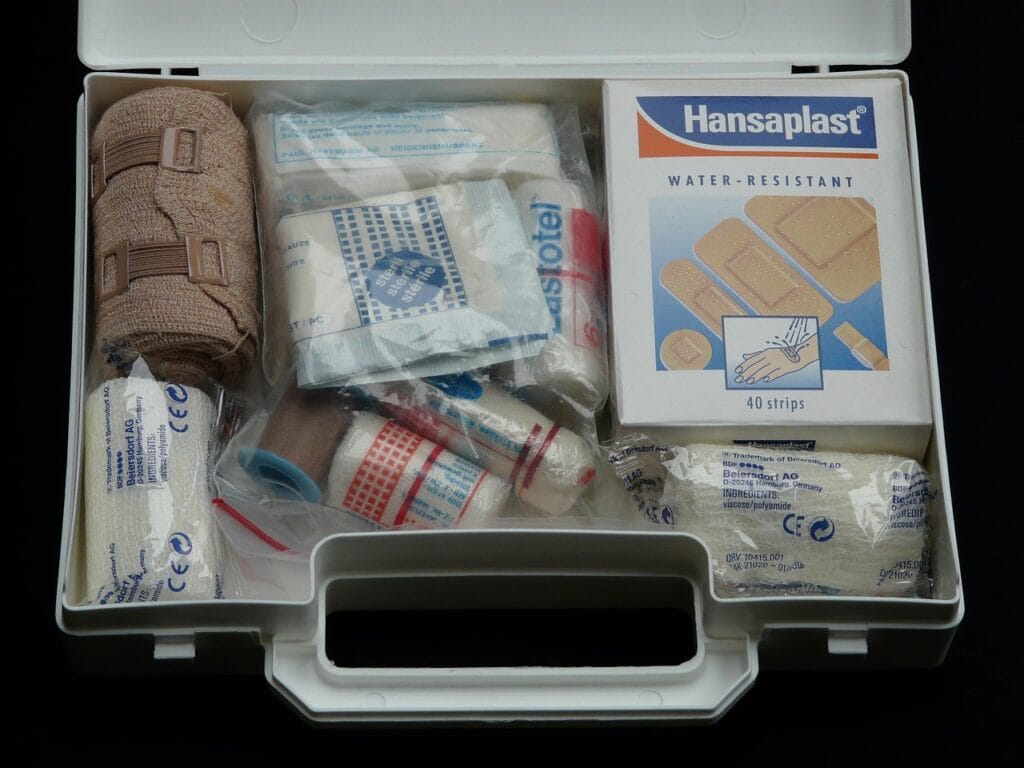
Wound care items are essential for treating cuts or scrapes.
Important supplies include:
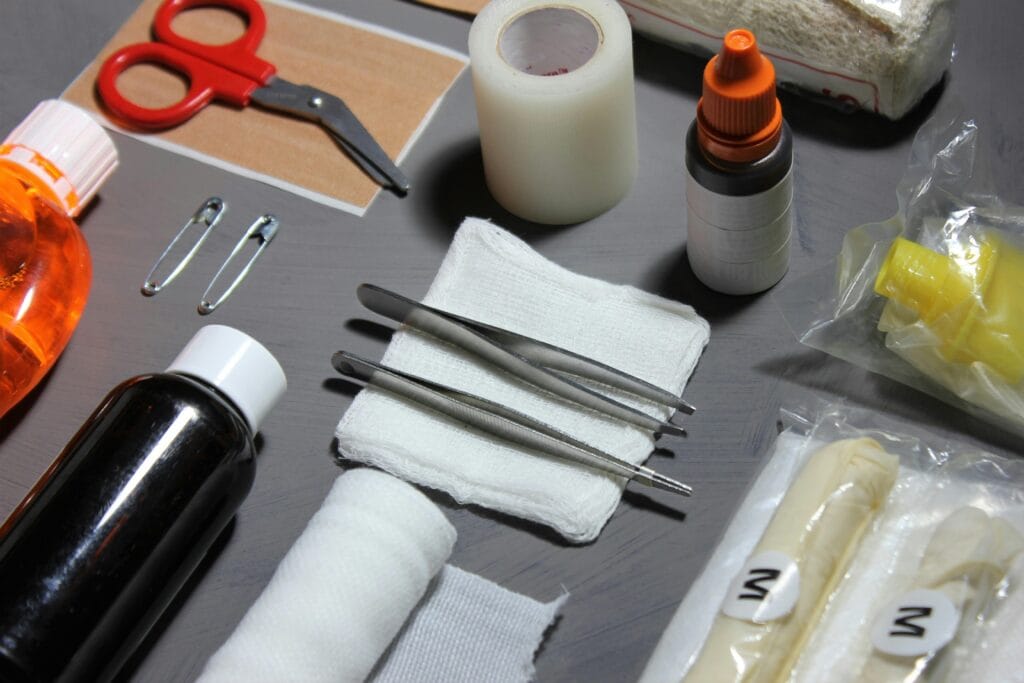
- sterile gauze pads
- adhesive bandages
- medical tape
- antiseptic wipes
- saline solution for cleaning wounds
These supplies help stop bleeding and keep wounds clean.
Step 3: Include Tools for Safe Handling
Certain tools help you manage injuries safely.
Useful items include:
- blunt-tip scissors
- tweezers
- disposable gloves
- digital thermometer
These tools help with tasks like removing debris or checking body temperature.
Step 4: Add Emergency Contact Information
Include a small card listing important contacts such as:
- your veterinarian
- nearest emergency animal clinic
- poison control hotline
Having these numbers readily available saves time during emergencies.
Step 5: Include Protective Supplies
Some situations require temporary protection for injured areas.
Helpful items include:
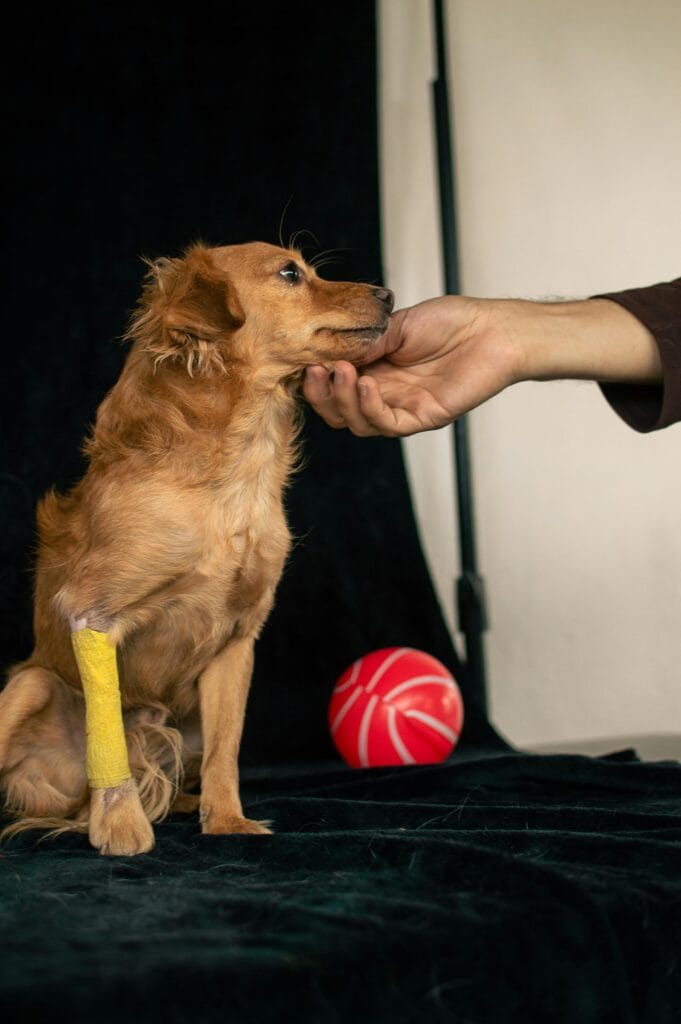
- elastic bandages
- non-stick wound pads
- pet-safe antiseptic spray
These supplies help protect injuries until veterinary care is available.
Step 6: Add Comfort Items
When dogs are injured or stressed, comfort can help them remain calm.
Helpful comfort items may include:
- small blanket
- soft towel
- calming chew toy
Keeping dogs relaxed makes it easier to provide care.
Helpful Products to Include in a Dog First Aid Kit
This article contains affiliate links. As an Amazon Associate, we earn from qualifying purchases.
Certain products can make a dog first aid kit more effective.
Pet First Aid Kit
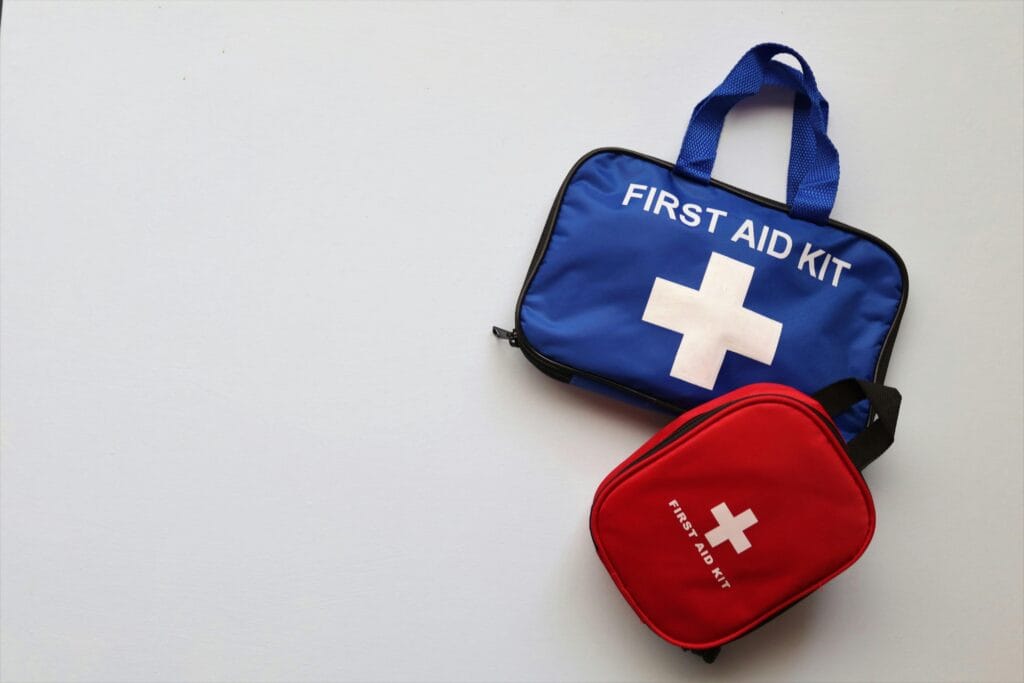
A pre-assembled pet first aid kit can be a convenient starting point.
Benefits include:
- essential medical supplies included
- compact organization
- portable design
Many kits include items such as gauze, antiseptic wipes, and bandages.
Pet-Safe Antiseptic Spray
A pet antiseptic spray helps disinfect small wounds safely.
Benefits include:
- preventing infection
- easy application
- safe use on dog skin
Tick Removal Tool
A tick removal tool is useful for dogs that spend time outdoors.
Benefits include:
- safe tick removal
- reducing risk of infection
- quick parasite removal
Portable Dog Water Bottle
A portable water bottle helps keep dogs hydrated during outdoor activities.
Benefits include:
- convenient hydration
- travel-friendly design
- helpful during long walks or hikes
Practical Tips for Maintaining Your Dog First Aid Kit
Creating a first aid kit is only the first step.
These habits help keep your kit ready for emergencies.
Check Supplies Regularly
Medical supplies may expire or become damaged.
Review your kit every few months and replace items when needed.
Keep Supplies Organized
Organized supplies make it easier to find what you need quickly.
Small labeled compartments can help.
Learn Basic Dog First Aid
Understanding basic first aid techniques helps you respond confidently during emergencies.
Consider learning:
- how to clean wounds
- how to stop bleeding
- how to safely handle injured dogs
Take the Kit When Traveling
Outdoor adventures, camping trips, and long walks can increase injury risk.
Bringing your first aid kit ensures you’re prepared anywhere.
Common Mistakes When Building a Dog First Aid Kit
Avoiding these mistakes can make your kit more effective.
Forgetting Important Contact Numbers
In emergencies, having quick access to veterinary contacts is critical.
Using Human Medications
Some human medications are dangerous for dogs.
Only use products approved for pets.
Not Checking the Kit Regularly
Expired or missing supplies reduce the usefulness of the kit.
Routine checks ensure readiness.
Keeping the Kit in Hard-to-Reach Locations
Emergency supplies should always be easily accessible.
Conclusion
Learning how to build a dog first aid kit helps ensure you’re prepared for minor emergencies that may occur during everyday life. Having essential supplies on hand allows you to respond quickly and provide immediate care for small injuries.
While a first aid kit cannot replace professional veterinary care, it plays an important role in managing minor wounds, reducing stress during emergencies, and protecting your dog’s health.
By assembling basic medical supplies, maintaining your kit regularly, and keeping it accessible, you’ll be better prepared to care for your dog when unexpected situations arise.
Prepared dog owners can respond calmly and confidently, ensuring their pets stay safe and protected.
FAQ
What should be in a dog first aid kit?
A basic kit should include gauze, antiseptic wipes, bandages, tweezers, gloves, and emergency contact information.
Can I use human first aid supplies for my dog?
Some items like gauze and bandages are safe, but medications should always be pet-specific.
Where should I store a dog first aid kit?
Keep it in an easily accessible location at home and consider a second kit for travel.
How often should I check my first aid kit?
Review the kit every few months to replace expired or used supplies.
Is a dog first aid kit necessary?
Yes. Being prepared allows you to provide quick care during minor emergencies and protect your dog’s health.
You may also like: