Are Rubber Dog Toys Better Than Nylon?
Introduction
Are rubber dog toys better than nylon? That’s exactly what I started wondering after my dog went through a phase of destroying toys faster than I could replace them.
At first, I bought soft toys — mistake.
Then I tried harder ones… and suddenly I was worried about his teeth.
If you’ve ever stood in a pet store comparing rubber and nylon toys, wondering which one is actually better (and safer), you’re definitely not alone.
Disclosure: As Amazon Associates, we earn from qualifying purchases at no extra cost to you.
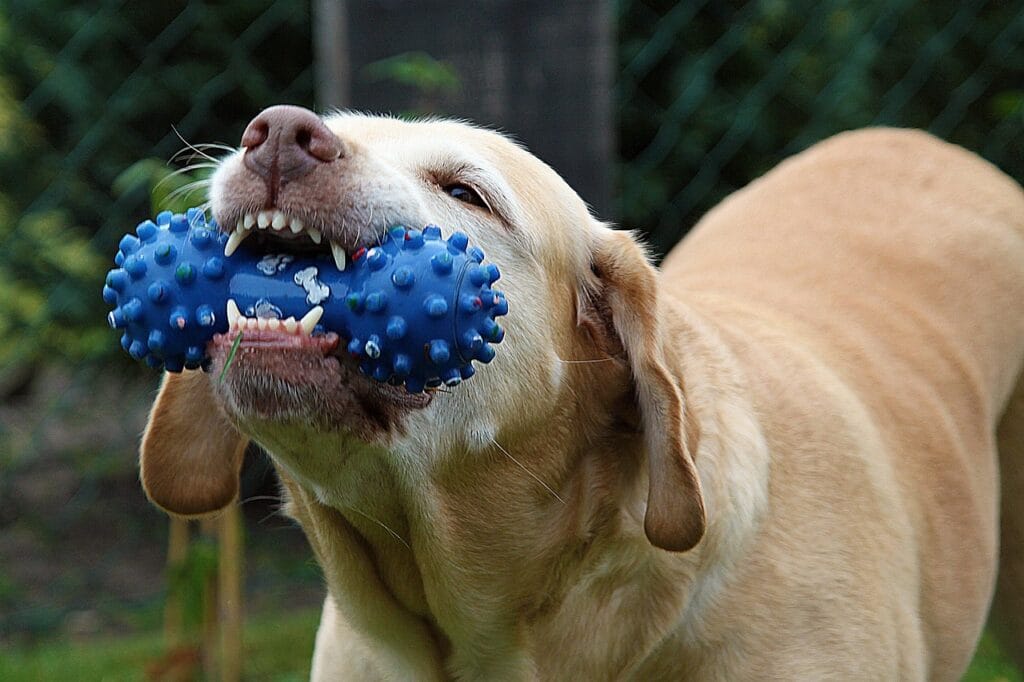
The truth is:
👉 Both rubber and nylon toys have their place — but they’re not interchangeable.
In this guide, I’ll break down are rubber dog toys better than nylon, based on real-life experience and what actually works.
Quick Answer: Rubber vs Nylon
- Rubber toys → safer, more flexible, better for most dogs
- Nylon toys → harder, more durable, better for extreme chewers
👉 Best overall: Rubber
👉 Best for aggressive chewers: Nylon
Comparison Table
| Material | Best For | Key Feature | Price Range |
|---|---|---|---|
| Rubber (KONG) | Safety + versatility | Flexible | $$ |
| Nylon (Nylabone) | Heavy chewing | Very hard | $ |
Are Rubber Dog Toys Better Than Nylon? (Full Breakdown)
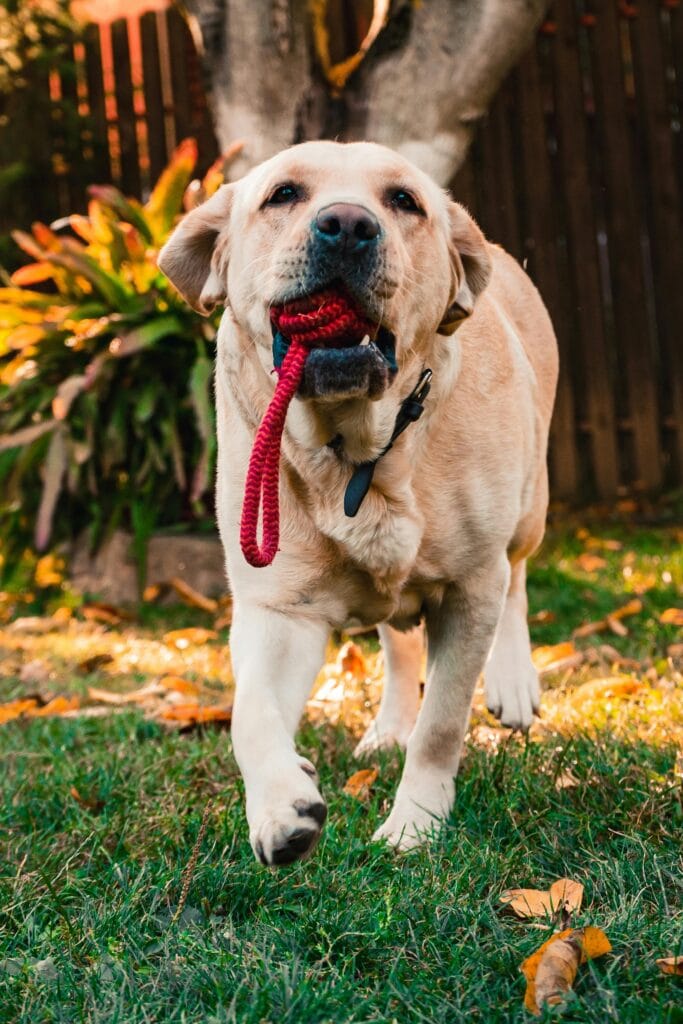
Rubber toys
- flexible
- absorb pressure
- less likely to damage teeth
👉 ideal for most dogs
Nylon toys
- extremely hard
- designed for heavy chewing
- long-lasting
👉 best for power chewers
Rubber Dog Toys (Detailed Review)
Best for: Most dogs
Not for: extreme destroyers
Why rubber works
It bends under pressure instead of breaking.
Pros
- safer for teeth
- versatile (can be stuffed)
- durable
Cons
- can wear down
- not always long-lasting
Real-life use
Perfect for:
- daily play
- enrichment
- moderate chewers
Nylon Dog Toys (Detailed Review)
Best for: Aggressive chewers
Not for: dogs with sensitive teeth
Why nylon works
It resists chewing instead of bending.
Pros
- extremely durable
- long-lasting
Cons
- very hard
- potential tooth wear
Real-life use
Best for dogs that:
- destroy rubber toys
- chew constantly
Real-Life Comparison: What Actually Lasts Longer?
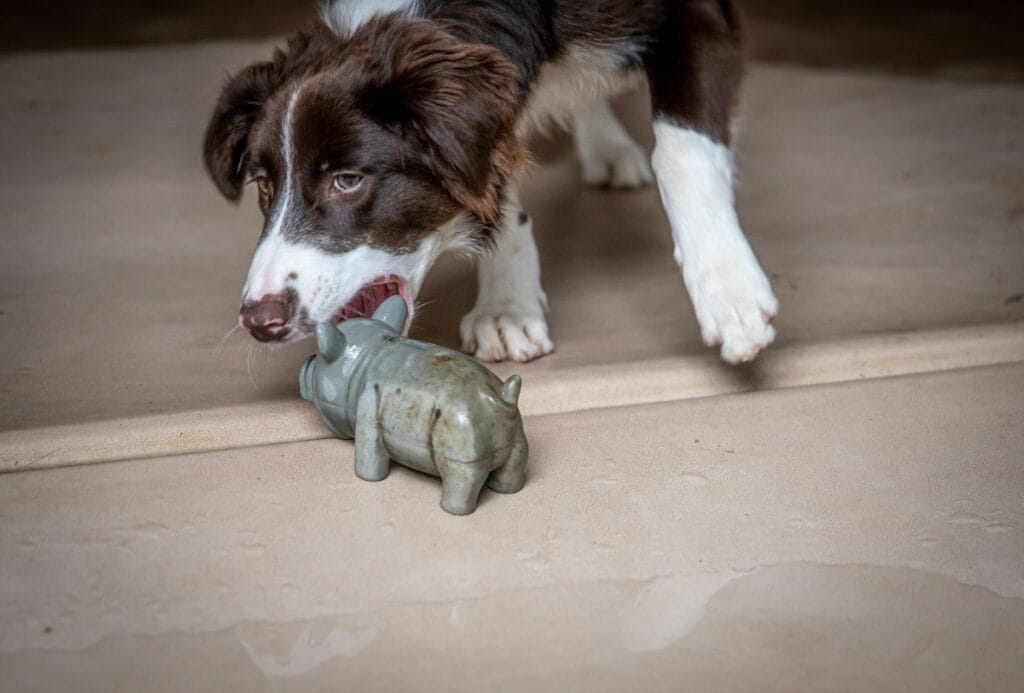
Rubber toys
- wear down over time
- safer
Nylon toys
- last longer
- show slower wear
👉 If durability is your only goal → nylon wins
👉 If safety matters → rubber wins
Safety Comparison (Very Important)

Rubber
- softer
- safer for teeth
- less risk of damage
Nylon
- harder
- risk of tooth wear
- must be monitored
👉 For most dogs, rubber is the safer option.
Buyer’s Guide: Which Should You Choose?
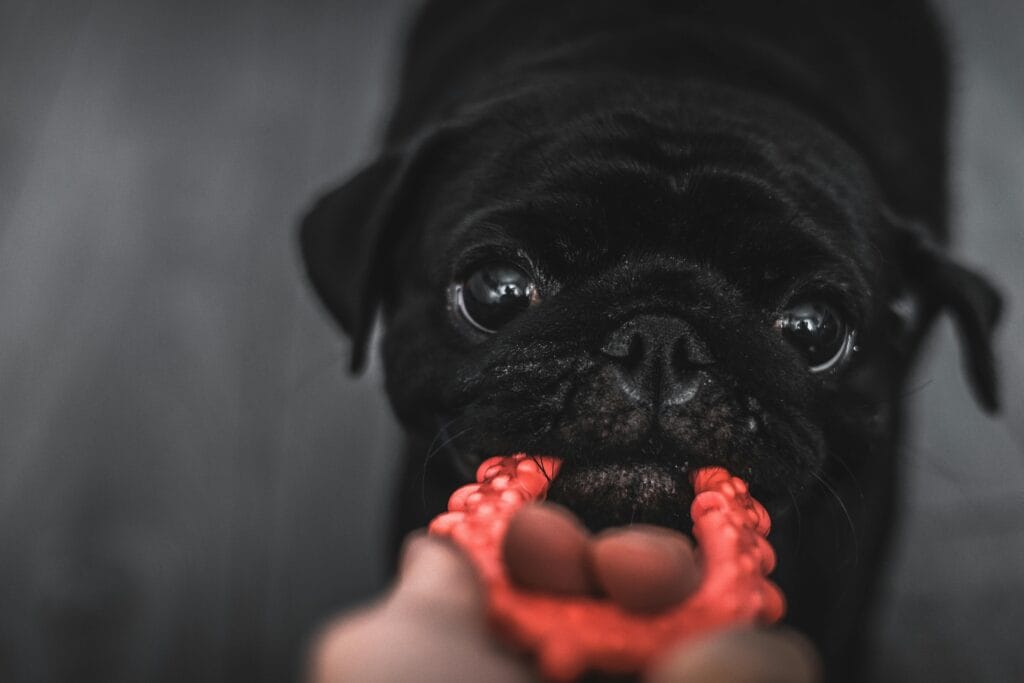
Choose rubber if:
- your dog is a moderate chewer
- you want safety
- you use enrichment toys
Choose nylon if:
- your dog destroys everything
- chewing is constant
- durability is top priority
Common Mistakes to Avoid
- choosing based only on durability
- ignoring safety
- using wrong size
You may also like:
- Best Dog Toys for Aggressive Chewers
- Best No-Pull Harness for Strong Dogs
- Best Orthopedic Dog Beds for Senior Dogs
Conclusion
Are rubber dog toys better than nylon?
👉 For most dogs — yes.
They’re safer, more versatile, and easier on your dog’s teeth.
But if you’re dealing with a true power chewer, nylon toys can last significantly longer.
The best approach?
👉 Use both strategically.
FAQ
Are rubber dog toys better than nylon?
Yes for safety, but not always for durability.
Which lasts longer?
Nylon toys last longer.
Are nylon toys safe?
Yes, but should be monitored.
Can I use both?
Yes — recommended.
What’s best for aggressive chewers?
Nylon is usually better.