20 Smart Training Tips for Raising a Calm, Well-Behaved Dog
Every dog owner dreams of having a calm, friendly, and well-behaved companion. While some dogs naturally have relaxed personalities, good behavior usually comes from consistent training and positive daily habits. Learning 20 smart training tips for raising a calm, well-behaved dog can make life easier for both you and your pet.
Training isn’t just about teaching commands. It’s about helping your dog understand expectations, build confidence, and develop good habits that last a lifetime.
The good news is that most training success comes from simple routines and clear communication. Even small changes in how you interact with your dog can significantly improve behavior.
In this guide, you’ll discover:
- 20 smart training tips for raising a calm, well-behaved dog
- practical techniques for everyday training
- simple habits that reduce unwanted behavior
- helpful insights that strengthen the bond with your dog
Whether you have a puppy or an older dog, these tips can help you build better behavior and a more relaxed home environment.
20 Smart Training Tips for Raising a Calm, Well-Behaved Dog
1. Start Training Early
The earlier training begins, the easier it is for dogs to develop good habits.
Puppies are especially receptive to learning during their early months.
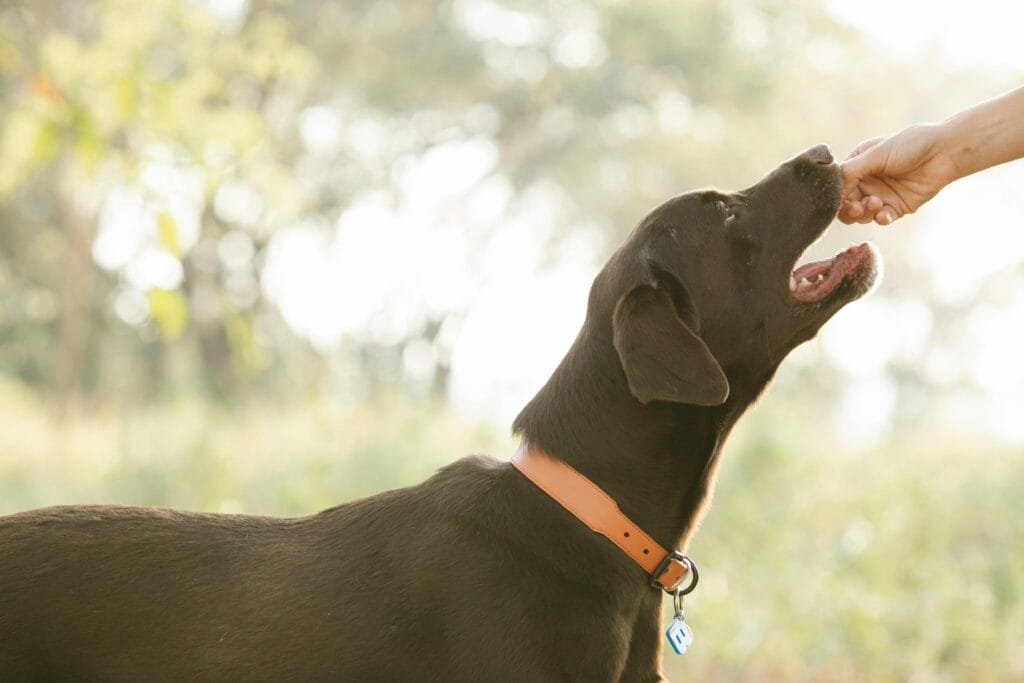
2. Use Positive Reinforcement
Reward-based training encourages dogs to repeat good behavior.
Praise, treats, and play are powerful motivators.
3. Keep Training Sessions Short
Dogs learn best in short sessions.
Five to ten minutes of focused training can be more effective than long sessions.
4. Be Consistent With Commands
Using the same words for commands prevents confusion.
For example, always say “sit” rather than switching between “sit down” or “sit here.”
5. Reward Calm Behavior
Many owners accidentally reward excitement instead of calm behavior.
Praise your dog when they are relaxed and patient.
6. Exercise Before Training
A dog with too much energy may struggle to focus.
Short walks or play sessions before training help dogs concentrate.
7. Teach Basic Commands First
Essential commands include:
- sit
- stay
- come
- down
These commands create the foundation for further training.
8. Socialize Your Dog
Exposure to different people, environments, and animals helps dogs remain calm in new situations.
Well-socialized dogs tend to be more confident and relaxed.
9. Avoid Harsh Punishment
Punishment can create fear and confusion.
Positive reinforcement builds trust and encourages learning.
10. Train in Different Environments
Dogs should practice commands in various settings.
Training indoors, outdoors, and in public spaces helps dogs generalize behaviors.
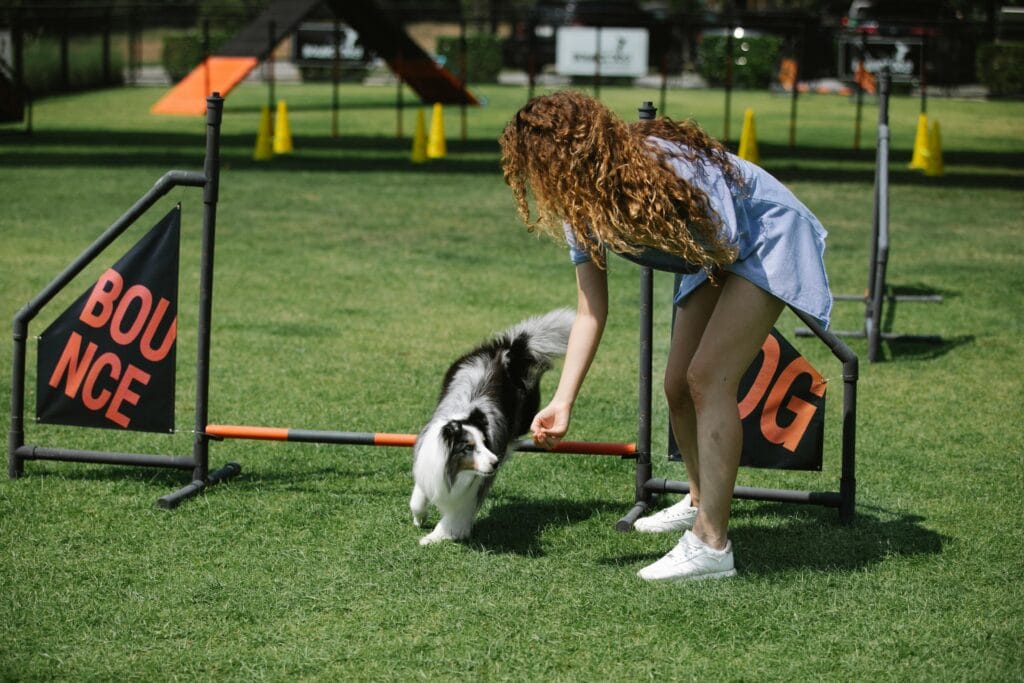
11. Be Patient
Training takes time and repetition.
Progress may be slow at first, but consistency leads to lasting results.
12. Use Clear Body Language
Dogs pay attention to posture and gestures.
Clear signals help reinforce verbal commands.
13. Avoid Overwhelming Your Dog
Too many commands or distractions can confuse dogs.
Focus on one skill at a time.
14. Teach Impulse Control
Impulse control exercises help dogs stay calm.
Examples include waiting before eating or sitting before greeting guests.
15. Encourage Calm Greetings
Teach your dog to greet people politely rather than jumping.
Reward calm sitting when guests arrive.
16. Use Routine to Build Stability
Dogs thrive on predictable schedules.
Consistent feeding, exercise, and training times reduce stress.
17. Provide Mental Stimulation
Mental challenges help prevent boredom-related behavior problems.
Puzzle games and scent activities are great options.
18. Practice Recall Regularly
Reliable recall keeps dogs safe.
Practice calling your dog back in different environments.
19. Reinforce Good Behavior Daily
Training doesn’t end after a few sessions.
Continue reinforcing positive behavior during everyday activities.
20. Strengthen Your Bond
Dogs respond best to owners they trust.
Spending quality time together improves communication and cooperation.

Helpful Products That Support Dog Training
This article contains affiliate links. As an Amazon Associate, we earn from qualifying purchases.
These tools can help make training easier and more effective.
Dog Training Clicker
Clickers mark correct behavior instantly.
Benefits include:
- clearer communication
- faster learning
- effective reward timing
Treat Training Pouch
Training pouches keep treats accessible during training.
Benefits include:
- quick rewards
- hands-free convenience
- ideal for walks and training sessions
Dog Agility Training Set
Agility equipment provides physical and mental stimulation.
Benefits include:
- improving coordination
- strengthening obedience
- providing engaging training activities
Long Training Lead
Long leads allow controlled freedom during training.
Benefits include:
- safer recall practice
- improved control
- ideal for outdoor training
Conclusion
Following these 20 smart training tips for raising a calm, well-behaved dog can dramatically improve your dog’s behavior and strengthen your relationship. Training is not just about commands—it’s about building trust, communication, and mutual understanding.
Dogs thrive when they receive consistent guidance, positive reinforcement, and plenty of mental and physical stimulation. Even small daily training sessions can produce noticeable improvements over time.
With patience and consistency, your dog can become the calm, well-mannered companion every owner hopes for.
FAQ
What is the best age to start dog training?
Training can begin as early as eight weeks of age.
How long should dog training sessions last?
Most dogs benefit from short sessions lasting 5–10 minutes.
Can older dogs still be trained?
Yes. Dogs of all ages can learn new behaviors with consistent training.
Why does my dog ignore commands?
Dogs may ignore commands if they are distracted, confused, or insufficiently trained.
How can I keep my dog calm around guests?
Teach calm greetings and reward your dog for sitting politely when people arrive.
You may also like: