Understanding Common Dog Allergies
Allergies are one of the most common health concerns affecting dogs. If you notice your dog scratching frequently, licking their paws, or developing irritated skin, allergies may be the cause. Understanding common dog allergies can help pet owners recognize symptoms early and provide the care their dogs need.
Just like humans, dogs can develop allergies to food ingredients, environmental substances, or parasites. These allergic reactions occur when a dog’s immune system overreacts to something that would normally be harmless.
Although allergies can sometimes be frustrating to manage, many dogs live comfortable lives when their allergies are properly identified and treated.
In this guide, we’ll explain:
- how dog allergies develop
- common symptoms of allergies in dogs
- possible causes of allergic reactions
- what dog owners should do if they suspect allergies
- practical ways to support dogs with sensitive skin or immune responses
By learning how allergies affect dogs, owners can take proactive steps to keep their pets comfortable and healthy.
Disclosure: As Amazon Associates, we earn from qualifying purchases at no extra cost to you.

Understanding Common Dog Allergies
To fully understand common dog allergies, it’s important to know how allergic reactions occur.
An allergy develops when the immune system identifies a harmless substance as a threat. In response, the body releases chemicals such as histamines, which trigger symptoms like itching, inflammation, and irritation.
Dogs can experience several types of allergies, including:
- environmental allergies
- food allergies
- flea allergies
- contact allergies
Each type affects dogs differently and may require specific treatment or lifestyle adjustments.
Common Signs and Symptoms of Dog Allergies
Dogs often show allergies through their skin and digestive system. Recognizing the symptoms early can help prevent discomfort and complications.
Itchy Skin
One of the most common symptoms of dog allergies is persistent itching.
Dogs may scratch:
- their ears
- their belly
- their sides
- their legs
Excessive scratching can lead to redness or skin infections if left untreated.
Paw Licking and Chewing
Dogs with allergies often lick or chew their paws repeatedly.
This behavior may occur because allergens come into contact with the paws during outdoor activities.
Frequent licking can cause:
- irritated skin
- hair loss
- redness between toes

Ear Infections
Allergies may cause recurring ear problems in dogs.
Symptoms include:
- head shaking
- ear scratching
- unusual odor from ears
- redness inside the ear canal
Dogs with chronic ear infections may have underlying allergies.
Skin Redness or Hot Spots
Some dogs develop inflamed patches of skin known as hot spots.
These areas may appear:
- red
- moist
- irritated
Hot spots can become painful if untreated.
Digestive Issues
Food allergies sometimes affect digestion.
Possible symptoms include:
- vomiting
- diarrhea
- gas
- stomach discomfort
Digestive symptoms may appear shortly after eating trigger ingredients.
Possible Causes of Dog Allergies
Several factors can trigger allergic reactions in dogs.
Identifying the cause helps determine the most effective treatment.
Environmental Allergens
Environmental allergies are sometimes called atopic dermatitis.
Common environmental triggers include:
- pollen
- dust mites
- mold spores
- grass
These allergens often cause skin irritation and itching.
Dogs may experience seasonal flare-ups depending on the allergen.
Food Allergies
Food allergies occur when a dog reacts to certain ingredients in their diet.
Common triggers include:
- beef
- chicken
- dairy
- wheat
- soy
Unlike environmental allergies, food allergies may also cause digestive symptoms.
Flea Allergies
Some dogs develop an allergic reaction to flea saliva.
Even a single flea bite can trigger severe itching in sensitive dogs.
Dogs with flea allergies may scratch intensely near the base of the tail or lower back.
Contact Allergies
Contact allergies occur when a dog’s skin reacts to substances that touch their body.
Possible triggers include:
- certain shampoos
- cleaning chemicals
- lawn treatments
- synthetic fabrics
These reactions usually appear on areas that touch the ground or objects frequently.
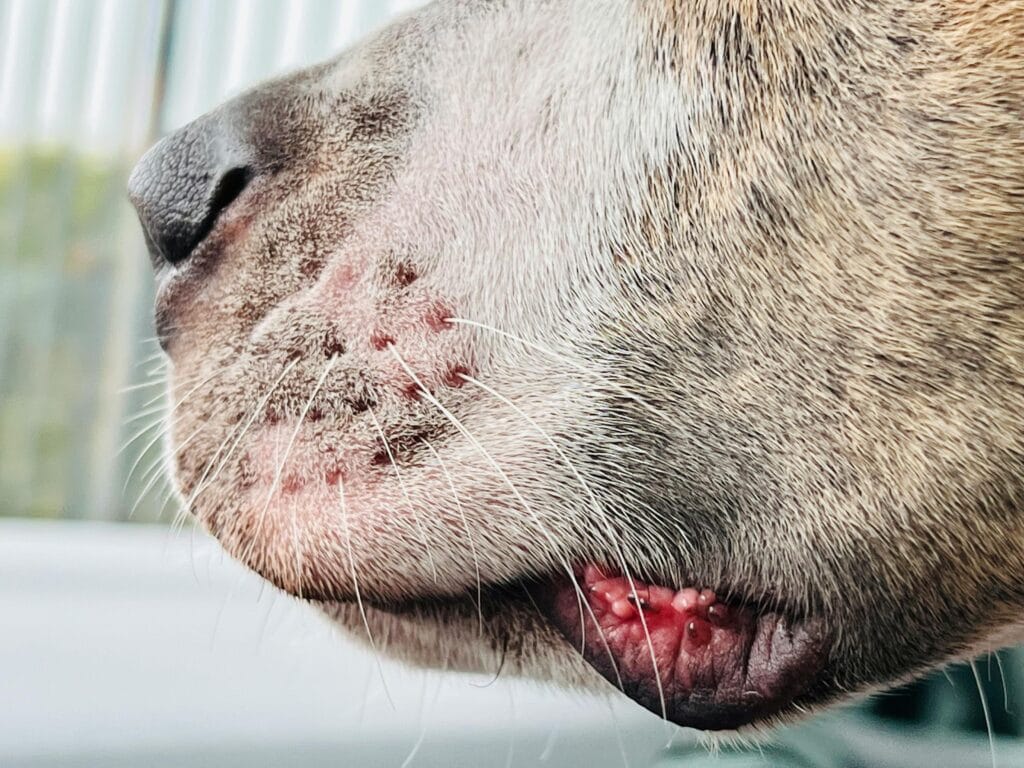
What Dog Owners Should Do Next
If you suspect your dog has allergies, it is important to observe patterns in their symptoms.
Consider noting:
- when symptoms occur
- what foods your dog eats
- environmental changes
- flea exposure
A veterinarian can help diagnose allergies through:
- physical examination
- elimination diets
- allergy testing
Accurate diagnosis allows for more effective treatment.
Early intervention can help prevent complications such as skin infections.
Helpful Tips for Managing Dog Allergies
While allergies cannot always be completely cured, they can often be managed successfully.
Maintain Regular Grooming
Regular brushing and bathing help remove allergens from your dog’s coat.
Gentle grooming also helps prevent skin irritation.
Keep Your Home Clean
Reducing environmental allergens can help sensitive dogs.
Helpful habits include:
- frequent vacuuming
- washing dog bedding regularly
- reducing dust buildup
Use Flea Prevention
Consistent flea prevention is essential for dogs with flea allergies.
Preventing flea bites can significantly reduce symptoms.
Monitor Diet Carefully
If food allergies are suspected, a veterinarian may recommend an elimination diet to identify trigger ingredients.
Maintaining consistent feeding routines helps avoid accidental exposure.
Helpful Products for Dogs With Allergies
This article contains affiliate links. As an Amazon Associate, we earn from qualifying purchases.
Certain products may help support dogs with sensitive skin or allergies.
Hypoallergenic Dog Shampoo
Hypoallergenic shampoos are designed for dogs with sensitive skin.
Benefits include:
- soothing irritated skin
- reducing itching
- gentle cleansing without harsh chemicals
Dog Omega-3 Supplements
Omega-3 fatty acids support skin health.
Benefits include:
- reducing inflammation
- improving coat condition
- supporting immune function
Air Purifier for Pet Owners
Air purifiers can help reduce airborne allergens inside the home.
Benefits include:
- improving indoor air quality
- reducing dust and pollen
- helping dogs sensitive to environmental allergens
Elevated Dog Bed
Elevated beds allow airflow under the dog and help keep skin dry and comfortable.
Benefits include:
- reducing moisture buildup
- improving comfort
- supporting joint health

Conclusion
Understanding common dog allergies helps pet owners recognize symptoms early and take steps to keep their dogs comfortable. Allergies can affect a dog’s skin, ears, digestive system, and overall well-being.
By identifying potential triggers, maintaining proper grooming routines, and working with a veterinarian when needed, many dogs with allergies can enjoy healthy and active lives.
Awareness and early care are the most effective tools for managing allergies and preventing long-term complications.
With proper support and attention, dogs with allergies can remain happy, comfortable companions for years to come.
FAQ
What are the most common dog allergies?
Environmental allergens, food allergies, and flea allergies are the most common types affecting dogs.
How can I tell if my dog has allergies?
Common signs include itching, paw licking, ear infections, skin redness, and digestive issues.
Can dog allergies be cured?
Most allergies cannot be completely cured, but they can usually be managed effectively.
What foods cause allergies in dogs?
Common triggers include beef, chicken, dairy, wheat, and soy.
When should I take my dog to the vet for allergies?
If symptoms persist, worsen, or cause significant discomfort, veterinary evaluation is recommended.
You may also like: