How a Dog’s Digestive System Works
Understanding how a dog’s digestive system works can help pet owners make better decisions about nutrition, feeding routines, and overall health care. A dog’s digestive system is responsible for breaking down food, absorbing nutrients, and eliminating waste. When digestion works properly, dogs receive the energy and nutrients they need to stay healthy and active.
While dogs share some digestive similarities with humans, their digestive system is designed differently. Dogs process food faster and rely more heavily on protein and fats in their diet. Knowing how digestion functions can help owners recognize potential problems and support their dog’s well-being.
In this guide, we’ll explain:
- how a dog’s digestive system works step by step
- the organs involved in digestion
- signs that indicate digestive issues
- common causes of digestive problems
- simple ways to support healthy digestion
Learning about digestion helps dog owners understand what happens inside their dog’s body after every meal.
Disclosure: As Amazon Associates, we earn from qualifying purchases at no extra cost to you.
How a Dog’s Digestive System Works
To understand how a dog’s digestive system works, it’s helpful to follow the journey food takes from the moment a dog eats until nutrients are absorbed and waste is eliminated.
The digestive process typically involves the following stages:
- Mouth and chewing
- Esophagus transport
- Stomach digestion
- Small intestine nutrient absorption
- Large intestine water absorption
- Waste elimination
Each stage plays an important role in converting food into usable energy and nutrients.

The First Step: Digestion Begins in the Mouth
Digestion begins as soon as a dog takes a bite of food.
Dogs use their teeth to tear and crush food rather than chew it thoroughly like humans. Because dogs tend to swallow food quickly, the stomach performs much of the digestive work.
Saliva helps moisten food and allows it to travel smoothly through the digestive tract.
After swallowing, food moves into the esophagus.
The Esophagus: Moving Food to the Stomach
The esophagus is a muscular tube connecting the mouth to the stomach.
Special muscle contractions called peristalsis push food downward into the stomach.
This process occurs automatically and does not require conscious effort.
Once food reaches the stomach, digestion becomes more intensive.
The Stomach: Breaking Down Food
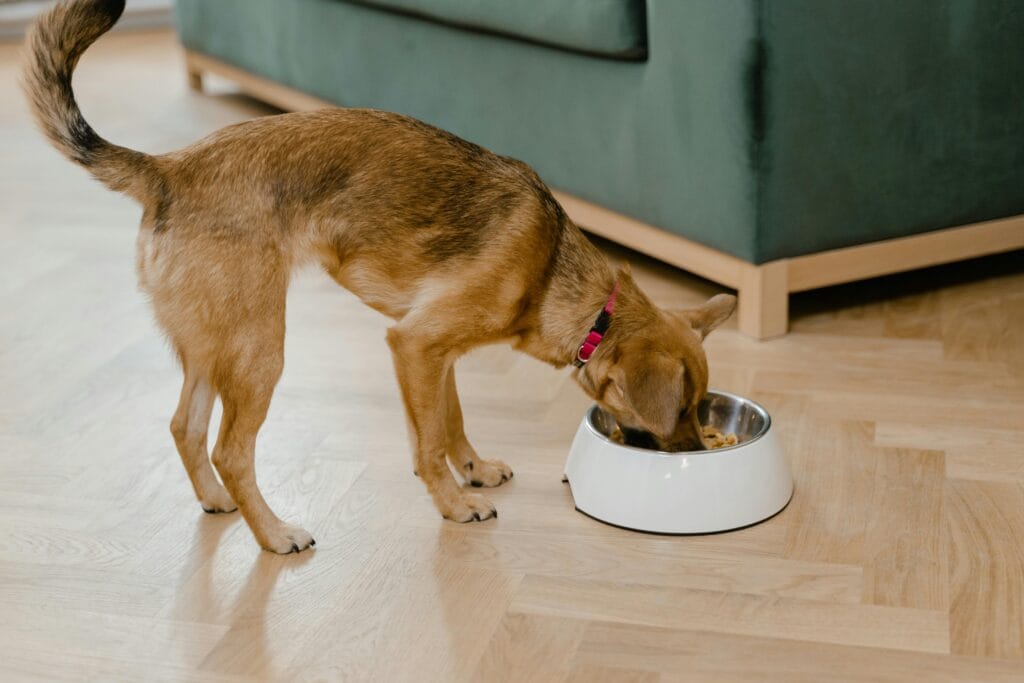
The stomach plays a major role in digestion.
Dogs have strong stomach acids that help break down proteins and fats. These acids also help destroy harmful bacteria that may be present in food.
The stomach mixes food with digestive enzymes and acids to create a semi-liquid mixture called chyme.
Dogs typically digest food in the stomach for several hours before it moves into the small intestine.
The Small Intestine: Nutrient Absorption
The small intestine is where most nutrient absorption occurs.
It is divided into three sections:
- duodenum
- jejunum
- ileum
Here, digestive enzymes from the pancreas and bile from the liver help break down nutrients further.
Important nutrients absorbed in the small intestine include:
- proteins
- fats
- carbohydrates
- vitamins
- minerals
These nutrients then enter the bloodstream and provide energy for the body.
The Large Intestine: Water Absorption
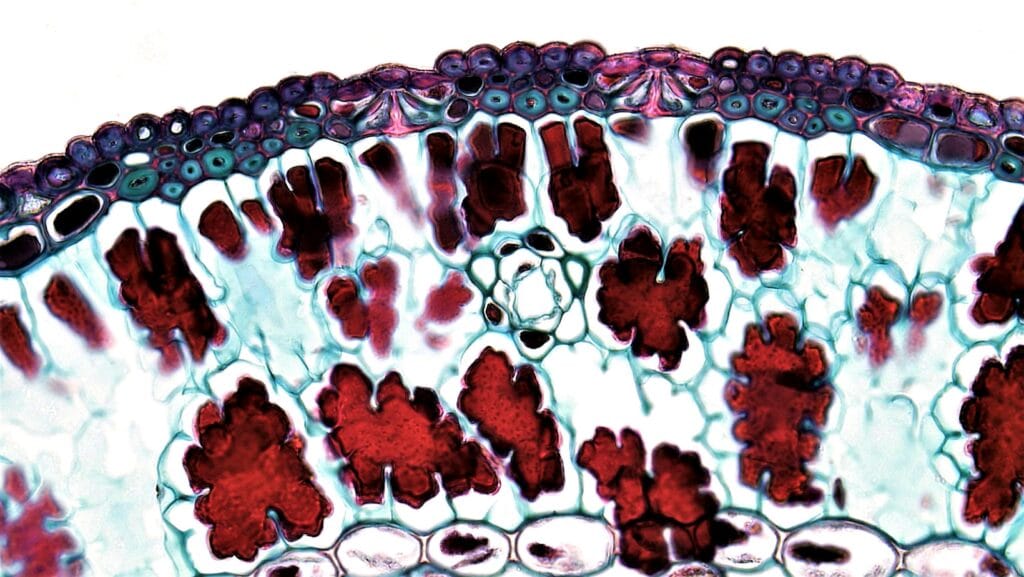
After nutrients are absorbed, the remaining material moves into the large intestine.
The large intestine absorbs:
- water
- electrolytes
This stage helps solidify waste before elimination.
Beneficial bacteria in the large intestine also assist with digestion and help maintain gut health.
Signs of Digestive Problems in Dogs
When a dog’s digestive system works properly, digestion occurs smoothly without discomfort. However, digestive problems may sometimes occur.
Common signs of digestive issues include:
- vomiting
- diarrhea
- excessive gas
- loss of appetite
- weight loss
- abdominal discomfort
If these symptoms persist, a veterinarian should evaluate the dog.
Possible Causes of Digestive Issues
Several factors can affect a dog’s digestion.
Understanding these causes can help prevent problems.
Sudden Diet Changes
Dogs may develop digestive upset when food is changed too quickly.
Gradually transitioning to new food helps avoid stomach upset.
Eating Unsafe Foods
Certain human foods can cause digestive distress in dogs.
Examples include:
- fatty foods
- spicy foods
- chocolate
- onions
These foods may irritate the digestive system.
Food Sensitivities
Some dogs have sensitivities to specific ingredients such as certain proteins or grains.
Symptoms may include digestive upset or skin irritation.
Stress
Stress can influence digestion in dogs just as it does in humans.
Changes in routine or environment may sometimes affect appetite or digestion.
What Dog Owners Should Do Next
If a dog shows mild digestive upset, owners can often help by:
- ensuring fresh water is available
- temporarily feeding bland foods recommended by a vet
- monitoring symptoms closely
However, persistent digestive problems require veterinary attention.
Early diagnosis can help prevent more serious health issues.
Helpful Tips for Supporting Healthy Digestion
Maintaining digestive health is an important part of overall dog care.
Feed a Balanced Diet
High-quality dog food provides essential nutrients that support healthy digestion.
Dogs benefit from diets that match their age, size, and activity level.
Introduce New Foods Gradually
When changing dog food, transition slowly over several days.
Gradual changes allow the digestive system to adjust.
Provide Regular Exercise
Physical activity helps support healthy metabolism and digestion.
Daily walks and playtime benefit digestive health.
Monitor Portion Sizes
Overfeeding can strain the digestive system.
Following recommended feeding guidelines helps maintain balance.
Helpful Products for Digestive Health
This article contains affiliate links. As an Amazon Associate, we earn from qualifying purchases.
Certain products can help support digestive wellness in dogs.
Probiotic Supplements for Dogs
Dog probiotics support healthy gut bacteria.
Benefits include:
- improving digestion
- supporting immune health
- helping balance intestinal flora
Slow Feeder Dog Bowl
A slow feeder bowl helps dogs eat more slowly.
Benefits include:
- preventing overeating
- reducing choking risk
- improving digestion
Digestive Health Dog Food
Specialized digestive dog foods are formulated to support sensitive stomachs.
Benefits include:
- gentle ingredients
- balanced nutrients
- improved nutrient absorption
Conclusion
Understanding how a dog’s digestive system works helps dog owners better support their pet’s health and nutrition. From the moment food enters the mouth to the final stage of waste elimination, each part of the digestive system plays a critical role in maintaining overall well-being.
A healthy digestive system allows dogs to absorb nutrients efficiently, maintain energy levels, and support immune function. By feeding balanced diets, introducing new foods gradually, and monitoring digestive health, owners can help ensure their dogs maintain strong and healthy digestion.
Paying attention to signs of digestive issues and seeking veterinary care when needed helps protect long-term health.
With proper care and nutrition, most dogs maintain healthy digestion throughout their lives.
FAQ
How long does digestion take in dogs?
Most dogs digest food within 8–12 hours, depending on diet and individual metabolism.
What foods are easiest for dogs to digest?
High-quality dog food with balanced protein and fiber is generally easiest for dogs to digest.
Why does my dog sometimes have an upset stomach?
Common causes include sudden diet changes, eating inappropriate foods, or stress.
Are probiotics good for dogs?
Yes. Probiotics can support healthy gut bacteria and improve digestion.
How can I tell if my dog has digestive problems?
Symptoms such as vomiting, diarrhea, loss of appetite, or unusual stool may indicate digestive issues.
You may also like: