How to Teach Your Dog Fun Tricks
Teaching tricks is one of the most enjoyable ways to bond with your dog while also providing valuable mental stimulation. If you’re wondering how to teach your dog fun tricks, the good news is that most dogs love learning new skills and responding to positive training.
Trick training isn’t just about entertainment—it also improves your dog’s focus, strengthens communication between you and your pet, and builds confidence. Even simple tricks can challenge your dog’s mind and help prevent boredom.
Many dog owners think trick training is complicated, but most tricks can be taught using simple techniques and short practice sessions.
In this guide, you’ll learn:
- how to teach your dog fun tricks step by step
- easy tricks that beginners can start with
- training tips that help dogs learn faster
- common mistakes to avoid during training
- helpful tools that make training easier
With patience and positive reinforcement, you can teach your dog impressive tricks that are both fun and rewarding.
Disclosure: As Amazon Associates, we earn from qualifying purchases at no extra cost to you.
Why Trick Training Is Good for Dogs
Before learning how to teach your dog fun tricks, it’s helpful to understand why trick training benefits dogs.
Training exercises stimulate a dog’s brain in ways that physical exercise alone cannot.
Benefits of trick training include:
- improved mental stimulation
- stronger bond between dog and owner
- increased obedience and focus
- reduced boredom and destructive behavior
- greater confidence in shy dogs
Even 10–15 minutes of trick training per day can significantly improve your dog’s behavior and engagement.
Preparing Your Dog for Trick Training
Preparation makes trick training much more effective.
Before starting training sessions, make sure:
- your dog is calm and relaxed
- the environment is quiet and distraction-free
- you have treats or rewards ready
Short sessions work best. Dogs learn more effectively when training lasts around 5–10 minutes at a time.
Frequent short sessions often produce better results than long training periods.
How to Teach Your Dog Fun Tricks (Step-by-Step Guide)
Learning how to teach your dog fun tricks involves using clear commands and rewarding progress.
Step 1: Start With Simple Tricks
Begin with easy tricks that your dog can learn quickly.
Good beginner tricks include:
- sit
- shake paw
- spin
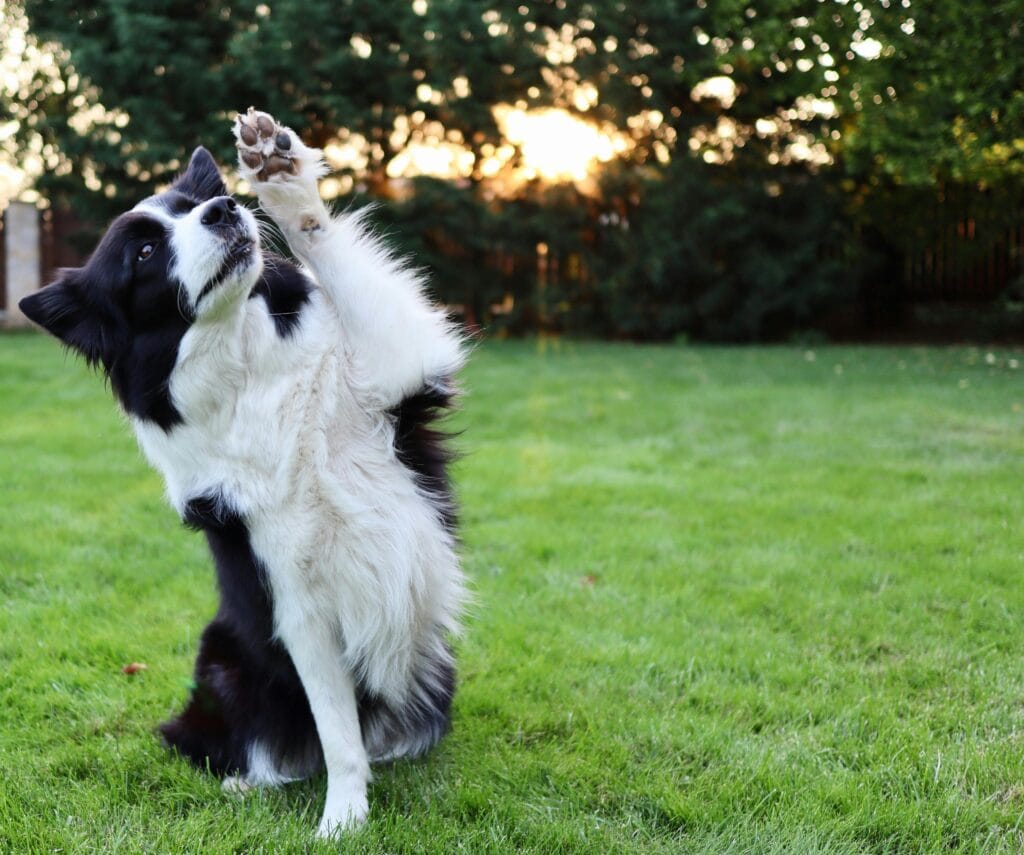
- high five
- lie down
Starting with simple tricks helps build confidence and encourages your dog to enjoy learning.
Step 2: Use Positive Reinforcement
Positive reinforcement is one of the most effective training methods.
Reward your dog immediately after they perform the desired behavior.
Rewards may include:
- treats
- praise
- toys
- affection
Dogs repeat behaviors that bring positive rewards.
Avoid punishment during training, as it may create confusion or stress.
Step 3: Break Tricks Into Small Steps
Many tricks require multiple small actions.
Instead of teaching the entire trick at once, divide it into manageable steps.
For example, when teaching a spin:
- lure your dog in a circle using a treat
- reward when the dog follows the motion
- repeat until the dog spins easily
- add the verbal cue “spin”
Gradually combining steps helps your dog understand the full behavior.
Step 4: Practice Consistently
Consistency helps dogs learn faster.
Practice tricks regularly, but keep sessions short and enjoyable.
Dogs respond best when training feels like play rather than work.
Practicing a few minutes daily produces steady progress.
Step 5: Add Verbal and Hand Signals
Once your dog understands a trick, add a clear verbal command.
You can also use hand signals for additional clarity.
Dogs often respond well to visual cues combined with spoken commands.
This helps reinforce learning.
Step 6: End Training Sessions Positively
Always end training sessions with success.
Finish with a trick your dog already knows and reward them.
Positive endings keep dogs excited for the next session.
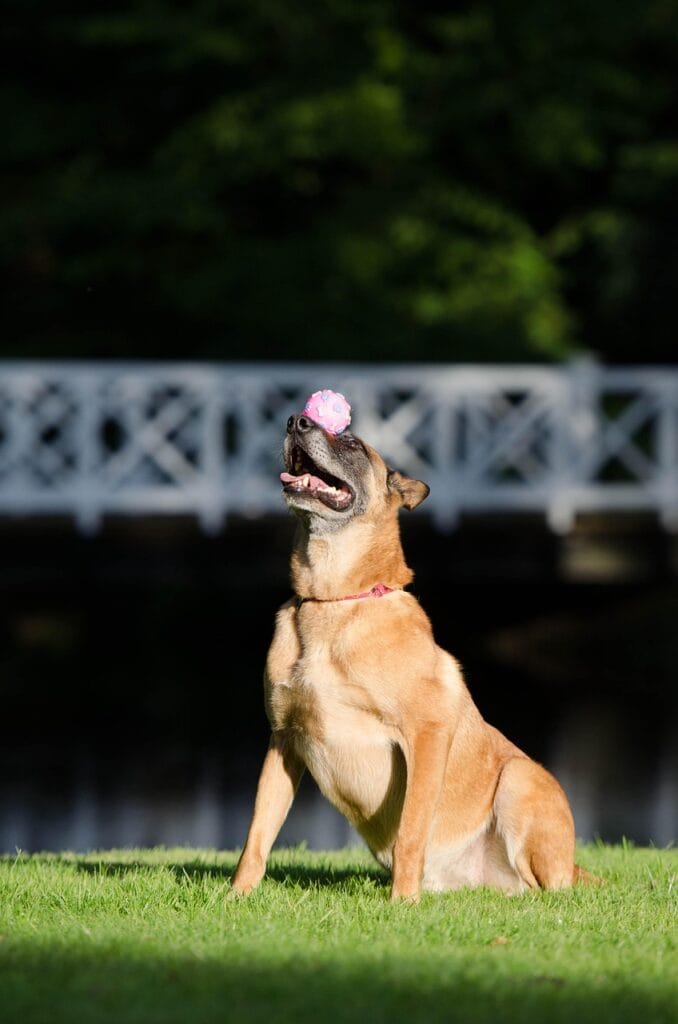
Fun Tricks You Can Teach Your Dog
Once your dog understands the basics, you can introduce more entertaining tricks.
Examples include:
- roll over
- spin in circles
- play dead
- jump through a hoop
- bow
- fetch specific items
These tricks add variety to training and keep your dog mentally stimulated.
Helpful Products for Trick Training
This article contains affiliate links. As an Amazon Associate, we earn from qualifying purchases.
Certain training tools can help make trick training easier and more enjoyable.
Dog Training Treats
Small training treats allow you to reward your dog quickly.
Benefits include:
- motivating dogs during training
- encouraging fast learning
- providing consistent rewards
Choose treats that are small and easy to eat.
Clicker Training Tool
A clicker training tool helps mark correct behavior precisely.
Benefits include:
- clear communication with your dog
- faster learning
- consistent training feedback
Clickers are commonly used in positive reinforcement training.
Dog Puzzle Toy
A puzzle toy can reinforce problem-solving skills.
Benefits include:
- mental stimulation
- encouraging curiosity
- rewarding clever behavior
Puzzle toys help keep dogs mentally active between training sessions.
Comfortable Dog Bed
After training, a comfortable dog bed provides a place for your dog to relax.
Benefits include:
- promoting rest after activity
- encouraging calm behavior
- supporting overall comfort

Practical Tips for Successful Trick Training
These tips help make training easier and more effective.
Keep Training Fun
Dogs learn best when training feels like play.
Use enthusiastic praise and encouragement.
Train in Short Sessions
Long sessions may cause dogs to lose focus.
Short sessions keep training productive.
Be Patient
Every dog learns at a different pace.
Patience helps your dog feel confident while learning.
Use Clear Commands
Consistent words and signals help dogs understand expectations.
Avoid changing commands frequently.
Common Trick Training Mistakes
Avoiding these mistakes improves training success.
Training When the Dog Is Too Excited
Dogs may struggle to focus when overly excited.
Choose calm moments for training.
Repeating Commands Too Often
Repeating commands can confuse dogs.
Give the command once and wait for a response.
Training for Too Long
Dogs lose focus during long sessions.
Short sessions produce better results.
Skipping Rewards
Rewards motivate dogs to repeat desired behaviors.
Always reward progress.
Conclusion
Learning how to teach your dog fun tricks is a rewarding experience for both you and your pet. Trick training strengthens your bond, improves communication, and provides valuable mental stimulation for your dog.
By starting with simple tricks, using positive reinforcement, and practicing consistently, you can help your dog develop impressive skills while keeping training enjoyable.
Trick training doesn’t require special expertise—just patience, encouragement, and a willingness to celebrate small successes.
With time and practice, your dog will not only learn fun tricks but also become a more confident and engaged companion.
FAQ
What is the easiest trick to teach a dog?
Simple tricks like “sit,” “shake,” and “spin” are great starting points for beginner training.
How long does it take for a dog to learn a trick?
Some dogs learn simple tricks within a few days, while more complex tricks may take several weeks.
Can older dogs learn tricks?
Yes. Dogs of all ages can learn tricks with patience and positive reinforcement.
How often should I train my dog?
Short daily sessions of 5–10 minutes are usually ideal.
Do treats always have to be used for training?
Treats are helpful, but praise, toys, and playtime can also serve as rewards.
You may also like: