How to Help a Senior Dog Stay Comfortable
As dogs grow older, their needs begin to change. If you’re wondering how to help a senior dog stay comfortable, you’re already taking an important step toward supporting your dog during their later years. Just like people, aging dogs may experience reduced mobility, joint stiffness, lower energy levels, and changes in their overall health.
While these changes are a natural part of aging, there are many simple things you can do to improve your senior dog’s comfort and quality of life. With the right environment, daily care routine, and attention to their physical needs, senior dogs can continue to enjoy happy and relaxed lives.
Many older dogs remain active and affectionate companions for many years when they receive proper care.
In this guide, you’ll learn:
- how to help a senior dog stay comfortable
- common challenges older dogs experience
- daily care routines that improve comfort
- ways to support mobility and rest
- helpful products that can support senior dogs
Small adjustments to your dog’s routine and living space can make a big difference in their overall well-being.
Disclosure: As Amazon Associates, we earn from qualifying purchases at no extra cost to you.
Understanding the Needs of Senior Dogs
Before learning how to help a senior dog stay comfortable, it’s helpful to understand how aging affects dogs.
Dogs typically enter their senior years around 7–10 years old, depending on breed and size. Larger breeds often age faster than smaller ones.
Common changes in senior dogs include:
- reduced mobility
- joint stiffness or arthritis
- slower metabolism
- decreased vision or hearing
- changes in sleep patterns
These changes don’t necessarily mean your dog is unhealthy, but they do require adjustments to their daily care routine.
Providing additional comfort and support can help senior dogs remain active and relaxed.
Common Signs Your Dog Is Becoming a Senior
Recognizing signs of aging can help you adapt your dog’s care.
Signs may include:
- slower walking pace
- reluctance to jump or climb stairs
- increased sleeping
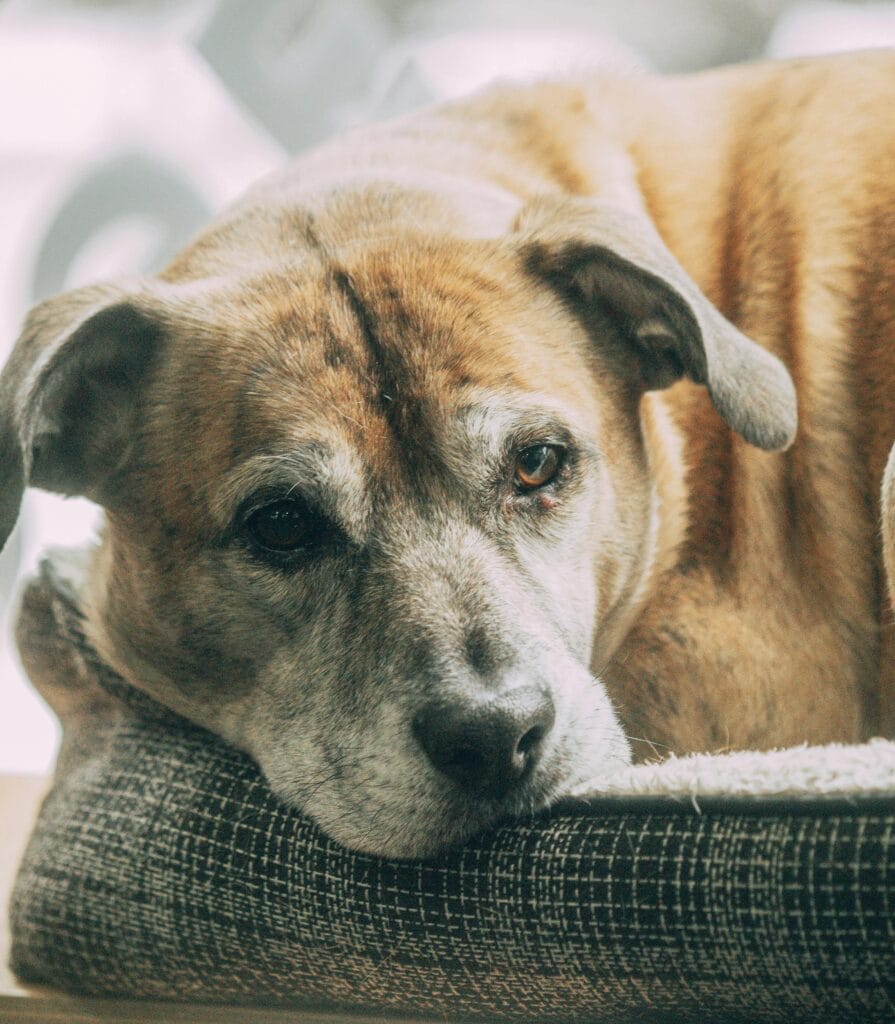
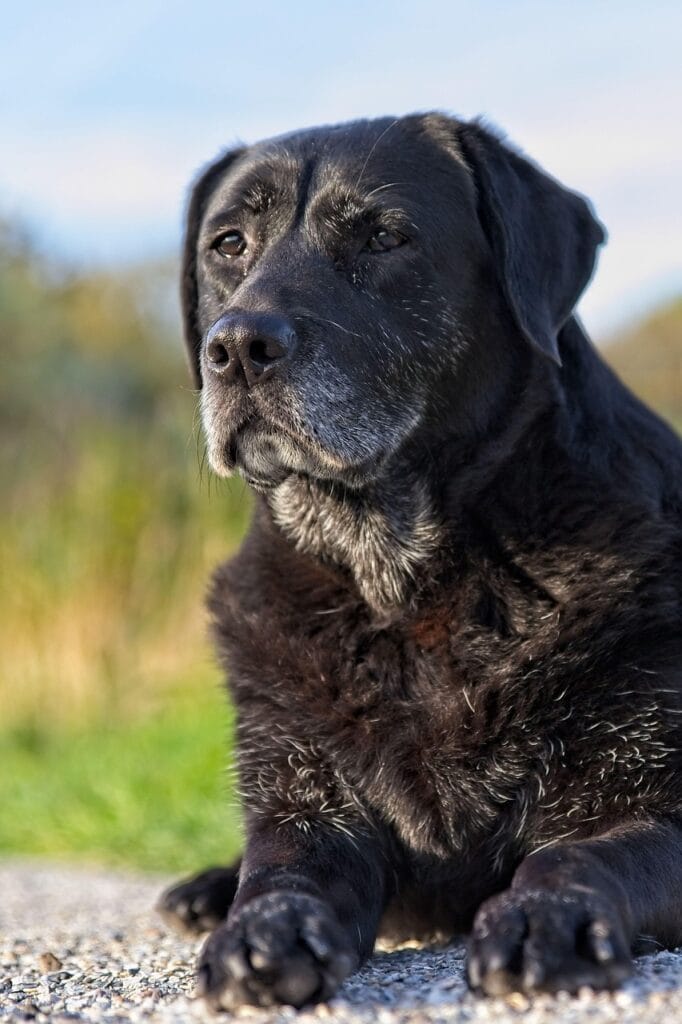
- graying fur around the muzzle
- stiffness after rest
- reduced stamina during exercise
These signs simply indicate that your dog may benefit from more supportive care.
How to Help a Senior Dog Stay Comfortable (Step-by-Step Guide)
Learning how to help a senior dog stay comfortable involves creating a supportive environment and adjusting daily routines.
Step 1: Provide a Comfortable Sleeping Area
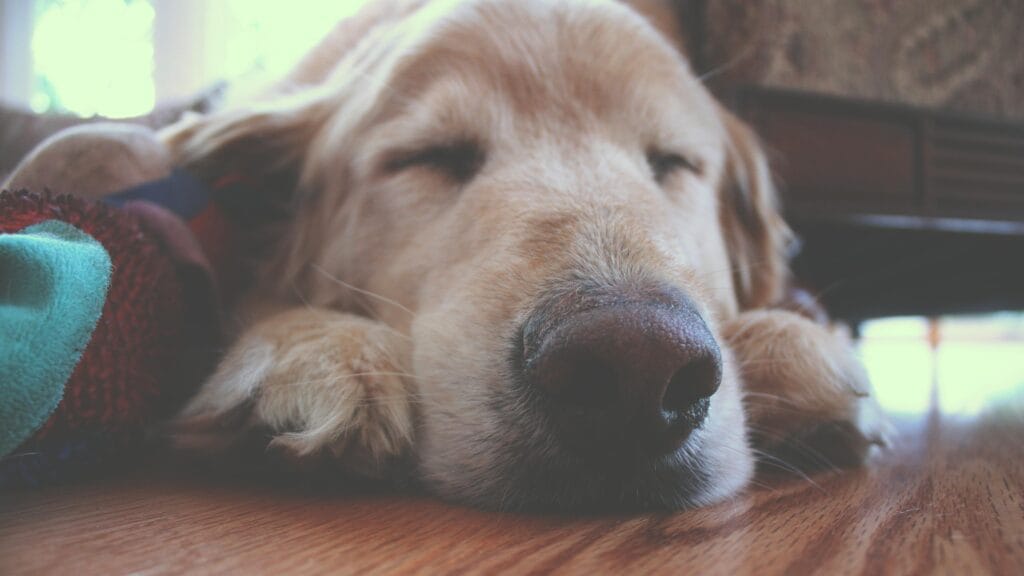
Senior dogs spend more time resting, so a supportive bed is essential.
Look for bedding that provides:
- joint support
- cushioning for pressure points
- warmth and softness
Comfortable bedding helps reduce joint pain and improves sleep quality.
Step 2: Maintain Gentle Daily Exercise
Even older dogs need regular activity to stay healthy.
Exercise helps maintain:
- joint flexibility
- muscle strength
- healthy weight
Low-impact activities are best for senior dogs.
Examples include:
- short daily walks
- gentle play sessions
- light stretching activities
Exercise should always match your dog’s physical ability.
Step 3: Support Joint Health
Joint discomfort is common in aging dogs.
You can support joint health by:
- maintaining a healthy weight
- providing soft resting surfaces
- encouraging gentle movement
Some dogs also benefit from veterinarian-recommended joint supplements.
Step 4: Adjust Your Dog’s Diet
Older dogs may require different nutrition compared to younger dogs.
Senior dog diets often include:
- lower calories
- joint-supporting nutrients
- easily digestible ingredients
Proper nutrition helps support overall health and energy levels.
Step 5: Make Your Home Senior-Friendly
Small changes around your home can make daily movement easier for senior dogs.
Helpful adjustments include:
- placing food and water bowls in easy-to-reach areas
- adding non-slip rugs on slippery floors
- using ramps for couches or beds
These adjustments reduce strain on joints and prevent injuries.
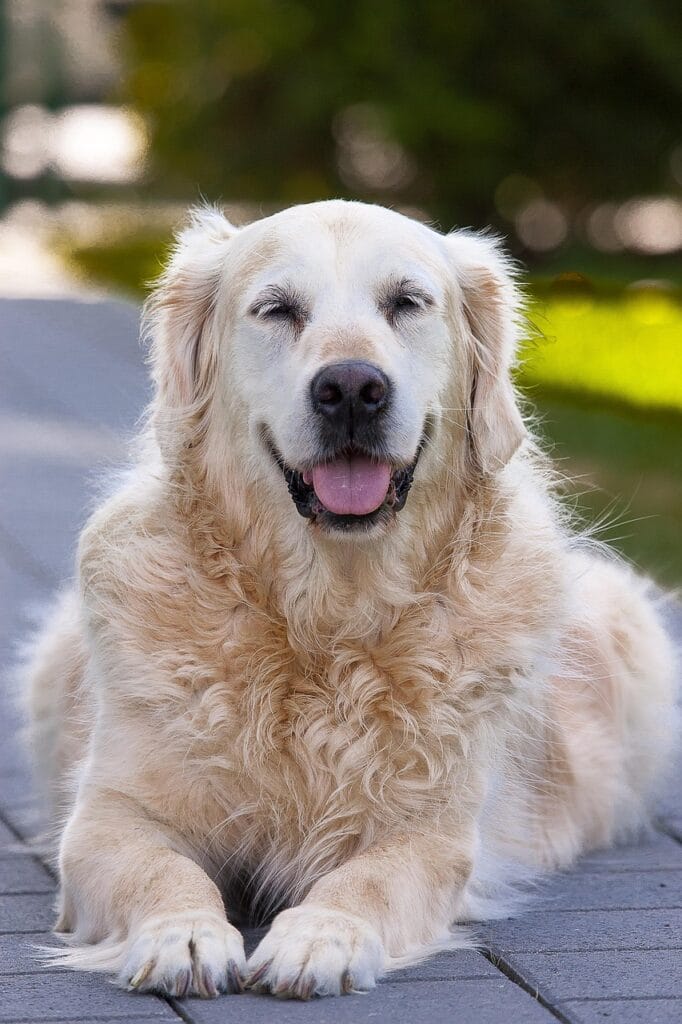
Step 6: Monitor Health Changes
As dogs age, regular health monitoring becomes more important.
Watch for:
- changes in appetite
- difficulty walking
- unusual fatigue
- behavioral changes
Routine veterinary checkups help detect age-related health issues early.
Helpful Products That Support Senior Dog Comfort
This article contains affiliate links. As an Amazon Associate, we earn from qualifying purchases.
Certain products can help improve comfort for older dogs.
Orthopedic Dog Bed
An orthopedic dog bed provides extra support for aging joints.
Benefits include:
- pressure relief for joints
- improved sleep quality
- better support for arthritic dogs
These beds are especially helpful for dogs with mobility issues.
Dog Mobility Ramp
A dog ramp allows senior dogs to reach furniture or vehicles without jumping.
Benefits include:
- reduced joint strain
- safer movement
- improved independence
Ramps are helpful for dogs experiencing arthritis or hip problems.
Elevated Food and Water Bowls
An elevated feeding station makes eating easier for dogs with neck or joint stiffness.
Benefits include:
- improved posture while eating
- reduced strain on joints
- easier access to food and water
Calming Dog Blanket
A soft calming blanket can provide warmth and security for older dogs.
Benefits include:
- extra comfort
- reduced anxiety
- better rest
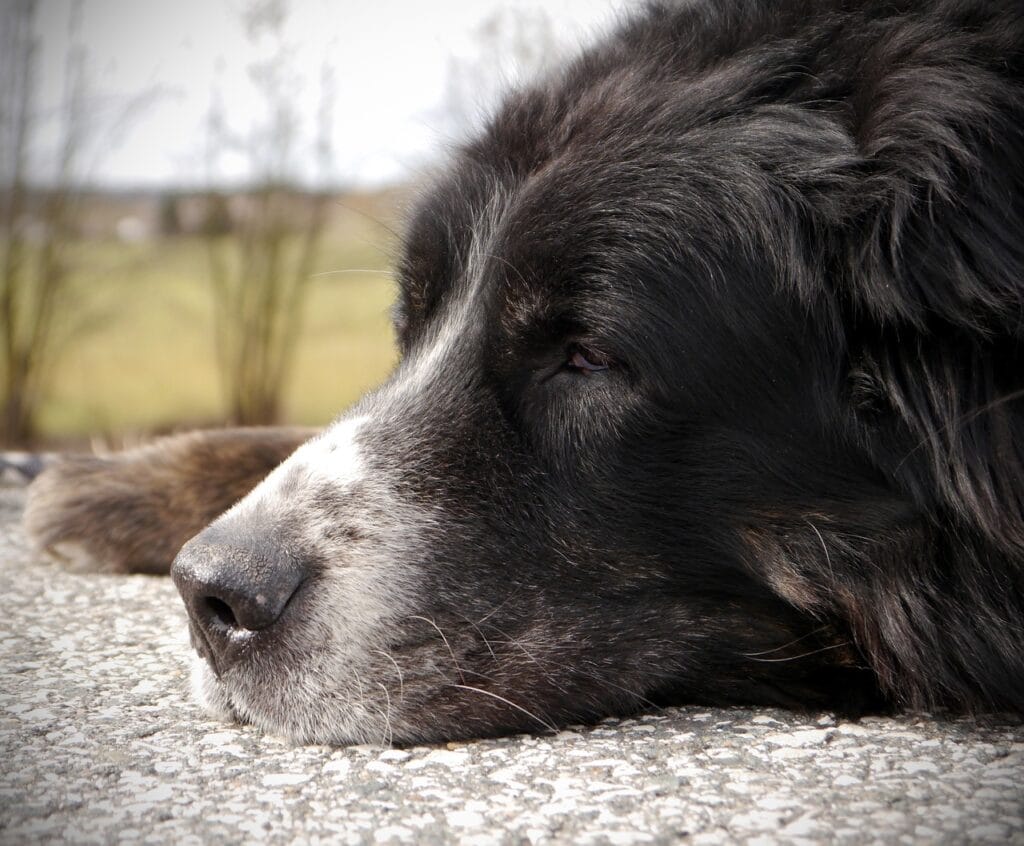
Practical Tips for Caring for an Older Dog
These small habits help improve comfort for senior dogs.
Keep a Consistent Routine
Older dogs often feel more comfortable when their routine remains predictable.
Regular feeding, walking, and sleep times reduce stress.
Provide Mental Stimulation
Mental activity remains important even as dogs age.
Simple activities include:
- puzzle toys
- gentle training exercises
- scent games
Mental stimulation helps keep your dog engaged.
Maintain Grooming and Hygiene
Regular grooming helps maintain coat health and allows you to check for lumps, irritation, or skin issues.
Senior dogs may need extra help with grooming tasks.
Offer Extra Patience and Attention
Senior dogs may move slower and need more assistance.
Providing patience and gentle care helps maintain their confidence and comfort.
Common Mistakes When Caring for Senior Dogs
Avoiding these mistakes can help improve your dog’s comfort.
Expecting the Same Energy as Before
Senior dogs naturally slow down.
Adjust expectations to match your dog’s abilities.
Skipping Veterinary Checkups
Older dogs benefit from more frequent health evaluations.
Routine checkups help detect health issues early.
Ignoring Weight Changes
Both weight gain and weight loss can affect senior dog health.
Maintaining a healthy weight reduces strain on joints.
Overexercising
While exercise is important, too much activity can cause fatigue or joint strain.
Moderation is key.
Conclusion
Learning how to help a senior dog stay comfortable is one of the most important responsibilities for dog owners as their pets age. Senior dogs may experience physical changes, but with the right care and environment, they can continue to enjoy a comfortable and fulfilling life.
Providing supportive bedding, maintaining gentle exercise routines, adjusting nutrition, and making small changes around your home can significantly improve your dog’s daily comfort.
With patience, love, and attentive care, senior dogs can remain happy companions for many years.
Your effort to support their comfort during their later years strengthens the bond you share with your loyal companion.
FAQ
At what age is a dog considered a senior?
Most dogs are considered seniors around 7–10 years old, depending on breed and size.
How can I make my senior dog more comfortable at night?
Providing a supportive orthopedic bed and maintaining a consistent sleep routine can help improve comfort.
Do senior dogs need less exercise?
Senior dogs may require gentler exercise but still benefit from regular activity.
Should senior dogs see the vet more often?
Yes. Many veterinarians recommend twice-yearly checkups for older dogs.
What is the most common health issue in senior dogs?
Arthritis and joint problems are among the most common age-related conditions in dogs.
You may also like: