How to Protect Your Dog From Fleas and Ticks
Fleas and ticks are among the most common parasites that affect dogs. If you’re wondering how to protect your dog from fleas and ticks, you’re taking an important step toward protecting your pet’s health and comfort.
These tiny parasites may seem like a minor nuisance, but they can cause serious problems for dogs. Fleas can lead to intense itching, skin infections, and allergic reactions, while ticks can transmit dangerous diseases such as Lyme disease and ehrlichiosis.
Because fleas and ticks thrive in many outdoor environments, prevention is the most effective way to protect your dog. With the right habits and protective strategies, you can significantly reduce the risk of infestation.
In this guide, you’ll learn:
- how to protect your dog from fleas and ticks
- why parasites are dangerous for dogs
- daily habits that reduce exposure
- simple ways to check your dog for parasites
- helpful products that support parasite prevention
With proper care and regular prevention, you can keep your dog comfortable and parasite-free.
Disclosure: As Amazon Associates, we earn from qualifying purchases at no extra cost to you.
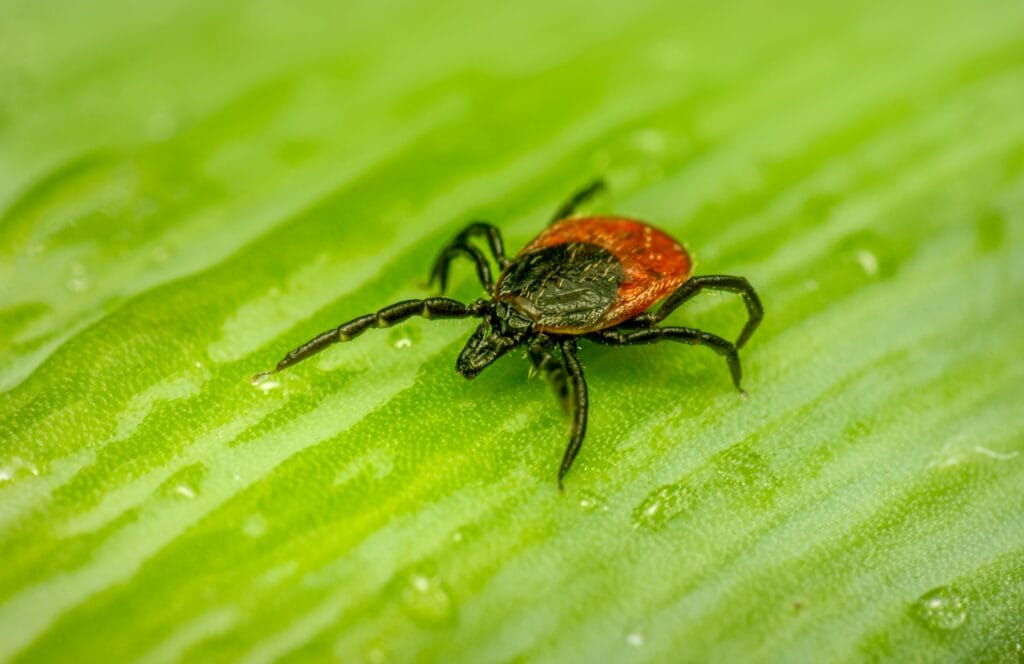
Why Fleas and Ticks Are Dangerous for Dogs
Before learning how to protect your dog from fleas and ticks, it’s important to understand why these parasites pose serious health risks.
Fleas feed on a dog’s blood and can multiply quickly once they infest your dog or home.
Common problems caused by fleas include:
- severe itching
- flea allergy dermatitis
- skin infections
- hair loss
- anemia in severe cases
Ticks are also dangerous because they can transmit diseases through their bites.
Tick-borne diseases may cause:
- fever
- joint pain
- fatigue
- loss of appetite
Preventing these parasites is much easier than treating an infestation.
Where Dogs Pick Up Fleas and Ticks
Dogs commonly encounter fleas and ticks during outdoor activities.
Parasites often live in:
- tall grass
- wooded areas
- parks and trails
- yards with wildlife
Ticks wait on vegetation and attach to passing animals.
Fleas can also spread through contact with other animals or infested environments.
Because of this, even indoor dogs may occasionally be exposed.
How to Protect Your Dog From Fleas and Ticks (Step-by-Step Guide)
Learning how to protect your dog from fleas and ticks involves prevention, regular checks, and maintaining a clean environment.
Step 1: Use Preventative Treatments
Preventative medications are one of the most effective ways to protect dogs from parasites.
Veterinarians commonly recommend:
- topical treatments
- oral medications
- flea and tick collars
These products kill parasites or prevent them from attaching to your dog.
Always follow veterinary guidance when selecting preventative treatments.
Step 2: Inspect Your Dog After Outdoor Activities
After walks or outdoor play, quickly check your dog for parasites.
Focus on areas where ticks often attach:
- around the ears
- under the collar
- between the toes
- under the legs
- around the tail
Early detection makes removal easier and reduces disease risk.

Step 3: Keep Your Yard Clean
A well-maintained yard reduces the number of fleas and ticks around your home.
Helpful practices include:
- mowing grass regularly
- removing leaf piles
- trimming bushes
- preventing wildlife from entering the yard
These steps make your outdoor space less attractive to parasites.
Step 4: Maintain Regular Grooming
Grooming plays an important role in parasite prevention.
Regular brushing helps:
- detect fleas or ticks early
- remove dirt and debris from the coat
- maintain healthy skin
Bathing your dog with a gentle shampoo can also help remove parasites.
Step 5: Wash Dog Bedding Frequently
Fleas often hide in bedding, carpets, and furniture.
To reduce risk:
- wash dog bedding regularly
- vacuum floors and furniture
- clean blankets and soft surfaces
A clean environment helps prevent flea infestations.
Step 6: Avoid High-Risk Areas
If possible, avoid areas where fleas and ticks are common.
Examples include:
- dense woods
- tall grass fields
- areas with heavy wildlife activity
Staying on clear walking paths reduces exposure.
Image 3 – Dog walking on a clean trail path
Helpful Products for Flea and Tick Prevention
This article contains affiliate links. As an Amazon Associate, we earn from qualifying purchases.
Certain tools and products can support flea and tick prevention.
Flea and Tick Comb
A flea comb helps detect and remove fleas from your dog’s coat.
Benefits include:
- early parasite detection
- removing flea dirt and eggs
- improving grooming routines
Regular combing helps identify infestations early.
Flea and Tick Collar
A flea and tick collar provides long-lasting protection.
Benefits include:
- repelling parasites
- preventing tick attachment
- continuous protection for several months
Always select collars designed specifically for dogs.
Tick Removal Tool
A tick removal tool allows safe removal of ticks.
Benefits include:
- removing ticks completely
- reducing infection risk
- preventing tick parts from remaining in the skin
Proper removal is important to reduce disease risk.
Washable Dog Bed
A washable dog bed helps maintain a clean sleeping environment.
Benefits include:
- reducing flea hiding places
- improving hygiene
- supporting parasite prevention

Practical Tips for Preventing Fleas and Ticks
These habits can help reduce parasite risks.
Perform Weekly Parasite Checks
Regular inspections help catch fleas or ticks early before they spread.
Keep Your Dog Healthy
Healthy skin and coat make it harder for parasites to thrive.
Balanced nutrition supports skin health.
Protect Dogs Year-Round
Fleas and ticks can survive in mild temperatures indoors.
Prevention should continue even outside peak seasons.
Maintain Clean Living Spaces
Vacuuming carpets and furniture regularly reduces parasite hiding places.
Common Flea and Tick Prevention Mistakes
Avoiding these mistakes can help keep your dog parasite-free.
Skipping Preventative Treatments
Some owners only use treatments during summer.
However, parasites can remain active during other seasons.
Ignoring Early Signs of Fleas
Early signs include scratching, biting skin, or small black specks in fur.
Addressing infestations early prevents larger problems.
Improper Tick Removal
Pulling ticks incorrectly may leave parts embedded in the skin.
Use proper tools and remove ticks carefully.
Forgetting Environmental Cleaning
Treating the dog alone may not eliminate fleas.
Cleaning bedding and home surfaces is essential.
Conclusion
Learning how to protect your dog from fleas and ticks is essential for maintaining your dog’s health and comfort. These parasites can cause irritation, infections, and serious diseases if left untreated.
By using preventative treatments, checking your dog regularly, maintaining clean living spaces, and practicing good grooming habits, you can greatly reduce the risk of flea and tick infestations.
Consistent prevention is the most effective way to keep your dog safe from parasites.
With proper care and attention, your dog can enjoy outdoor adventures without the discomfort and health risks associated with fleas and ticks.
FAQ
How often should I check my dog for ticks?
Dogs should be checked for ticks after outdoor activities, especially in wooded or grassy areas.
Can fleas live inside my home?
Yes. Fleas can live in carpets, furniture, and bedding if not treated properly.
What should I do if I find a tick on my dog?
Use a tick removal tool to remove the tick carefully and monitor the area for signs of infection.
Are flea collars safe for dogs?
Many veterinarian-approved flea collars are safe and effective when used according to instructions.
Can indoor dogs get fleas?
Yes. Fleas can enter homes through other animals, clothing, or infested environments.
You may also like: