How to Help an Overweight Dog Lose Weight
Many dog owners don’t realize their dog is overweight until health problems begin to appear. If you’re wondering how to help an overweight dog lose weight, you’re already taking an important step toward improving your dog’s long-term health.
Just like in humans, excess weight in dogs can lead to serious health issues such as joint pain, heart disease, diabetes, and reduced life expectancy. The good news is that with the right diet, exercise routine, and consistent habits, most dogs can safely lose weight and regain a healthier lifestyle.
Helping a dog lose weight doesn’t mean drastic changes or strict dieting. Instead, it involves small, sustainable adjustments that support your dog’s overall well-being.
In this guide, you’ll learn:
- how to help an overweight dog lose weight safely
- how to recognize signs of canine obesity
- simple dietary changes that support healthy weight loss
- safe exercise routines for overweight dogs
- common mistakes dog owners make during weight loss programs
With patience and consistency, your dog can reach a healthier weight and enjoy a more active life.
Disclosure: As Amazon Associates, we earn from qualifying purchases at no extra cost to you.
Why Maintaining a Healthy Weight Matters
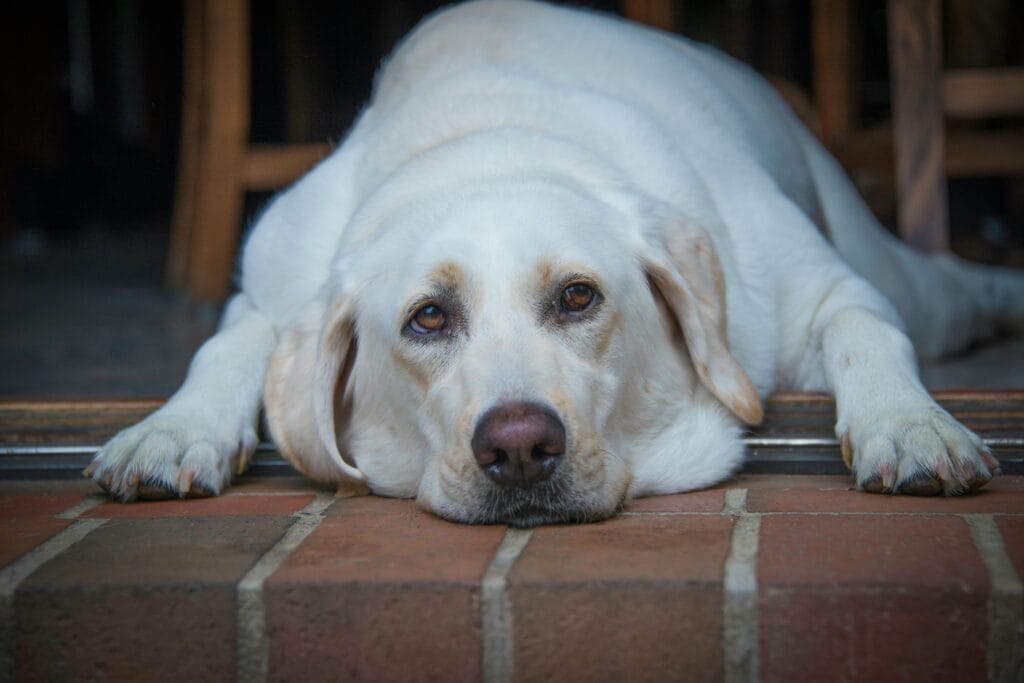
Before learning how to help an overweight dog lose weight, it’s important to understand the health risks associated with excess weight.
Obesity is one of the most common preventable health problems in dogs.
Extra weight can increase the risk of:
- joint problems and arthritis
- heart disease
- diabetes
- breathing difficulties
- reduced mobility
- shorter lifespan
Even a small amount of excess weight can put significant strain on a dog’s joints and organs.
Helping your dog maintain a healthy weight improves both quality of life and longevity.
Signs Your Dog May Be Overweight
Recognizing weight gain early helps prevent more serious health issues.
Common signs of an overweight dog include:
- difficulty feeling ribs under fat layers
- lack of visible waistline
- reduced energy levels
- heavy breathing during mild exercise
- difficulty jumping or climbing stairs
A simple way to check your dog’s body condition is to gently feel the rib area.
You should be able to feel the ribs with light pressure but not see them clearly.
How to Help an Overweight Dog Lose Weight (Step-by-Step Guide)
Learning how to help an overweight dog lose weight requires a combination of diet changes, exercise, and consistent routines.
Step 1: Consult Your Veterinarian
Before starting any weight loss plan, it’s important to consult your veterinarian.
A vet can:
- confirm whether your dog is overweight
- rule out medical causes of weight gain
- recommend a safe target weight
Professional guidance ensures your dog loses weight safely.
Step 2: Adjust Your Dog’s Diet
Reducing calorie intake is the most important part of weight loss.
Instead of drastically cutting food, focus on:
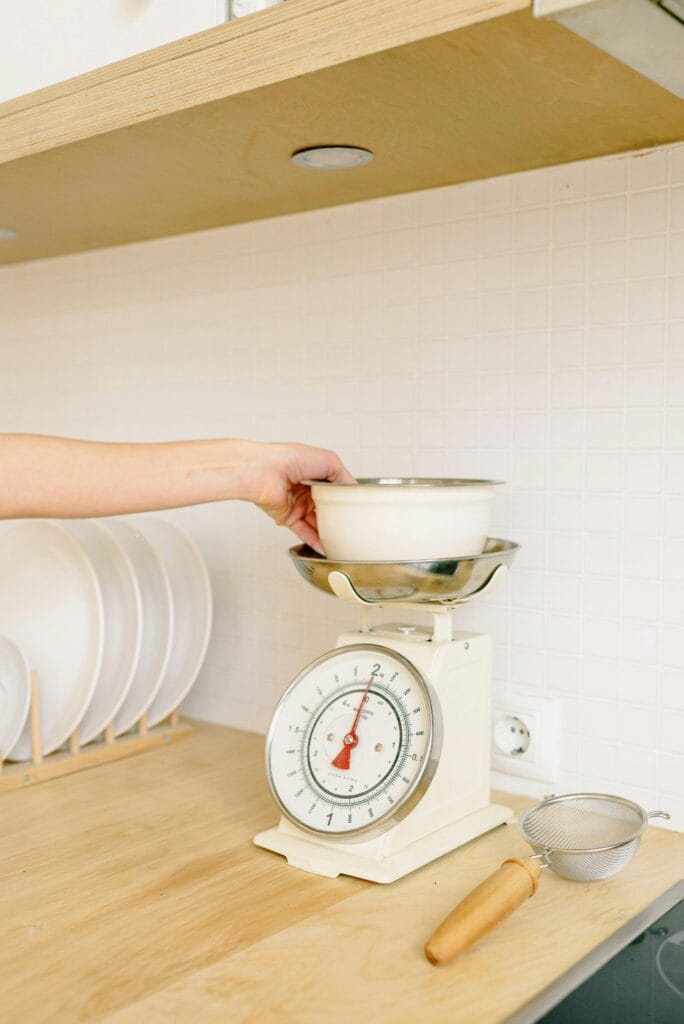
- measuring portion sizes carefully
- choosing high-quality dog food
- avoiding excessive treats
Some dogs benefit from specialized weight-management dog foods recommended by veterinarians.
Step 3: Reduce Treats and Table Scraps
Treats and human food are major contributors to canine weight gain.
Helpful changes include:
- limiting treats to training sessions
- replacing treats with small healthy alternatives
- avoiding table scraps entirely
Even small pieces of human food can add significant calories.
Step 4: Increase Daily Exercise
Exercise helps burn calories and improve overall health.
Start slowly if your dog is overweight.
Good activities include:
- daily walks
- light play sessions
- short training exercises
Gradually increase activity levels as your dog becomes fitter.
Step 5: Create a Consistent Feeding Schedule
Free-feeding (leaving food available all day) can lead to overeating.
Instead, feed your dog at scheduled times.
Most adult dogs benefit from:
- two meals per day
- measured portions
- consistent feeding times
Routine helps regulate appetite and metabolism.
Step 6: Track Your Dog’s Progress
Monitoring progress helps ensure your dog is losing weight safely.
Ways to track progress include:
- regular weigh-ins
- observing body shape changes
- monitoring energy levels
Gradual weight loss is healthier than rapid changes.
Helpful Products That Support Dog Weight Loss
This article contains affiliate links. As an Amazon Associate, we earn from qualifying purchases.
Certain products can support healthy weight loss routines.
Portion Control Dog Bowl
A portion control bowl helps measure accurate food servings.
Benefits include:
- preventing overfeeding
- maintaining consistent portion sizes
- supporting weight loss goals
Dog Puzzle Feeder
Puzzle feeders slow down eating and stimulate mental activity.
Benefits include:
- preventing overeating
- increasing mental stimulation
- encouraging slower digestion
Dog Activity Toy
Interactive toys encourage movement and play.
Benefits include:
- increasing daily exercise
- reducing boredom
- supporting calorie burning
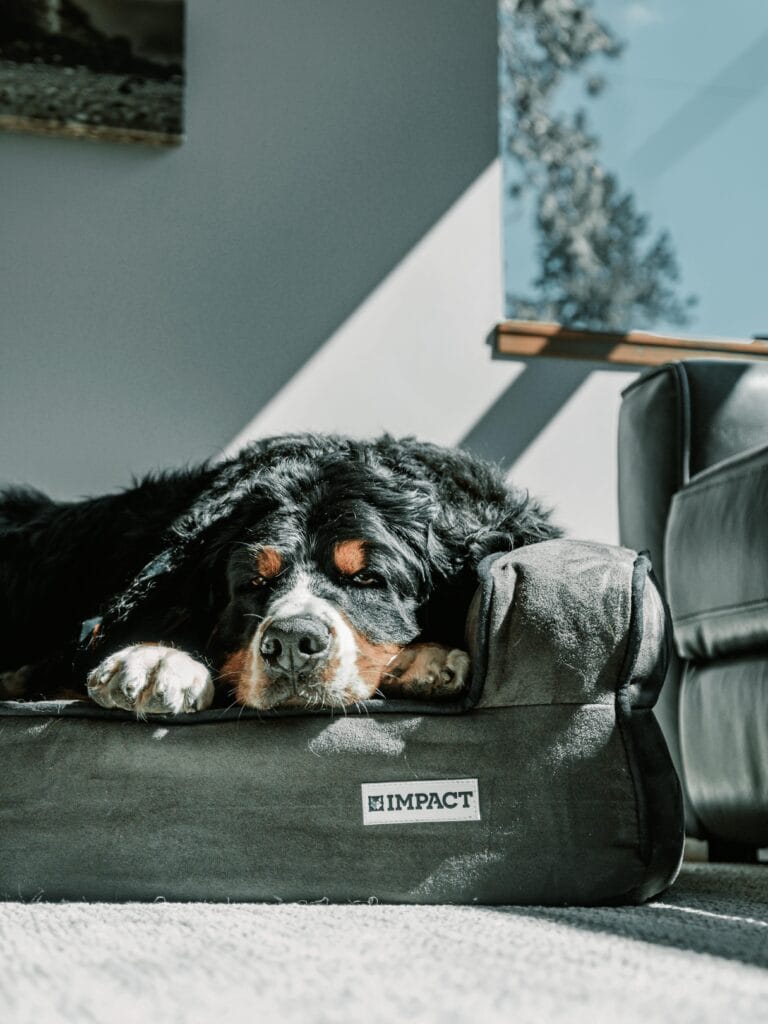
Orthopedic Dog Bed
Overweight dogs often experience joint stress.
An orthopedic dog bed provides extra support and comfort during rest.
Practical Tips for Successful Dog Weight Loss
These small habits can make weight loss easier.
Replace Some Treats With Play
Instead of food rewards, offer playtime or praise.
Dogs often respond just as positively to attention.
Use Vegetables as Low-Calorie Treats
Some dogs enjoy vegetables like:
- carrots
- green beans
- cucumber slices
These options contain fewer calories than traditional treats.
Exercise Consistently
Short daily walks are better than occasional long exercise sessions.
Consistency helps maintain steady weight loss.
Involve the Whole Household
Everyone in the household should follow the same feeding rules.
Inconsistent feeding can slow progress.
Common Weight Loss Mistakes
Avoiding these mistakes can help your dog lose weight safely.
Cutting Food Too Drastically
Sudden large calorie reductions may cause nutritional deficiencies.
Weight loss should be gradual.
Ignoring Treat Calories
Many owners forget that treats also contain calories.
Treats should be limited or replaced with healthier options.
Exercising Too Intensely Too Soon
Overweight dogs may struggle with intense exercise.
Start slowly and increase activity gradually.
Being Inconsistent
Irregular feeding and exercise routines make weight loss harder.
Consistency is key.
Conclusion
Learning how to help an overweight dog lose weight is one of the most important steps you can take to improve your dog’s health and quality of life. Excess weight can lead to serious health problems, but with the right care plan, most dogs can safely return to a healthier weight.
By adjusting diet, increasing physical activity, and maintaining consistent routines, you can support your dog’s weight loss journey and help them feel more energetic and comfortable.
Weight loss takes time and patience, but the benefits are significant. A healthier dog often enjoys better mobility, improved energy levels, and a longer, happier life.
FAQ
How quickly should a dog lose weight?
Healthy weight loss in dogs should be gradual, typically around 1–2% of body weight per week.
What causes dogs to become overweight?
Common causes include overfeeding, too many treats, lack of exercise, and certain medical conditions.
Can walking help dogs lose weight?
Yes. Regular walks are one of the safest and most effective forms of exercise for overweight dogs.
Should I stop giving my dog treats?
Treats should be limited or replaced with low-calorie alternatives during weight loss.
When should I consult a veterinarian about my dog’s weight?
If your dog gains weight rapidly or struggles to lose weight despite diet and exercise changes, veterinary guidance is recommended.
You may also like: