How to Stop Dog Shedding
If you’re constantly finding dog hair on your furniture, clothes, and floors, you’re not alone. Many dog owners struggle with excessive shedding and wonder how to stop dog shedding or at least reduce it to a manageable level.
Shedding is a natural process where dogs lose old or damaged hair so new fur can grow. However, excessive shedding can be frustrating and sometimes may even signal underlying health issues.
The good news is that while you can’t completely stop shedding, you can significantly reduce it with the right grooming routine, proper nutrition, and healthy care habits.
In this guide, you’ll learn:
- why dogs shed
- how to stop dog shedding or reduce it effectively
- daily habits that control loose fur
- common mistakes that make shedding worse
- helpful tools that support shedding control
With the right approach, you can keep your dog’s coat healthy while minimizing the amount of hair around your home.
Disclosure: As Amazon Associates, we earn from qualifying purchases at no extra cost to you.
Why Dogs Shed
Before learning how to stop dog shedding, it’s important to understand why shedding happens.
Shedding is part of a dog’s natural hair growth cycle. Old hair falls out to make room for new hair.
Some shedding is normal and healthy.
Factors that influence shedding include:
- breed type
- seasonal changes
- diet and nutrition
- stress levels
- overall health
Dogs with thick double coats often shed more heavily, especially during seasonal coat changes in spring and fall.
Understanding the cause of shedding helps you manage it more effectively.
Dog Breeds That Shed the Most
Some dog breeds naturally shed more than others.
Heavy shedding breeds include:
- Labrador Retrievers
- German Shepherds
- Golden Retrievers
- Huskies
- Alaskan Malamutes
These breeds have dense undercoats designed to protect them from temperature changes.
Even low-shedding breeds still lose some hair, but it tends to be less noticeable.
How to Stop Dog Shedding (Step-by-Step Guide)
Learning how to stop dog shedding involves improving coat health and removing loose hair before it spreads throughout your home.
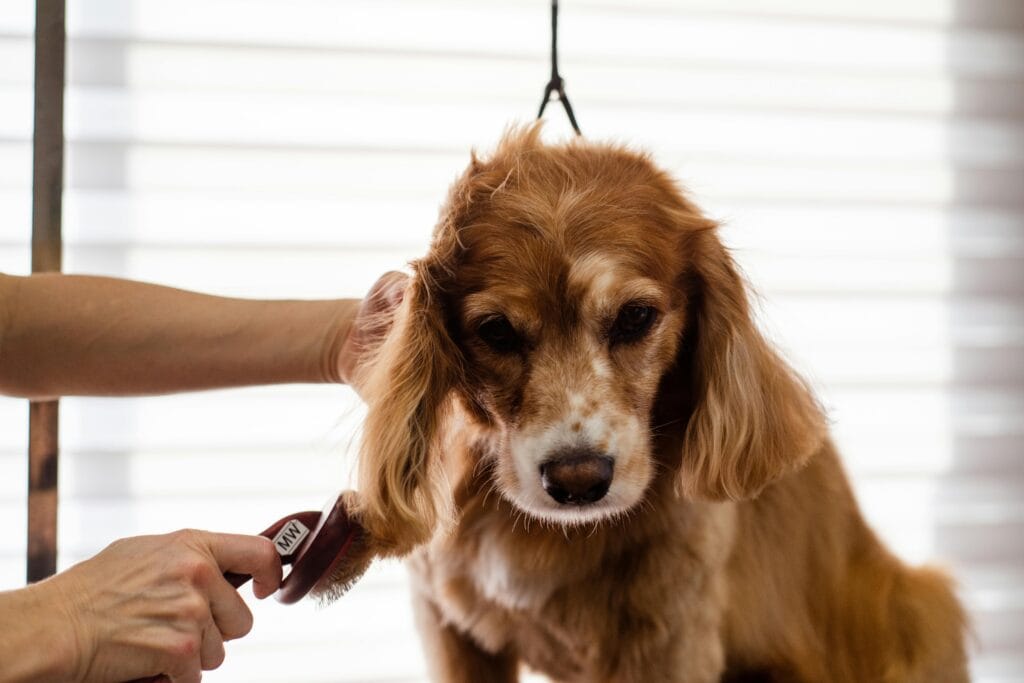
Step 1: Brush Your Dog Regularly
Brushing is the most effective way to control shedding.
Regular brushing helps:
- remove loose hair before it falls
- distribute natural oils in the coat
- prevent tangles and mats
Brushing frequency depends on coat type:
- short-haired dogs: 1–2 times per week
- medium coats: several times per week
- long or thick coats: daily brushing
Consistent brushing greatly reduces the amount of hair around the house.
Step 2: Bathe Your Dog Properly
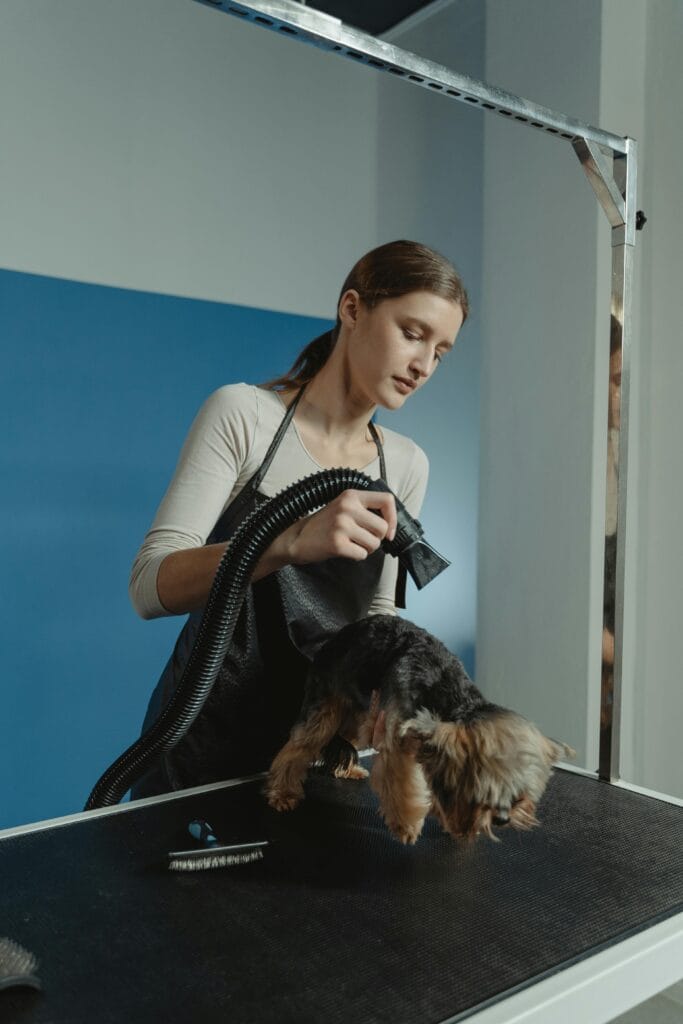
Bathing helps remove loose fur and dead hair from the coat.
Use a dog-specific shampoo designed to support coat health.
Bathing tips include:
- brush before bathing
- use lukewarm water
- rinse thoroughly
- brush again after drying
Most dogs benefit from bathing every 4–6 weeks, depending on their coat type.
Step 3: Improve Your Dog’s Diet
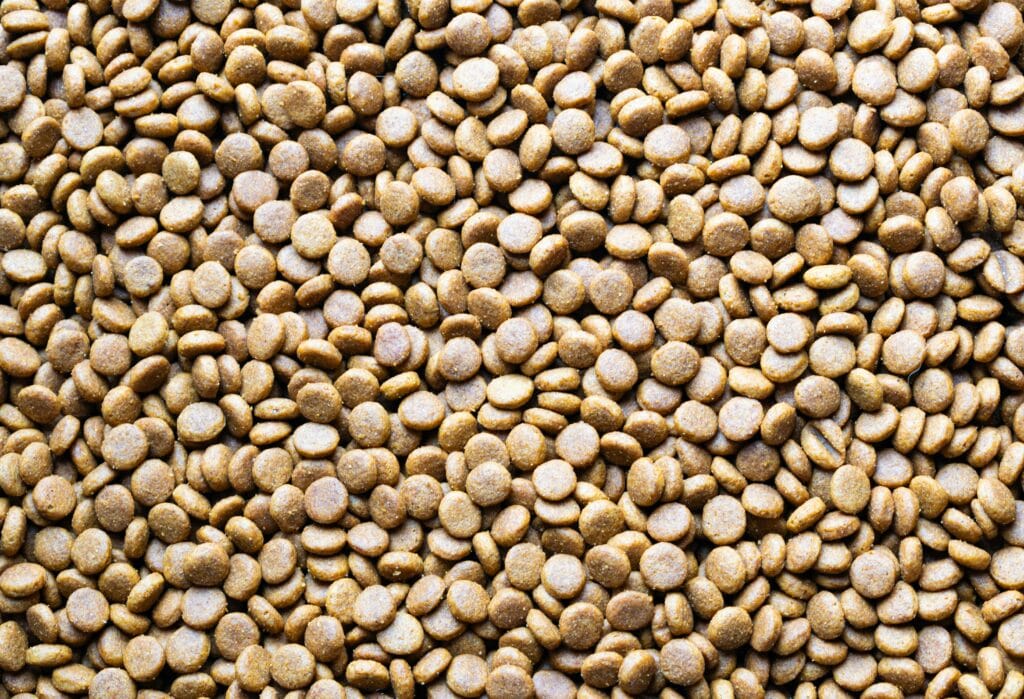
Nutrition plays a major role in coat health.
A balanced diet supports:
- stronger hair follicles
- healthier skin
- reduced excessive shedding
Look for foods that contain:
- omega-3 fatty acids
- high-quality protein
- essential vitamins
Fish oil supplements are often recommended to improve coat condition.
Step 4: Maintain Healthy Skin
Dry or irritated skin can increase shedding.
You can support skin health by:
- keeping your dog hydrated
- maintaining a balanced diet
- avoiding over-bathing
- checking for parasites or allergies
Healthy skin supports healthy hair growth.
Step 5: Reduce Stress
Stress can sometimes increase shedding in dogs.
Major changes such as moving homes, new pets, or schedule changes may trigger extra shedding.
Providing a stable routine and regular exercise helps dogs stay calm and balanced.
Helpful Products for Controlling Dog Shedding
This article contains affiliate links. As an Amazon Associate, we earn from qualifying purchases.
Certain grooming tools and products can help reduce shedding effectively.
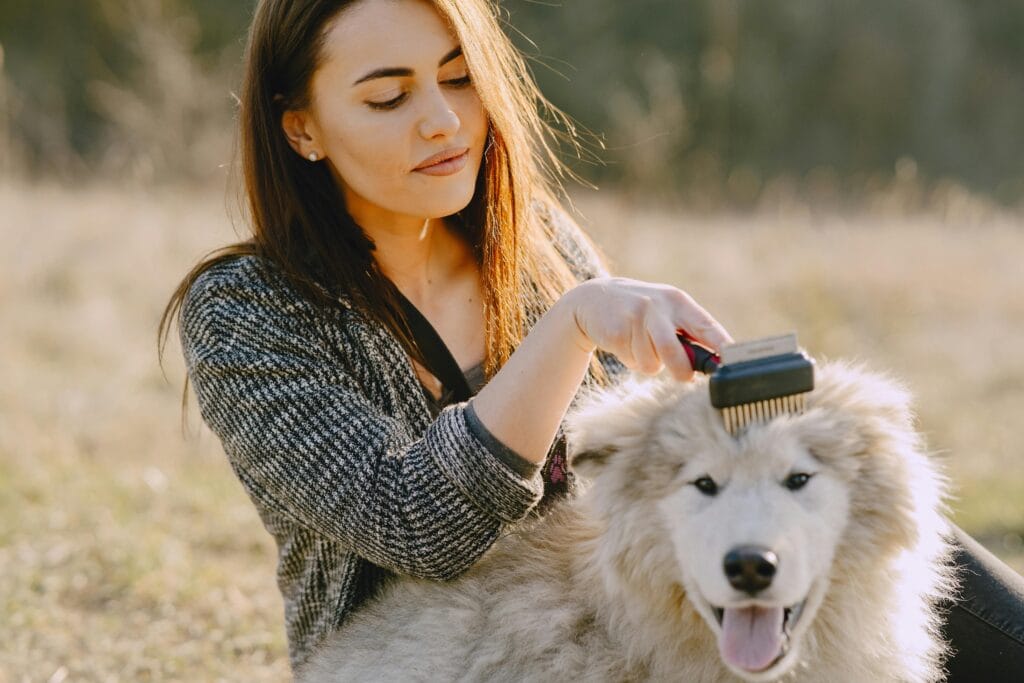
Deshedding Brush
A deshedding brush removes loose undercoat hair that standard brushes often miss.
Benefits include:
- removing excess fur
- reducing hair around the house
- improving coat health
These brushes are especially useful for thick double-coated breeds.
Dog Grooming Glove
A grooming glove allows you to brush your dog while petting them.
Benefits include:
- gentle grooming
- easy hair removal
- reducing stress during brushing
Many dogs enjoy grooming gloves because they feel like petting.
Omega-3 Fish Oil Supplement
Fish oil supplements support skin and coat health.
Benefits include:
- improved coat shine
- reduced dry skin
- healthier hair growth
Always choose supplements designed specifically for dogs.
Calming Dog Bed
A calming dog bed helps dogs relax and reduce stress.
Benefits include:
- promoting restful sleep
- reducing anxiety
- supporting healthy routines
A relaxed dog often experiences healthier coat cycles.

Practical Tips to Reduce Dog Hair in Your Home
These simple habits can help control shedding inside your house.
Groom Your Dog Outdoors
Brushing outside removes loose hair before it spreads indoors.
This simple habit can significantly reduce hair inside your home.
Use the Right Vacuum
Pet-specific vacuum cleaners handle dog hair much more effectively.
Frequent cleaning helps prevent buildup.
Wash Dog Bedding Regularly
Loose fur often collects in dog beds and blankets.
Washing bedding regularly helps reduce hair around the house.
Maintain Consistent Grooming
Irregular grooming often leads to sudden heavy shedding.
A consistent grooming routine keeps shedding manageable.
Common Mistakes That Increase Shedding
Avoiding these mistakes can help reduce unnecessary shedding.
Skipping Regular Brushing
When loose fur isn’t removed, it spreads throughout the home.
Regular brushing keeps shedding under control.
Using Harsh Shampoos
Strong shampoos may irritate the skin and increase shedding.
Always use dog-safe grooming products.
Poor Nutrition
Low-quality diets may lead to dull coats and excessive shedding.
Proper nutrition supports healthy fur growth.
Ignoring Skin Problems
Skin allergies, parasites, or infections can cause abnormal shedding.
If shedding suddenly increases, consult a veterinarian.
Conclusion
Learning how to stop dog shedding is about improving coat health and maintaining a consistent grooming routine. While shedding is a natural process for most dogs, the right care habits can significantly reduce the amount of loose fur in your home.
Regular brushing, proper bathing, balanced nutrition, and stress management all play important roles in maintaining a healthy coat.
With patience and the right tools, you can manage shedding effectively while keeping your dog comfortable and well groomed.
A healthy coat not only looks great but also reflects your dog’s overall well-being.
FAQ
Can you completely stop dog shedding?
No. Shedding is a natural process, but it can be reduced with proper grooming and nutrition.
How often should I brush my dog to reduce shedding?
Most dogs benefit from brushing several times per week, while heavy shedding breeds may require daily brushing.
Does bathing reduce shedding?
Yes. Bathing helps remove loose fur and dead hair from the coat.
What foods help reduce dog shedding?
Foods rich in omega-3 fatty acids and high-quality protein support healthy skin and coat.
When should I see a vet about shedding?
If shedding suddenly increases or is accompanied by hair loss, itching, or skin irritation, consult a veterinarian.
You may also like: