How to Brush Your Dog’s Teeth
Many dog owners focus on feeding, exercise, and grooming, but dental care is often overlooked. If you’re wondering how to brush your dog’s teeth, you’re already taking an important step toward improving your dog’s health.
Dental disease is one of the most common health issues in dogs. In fact, many dogs begin showing signs of dental problems by the time they are three years old. Plaque buildup can lead to bad breath, gum infections, and even more serious health issues affecting the heart, kidneys, and liver.
The good news is that brushing your dog’s teeth at home is easier than most people think. With patience, the right technique, and consistent practice, many dogs learn to accept tooth brushing as part of their routine.
In this guide, you’ll learn:
- why brushing your dog’s teeth is important
- how to brush your dog’s teeth step by step
- practical tips for making the process easier
- common mistakes dog owners make
- helpful tools that support dog dental care
Regular brushing can significantly improve your dog’s oral health and overall well-being.
Disclosure: As Amazon Associates, we earn from qualifying purchases at no extra cost to you.
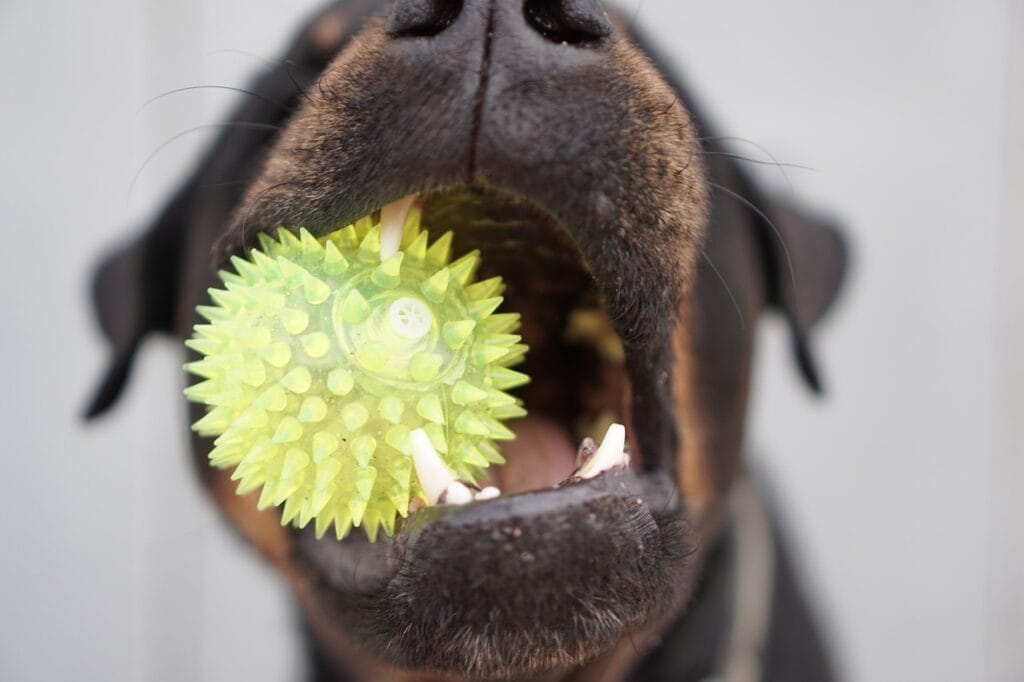
Why Dental Care Is Important for Dogs
Before learning how to brush your dog’s teeth, it’s helpful to understand why dental care matters so much.
Dogs naturally develop plaque on their teeth just like humans. Without proper care, plaque hardens into tartar, which can irritate the gums and lead to periodontal disease.
Common signs of dental problems include:
- bad breath
- yellow or brown tartar buildup
- red or swollen gums
- difficulty chewing
- drooling excessively
Regular tooth brushing helps remove plaque before it becomes tartar.
Healthy teeth also support:
- better digestion
- reduced infection risk
- improved overall health
Preventive dental care can also reduce the need for expensive veterinary dental procedures later.
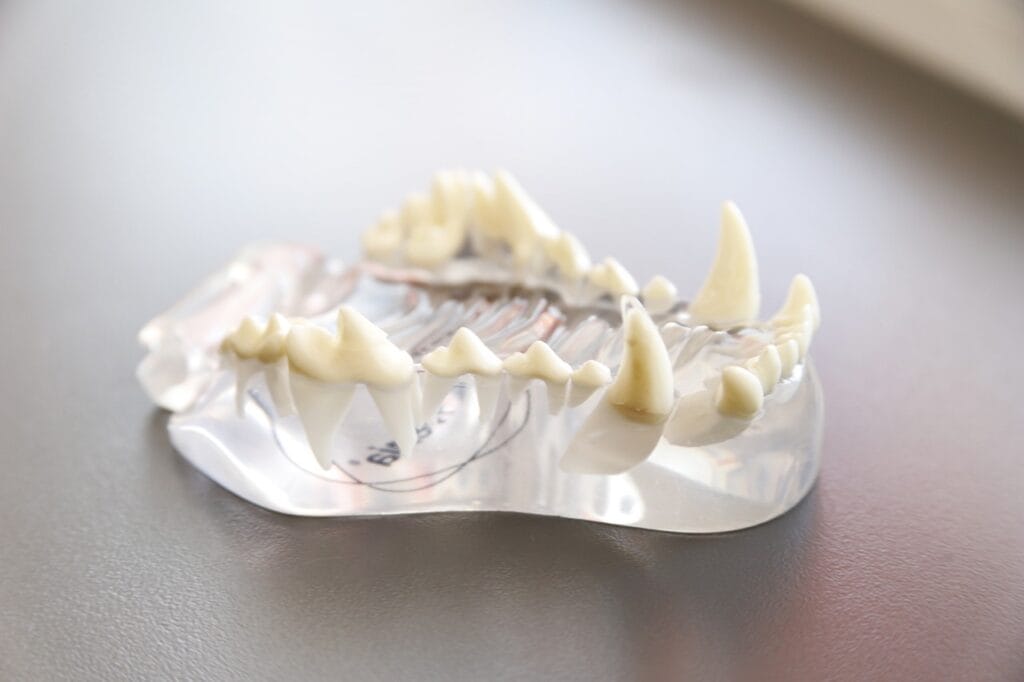
Understanding Dog Teeth and Gum Health
When learning how to brush your dog’s teeth, it’s important to know what areas require the most attention.
Dogs have 42 permanent teeth, and plaque tends to accumulate along the gum line.
Key areas to focus on include:
- outer surfaces of teeth
- back molars
- gum line where plaque forms
Most dogs naturally keep the inner surfaces of their teeth cleaner with their tongue, so brushing the outer surfaces is usually enough.
Gentle brushing along the gum line helps prevent plaque buildup.
How to Brush Your Dog’s Teeth (Step-by-Step Guide)
Learning how to brush your dog’s teeth becomes easier when you introduce the process gradually and positively.
Step 1: Choose the Right Time
Select a moment when your dog is calm and relaxed.
Good times include:
- after a walk
- after playtime
- during a quiet evening routine
A relaxed dog is more likely to cooperate during dental care.
Step 2: Introduce Toothpaste First
Before using a toothbrush, let your dog get used to the toothpaste.
- Place a small amount of dog-safe toothpaste on your finger.
- Let your dog sniff and taste it.
- Gently rub the toothpaste on their teeth and gums.
Dog toothpaste often comes in flavors like chicken or peanut butter, which helps dogs accept it more easily.
Step 3: Introduce the Toothbrush Slowly
Once your dog is comfortable with the toothpaste, introduce a toothbrush designed for dogs.
Steps include:
- lift your dog’s lip gently
- place the toothbrush at a slight angle
- brush gently along the gum line
- focus on the outer surfaces of the teeth
Short sessions are best at first.
Start with just a few teeth before gradually brushing more areas.
Step 4: Use Gentle Circular Motions
Brushing should be gentle and controlled.
Use small circular motions to:
- remove plaque
- clean along the gum line
- reach between teeth
Avoid pressing too hard, which could irritate your dog’s gums.
Step 5: Reward Your Dog
After brushing, reward your dog with:
- praise
- a small treat
- playtime
Positive reinforcement helps dogs associate tooth brushing with a pleasant experience.
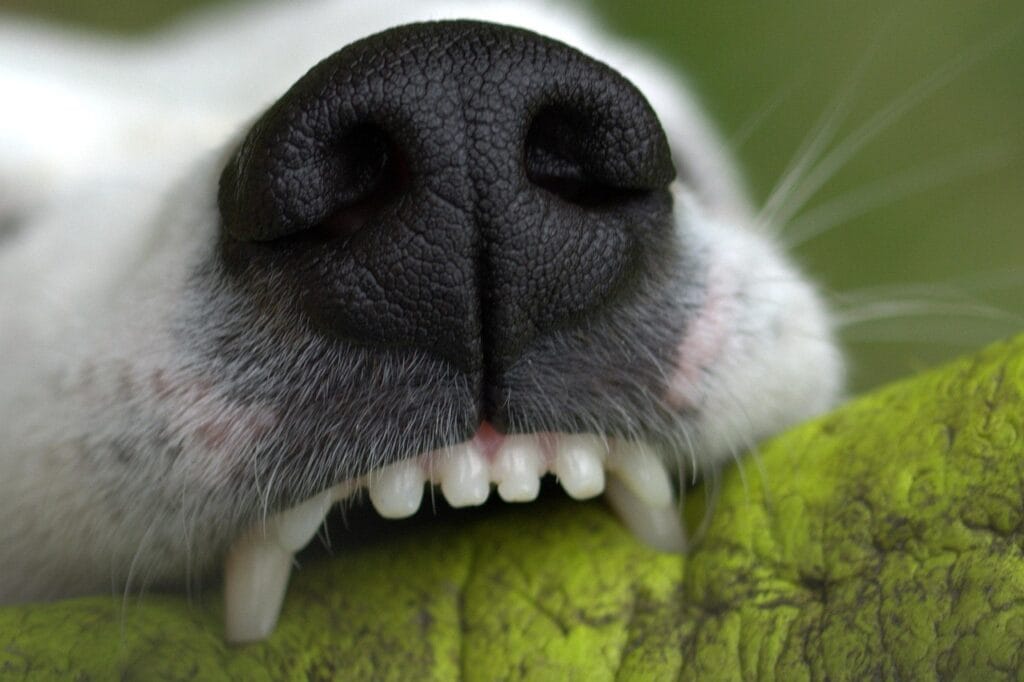
Helpful Tools for Dog Dental Care
This article contains affiliate links. As an Amazon Associate, we earn from qualifying purchases.
While brushing is the most effective dental care method, certain tools can help support oral hygiene.
Dog Toothbrush
A dog-specific toothbrush is designed with softer bristles and angles that make brushing easier.
Benefits include:
- better reach around teeth
- gentle cleaning
- improved comfort for dogs
Some toothbrushes include finger brushes for easier control.
Dog Toothpaste
Dog toothpaste is specially formulated for canine dental health.
Benefits include:
- safe ingredients for dogs
- plaque removal support
- pleasant flavors that encourage cooperation
Never use human toothpaste on dogs, as it may contain harmful ingredients.
Dental Chew Toys
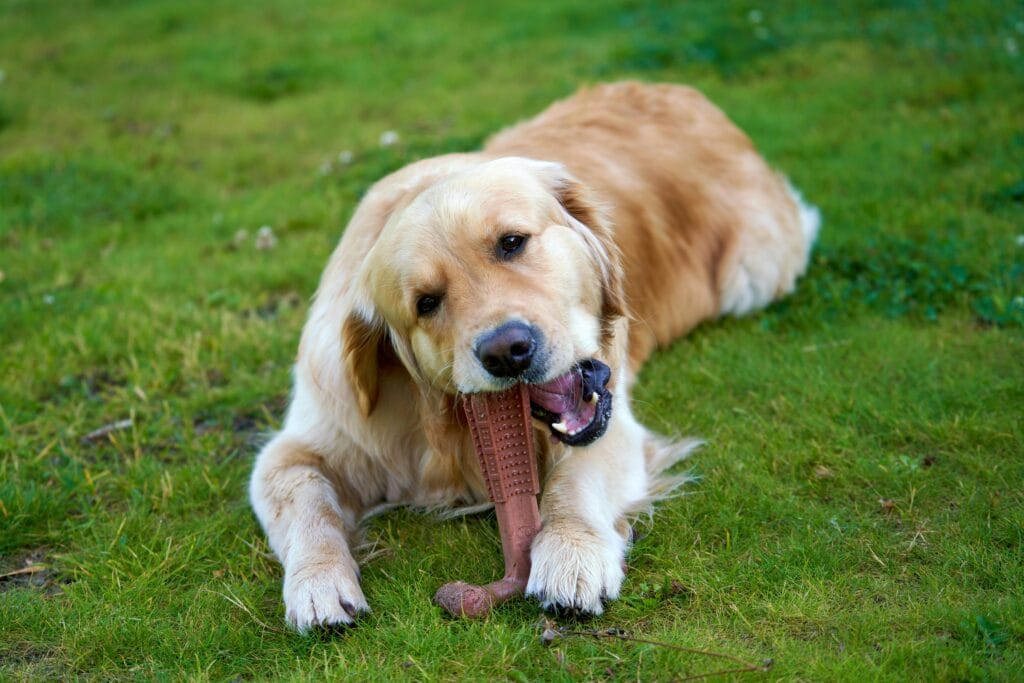
Dental chew toys can help support oral hygiene between brushing sessions.
Benefits include:
- reducing plaque buildup
- satisfying chewing instincts
- promoting healthy gums
These toys should complement brushing rather than replace it.
Practical Tips for Easier Tooth Brushing
These simple habits can make dental care easier and more effective.
Start Dental Care Early
Puppies adapt more easily to grooming routines.
Introducing tooth brushing early helps prevent resistance later.
Brush Teeth Regularly
Daily brushing is ideal, but even brushing several times per week can make a significant difference.
Consistency is more important than perfection.
Keep Sessions Short
Early brushing sessions should be brief.
Gradually increase brushing time as your dog becomes more comfortable.
Stay Calm and Patient
Dogs can sense frustration.
Remaining calm helps create a positive experience.
Common Tooth Brushing Mistakes
Avoiding these mistakes helps protect your dog’s dental health.
Using Human Toothpaste
Human toothpaste often contains xylitol or fluoride, which can be harmful to dogs.
Always use toothpaste specifically designed for dogs.
Brushing Too Aggressively
Harsh brushing can irritate gums and create discomfort.
Gentle brushing is more effective.
Skipping Dental Care
Many owners ignore dental care until problems appear.
Regular brushing prevents serious issues later.
Expecting Instant Cooperation
Some dogs need time to adjust to tooth brushing.
Gradual training helps build comfort.
Conclusion
Learning how to brush your dog’s teeth is one of the most effective ways to protect your dog’s long-term health. Dental care prevents plaque buildup, reduces the risk of gum disease, and helps maintain fresh breath and strong teeth.
By introducing brushing gradually, using dog-safe toothpaste, and maintaining a consistent routine, most dogs can learn to accept tooth brushing as part of their normal care.
Regular dental care not only improves oral health but also supports your dog’s overall well-being, helping them live a healthier and more comfortable life.
FAQ
How often should I brush my dog’s teeth?
Daily brushing is ideal, but brushing at least 3–4 times per week can still significantly reduce plaque buildup.
Can I use human toothpaste for my dog?
No. Human toothpaste may contain ingredients that are harmful to dogs. Always use dog-specific toothpaste.
What if my dog refuses tooth brushing?
Start slowly by letting your dog taste the toothpaste and gradually introduce the toothbrush.
Are dental chews enough for dog dental care?
Dental chews can help, but brushing remains the most effective way to remove plaque.
At what age should I start brushing my dog’s teeth?
Dental care can begin during puppyhood so dogs become comfortable with the routine early.
You may also like: