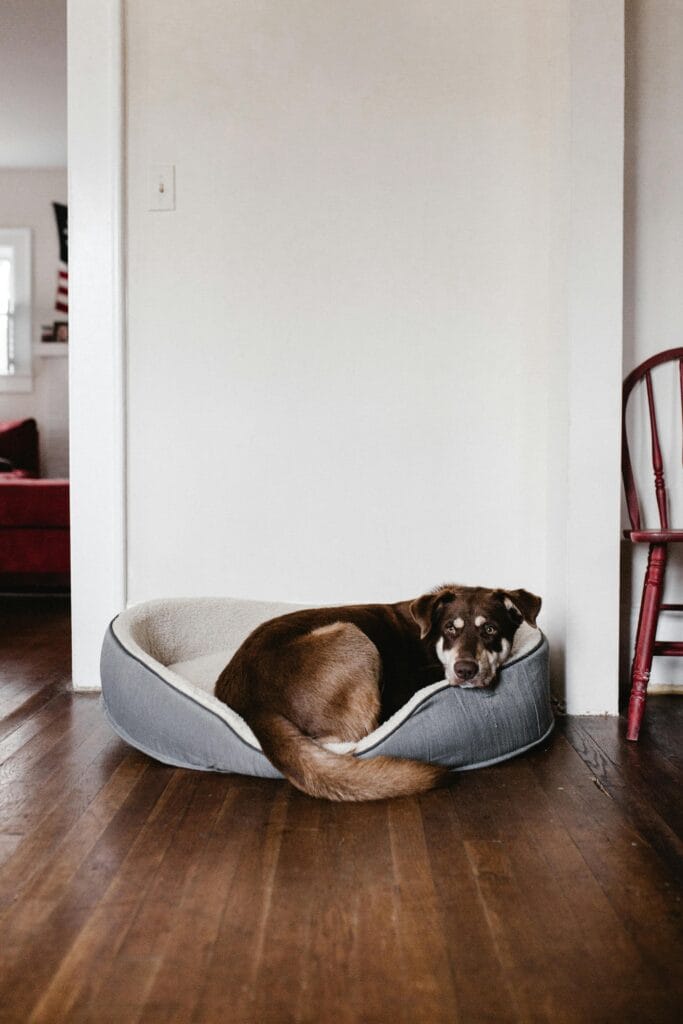
How to Cut a Dog’s Nails Safely
Many dog owners feel nervous the first time they attempt nail trimming. If you’re wondering how to cut a dog’s nails safely, you’re not alone. Nail trimming is one of the most important parts of dog grooming, yet it’s also one of the most commonly avoided tasks.
Long nails can cause discomfort, affect your dog’s posture, and even lead to joint problems over time. Regular nail care keeps your dog comfortable, improves movement, and prevents painful issues.
The good news is that nail trimming becomes much easier when you understand the correct technique and approach it calmly. With patience, the right tools, and positive reinforcement, most dogs can learn to tolerate or even relax during nail trimming.
In this guide, you’ll learn:
- why nail trimming is important for dogs
- how to cut a dog’s nails safely step by step
- practical grooming tips for beginners
- common mistakes dog owners make
- helpful tools that make nail trimming easier
With the right method, nail trimming can become a quick and stress-free part of your dog’s grooming routine.
Disclosure: As Amazon Associates, we earn from qualifying purchases at no extra cost to you.

Why Nail Trimming Is Important for Dogs
Before learning how to cut a dog’s nails safely, it helps to understand why regular nail care is essential.
When nails grow too long, they can affect how your dog walks. Long nails push against the ground, forcing the toes into unnatural positions.
This can lead to:
- discomfort while walking
- joint strain
- changes in posture
- increased risk of nail breakage
Regular nail trimming keeps your dog’s paws healthy and comfortable.
Most dogs need their nails trimmed every 3–4 weeks, although active dogs that walk on hard surfaces may naturally wear their nails down.
Understanding the Dog Nail Structure
One of the biggest concerns owners have when learning how to cut a dog’s nails safely is avoiding the quick.
The quick is the soft inner part of the nail that contains blood vessels and nerves.
Cutting into the quick can cause:
- pain
- bleeding
- fear of future nail trims
In light-colored nails, the quick appears as a pink area inside the nail. In dark nails, it’s harder to see, so trimming small amounts at a time is safest.
Taking gradual cuts helps avoid accidentally reaching the quick.
How to Cut a Dog’s Nails Safely (Step-by-Step Guide)
Learning how to cut a dog’s nails safely becomes much easier when you follow a calm and structured approach.
Step 1: Choose a Calm Environment
Pick a quiet place where your dog feels relaxed.
A calm environment helps reduce stress for both you and your dog.
Before trimming:
- allow your dog to relax
- speak calmly
- have treats ready for rewards
Creating a positive experience helps future grooming sessions go smoothly.
Step 2: Position Your Dog Comfortably
Different dogs are comfortable in different positions.
Common options include:
- sitting beside you
- lying down
- standing on a non-slip surface
Choose a position that keeps your dog calm while allowing you to see the nails clearly.
Step 3: Examine the Nails
Before cutting, look closely at each nail.
Identify:
- the tip of the nail
- the quick (if visible)
- areas that may require trimming
Cutting small sections gradually helps avoid mistakes.
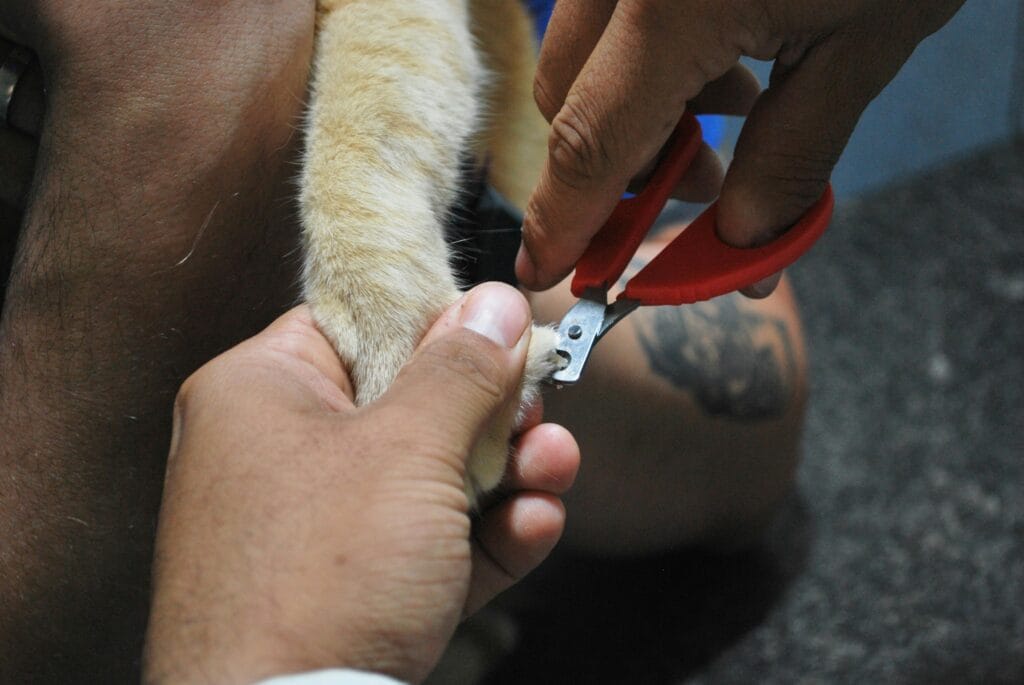
Step 4: Trim Small Sections
Use gentle, controlled movements.
Follow this simple process:
- hold the paw gently but firmly
- place the nail clipper around the tip of the nail
- trim a small portion at a time
- pause between cuts
Cutting small pieces reduces the chance of hitting the quick.
If your dog becomes restless, take short breaks.
Step 5: Reward Calm Behavior
Positive reinforcement helps your dog associate nail trimming with good experiences.
After trimming each nail:
- offer praise
- give a small treat
- remain calm and patient
Rewarding your dog encourages cooperation during future grooming sessions.
Helpful Tools for Safe Nail Trimming
This article contains affiliate links. As an Amazon Associate, we earn from qualifying purchases.
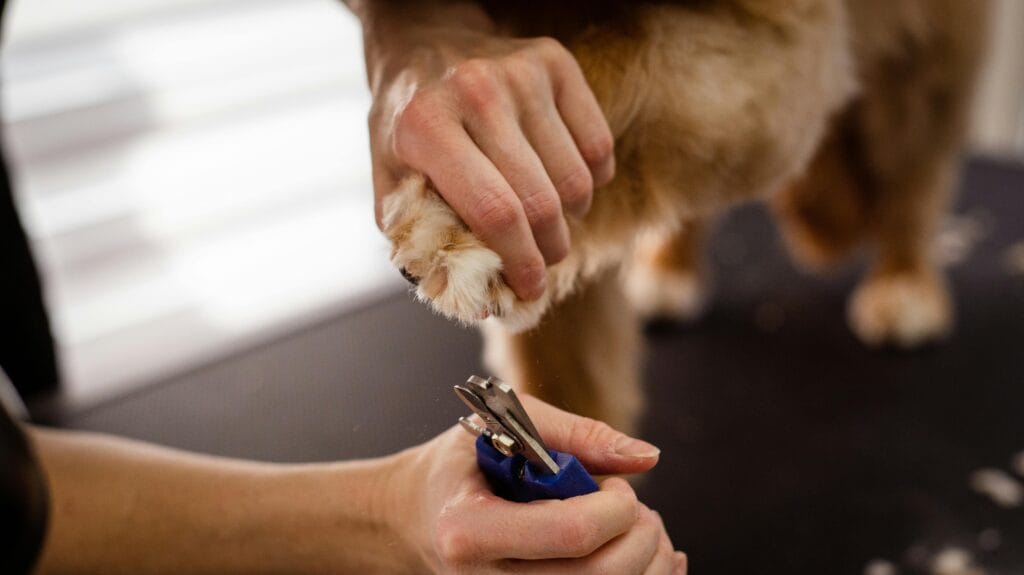
Using the right grooming tools can make nail trimming easier and safer.
Dog Nail Clippers
Quality dog nail clippers provide better control and cleaner cuts.
Good clippers should have:
- sharp stainless-steel blades
- comfortable grips
- safety guards
Sharp tools reduce pressure and make trimming smoother.
Dog Nail Grinder
A dog nail grinder smooths nail edges after trimming.
Benefits include:
- gradual nail shortening
- smoother nail edges
- reduced risk of cutting the quick
Many owners use grinders after trimming for finishing touches.
Non-Slip Grooming Mat
A non-slip mat helps keep dogs stable during grooming.
Benefits include:
- preventing slipping
- helping dogs feel secure
- making nail trimming easier
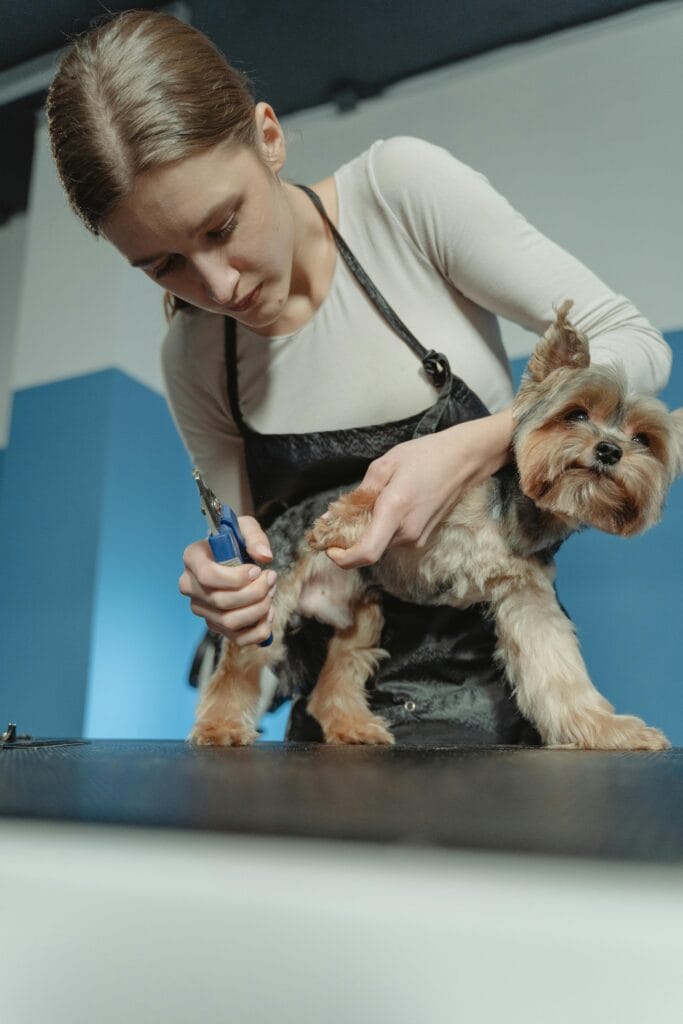
Practical Tips for Stress-Free Nail Trimming
These tips can help make nail trimming easier for both you and your dog.
Start Training Early
Puppies adapt more easily to grooming routines.
Handle your dog’s paws regularly so they become comfortable with touch.
This makes nail trimming less stressful.
Trim Nails Frequently
Short, regular trimming sessions are better than waiting until nails become long.
Frequent trimming helps the quick gradually recede, allowing shorter nails over time.
Keep Sessions Short
Some dogs become restless during grooming.
Short sessions help maintain calm behavior.
You can trim a few nails at a time if needed.
Stay Calm
Dogs often mirror their owner’s emotions.
Staying relaxed helps your dog remain calm as well.
Common Nail Trimming Mistakes
Avoiding these mistakes helps make nail care safer and more comfortable.
Cutting Too Much at Once
Trying to shorten the nail too quickly increases the risk of hitting the quick.
Small gradual trims are safer.
Using Dull Clippers
Dull tools can crush the nail instead of cutting cleanly.
Sharp clippers make the process easier and more comfortable.
Skipping Nail Care
Waiting too long between trims allows nails to grow excessively long.
Regular maintenance prevents problems.
Rushing the Process
Nail trimming should be calm and patient.
Rushing increases stress and mistakes.
Conclusion
Learning how to cut a dog’s nails safely is an essential skill for every dog owner. While nail trimming may seem intimidating at first, it becomes much easier with practice, patience, and the right tools.
By trimming small sections, rewarding calm behavior, and maintaining a regular grooming schedule, you can help keep your dog comfortable and healthy.
Consistent nail care prevents discomfort, supports proper posture, and ensures your dog can move freely and comfortably.
With time, nail trimming can become a simple routine that strengthens trust between you and your dog.
FAQ
How often should I trim my dog’s nails?
Most dogs need nail trimming every 3–4 weeks, depending on activity level and nail growth.
What happens if I cut the quick?
If the quick is accidentally cut, mild bleeding may occur. Styptic powder can help stop the bleeding quickly.
Are nail grinders better than clippers?
Both tools work well. Clippers cut nails quickly, while grinders provide smoother edges.
Can long nails hurt my dog?
Yes. Overgrown nails can cause discomfort, posture problems, and joint strain.
How can I keep my dog calm during nail trimming?
Using treats, calm praise, and short grooming sessions can help dogs stay relaxed during nail care.
You may also like: