How to Teach a Puppy Their Name
Teaching a puppy their name is one of the first and most important steps in early training. If you’re wondering how to teach a puppy their name, the process is actually simple when you use positive reinforcement and short, consistent training sessions.
Your puppy’s name is more than just a label—it becomes a signal that tells them to pay attention to you. Once a puppy learns their name, it becomes much easier to teach other commands like “come,” “sit,” and “stay.”
Many new dog owners accidentally confuse their puppy during name training by repeating the name too often or using it in negative situations. With the right approach, most puppies can learn their name surprisingly quickly.
In this guide, you’ll learn:
- why name training is important
- how to teach a puppy their name step by step
- practical tips that make training easier
- common mistakes to avoid
- helpful tools that support puppy training
With patience and consistent practice, your puppy will soon respond happily when they hear their name.
Disclosure: As Amazon Associates, we earn from qualifying purchases at no extra cost to you.
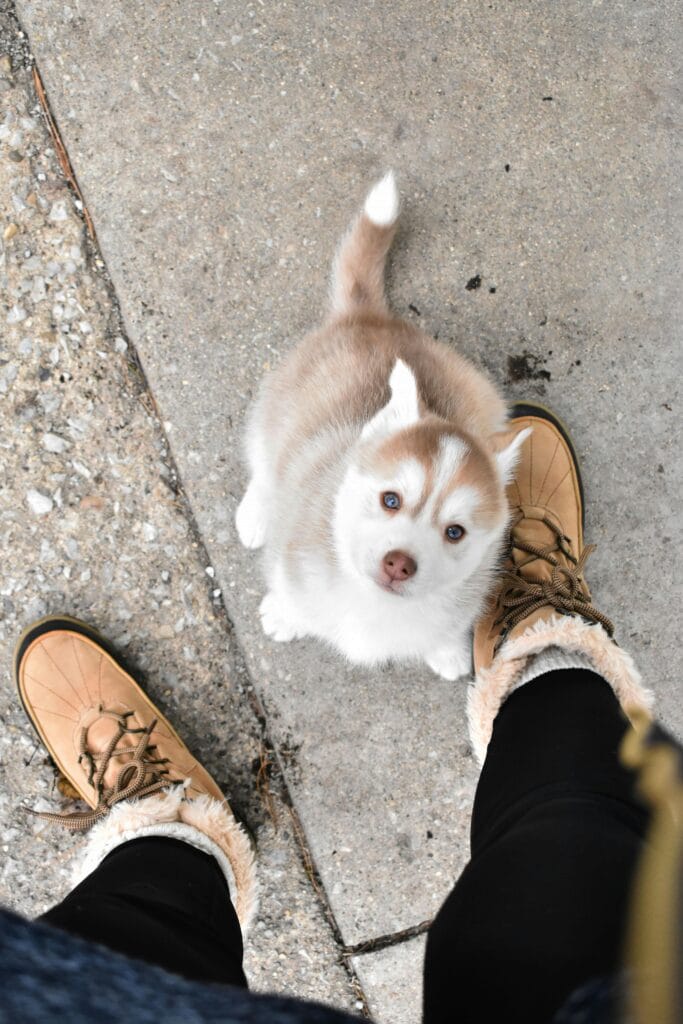
Why Teaching Your Puppy Their Name Matters
Before learning how to teach a puppy their name, it’s helpful to understand why this training step is so important.
Your puppy’s name becomes a cue that tells them to focus on you.
This skill helps with:
- recall training
- attention during walks
- preventing distractions
- building communication between you and your dog
When your puppy hears their name and immediately looks at you, it creates the foundation for all future training.
How to Teach a Puppy Their Name
Learning how to teach a puppy their name is easiest when you keep training fun, positive, and short.
Follow these steps to help your puppy learn their name quickly.
Step 1: Choose a Clear and Simple Name
Short names with one or two syllables are easier for puppies to recognize.
Examples include:
- Max
- Luna
- Milo
- Bella
Names that sound clear and upbeat help capture your puppy’s attention more easily.
Avoid names that sound similar to common commands.
Step 2: Say the Name in a Positive Tone
Start in a quiet room with minimal distractions.
- Say your puppy’s name in a happy voice.
- Wait for the puppy to look at you.
- Immediately reward with praise or a treat.
The goal is to teach your puppy that hearing their name means something good is about to happen.
Step 3: Reward Attention Immediately
Timing is important during training.
The moment your puppy looks at you after hearing their name:
- praise them enthusiastically
- give a small treat
- offer gentle petting
This creates a strong association between their name and positive experiences.

Step 4: Practice Frequently in Short Sessions
Puppies have short attention spans, so training should be brief.
Ideal training sessions are:
- 3–5 minutes long
- repeated several times per day
- fun and relaxed
Frequent short sessions help reinforce learning without overwhelming the puppy.
Step 5: Add Distance and Mild Distractions
Once your puppy responds consistently, begin practicing in different environments.
For example:
- across the room
- in the yard
- during playtime
Gradually increasing distractions helps your puppy learn to respond to their name in real-life situations.

Helpful Tools for Name Training
This article contains affiliate links. As an Amazon Associate, we earn from qualifying purchases.
While name training mainly depends on consistency, a few simple tools can make training easier.
Puppy Training Clicker
A training clicker helps mark the exact moment your puppy responds to their name.
Benefits include:
- clear communication during training
- faster learning for many dogs
- consistent positive reinforcement
Clicker training works especially well for attention-based exercises.
Small Training Treats
High-value treats motivate puppies to pay attention during training.
Look for treats that are:
- small and soft
- easy to chew
- highly appealing
Using small treats allows you to reward frequently without overfeeding.
Comfortable Dog Bed
A calming dog bed provides a comfortable resting place after training sessions.
Benefits include:
- encouraging relaxation
- creating a safe resting spot
- helping puppies recover after play or training

Practical Tips for Faster Name Training
These simple tips can help your puppy learn their name more quickly.
Use the Name Only for Positive Moments
Your puppy should associate their name with positive experiences.
Avoid using the name when:
- scolding the puppy
- correcting behavior
- expressing frustration
The name should signal attention and good things.
Avoid Repeating the Name Too Often
Repeating the name multiple times can confuse the puppy.
Instead of saying:
“Max, Max, Max!”
Say the name once clearly and wait for a response.
Make Training Fun
Puppies learn best when training feels like play.
Use:
- cheerful voices
- treats
- toys
Fun training sessions keep puppies motivated.
Practice in Different Environments
Once your puppy understands their name indoors, practice in:
- the backyard
- quiet parks
- during walks
Gradually adding distractions strengthens the response.
Common Mistakes Dog Owners Make
Avoiding these mistakes can help name training progress faster.
Using the Name for Discipline
If the puppy hears their name before being scolded, they may begin associating the name with negative experiences.
Always keep the name positive.
Expecting Immediate Results
Like all training, name recognition takes repetition.
Most puppies begin responding consistently within a few days to a week.
Training in Busy Environments Too Soon
Too many distractions early on can slow learning.
Start in a quiet environment before moving to more challenging locations.
Skipping Daily Practice
Short daily training sessions are much more effective than occasional long sessions.
Consistency builds stronger habits.
Conclusion
Learning how to teach a puppy their name is one of the easiest and most important early training steps. By using positive reinforcement, short training sessions, and clear communication, most puppies quickly learn to respond when they hear their name.
This simple skill forms the foundation for future training and helps build a strong connection between you and your puppy. Once your puppy reliably responds to their name, teaching other commands becomes much easier.
With patience, consistency, and positive experiences, your puppy will soon turn happily toward you whenever they hear their name.
FAQ
How long does it take for a puppy to learn their name?
Most puppies begin recognizing their name within a few days of consistent training.
At what age should name training start?
Name training can begin as soon as the puppy arrives home, usually around 8 weeks of age.
Should I use treats when teaching a puppy their name?
Yes. Treats help reinforce the positive association between hearing their name and paying attention.
What if my puppy ignores their name?
Start training in a quieter environment and reduce distractions. Gradually build up difficulty.
Can older dogs learn a new name?
Yes. Dogs of any age can learn a new name using the same positive reinforcement methods.
You may also like: