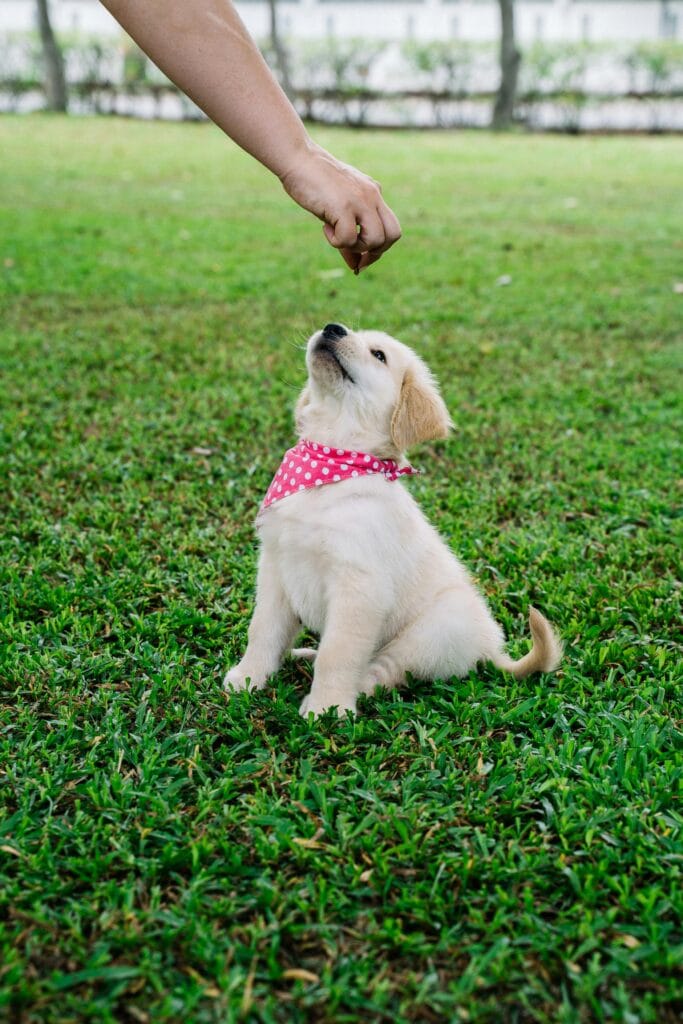
How to Introduce a Puppy to Children
Bringing a puppy into a home with children can be a wonderful experience, but it also requires careful planning and supervision. If you’re wondering how to introduce a puppy to children, it’s important to approach the first meeting calmly and safely.
Both puppies and children are curious, energetic, and still learning how to interact with the world around them. Without guidance, misunderstandings can happen. Puppies may nip or become overwhelmed, while children may accidentally scare or stress the puppy.
The goal of a proper introduction is to create positive experiences for both the puppy and the child. When done correctly, these early interactions help build trust, respect, and a lifelong friendship.
In this guide you’ll learn:
- why puppy and child introductions matter
- how to introduce a puppy to children step by step
- practical safety tips for families
- common mistakes to avoid
- helpful tools that support calm interactions
With patience and supervision, puppies and children can quickly learn how to interact safely and happily.
Disclosure: As Amazon Associates, we earn from qualifying purchases at no extra cost to you.
Why Proper Introductions Matter
Before learning how to introduce a puppy to children, it’s important to understand why careful introductions are so important.
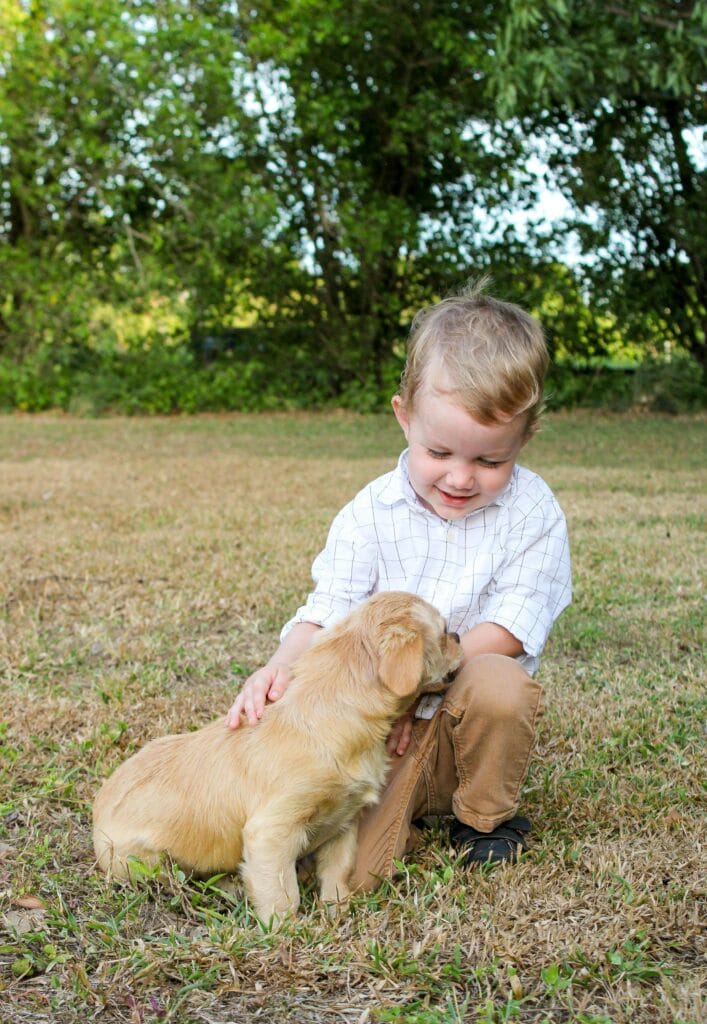
Puppies are still developing social skills. At the same time, young children may not yet understand how to approach animals safely.
Positive early interactions help:
- build trust between puppy and child
- prevent fear or anxiety
- reduce accidental biting or scratching
- teach children how to respect animals
When both sides learn appropriate behavior early, the relationship between them becomes stronger and safer.
How to Introduce a Puppy to Children
Learning how to introduce a puppy to children requires patience, supervision, and calm behavior from everyone involved.
Follow these steps to create a safe and positive introduction.
Step 1: Prepare the Child Before the Meeting
Before the puppy enters the room, explain a few simple rules to the child.
Children should understand:
- not to run toward the puppy
- not to shout or scream
- to move slowly and gently
- to let the puppy approach first
Teaching these basic rules helps prevent overwhelming the puppy.
Step 2: Keep the Puppy Calm
Before the first meeting, make sure your puppy is calm and relaxed.
Helpful ways to do this include:
- allowing the puppy to explore the room first
- providing a short walk or play session beforehand
- avoiding overstimulation
A relaxed puppy is much more likely to respond positively to the introduction.
Step 3: Let the Puppy Approach First
Instead of having the child approach the puppy, allow the puppy to move closer at their own pace.
This helps the puppy feel:
- safe
- curious
- comfortable
Encourage the child to sit quietly while the puppy explores.
Step 4: Teach Gentle Petting
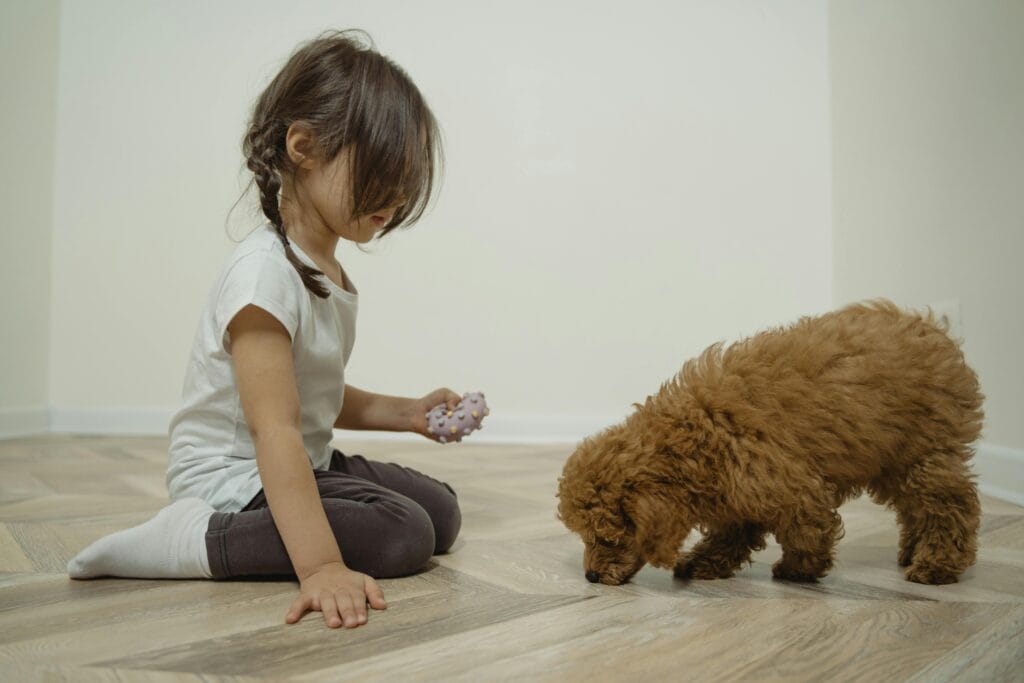
Once the puppy is comfortable, show the child how to pet the puppy gently.
Safe petting areas include:
- the side of the body
- the chest
- the back
Children should avoid:
- grabbing ears
- pulling the tail
- hugging tightly
Supervision is important during every interaction.
Step 5: Keep the First Meeting Short
Short introductions help prevent stress.
A few minutes of calm interaction is enough for the first meeting.
Afterward, allow the puppy to rest in a quiet area.
Short positive experiences help build confidence for future interactions.
Helpful Tools for Puppies and Children
This article contains affiliate links. As an Amazon Associate, we earn from qualifying purchases.
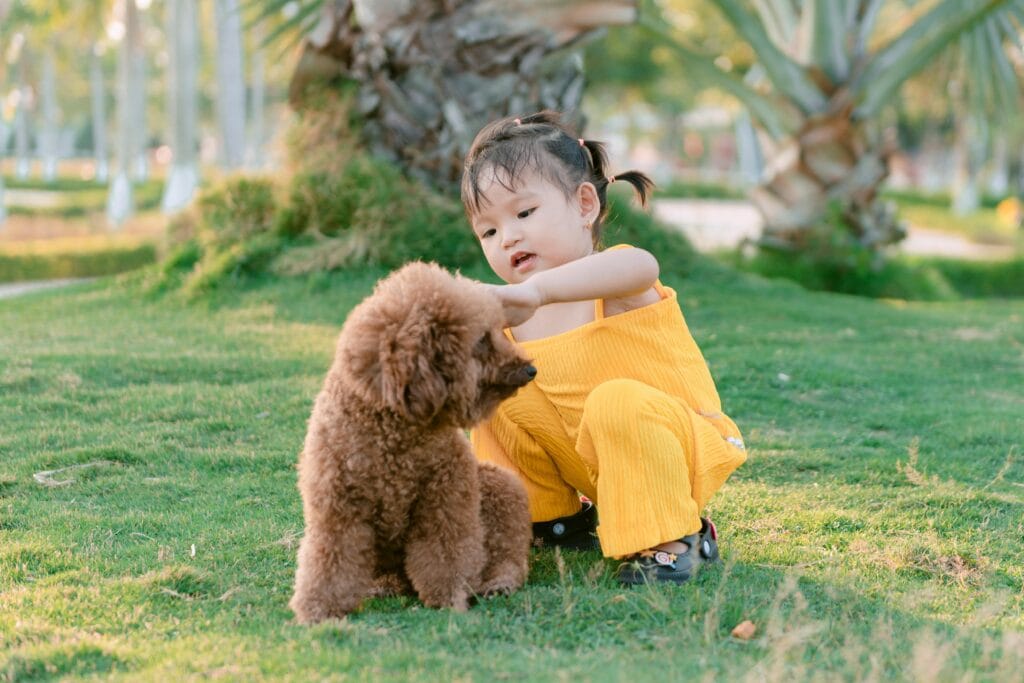
Certain tools can help create a calm and safe environment for both puppies and children.
Puppy Playpen
A puppy playpen creates a safe boundary between the puppy and children when supervision is limited.
Benefits include:
- preventing rough play
- giving the puppy a safe space
- allowing controlled interactions
Playpens help puppies feel secure while adjusting to a new family environment.
Interactive Puppy Toys
Puppy toys can help redirect playful energy.
Benefits include:
- encouraging appropriate play
- preventing nipping
- keeping the puppy mentally stimulated
Children can participate by gently tossing toys instead of using their hands.
Calming Dog Bed
A calming dog bed provides a comfortable resting space where the puppy can relax after interactions.
Benefits include:
- reducing stress
- encouraging healthy sleep
- helping the puppy settle after playtime

Practical Tips for Safe Puppy and Child Interactions
Daily habits can help puppies and children develop a healthy relationship.
Always Supervise Interactions
Young children should never be left alone with a puppy.
Supervision helps prevent:
- accidental rough handling
- puppy nipping
- stressful situations
Adults should guide interactions until both the puppy and child understand appropriate behavior.
Teach Children Respect for the Puppy
Children should learn that puppies need:
- rest time
- quiet space
- gentle handling
Respecting the puppy’s needs helps prevent stress and fear.
Reward Calm Behavior
Whenever the puppy behaves calmly around children, reward them with:
- praise
- treats
- gentle affection
Positive reinforcement encourages good behavior.
Common Mistakes Families Make
Avoiding these mistakes can help ensure safe and happy interactions.
Allowing Rough Play
Children may accidentally become too excited.
Running, shouting, or chasing the puppy can cause stress or nipping behavior.
Ignoring Puppy Stress Signals
Dogs communicate discomfort through body language.
Signs of stress include:
- tucked tail
- yawning
- lip licking
- backing away
If the puppy shows these signs, give them space.
Overwhelming the Puppy
Too many children interacting with the puppy at once can be overwhelming.
Introduce one child at a time when possible.
Skipping Training
Teaching basic commands like “sit” and “leave it” helps puppies behave calmly around children.
Conclusion
Learning how to introduce a puppy to children helps create a safe and positive environment for everyone in the family. With patience, supervision, and clear rules, puppies and children can quickly learn how to interact respectfully.
By teaching children gentle behavior, allowing the puppy to approach at their own pace, and supervising early interactions, families can build strong and trusting relationships between their puppy and children.
Over time, these early experiences help puppies grow into confident family dogs that feel comfortable around kids.
With the right approach, the bond between a child and their puppy can become one of the most rewarding friendships in the home.
FAQ
At what age can puppies meet children?
Puppies can meet children as soon as they arrive home, but introductions should always be calm and supervised.
Can puppies bite children during play?
Puppies may nip during play, which is why supervision and training are important.
How can children help train a puppy?
Children can help by offering treats for calm behavior and participating in simple training exercises under supervision.
What should I do if my puppy seems scared of children?
Give the puppy space and allow them to observe from a distance. Gradually reintroduce interaction in calm situations.
Should puppies sleep near children?
It’s usually best for puppies to have their own quiet sleeping space where they can rest without disturbance.
You may also like: