How to Potty Train a Puppy Fast
Potty training is one of the first and most important challenges new dog owners face. If you’re wondering how to potty train a puppy fast, you’re definitely not alone. Accidents on the floor, constant cleaning, and confusion about when your puppy needs to go outside can make the process stressful.
The good news is that most puppies can learn house training surprisingly quickly with the right routine and consistency. Puppies thrive on structure, and when you provide clear expectations and frequent opportunities to go outside, they begin to understand where the bathroom is supposed to be.
In this guide, you’ll learn:
- how potty training works for puppies
- a simple step-by-step routine
- common mistakes that slow training
- practical tips to speed up the process
- helpful tools that make training easier
With patience and the right approach, many puppies become reliably house trained within a few weeks.
Disclosure: As Amazon Associates, we earn from qualifying purchases at no extra cost to you.
Why Puppies Struggle With Potty Training
Before learning how to potty train a puppy fast, it helps to understand why accidents happen.
Young puppies simply don’t yet have full bladder control. Most puppies can only hold their bladder for:
- 1 hour per month of age
- a little longer overnight
- shorter periods during active play
For example:
- 2-month puppy → about 2 hours
- 3-month puppy → about 3 hours
Other reasons puppies have accidents include:
- inconsistent schedules
- too much freedom in the house
- not recognizing bathroom signals
- excitement or anxiety
The goal of training is to create a predictable routine so your puppy learns exactly where and when to go.
How to Potty Train a Puppy Fast (Step-by-Step Guide)
Learning how to potty train a puppy fast is mainly about consistency and timing. Follow these steps carefully for the best results.
Step 1: Create a Consistent Potty Schedule
A routine is the fastest way to teach your puppy where to go.
Take your puppy outside:
- First thing in the morning
- After every meal
- After naps
- After playtime
- Before bedtime
- Every 1–2 hours for young puppies
Frequent bathroom breaks prevent accidents and give your puppy many opportunities to succeed.
Consistency is the foundation of fast house training.
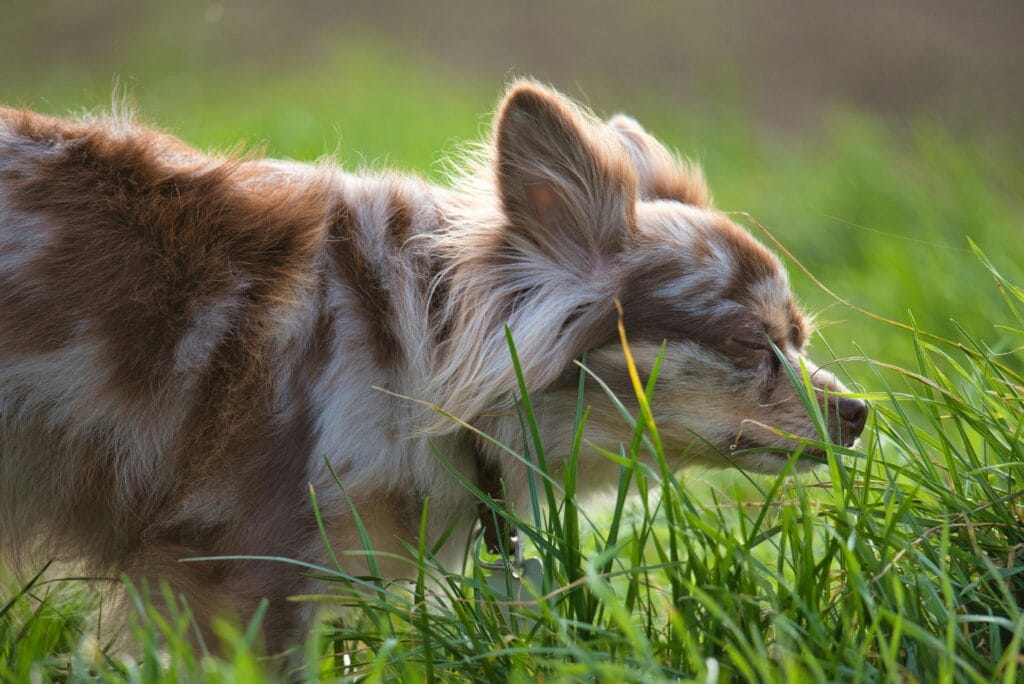
Step 2: Always Use the Same Potty Spot
Dogs learn through association. Taking your puppy to the same outdoor location helps them recognize that area as the bathroom.
Benefits of using the same spot:
- familiar smells encourage elimination
- faster routine learning
- less confusion for your puppy
Stand quietly and give your puppy time to sniff.
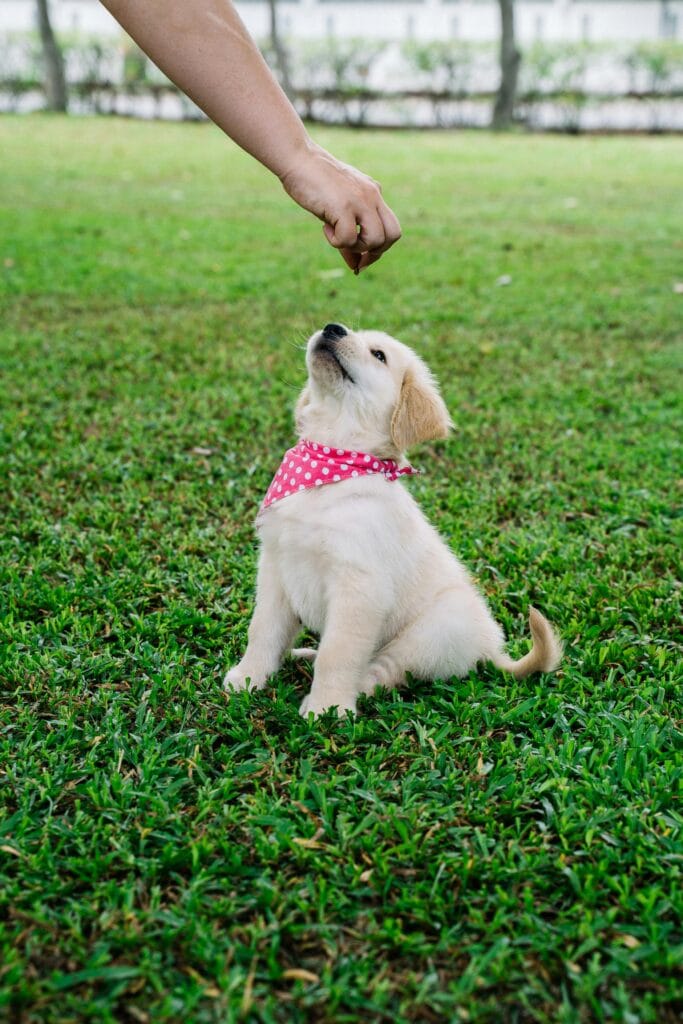
When they go, reward them immediately.
Step 3: Reward Immediately After Success
Positive reinforcement is one of the most powerful training tools.
When your puppy goes outside:
- praise them enthusiastically
- offer a small treat
- use a consistent phrase like “good potty”
The reward must happen within a few seconds so your puppy connects the behavior with the reward.
Over time, puppies begin choosing the correct location because it leads to positive outcomes.
Step 4: Supervise Your Puppy Indoors
Many accidents happen simply because the puppy is unsupervised.
Watch for common potty signals:
- sniffing the floor
- circling
- whining
- suddenly leaving the room
When you notice these signs, immediately take your puppy outside.
Close supervision prevents accidents and helps you respond quickly.
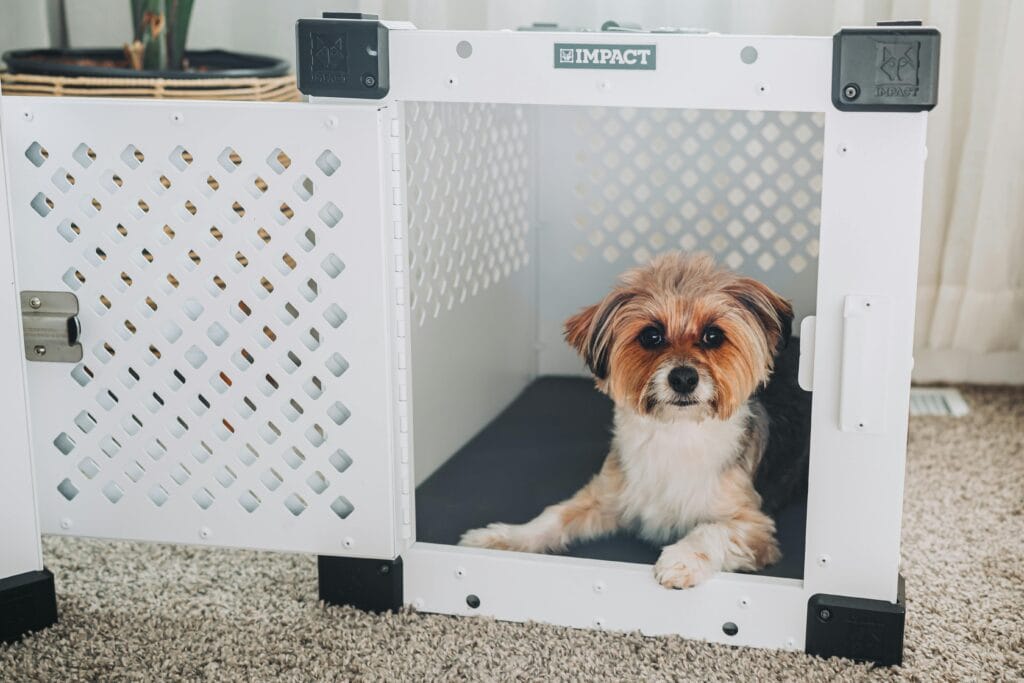
Step 5: Use a Crate to Support Training
Crate training is extremely helpful for house training because dogs naturally avoid soiling their sleeping area.
When used properly, a crate:
- helps control your puppy’s environment
- prevents accidents when unsupervised
- builds bladder control
The crate should be just large enough for the puppy to:
- stand
- turn around
- lie down comfortably
Too much space may encourage accidents inside the crate.
Helpful Tools That Make Potty Training Easier
This article contains affiliate links. As an Amazon Associate, we earn from qualifying purchases.
While consistency is the most important factor in house training, a few simple tools can make the process smoother.
Puppy Training Pads
Training pads can be useful for:
- apartment living
- long workdays
- emergency indoor potty options
They provide a designated indoor area for puppies that cannot go outside frequently.
Dog Training Clicker
Clicker training helps mark the exact moment your puppy performs the correct behavior.
Benefits include:
- faster learning
- clear communication
- strong positive reinforcement
Clickers work well when teaching puppies that going outside earns rewards.
Puppy Playpen
A playpen helps limit your puppy’s access to the entire house.
Advantages include:
- fewer hidden accidents
- easier supervision
- safer training environment
A controlled space makes potty training easier and faster.
Practical Tips to Speed Up Potty Training
Potty training can feel frustrating at times, but these simple tips can dramatically speed up the process.
Stick to a Feeding Schedule
Free-feeding can make bathroom timing unpredictable.
Instead:
- feed meals at consistent times
- remove uneaten food after 20 minutes
Predictable digestion leads to predictable potty breaks.
Limit Water Before Bedtime
Puppies should always have access to water during the day, but limiting water about 2 hours before bedtime can reduce nighttime accidents.
Make sure your puppy goes outside just before sleep.
Keep Potty Trips Calm and Focused
During bathroom trips:
- avoid playing
- avoid distractions
- keep the goal focused on potty
Once the puppy goes, reward and return inside.
Clean Accidents Thoroughly
If your puppy smells previous accidents, they may return to the same spot.
Use enzymatic cleaners designed for pet odors to remove scent markers completely.
Common Potty Training Mistakes
Avoiding these mistakes will help your puppy learn much faster.
Punishing Accidents
Punishing a puppy for accidents often creates fear rather than understanding.
Instead:
- calmly clean the mess
- focus on preventing future accidents
Positive training works much better.
Waiting Too Long Between Potty Breaks
Young puppies simply cannot hold their bladder for long.
Frequent bathroom breaks dramatically reduce accidents.
Giving Too Much Freedom Too Soon
Allowing your puppy access to the entire house early on increases accident risk.
Gradually expand freedom as training improves.
Missing Early Potty Signals
Pay attention to your puppy’s body language. Catching signals early prevents most accidents.
Conclusion
Learning how to potty train a puppy fast comes down to routine, supervision, and consistent rewards. Puppies learn best when they clearly understand where the bathroom is and when they are expected to go.
By following a predictable schedule, rewarding successful potty trips, and closely supervising your puppy indoors, you can dramatically reduce accidents and speed up the training process.
Remember that patience is key. Every puppy learns at a different pace, but with consistency and encouragement, most puppies quickly develop reliable house training habits.
Before long, your puppy will understand exactly where to go — making life easier for both of you.
FAQ
How long does it take to potty train a puppy?
Most puppies begin learning within a few weeks, but full house training may take 1–3 months depending on age and consistency.
At what age should potty training start?
Potty training should start immediately when the puppy comes home, usually around 8 weeks old.
How often should I take my puppy outside?
Young puppies typically need bathroom breaks every 1–2 hours, as well as after meals, naps, and playtime.
Should I wake my puppy at night for potty breaks?
Very young puppies may need one nighttime potty break until they develop stronger bladder control.
Why does my puppy still have accidents?
Accidents usually happen because of inconsistent schedules, lack of supervision, or waiting too long between bathroom breaks.
You may also like: