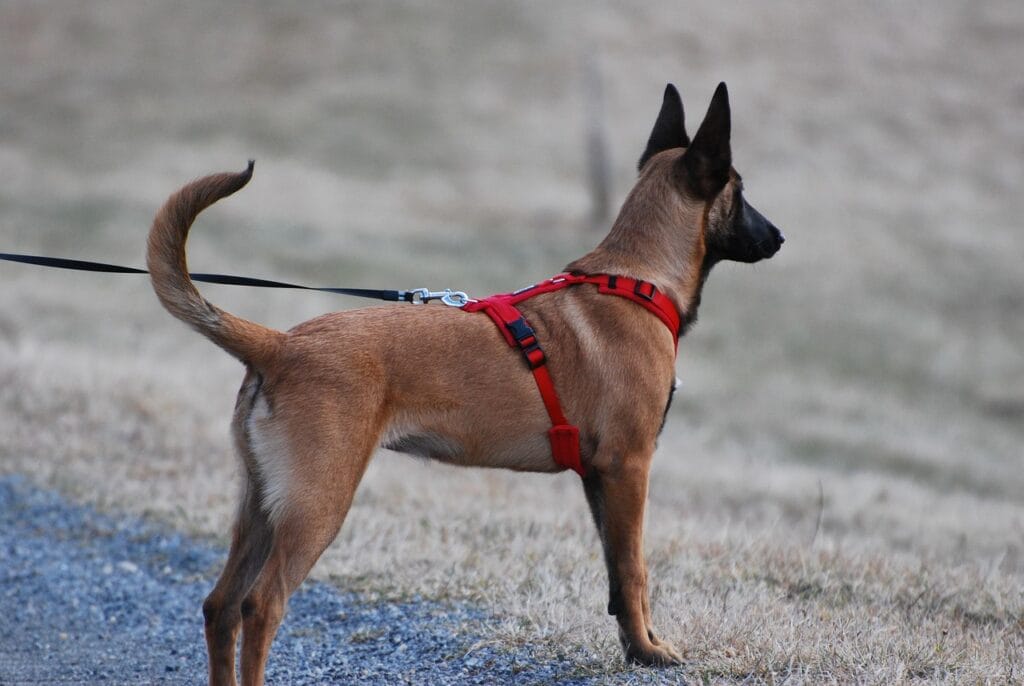
How to Stop a Dog From Barking at Strangers
Many dog owners struggle with barking behavior, especially when their dog reacts loudly to unfamiliar people. If you’re searching for how to stop a dog from barking at strangers, you’re not alone. Barking at strangers is one of the most common behavioral challenges dog owners face.
Some dogs bark out of excitement, while others bark because they feel protective, nervous, or unsure about unfamiliar people. While barking is a natural form of communication for dogs, excessive barking can become stressful for both the dog and the owner.
The good news is that with patience, proper training, and consistent practice, most dogs can learn to stay calm around strangers. In this guide, you’ll learn practical training steps, helpful tools, and common mistakes to avoid when working on this behavior.
Disclosure: As Amazon Associates, we earn from qualifying purchases at no extra cost to you.
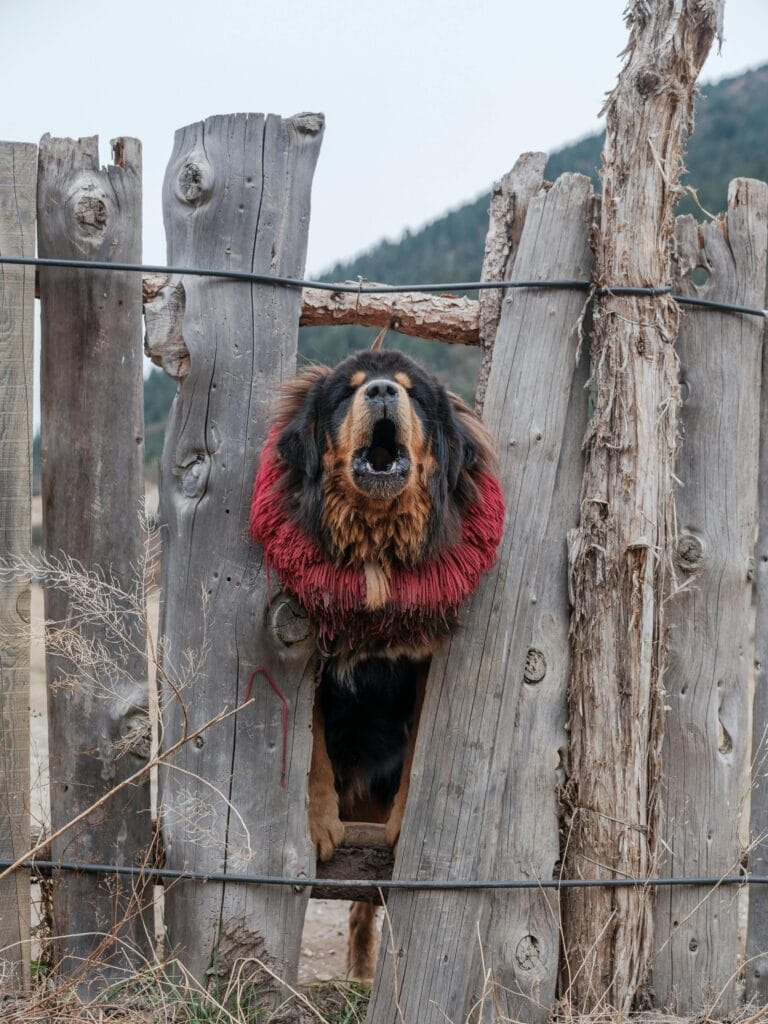
Why Dogs Bark at Strangers
Before learning how to stop a dog from barking at strangers, it’s helpful to understand the reasons behind the behavior.
Dogs bark at strangers for several reasons:
- protective instincts
- fear or uncertainty
- excitement when seeing new people
- lack of socialization
- territorial behavior
Some dogs bark because they feel they need to alert their owner, while others may simply feel uncomfortable around unfamiliar people.
Understanding the cause helps you choose the best training approach.
How to Stop a Dog From Barking at Strangers: Step-by-Step Guide
Training your dog to stay calm around strangers takes time, but these steps can help reduce barking behavior.
Step 1: Stay Calm and Avoid Reacting
When your dog begins barking, avoid yelling or reacting strongly.
Dogs often interpret loud responses as encouragement to bark even more. Instead:
- remain calm
- speak in a neutral tone
- avoid sudden movements
Your calm behavior helps your dog relax.

Step 2: Teach the “Quiet” Command
Teaching a quiet command can help control barking.
Start by letting your dog bark once or twice, then say:
Quiet
As soon as your dog stops barking—even for a moment—reward them with praise or a treat.
Repeat this training several times so your dog begins associating the word with stopping barking.
Step 3: Redirect Your Dog’s Attention
When your dog notices a stranger, redirect their focus to you.
You can do this by:
- calling their name
- asking for a command like “sit”
- offering a treat
This shifts their attention away from the stranger and toward you.
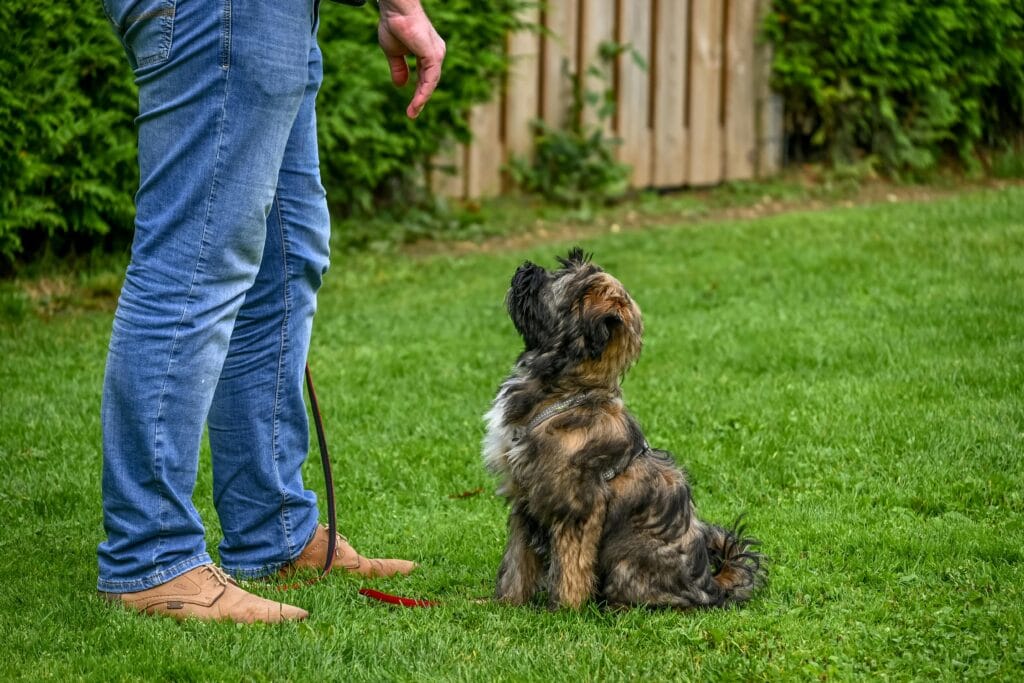
Step 4: Gradually Introduce Controlled Exposure
Controlled exposure helps dogs become comfortable around unfamiliar people.
Start with low-pressure situations.
For example:
- Ask a friend to stand at a distance
- Reward your dog for staying calm
- Slowly decrease the distance over time
- Continue rewarding calm behavior
This technique helps dogs learn that strangers are not a threat.
Step 5: Reward Calm Behavior
Positive reinforcement is one of the most effective training tools.
Whenever your dog notices a stranger but does not bark, immediately reward them.
Over time, your dog learns that calm behavior leads to positive outcomes.

Helpful Training Tools
This article contains affiliate links. As an Amazon Associate, we earn from qualifying purchases.
Certain tools can help make training easier and improve your dog’s focus during training sessions.
Training Treats
Small training treats allow you to reward calm behavior quickly.
Example product:
Zuke’s Mini Naturals Dog Training Treats
These treats are small, low-calorie, and commonly used during obedience training.
No-Pull Harness
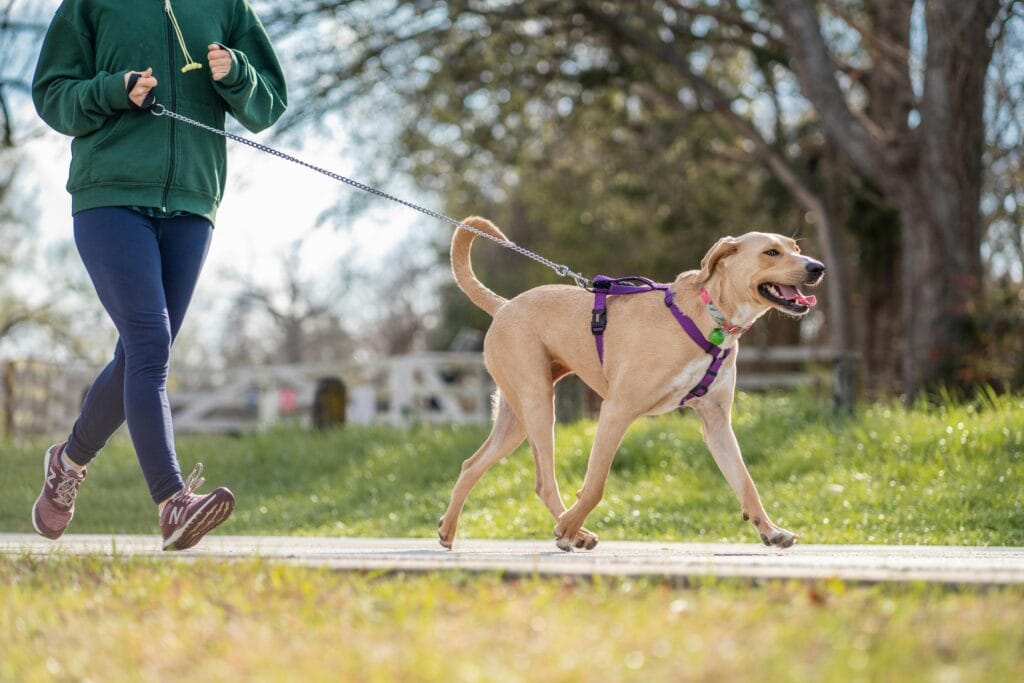
Some dogs bark at strangers during walks due to excitement or lack of control. A front-clip harness can provide better control and improve training.
Example product:
PetSafe Easy Walk No-Pull Harness
This harness helps guide the dog’s movement and makes it easier to redirect their attention during walks.
Practical Tips for Managing Barking
These tips can help reduce barking behavior during everyday situations.
Increase Daily Exercise
Dogs with excess energy are more likely to react strongly to strangers.
Try to include:
- daily walks
- play sessions
- mental stimulation games
A well-exercised dog is often calmer.
Improve Socialization
Gradually exposing your dog to new people in controlled environments helps build confidence.
Use Distance Training
If your dog reacts strongly to strangers, begin training at a greater distance where they feel more comfortable.
Slowly decrease the distance as they improve.

Common Mistakes Dog Owners Make
When trying to solve barking issues, some common mistakes can slow progress.
Punishing Barking
Punishing barking can increase fear and anxiety.
Positive training methods are more effective.
Inconsistent Training
Dogs learn best when everyone in the household follows the same rules.
Training Too Close to Distractions
Starting training in busy areas can overwhelm your dog.
Begin in quieter environments.
Ignoring Early Signs of Anxiety
If your dog shows signs of stress such as pacing, whining, or stiff posture, give them space and reduce pressure.
Conclusion
Learning how to stop a dog from barking at strangers takes patience, consistency, and understanding of your dog’s behavior. By teaching commands like “quiet,” rewarding calm responses, and gradually exposing your dog to new people in controlled situations, most dogs can learn to stay relaxed around strangers.
Remember that barking is a natural behavior, but with the right training techniques and positive reinforcement, you can help your dog respond more calmly in social situations. Over time, consistent training can transform reactive barking into confident and controlled behavior.
FAQ
Why does my dog bark at strangers?
Dogs often bark at strangers due to fear, excitement, protective instincts, or lack of socialization.
Can barking at strangers be trained away?
Yes. With consistent training and positive reinforcement, most dogs can learn to stay calm around unfamiliar people.
How long does it take to stop barking behavior?
Some dogs improve within a few weeks, while others may take longer depending on the cause of the barking.
Should I punish my dog for barking?
No. Punishment can increase anxiety and worsen barking behavior. Positive training methods work better.
Can training treats help reduce barking?
Yes. Treats are useful for rewarding calm behavior and reinforcing positive responses to strangers.
You may also like: