How to Train a Dog to Come When Called
Teaching a reliable recall is one of the most important skills a dog can learn. If you’re searching for how to train a dog to come when called, you’re already focusing on a command that can improve both safety and everyday convenience.
A dog that comes when called can enjoy more freedom during walks, outdoor play, and training sessions. Without recall training, dogs may ignore commands, chase distractions, or run into unsafe situations.
Fortunately, recall training is something almost every dog can learn with the right approach. With patience, consistency, and positive reinforcement, you can teach your dog to return quickly when called—even in distracting environments.
In this guide, you’ll learn step-by-step recall training techniques, practical tips, common mistakes to avoid, and tools that can help make training easier.
Disclosure: As Amazon Associates, we earn from qualifying purchases at no extra cost to you.
Why Recall Training Is So Important
Before learning how to train a dog to come when called, it’s helpful to understand why this command is so valuable.
A reliable recall helps with:
- keeping your dog safe outdoors
- preventing dangerous chasing behavior
- building trust between you and your dog
- allowing safe off-leash freedom
- improving overall obedience
Many professional trainers consider recall one of the most important commands a dog can learn.
How to Train a Dog to Come When Called: Step-by-Step Guide
Training recall works best when you start in a controlled environment and gradually increase distractions.
Step 1: Start Training Indoors
Begin recall training in a quiet area inside your home.
Stand a short distance away from your dog and say their name followed by the recall command.
Example:
Max, come!
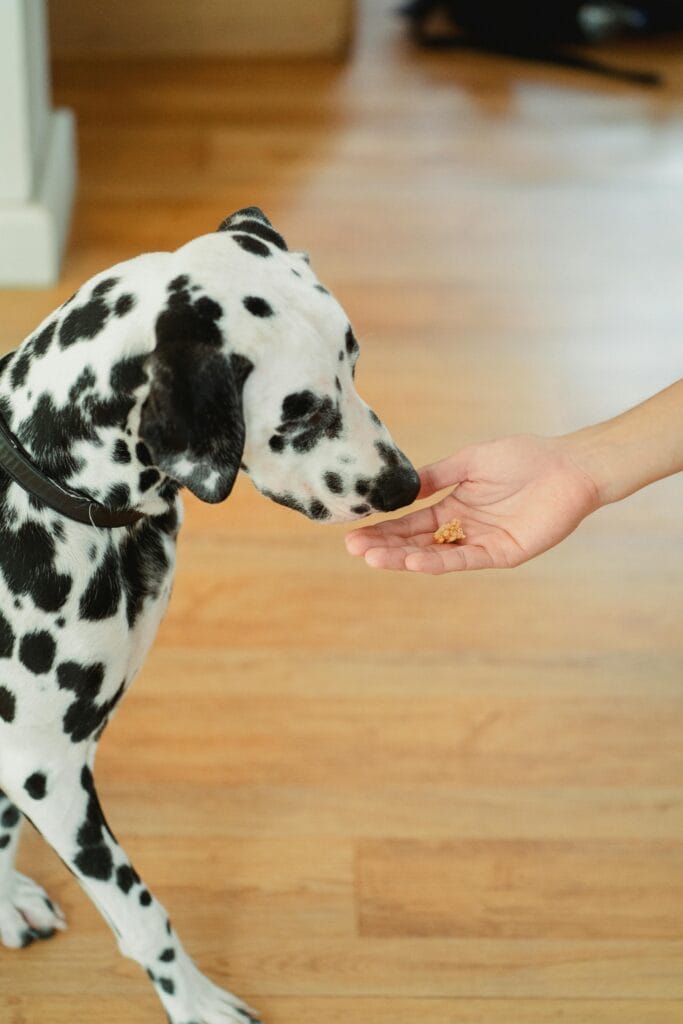
When your dog comes toward you, reward them immediately with praise and a treat.
Repeat this several times during short training sessions.
Step 2: Use High-Value Rewards
Dogs are more motivated when rewards are exciting.
Good recall rewards include:
- small training treats
- pieces of cooked chicken
- favorite toys
- enthusiastic praise
When your dog reaches you, make the reward feel like a big success.
This teaches them that coming when called leads to something positive.
Step 3: Increase Distance Gradually
Once your dog understands the recall command indoors, increase the distance between you.
Try:
- calling your dog from another room
- practicing in the backyard
- adding mild distractions
Always reward your dog when they respond correctly.
Step 4: Practice Outside with a Long Leash
Outdoor environments introduce many distractions such as smells, people, and other dogs.
Using a long training leash allows you to practice safely while giving your dog space.
Call your dog while they explore.
If they hesitate, gently guide them back using the leash and reward them when they reach you.
Step 5: Make Recall Fun
Dogs respond best when recall feels like a game.
You can practice recall by:
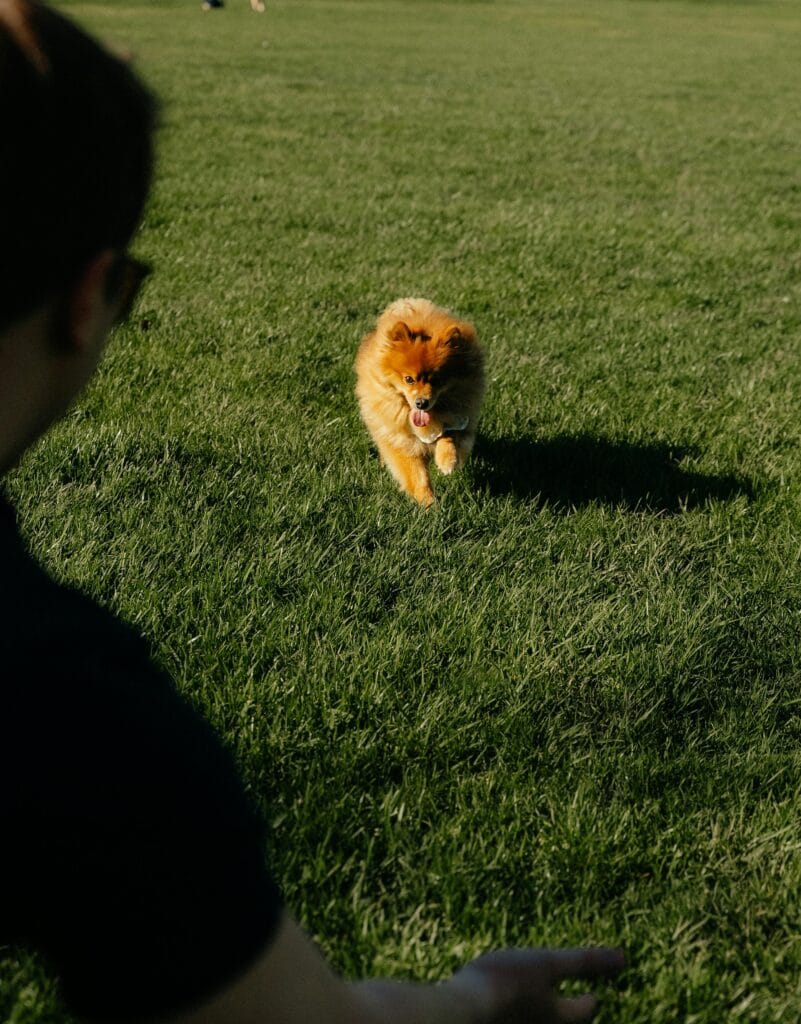
- running away from your dog and calling them
- hiding and calling them to find you
- rewarding them with play
This builds excitement around the command.
Helpful Training Tools
This article contains affiliate links. As an Amazon Associate, we earn from qualifying purchases.
Certain tools can make recall training easier and safer.
Long Training Leash
A long leash allows dogs to explore while still giving the owner control during training.
Example product:
Hi Kiss Dog Training Recall Leash (30–50 ft)
These leashes are popular for recall training because they provide distance while keeping your dog secure.
Training Treat Pouch
A treat pouch makes it easier to reward your dog quickly during training sessions.
Example product:
PetSafe Treat Training Pouch
Having treats ready improves timing and keeps training sessions smooth.

Practical Tips for Successful Recall Training
These simple tips can help improve your dog’s recall reliability.
Always Reward Your Dog for Coming
Even if your dog takes a little longer than expected, reward them when they come.
You want your dog to associate recall with positive experiences.
Use a Happy Voice
Dogs respond better to an enthusiastic and encouraging tone.
Calling your dog with excitement increases motivation.
Practice Frequently
Short daily sessions help reinforce recall behavior.
Consistency is more important than long training sessions.
Train in Different Environments
Once your dog responds well at home, practice recall in different places such as:
- parks
- quiet trails
- fenced areas
This helps your dog learn that the command applies everywhere.
Common Mistakes to Avoid
Many dog owners accidentally weaken recall training with a few common mistakes.
Calling Your Dog for Negative Situations
If you call your dog and immediately end playtime, give medicine, or scold them, they may begin avoiding the command.
Try to keep recall associated with positive outcomes.
Repeating the Command Too Many Times
Avoid saying:
come, come, come, come
Instead, say the command once clearly.
Punishing Your Dog After They Come
Even if your dog took a long time to return, punishment can make recall worse.
Always reward the behavior you want.
Skipping Early Training Stages
Starting recall training in busy areas too early can overwhelm your dog.
Begin in calm environments and gradually increase distractions.
Conclusion
Learning how to train a dog to come when called is one of the most valuable training skills you can teach your dog. A reliable recall improves safety, strengthens your bond, and allows your dog to enjoy more freedom during walks and outdoor activities.
By starting in low-distraction environments, rewarding your dog consistently, and gradually increasing training challenges, most dogs can learn to respond quickly to the recall command.
Patience and consistency are key. With regular practice and positive reinforcement, your dog will learn that coming when called always leads to something good.
FAQ
How long does it take to train recall?
Some dogs learn basic recall within a few days, but building reliable recall in distracting environments can take several weeks of consistent practice.
What is the best recall command?
Common recall commands include “come,” “here,” or your dog’s name followed by “come.”
Should I use treats every time during training?
At first, yes. Once your dog understands the command, you can gradually reduce treats and rely more on praise.
Can older dogs learn recall?
Yes. Dogs of any age can learn recall with consistent training and positive reinforcement.
Why does my dog ignore recall outside?
Outdoor environments have many distractions. Gradually practicing recall in different environments helps build reliability.
You may also like: