
How to Calm an Anxious Dog at Night
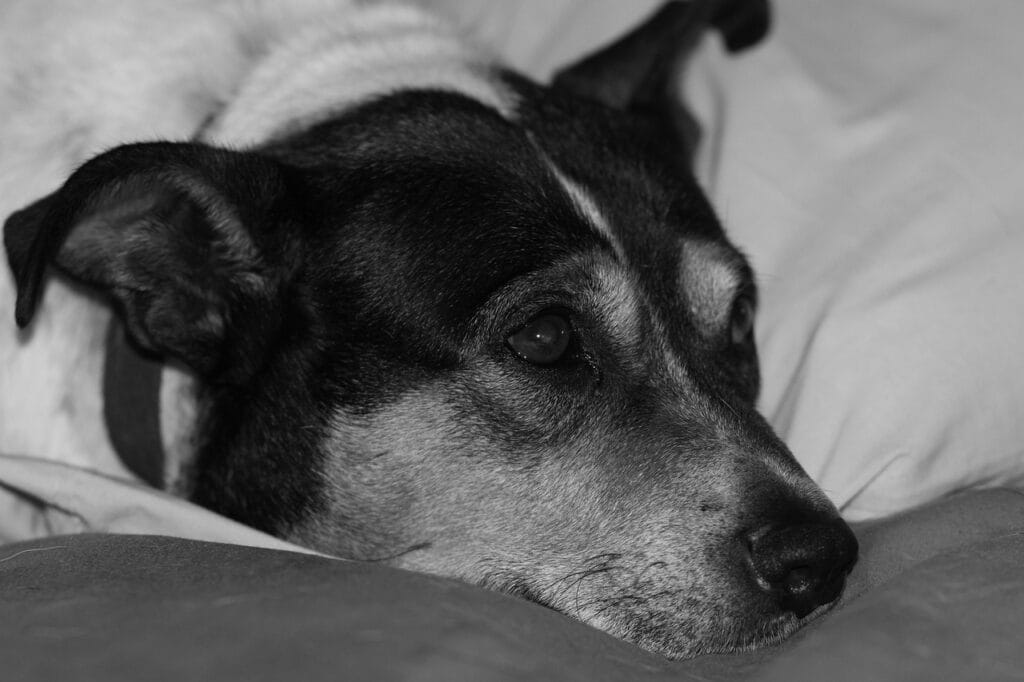
Many dog owners struggle with the same frustrating problem: their dog becomes restless, anxious, or even panicked at night. If you’re searching for how to calm an anxious dog at night, you’re not alone. Nighttime anxiety in dogs is surprisingly common and can lead to whining, pacing, barking, or refusing to sleep.
Dogs can feel anxious at night for many reasons—changes in routine, separation anxiety, excess energy, unfamiliar noises, or simply an environment that doesn’t feel safe enough for them to relax.
The good news is that there are several simple strategies that can help your dog settle down and sleep peacefully. In this guide, you’ll learn practical steps, common mistakes to avoid, and helpful tools that can make nighttime calmer for both you and your dog.
Disclosure: As Amazon Associates, we earn from qualifying purchases at no extra cost to you.
Why Dogs Get Anxious at Night
Before fixing the problem, it helps to understand why dogs become anxious at night.
1. Excess Energy
Dogs that don’t get enough exercise during the day may struggle to settle down at bedtime.
2. Separation Anxiety
If your dog feels stressed when separated from you, nighttime can trigger anxiety.
3. Changes in Environment
New homes, new pets, or changes in routine can cause stress.
4. Lack of a Safe Sleeping Space
Dogs naturally seek secure, den-like environments to sleep comfortably.
5. Noise Sensitivity
Sounds like storms, traffic, or neighbors can trigger nighttime anxiety.
How to Calm an Anxious Dog at Night: Step-by-Step Guide
If your dog becomes restless or anxious at bedtime, these steps can help create a calmer nighttime routine.
Step 1: Establish a Consistent Bedtime Routine
Dogs thrive on routine. A predictable evening schedule helps your dog understand when it’s time to relax.
A good bedtime routine might include:
- Evening walk
- Calm playtime or training
- Final bathroom break
- Quiet time before sleep
Over time, your dog will associate this routine with winding down.
Step 2: Increase Physical Exercise During the Day
Many anxious dogs simply have too much pent-up energy.
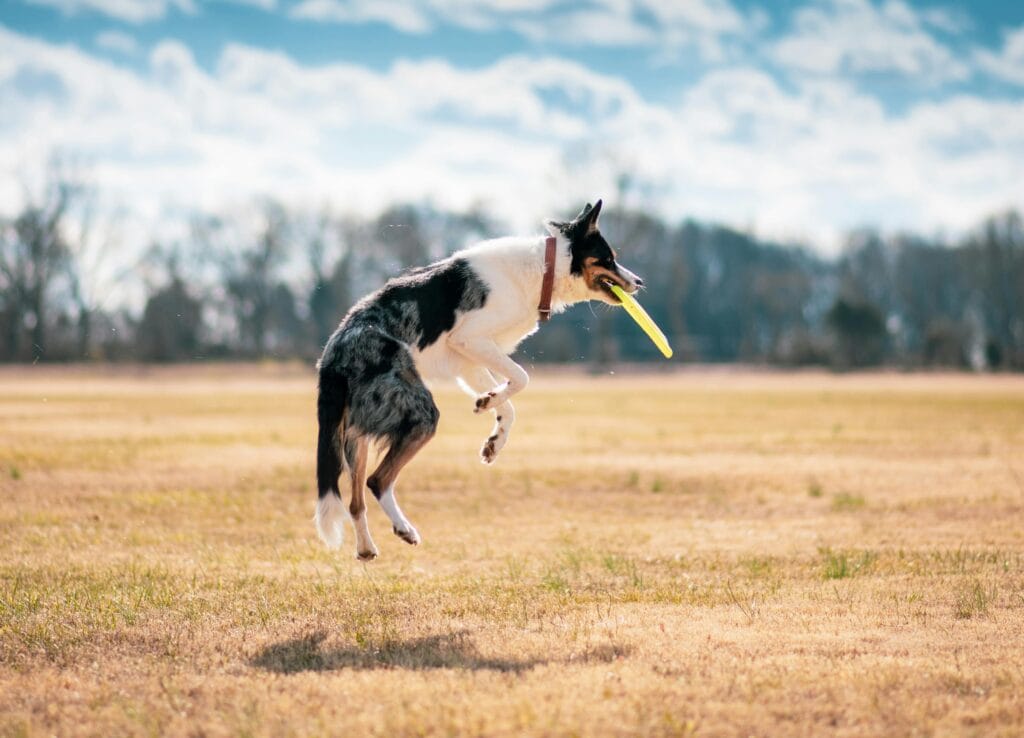
Daily exercise helps reduce stress and makes it easier for dogs to relax at night.
Good activities include:
- Long walks
- Fetch
- Agility games
- Tug-of-war
- Hiking
A tired dog is much more likely to sleep peacefully.
Step 3: Provide a Comfortable Sleeping Space
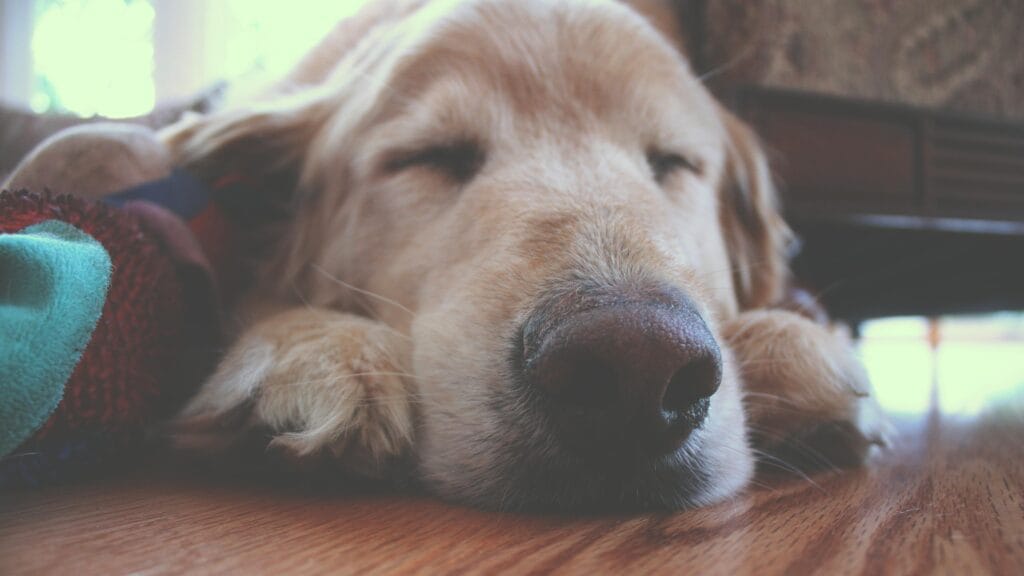
Dogs sleep best when they feel safe and comfortable.
Creating a cozy sleeping environment can significantly reduce anxiety.
Helpful ideas:
- Place their bed in a quiet area
- Use a supportive dog bed
- Add a familiar blanket or toy
- Avoid high-traffic areas
Many anxious dogs feel calmer in nest-like beds with raised edges.
Helpful Product Idea
A popular calming bed option many dog owners use is the Best Friends by Sheri Calming Donut Bed, designed with soft raised edges that help dogs feel secure while sleeping.
These beds mimic a natural den-like environment that can help anxious dogs relax.

Step 4: Try Mental Stimulation Before Bed
Mental exercise can be just as important as physical activity.
Short training sessions or puzzle toys before bedtime can help tire your dog mentally.
Good options include:
- Puzzle feeders
- Treat-dispensing toys
- Basic obedience training
- Scent games
A mentally stimulated dog is more likely to sleep soundly.
Helpful Product Idea
Interactive toys like the KONG Classic Dog Toy are excellent for nighttime calming routines. Filling the toy with treats or peanut butter keeps dogs engaged and relaxed.
Step 5: Reduce Environmental Stress
Sometimes the environment itself causes anxiety.
You can make the nighttime environment calmer by:
- Turning on soft background noise
- Closing curtains to block outside distractions
- Using calming music for dogs
- Keeping lights dim
Some owners even use white noise machines to mask outside sounds that trigger anxiety.
Step 6: Practice Calm Behavior Before Bed
If bedtime is chaotic or exciting, dogs may struggle to relax.
Instead:
- Avoid rough play right before sleep
- Use calm voices
- Reward relaxed behavior
- Create a peaceful atmosphere
Teaching your dog that bedtime equals calmness can make a big difference.
Practical Tips for Nighttime Dog Anxiety
Here are additional tips that often help anxious dogs settle faster.
Keep Evening Meals Consistent
Feeding your dog at a regular time prevents digestive discomfort at night.
Use Calming Signals
Slow petting, massage, or gentle brushing can help your dog relax.
Consider Crate Training
Some dogs feel safer sleeping in a crate because it mimics a den-like space.
Provide Familiar Scents
Your dog may feel calmer with items that smell like you nearby.
Common Mistakes Dog Owners Make
Even well-meaning owners sometimes accidentally make anxiety worse.
Avoid these common mistakes:
1. Reinforcing Anxious Behavior
Comforting your dog during panic can unintentionally reward the behavior.
2. Inconsistent Routines
Changing bedtime schedules confuses dogs and increases stress.
3. Not Providing Enough Exercise
Under-stimulated dogs are far more likely to struggle with anxiety.
4. Too Much Stimulation Before Bed
High-energy play right before sleep can keep dogs awake.
5. Ignoring Early Signs of Stress
Whining, pacing, and restlessness are signs your dog may need help calming down.
Conclusion
Learning how to calm an anxious dog at night often comes down to creating the right combination of routine, exercise, comfort, and a relaxing environment.
By following these steps—building a consistent bedtime routine, providing enough exercise, creating a comfortable sleeping space, and reducing environmental stress—you can help your dog feel safer and more relaxed at night.
Remember that every dog is different. Some dogs respond quickly to changes, while others may need time and patience before their anxiety improves.
With the right approach and a calm environment, most dogs can learn to settle peacefully and enjoy a restful night’s sleep.
FAQ
Why is my dog suddenly anxious at night?
Sudden nighttime anxiety can happen due to changes in routine, new environments, illness, or reduced daytime activity.
Do calming beds actually help anxious dogs?
Many dogs respond well to calming beds with raised edges because they provide a sense of security similar to a natural sleeping den.
Should I ignore my dog if they whine at night?
If the whining is attention-seeking, ignoring it may help. However, if it’s caused by anxiety or discomfort, addressing the root cause is important.
Can exercise reduce nighttime anxiety?
Yes. Dogs that receive enough physical and mental exercise during the day are far more likely to sleep calmly at night.
When should I talk to a vet about dog anxiety?
If anxiety becomes severe, persistent, or leads to destructive behavior, consulting a veterinarian or professional trainer is recommended.
- How to Stop a Dog from Pulling on the Leash — behavior guides for dog training.
- Daily Routine for a Happy, Healthy Dog — pairing toys with routines.
- Best Dog Food for Sensitive Stomachs — if diet influences chewing behavior.

Pingback: Best Calming Treats for Dog Separation Anxiety
Pingback: How to Train a Dog to Stay (Step-by-Step Guide)
Pingback: How to Help a Senior Dog Stay Comfortable
Pingback: How to Build a Dog First Aid Kit
Pingback: How to Introduce a New Dog to Your Home
Pingback: How to Train a Dog Not to Jump on People
Pingback: How to Potty Train a Puppy Fast
Pingback: How to Travel With a Dog Safely
Pingback: How to Make Homemade Dog Treats
Pingback: How to Tire Out a High-Energy Dog
Pingback: How to Keep a Dog Entertained While You’re at Work
Pingback: How to Cope With the Loss of a Dog
Pingback: Why Do Dogs Wag Their Tails? What It Means
Pingback: How to Train a Dog to Come When Called
Pingback: How to Clicker Train Your Dog: Simple Step-by-Step Guide
Pingback: How to Introduce a Dog to a Cat
Pingback: How to Build a Backyard Dog Play Area
Pingback: How to Teach Your Dog Fun Tricks
Pingback: Best Calming Collars for Anxious Dogs
Pingback: Why Do Dogs Lick People?