
How to Keep Your Dog Mentally Stimulated Indoors
Many dog owners focus on physical exercise like walks and playtime outside. But dogs also need mental stimulation to stay happy and balanced. If you’re wondering how to keep your dog mentally stimulated indoors, especially during bad weather or busy days, you’re asking an important question.
Without enough mental stimulation, dogs can become bored. Boredom often leads to destructive behavior like chewing furniture, excessive barking, digging, or constant attention-seeking. The good news is that keeping your dog mentally engaged indoors is easier than many people think.
With a few simple activities, games, and routines, you can challenge your dog’s brain, reduce anxiety, and make indoor time far more enjoyable for your pet.
In this guide, you’ll learn practical steps to mentally stimulate your dog indoors, along with helpful tools and activities that work for dogs of all ages and breeds.
Disclosure: As Amazon Associates, we earn from qualifying purchases at no extra cost to you.
Why Mental Stimulation Is Important for Dogs
Dogs are intelligent animals that were bred to perform tasks such as herding, hunting, guarding, and problem-solving. When they don’t have mental challenges, they can become frustrated.
Mental stimulation helps dogs:
- Reduce boredom
- Improve behavior
- Build confidence
- Strengthen the bond with their owner
- Prevent destructive habits
Even short daily activities that challenge your dog’s brain can make a big difference.
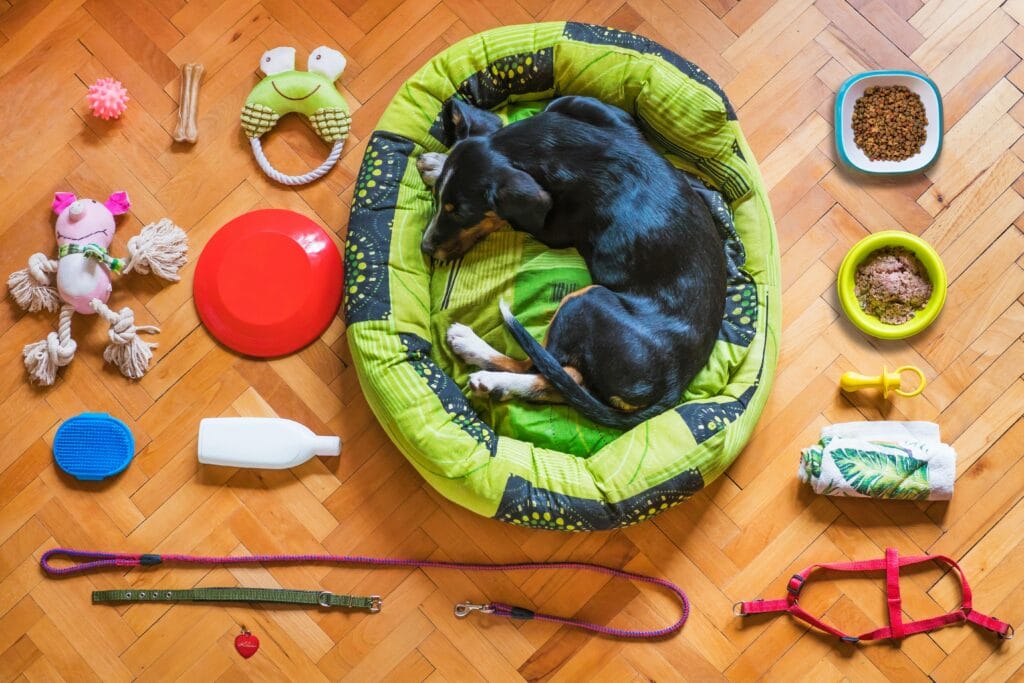
How to Keep Your Dog Mentally Stimulated Indoors: Step-by-Step
Below are simple and effective ways to challenge your dog mentally while staying indoors.
Step 1: Use Puzzle Toys and Interactive Feeders
Puzzle toys are one of the easiest ways to mentally stimulate dogs indoors. These toys require your dog to solve a problem in order to get treats or food.
Puzzle toys help dogs:
- stay busy
- practice problem-solving
- slow down eating
- burn mental energy
Helpful Product Idea
The KONG Classic Dog Toy is one of the most popular enrichment toys for dogs. You can fill it with treats, peanut butter, or kibble to create a fun challenge that keeps your dog occupied.
Many dog owners freeze the filled toy, which makes the activity last even longer.

Step 2: Play Indoor Scent Games
Dogs have an incredible sense of smell, and scent games are one of the best mental workouts you can provide.
Simple scent game idea:
- Ask your dog to stay in another room
- Hide treats around the house
- Release your dog and say “find it”
- Let them search using their nose
This activity mimics natural hunting behavior and can tire your dog mentally much faster than physical play alone.
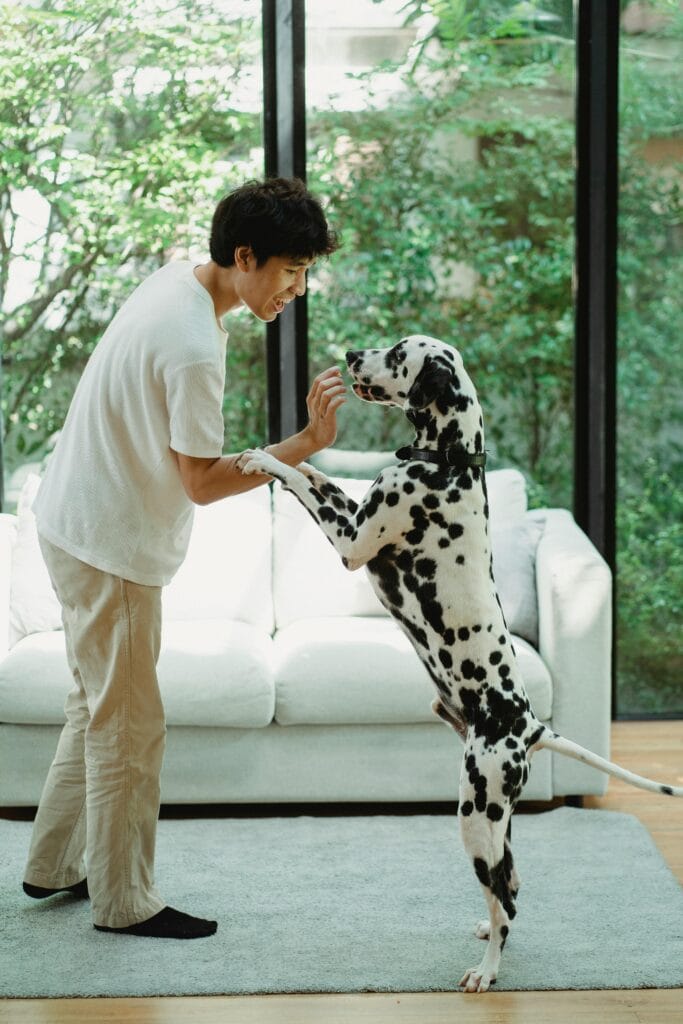
Step 3: Practice Short Training Sessions
Training isn’t just for puppies. Short daily training sessions are excellent mental stimulation for dogs.
You can practice:
- basic commands
- new tricks
- impulse control exercises
- leash manners
Keep training sessions short (5–10 minutes) so your dog stays engaged.
Fun Trick Ideas
- spin
- shake paw
- roll over
- play dead
- touch target
Dogs love learning new skills, and the mental challenge helps prevent boredom.
Step 4: Rotate Your Dog’s Toys
Dogs can lose interest in toys if they see them all the time.
Instead of leaving all toys available, try a toy rotation system:
- Keep some toys stored away
- Give your dog only a few toys at a time
- Rotate them every few days
This simple trick makes old toys feel new again and keeps your dog interested.
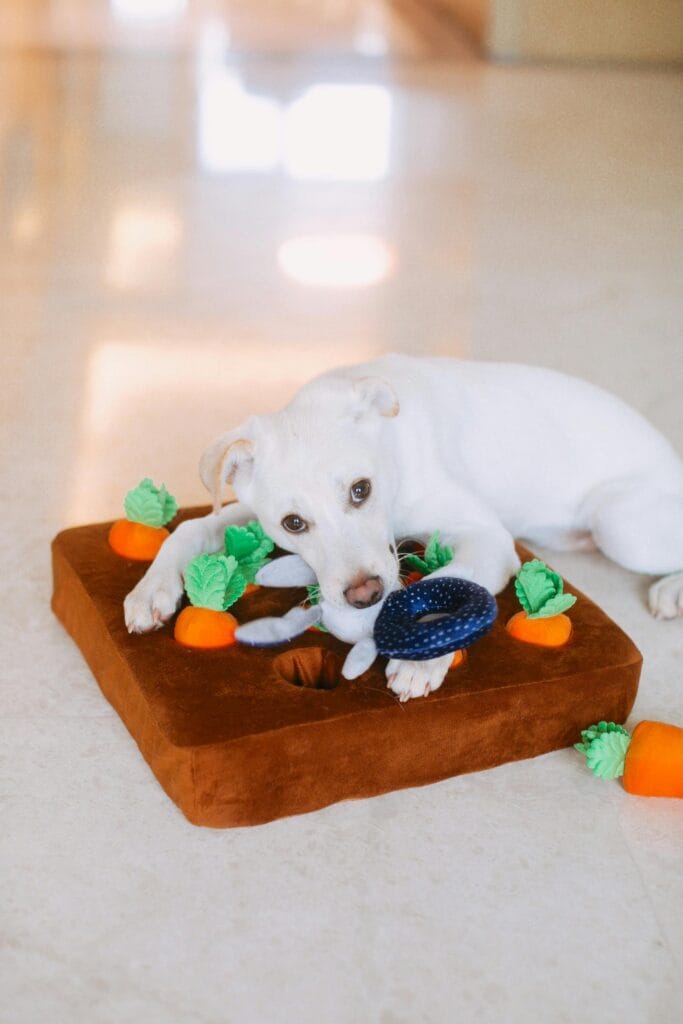
Step 5: Use Food-Based Enrichment Activities
Food is one of the strongest motivators for dogs.
You can turn mealtime into a mental challenge with enrichment activities such as:
- snuffle mats
- treat-dispensing balls
- scatter feeding
- DIY treat puzzles
Helpful Product Idea
A snuffle mat is a popular enrichment tool where treats are hidden within fabric layers. Dogs must sniff and search to find the food, providing both mental stimulation and calming effects.
Step 6: Create an Indoor Obstacle Course
Indoor obstacle courses are a fun way to challenge your dog both physically and mentally.
You can use common household items such as:
- chairs
- pillows
- boxes
- broomsticks
- blankets
Simple course ideas:
- weave between chairs
- jump over small obstacles
- crawl under tables
- balance on cushions
Guide your dog through the course using treats or toys.
This type of activity builds confidence and coordination.
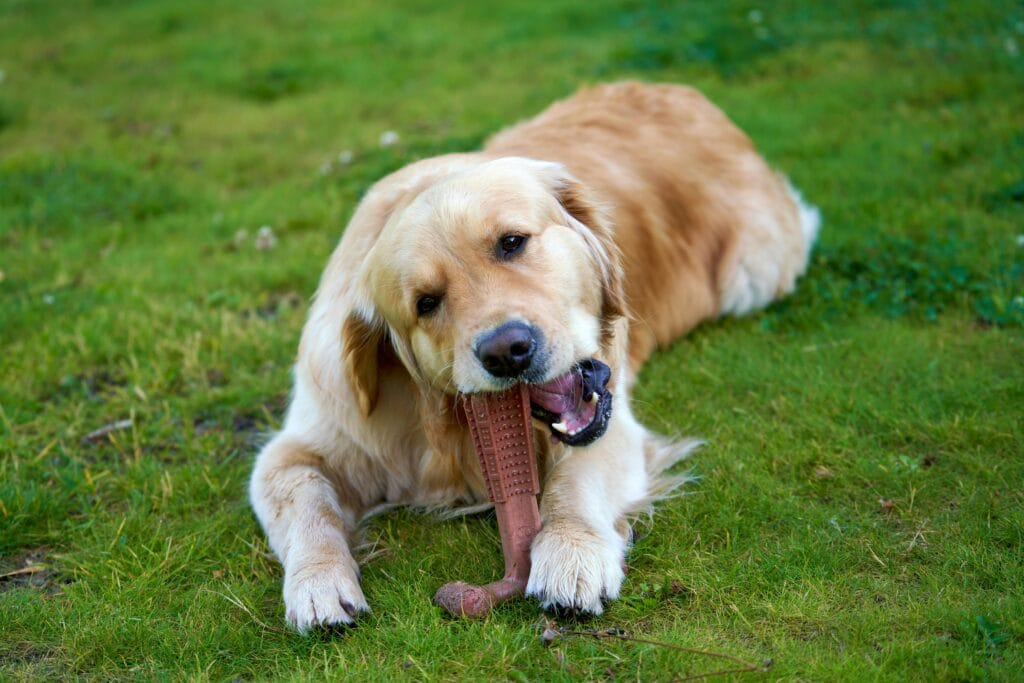
Step 7: Provide Safe Chewing Activities
Chewing is a natural stress-relief activity for dogs. Safe chew toys can keep your dog mentally occupied for long periods.
Popular options include:
These items encourage focused engagement and help dogs relax indoors.
Practical Tips for Indoor Dog Enrichment
Here are a few additional strategies to keep indoor activities effective.
Keep Sessions Short
Dogs learn best in short bursts of activity rather than long sessions.
Mix Different Activities
Combine training, games, and puzzle toys to keep things interesting.
Use Positive Reinforcement
Reward your dog for participation with treats, praise, or play.
Adjust to Your Dog’s Age
Puppies may need more stimulation, while older dogs may prefer calmer activities.
Common Mistakes Dog Owners Make
When trying to mentally stimulate dogs indoors, some mistakes can limit effectiveness.
1. Relying Only on Physical Exercise
While walks are important, they don’t replace mental challenges.
2. Giving Toys Without Interaction
Interactive play and training sessions are often more stimulating than passive toys.
3. Repeating the Same Activity Daily
Dogs benefit from variety. Mixing activities keeps them engaged.
4. Making Games Too Difficult
Start with simple puzzles and gradually increase difficulty.
5. Ignoring Signs of Boredom
If your dog becomes destructive or restless, they likely need more mental stimulation.

Conclusion
Learning how to keep your dog mentally stimulated indoors is one of the best things you can do for your dog’s overall well-being. Mental challenges help reduce boredom, improve behavior, and create a stronger bond between you and your pet.
Simple activities like puzzle toys, scent games, short training sessions, and toy rotation can make indoor time far more enriching for your dog.
Even spending just 15–20 minutes a day on mental stimulation can greatly improve your dog’s happiness and prevent unwanted behaviors.
By keeping your dog’s mind active, you’re helping them live a healthier, more balanced life.
FAQ
How much mental stimulation does a dog need daily?
Most dogs benefit from at least 15–30 minutes of mental stimulation each day through training, games, or enrichment activities.
Can mental stimulation tire a dog out?
Yes. Mental challenges can tire dogs just as much as physical exercise because problem-solving requires focus and energy.
Are puzzle toys good for dogs?
Puzzle toys are excellent enrichment tools that encourage problem-solving and keep dogs entertained.
What are signs my dog is bored?
Common signs include chewing furniture, excessive barking, pacing, digging, and attention-seeking behavior.
Are indoor games enough exercise for dogs?
Indoor activities can supplement exercise, but most dogs still need regular outdoor walks and physical activity.
- How to Stop a Dog from Pulling on the Leash — behavior guides for dog training.
- Daily Routine for a Happy, Healthy Dog — pairing toys with routines.
- Best Dog Food for Sensitive Stomachs — if diet influences chewing behavior.


Pingback: How to Stop a Dog From Barking at Strangers