How to Stop a Dog From Pulling on the Leash
Walking your dog should be one of the most enjoyable parts of the day. But if your dog constantly drags you down the street, it can quickly turn into a frustrating experience. Many dog owners search for how to stop a dog from pulling on the leash because leash pulling is one of the most common training challenges.
Dogs pull on the leash for many reasons. They may be excited to explore, eager to reach interesting smells, or simply unaware that pulling makes walks harder for you. The good news is that with the right training approach, most dogs can learn to walk calmly beside their owner.
In this guide, you’ll learn practical techniques to help stop leash pulling, along with helpful tools and common mistakes to avoid.
Disclosure: As Amazon Associates, we earn from qualifying purchases at no extra cost to you.
Why Dogs Pull on the Leash
Before learning how to stop a dog from pulling on the leash, it helps to understand why the behavior happens.
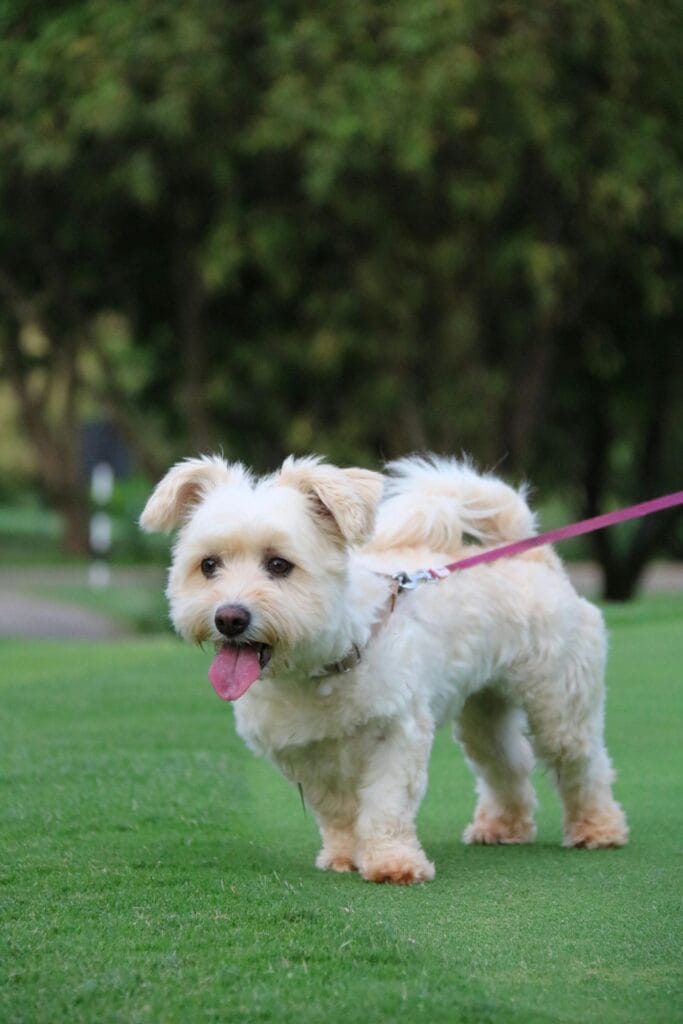
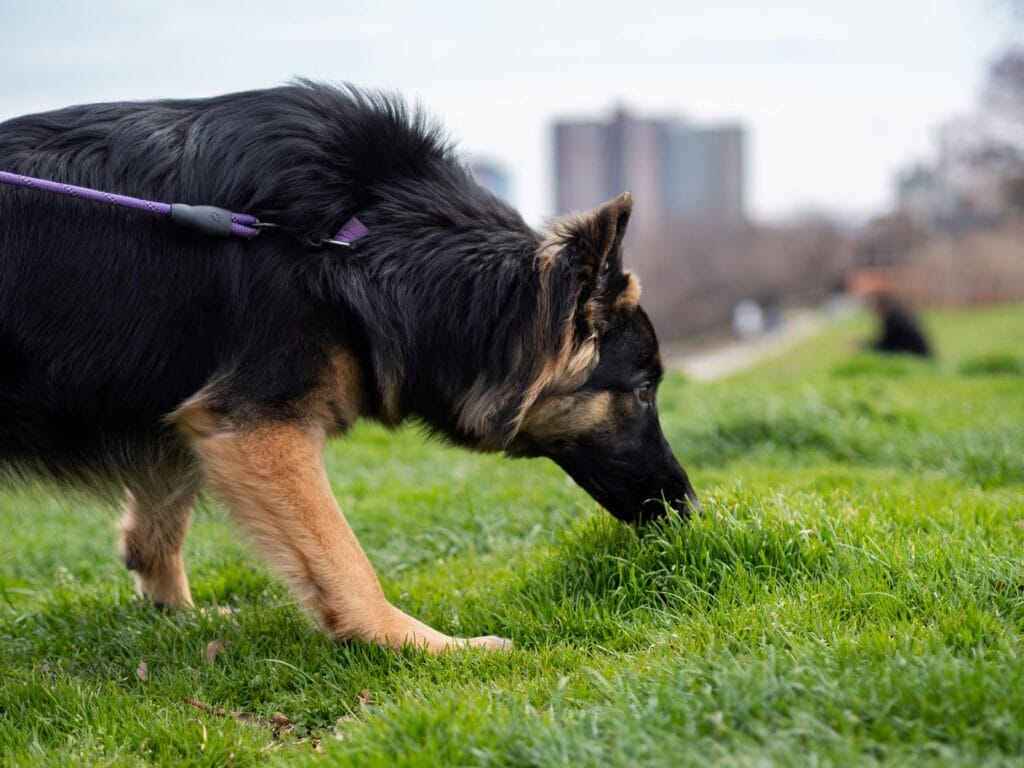
Dogs naturally walk faster than humans and tend to follow their nose wherever interesting scents lead them. If pulling has ever helped your dog reach something exciting—like another dog, a smell, or a park—they quickly learn that pulling works.
Common reasons dogs pull include:
- excitement and excess energy
- lack of leash training
- curiosity about their environment
- wanting to reach another dog or person
- inconsistent walking routines
Understanding the cause helps you train more effectively.
How to Stop a Dog From Pulling on the Leash: Step-by-Step Guide
Teaching loose-leash walking takes patience, but these steps can help your dog learn to walk calmly.
Step 1: Start Training in a Low-Distraction Environment
If your dog pulls constantly outside, begin training in a quieter place such as:
- your backyard
- inside your home
- a quiet park area
Dogs learn new behaviors faster when there are fewer distractions.
Practice walking short distances while rewarding your dog for staying near you.
Step 2: Stop Walking When Your Dog Pulls
One of the simplest ways to teach your dog not to pull is called the “stop and wait” method.
When your dog pulls:
- Stop walking immediately
- Stand still and remain calm
- Wait until the leash becomes loose
- Begin walking again
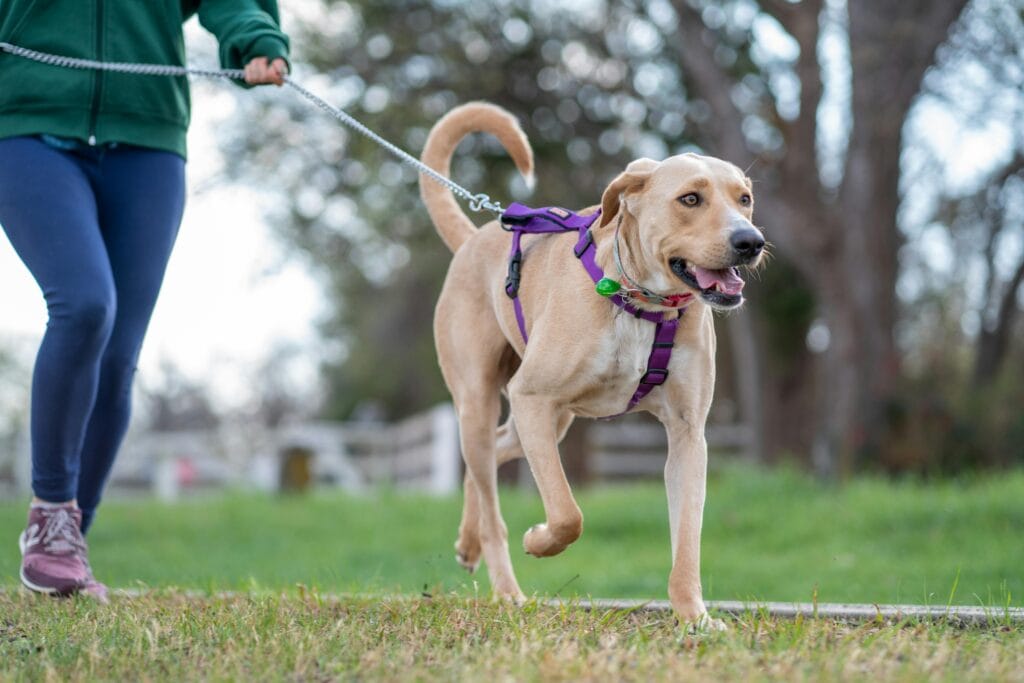
Your dog will slowly learn that pulling makes the walk stop, while walking calmly allows the walk to continue.
Step 3: Reward Loose Leash Walking
Positive reinforcement is one of the most effective training techniques.
When your dog walks beside you without pulling:
- offer praise
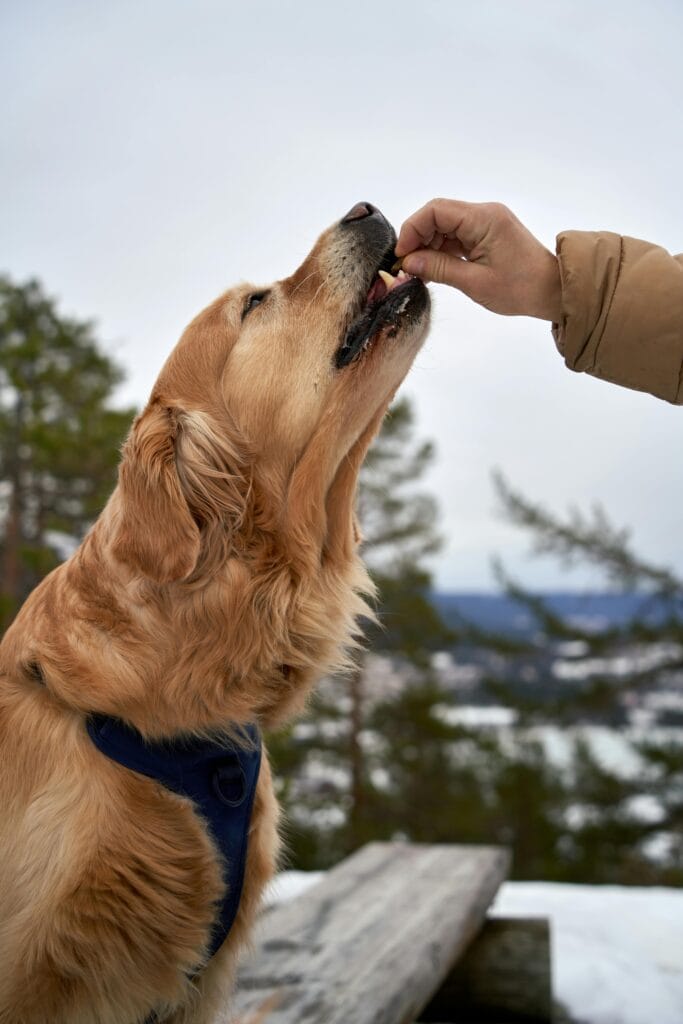
- give small treats
- continue walking
This teaches your dog that staying close brings rewards.
Try to reward your dog frequently when they walk calmly.
Step 4: Change Direction Frequently
Another helpful training trick is to change direction whenever your dog starts pulling.
If your dog pulls ahead:
- turn around and walk in the opposite direction
- encourage your dog to follow
- reward them for staying near you
This keeps your dog focused on you instead of rushing forward.
Step 5: Use the Right Walking Equipment
Sometimes the leash or harness you’re using can affect how much your dog pulls.
Certain tools are designed to make leash training easier.
Helpful Product Suggestion
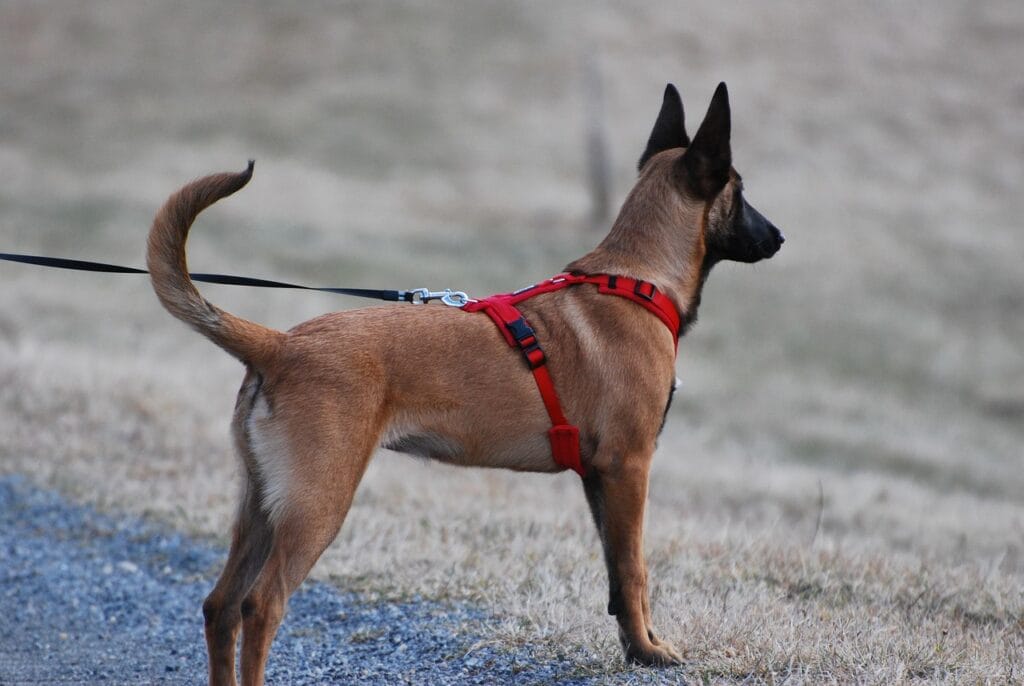
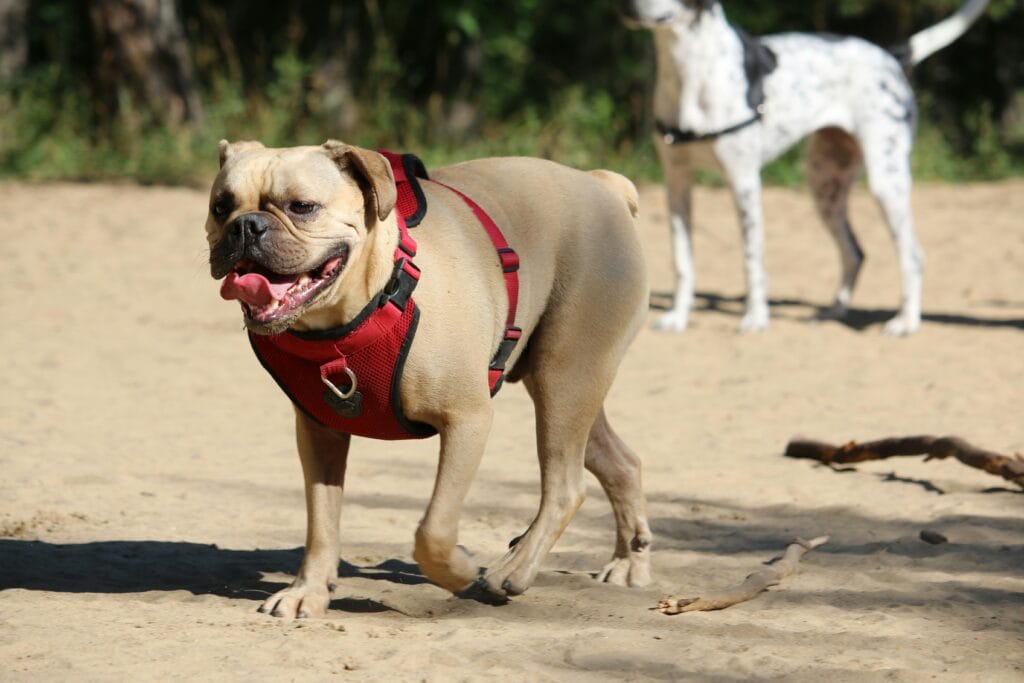
Many trainers recommend using a no-pull harness such as the PetSafe Easy Walk Harness, which gently discourages pulling by redirecting your dog’s movement.
Unlike traditional collars, front-clip harnesses provide better control without putting pressure on your dog’s neck.
Step 6: Burn Energy Before Walks
Dogs with too much energy are far more likely to pull.
Before going for a walk, try:
- a quick game of fetch
- short training sessions
- indoor playtime
Reducing excess energy can make leash training much easier.
Practical Tips for Successful Leash Training
These simple tips can help make training progress faster.
Keep Training Sessions Short
Dogs learn best with short, focused sessions rather than long walks full of pulling.
Be Consistent
Everyone who walks the dog should follow the same training rules.
Use High-Value Treats
Small treats can motivate dogs to stay close during training.
Stay Patient
Loose leash walking is a skill that takes time to develop.
Common Mistakes Dog Owners Make
When trying to stop leash pulling, certain mistakes can slow progress.
1. Pulling Back on the Leash
Pulling against your dog often encourages them to pull harder.
2. Inconsistent Rules
If pulling sometimes works and sometimes doesn’t, dogs become confused.
3. Using the Wrong Equipment
Collars that put pressure on the neck can cause discomfort and frustration.
4. Expecting Immediate Results
Leash training takes time and repetition.
5. Skipping Daily Practice
Short daily training sessions are more effective than occasional long ones.
Conclusion
Learning how to stop a dog from pulling on the leash takes patience, but it’s absolutely achievable with the right approach. By practicing consistent training, rewarding loose leash walking, and creating positive walking experiences, most dogs can learn to walk calmly beside their owner.
Remember that dogs don’t pull to misbehave—they simply haven’t learned the right way to walk yet. With clear communication, positive reinforcement, and the right tools, walks can become enjoyable again for both you and your dog.
Over time, these simple techniques can transform stressful walks into relaxed, enjoyable outings that strengthen the bond between you and your pet.
FAQ
Why does my dog pull so much on walks?
Dogs pull because they want to reach interesting smells, people, or other animals quickly. Pulling often becomes a habit if it has worked in the past.
Do no-pull harnesses really work?
Yes, no-pull harnesses can help reduce pulling by redirecting the dog’s movement and giving the owner better control.
How long does leash training take?
Most dogs begin improving within a few weeks of consistent training, although some may take longer.
Should I use treats for leash training?
Yes. Treats are a powerful reward that helps reinforce calm walking behavior.
Is leash pulling dangerous?
Pulling can lead to neck strain, frustration, and unsafe walking situations, especially with large or strong dogs.
You may also like:
- Best Orthopedic Dog Beds for Senior Dogs (for aging dogs with multiple needs)
- Best Dog Beds for Large Dogs (2026 Guide)
- How Much Exercise Does a Large Dog Need? (nutrition + activity balance)