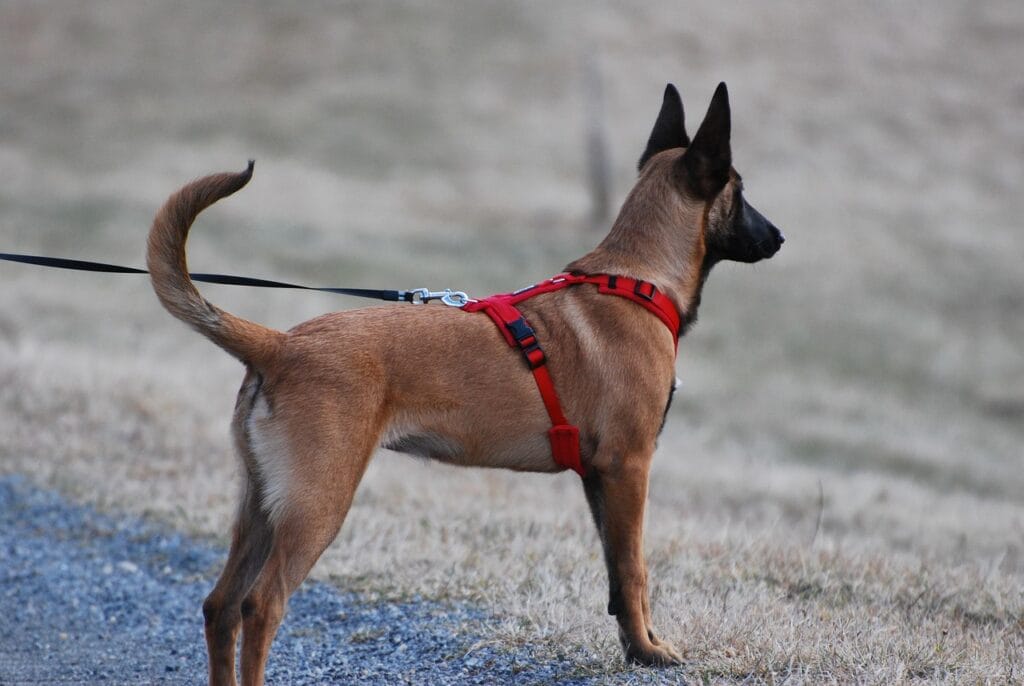
15 Signs Your Dog Is Truly Happy (Most Owners Miss #7)
Every dog owner wants to know one thing: is my dog truly happy? Dogs can’t tell us how they feel with words, but they communicate constantly through body language and behavior. Learning to recognize the 15 signs your dog is truly happy can help you understand your pet better and strengthen the bond you share.
Happy dogs often show clear signals through their posture, energy level, and everyday habits. Some signs are obvious, like tail wagging or playful behavior. Others are subtle and easy to miss unless you know what to look for.
In this guide, you’ll discover:
- 15 common signs that your dog is truly happy
- subtle behaviors many owners overlook
- what these behaviors mean
- simple ways to keep your dog happy and healthy
Let’s explore the behaviors that show your dog is living a joyful life.
Disclosure: As Amazon Associates, we earn from qualifying purchases at no extra cost to you.
1. Relaxed Body Language
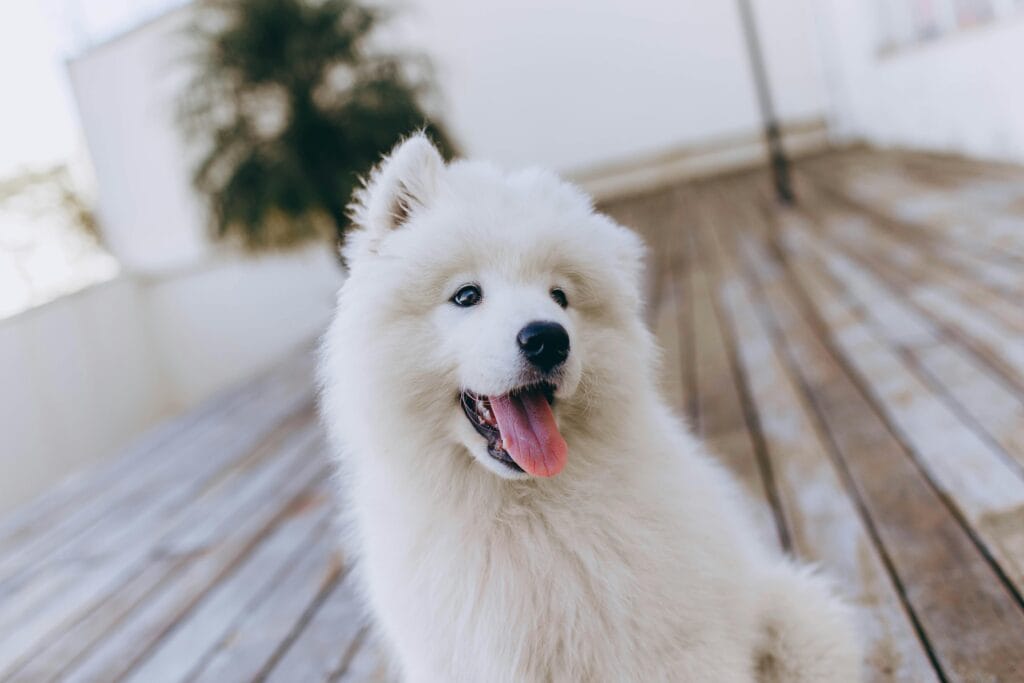
One of the clearest signs of a happy dog is relaxed body posture.
A comfortable dog often shows:
- loose muscles
- relaxed ears
- soft eyes
- gentle tail movement
If your dog frequently looks calm and comfortable around you, it’s a good indicator they feel safe and content.
2. A Wagging Tail (But Not Always)
Tail wagging is often associated with happiness.
However, it’s important to pay attention to how the tail moves.
A happy wag usually looks like:
- wide tail movement
- relaxed body posture
- gentle side-to-side wagging
Fast or stiff tail movement can sometimes signal excitement or stress instead.
3. Playfulness
Playful behavior is a strong sign of happiness.
Happy dogs often:
- bring toys to their owners
- initiate games
- bounce or run playfully
Play indicates that your dog feels comfortable and emotionally secure.
4. Healthy Appetite
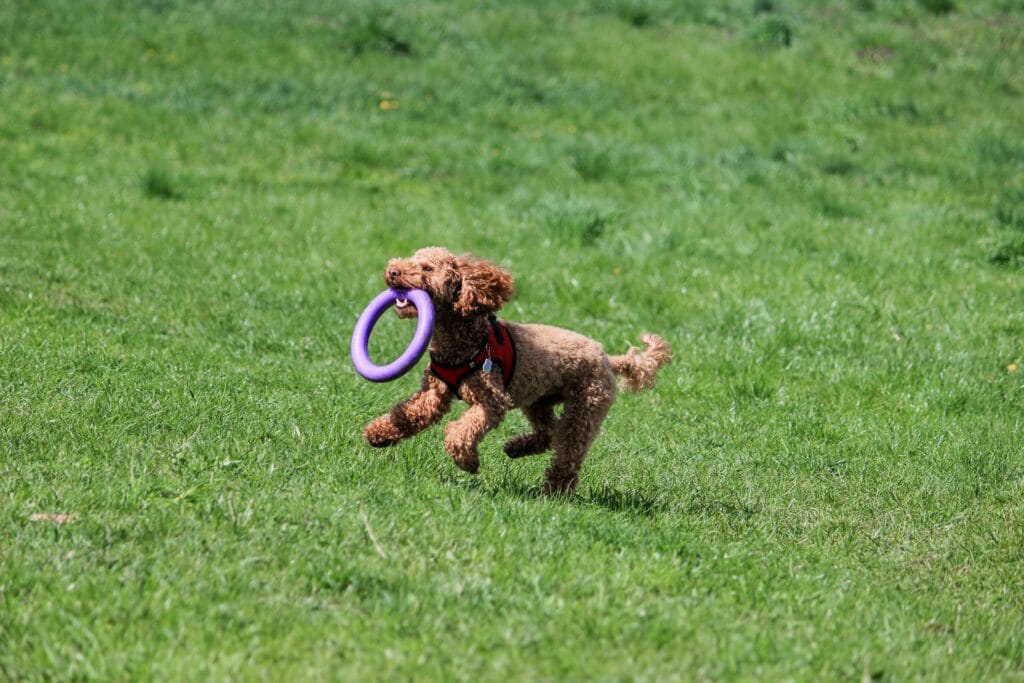
Dogs that feel happy and comfortable typically maintain a consistent appetite.
Eating meals enthusiastically is often a sign that your dog feels safe and healthy.
Sudden loss of appetite may indicate stress or health concerns.
5. Following You Around
Many happy dogs enjoy staying close to their owners.
If your dog frequently:
- follows you from room to room
- lies near you
- watches your movements
…it usually means they feel attached and secure.
6. Zoomies (Sudden Bursts of Energy)
Have you ever seen your dog suddenly run in circles around the house or yard?
These energetic bursts—often called zoomies—can be a sign of excitement and happiness.
Dogs often get zoomies after:
- baths
- play sessions
- returning home after being away
It’s their way of releasing joyful energy.
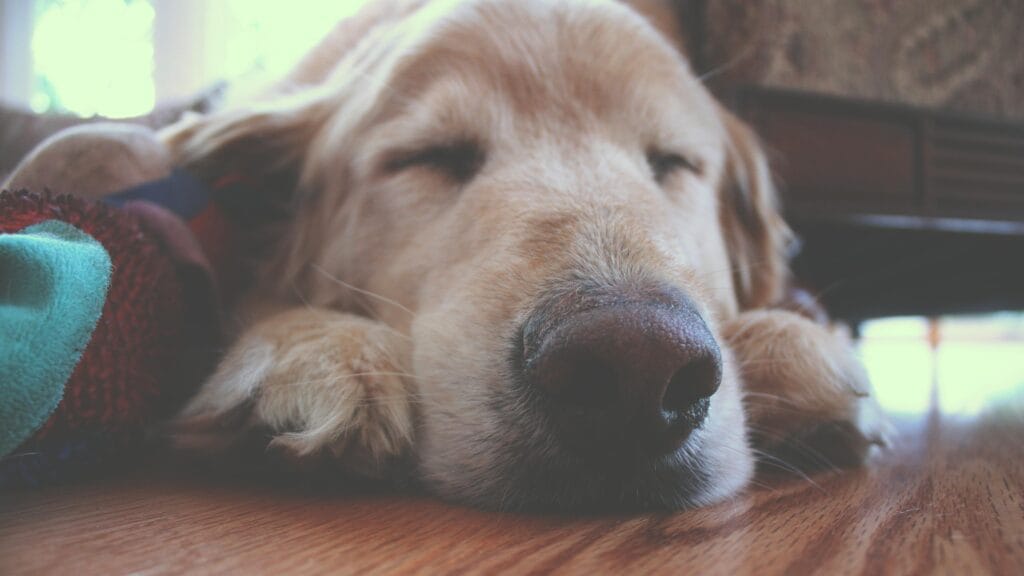
7. Sleeping Comfortably Around You
Many owners overlook this subtle sign.
Dogs only sleep deeply when they feel safe and secure.
If your dog:
- sleeps on their back
- stretches out fully
- naps near you
…it’s a strong signal that they trust their environment.

8. Soft Eye Contact
Dogs often show affection through gentle eye contact.
Relaxed eyes may appear:
- slightly squinted
- calm and soft
- attentive but relaxed
This kind of eye contact often indicates emotional connection.
9. A Shiny, Healthy Coat
A healthy coat is often linked to overall well-being.
Happy, well-cared-for dogs usually have:
- smooth fur
- healthy skin
- normal shedding patterns
Nutrition, grooming, and exercise all play a role.
10. Leaning Against You
Dogs sometimes lean their body weight against their owners.
This behavior often shows:
- affection
- trust
- emotional comfort
Many dogs enjoy physical closeness with people they trust.
11. Relaxed Ears
A dog’s ears communicate a lot about their emotional state.
Happy dogs often have:
- naturally positioned ears
- relaxed ear movement
- calm facial expressions
Pinned-back ears may indicate fear or stress.
12. Tail Wagging During Greetings
Happy dogs often greet their owners enthusiastically.
Signs include:
- tail wagging
- excited movement
- jumping or spinning
This behavior shows excitement and attachment.
13. Curiosity About Their Environment
Happy dogs are usually curious and interested in their surroundings.
You might notice your dog:
- sniffing new objects
- exploring outdoors
- paying attention during walks
Curiosity indicates mental engagement and emotional comfort.
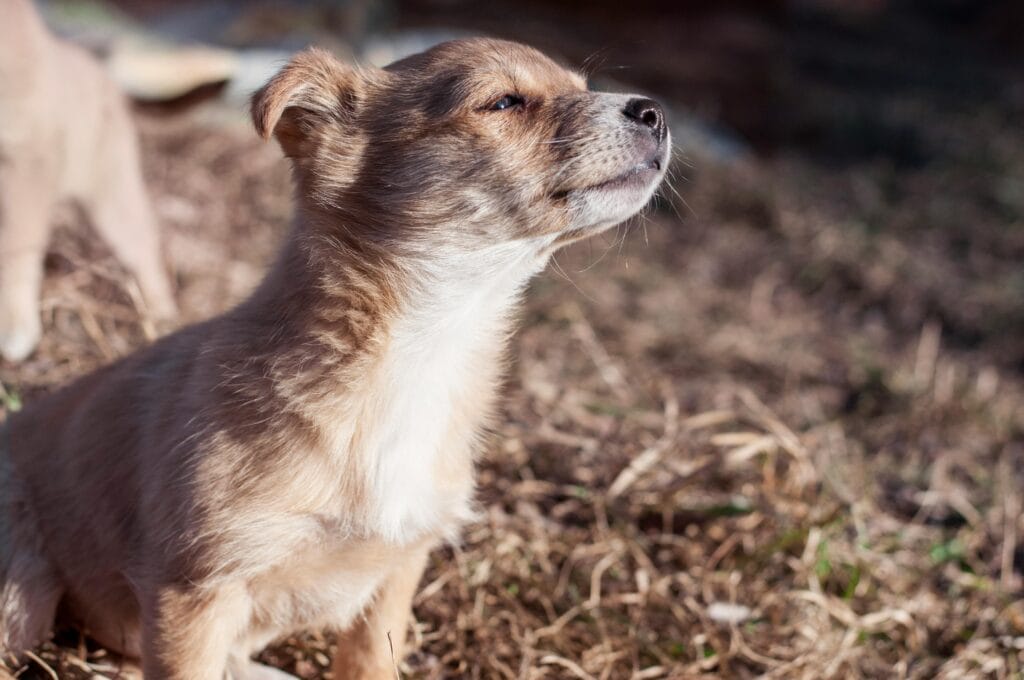
14. Calm Behavior After Exercise
Happy dogs often relax easily after activity.
After a walk or play session, a content dog may:
- lie down calmly
- chew a toy
- nap peacefully
Balanced activity followed by relaxation is a good sign.
15. Bringing You Toys
When dogs bring toys to their owners, they often want to share a fun experience.
This behavior signals:
- trust
- excitement
- desire for interaction
It’s also a sign that your dog associates you with positive experiences.
Helpful Tips to Keep Your Dog Happy
Understanding happiness signals is only part of the picture.
Owners can support their dog’s well-being through simple daily habits.
Provide Daily Exercise
Exercise helps dogs release energy and stay mentally balanced.
Regular walks and playtime are essential.
Offer Mental Stimulation
Interactive toys and training sessions help keep dogs engaged.
Mental challenges prevent boredom.
Maintain Consistent Routines
Dogs feel secure when daily routines remain predictable.
Feeding, walking, and bedtime schedules help maintain emotional stability.
Spend Quality Time Together
Dogs thrive on companionship.
Even simple activities like cuddling or playing strengthen your bond.
Helpful Products That Can Support a Happy Dog
This article contains affiliate links. As an Amazon Associate, we earn from qualifying purchases.
Certain products can help improve your dog’s comfort and mental stimulation.
Interactive Dog Puzzle Toy
Puzzle toys help stimulate your dog’s mind.
Benefits include:
- reducing boredom
- encouraging problem solving
- promoting calm behavior
Durable Fetch Toy
Fetch toys help dogs release energy.
Benefits include:
- encouraging exercise
- strengthening your bond
- supporting physical health
Orthopedic Dog Bed
Comfortable beds help dogs rest properly.
Benefits include:
- better sleep quality
- joint support
- improved comfort
Slow Feeder Bowl
Slow feeder bowls promote healthier eating habits.
Benefits include:
- improving digestion
- preventing overeating
- adding mental stimulation
Conclusion
Recognizing the 15 signs your dog is truly happy helps you better understand your pet’s emotional world. While some signs—like tail wagging and playfulness—are obvious, others such as relaxed sleep posture or gentle eye contact can be easy to overlook.
By paying attention to your dog’s behavior, body language, and daily habits, you can gain valuable insight into their happiness and well-being.
A happy dog typically enjoys regular exercise, mental stimulation, comfortable rest, and loving interaction with their owner. When these needs are met, dogs often express their happiness in ways that are both heartwarming and unmistakable.
FAQ
How can I tell if my dog is happy?
Common signs include tail wagging, relaxed posture, playfulness, and healthy appetite.
Do dogs smile when they’re happy?
Dogs don’t smile like humans, but relaxed facial expressions can look similar.
Can dogs feel happiness like humans?
Dogs experience positive emotions such as joy, excitement, and contentment.
What makes dogs happiest?
Regular exercise, companionship, mental stimulation, and consistent routines contribute to happiness.
How can I improve my dog’s happiness?
Provide daily activity, quality time, proper nutrition, and a safe, comfortable environment.
You may also like: