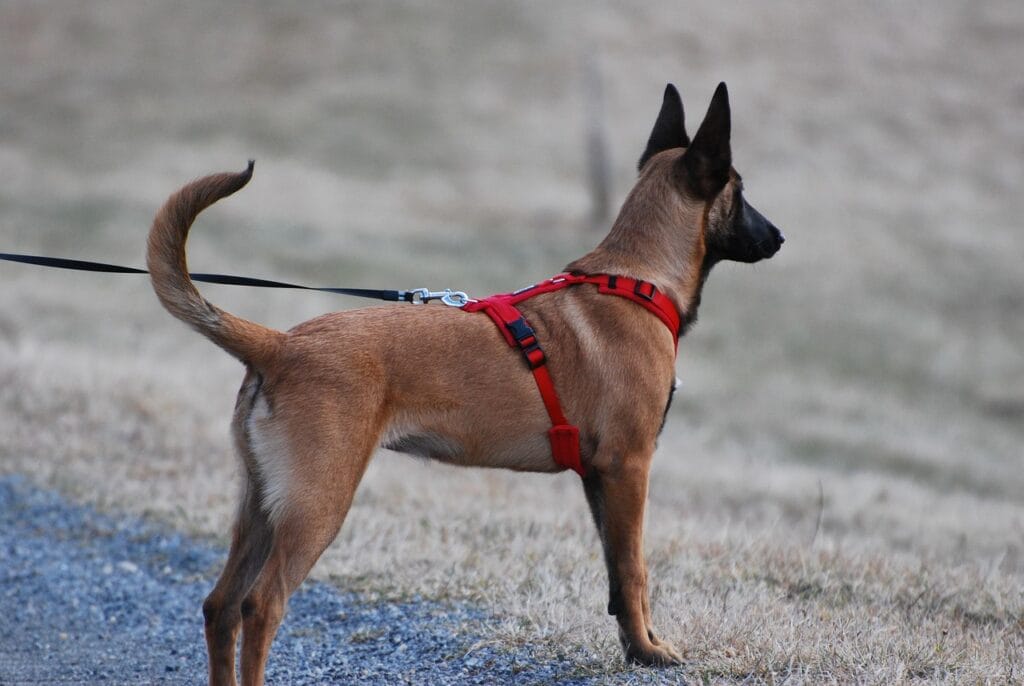
12 Reasons Your Dog Isn’t Listening to You (And How to Fix It)
Few things frustrate dog owners more than giving a command and being completely ignored. Whether your dog refuses to come when called or seems to forget basic commands, it can feel confusing and discouraging. Understanding 12 reasons your dog isn’t listening to you (and how to fix it) can help you identify the real cause of the problem and improve communication with your dog.
In most cases, dogs aren’t being stubborn or disobedient. Instead, they may be confused, distracted, under-trained, or lacking motivation. Training problems often come from small mistakes in communication that owners don’t realize they’re making.
The good news is that these issues are usually easy to correct once you understand them.
In this guide, you’ll learn:
- 12 reasons your dog isn’t listening to you
- simple training adjustments that improve obedience
- practical ways to get your dog’s attention
- tips for building stronger communication
With patience and consistency, most dogs can quickly improve their listening skills.
Disclosure: As Amazon Associates, we earn from qualifying purchases at no extra cost to you.
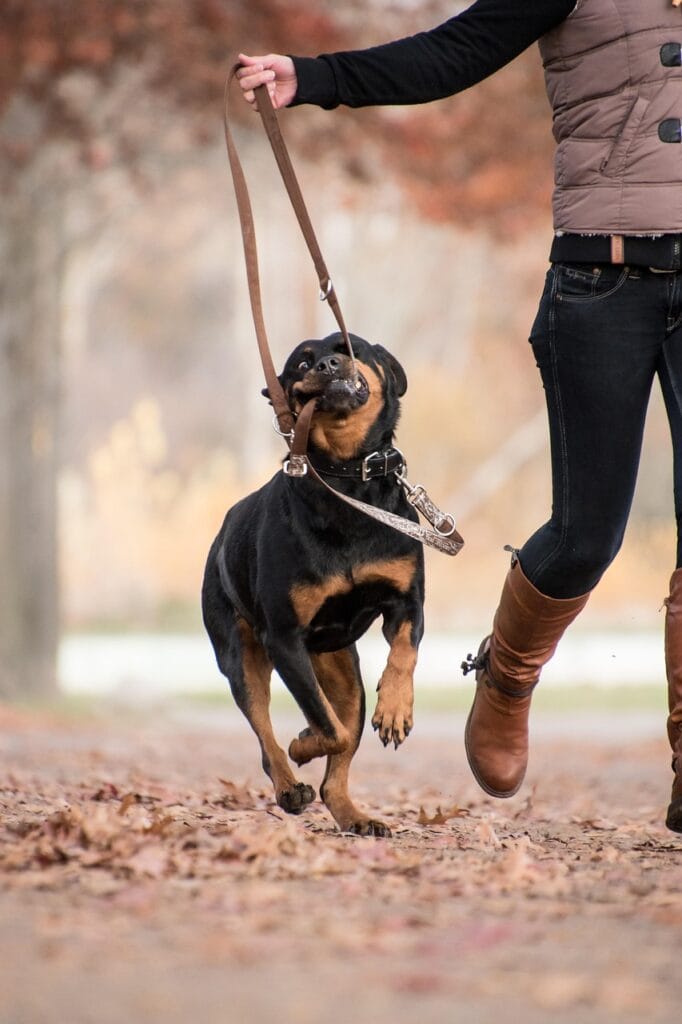
12 Reasons Your Dog Isn’t Listening to You (And How to Fix It)
1. Your Dog Is Distracted
Dogs live in a world full of smells, sounds, and movement.
When distractions are stronger than your command, your dog may ignore you.
Fix:
Start training in quiet environments and gradually introduce distractions.
2. The Command Isn’t Clear
Dogs rely on consistent communication.
If commands change frequently—like saying “come here,” “come,” or “over here”—your dog may become confused.
Fix:
Use the same word every time.
3. Training Sessions Are Too Long
Dogs have limited attention spans.
Long sessions can cause boredom and frustration.
Fix:
Keep training sessions short—around 5 to 10 minutes.
4. Your Dog Lacks Motivation
Dogs respond better when they see value in listening.
If there is no reward, your dog may choose something more interesting.
Fix:
Use treats, toys, or praise as motivation.
5. You Repeat Commands Too Often
Repeating commands teaches dogs they don’t have to respond the first time.
Example:
“Sit… sit… sit… sit.”
The dog learns the command is optional.
Fix:
Give the command once and wait.

6. Training Is Inconsistent
If family members use different rules, dogs become confused.
One person allowing behavior that another discourages makes learning harder.
Fix:
Ensure everyone in the household uses the same commands and expectations.
7. Your Dog Has Too Much Energy
An overly energetic dog may struggle to focus.
Exercise helps release excess energy before training.
Fix:
Take your dog for a walk or play session before training.
8. Your Dog Is Stressed or Anxious
Stress can affect a dog’s ability to concentrate.
Situations like loud noises, unfamiliar environments, or new people may distract them.
Fix:
Train in calm environments until your dog gains confidence.
9. You Accidentally Reward Bad Behavior
Sometimes owners unintentionally reinforce unwanted behavior.
Example: giving attention when the dog jumps or barks.
Fix:
Only reward behaviors you want repeated.
10. The Behavior Was Never Fully Trained
Dogs need repetition to learn.
Sometimes owners expect obedience before the behavior is fully understood.
Fix:
Return to basic training steps and practice regularly.
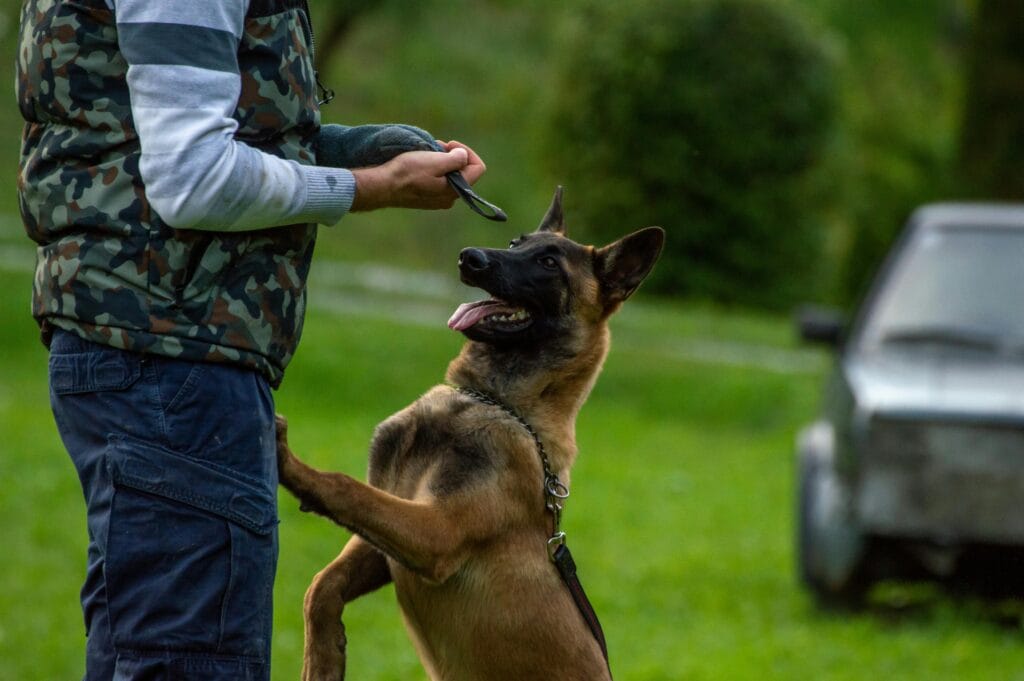
11. Your Dog Doesn’t Generalize Commands
Dogs often associate commands with specific locations.
A dog that obeys “sit” at home may ignore the same command at the park.
Fix:
Practice commands in multiple environments.
12. Your Bond Needs Strengthening
Dogs respond best to owners they trust and feel connected with.
Building a strong relationship improves attention and cooperation.
Fix:
Spend quality time playing, training, and interacting with your dog daily.
Helpful Products That Can Improve Training
This article contains affiliate links. As an Amazon Associate, we earn from qualifying purchases.
These training tools can help improve communication and obedience.
Dog Training Clicker
Clickers mark correct behavior at the exact moment it happens.
Benefits include:
- clearer communication
- faster learning
- effective positive reinforcement
Treat Training Pouch
Training pouches allow quick access to rewards.
Benefits include:
- convenient treat storage
- hands-free training
- ideal for walks and practice sessions
Dog Whistle for Recall Training
Dog whistles provide consistent sound cues for training.
Benefits include:
- improved recall
- long-distance communication
- useful outdoor training tool
Long Training Lead
Long leads provide controlled freedom during training.
Benefits include:
- safer recall practice
- improved outdoor training
- better control in open areas
Conclusion
Understanding 12 reasons your dog isn’t listening to you (and how to fix it) can completely transform your training experience. In most cases, listening problems are not caused by stubbornness but by distractions, unclear communication, or inconsistent training.
By keeping commands simple, rewarding good behavior, and practicing regularly, you can help your dog develop better focus and obedience.
Training should be a positive and rewarding experience for both dogs and owners. With patience, consistency, and the right approach, your dog can become a more attentive and responsive companion.
FAQ
Why does my dog listen at home but not outside?
Outdoor environments contain more distractions. Dogs often need additional training to generalize commands.
How can I get my dog to pay attention during training?
Use high-value rewards, short sessions, and practice in quiet environments first.
How often should I train my dog?
Daily training sessions of 5–10 minutes can be very effective.
What rewards work best during training?
Small treats, toys, and praise are commonly used motivators.
Can older dogs learn to listen better?
Yes. Dogs of any age can improve obedience with consistent training.
You may also like: