How to Socialize a Puppy Safely
Bringing a new puppy home is exciting, but one of the most important responsibilities you have as an owner is proper socialization. If you’re researching how to socialize a puppy safely, you’re already taking an important step toward raising a confident, well-behaved dog.
Socialization means gradually introducing your puppy to new people, environments, sounds, and other animals in a positive and controlled way. Puppies that are properly socialized are less likely to develop fear, anxiety, or aggression as adults.
The key is doing it slowly, safely, and at the right age. Too much stimulation too quickly can overwhelm a puppy, while too little exposure can lead to fear of unfamiliar situations later in life.
In this guide, you’ll learn simple step-by-step methods to safely socialize your puppy, along with helpful tips and tools that make the process easier.
Disclosure: As Amazon Associates, we earn from qualifying purchases at no extra cost to you.
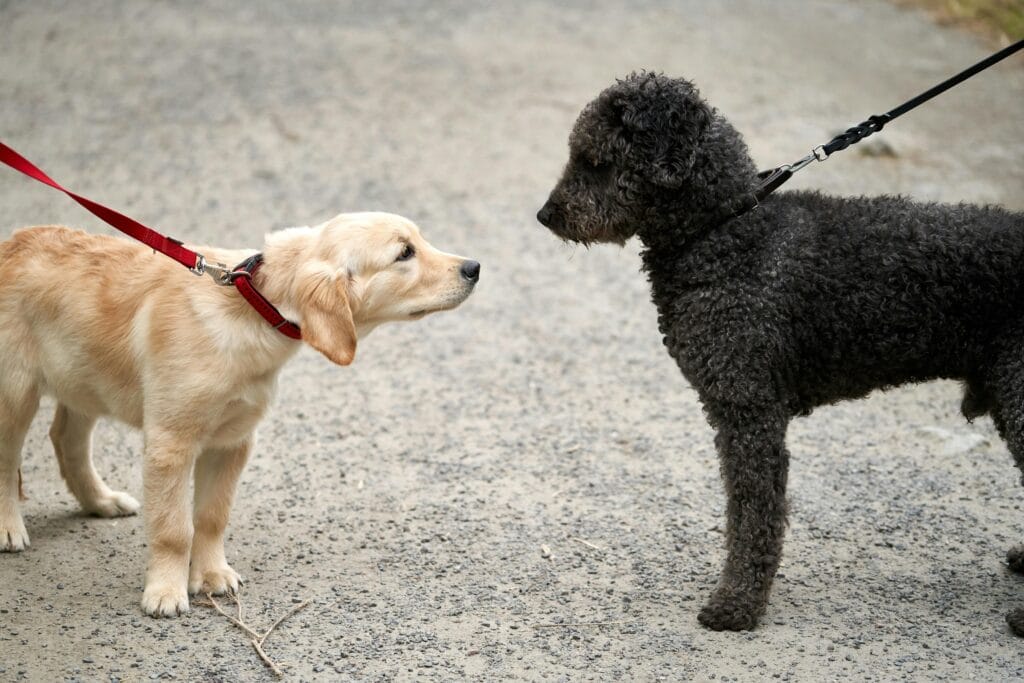
Why Puppy Socialization Is Important
Before learning how to socialize a puppy safely, it’s important to understand why socialization matters.
Proper socialization helps puppies:
- build confidence in new environments
- feel comfortable around people and other dogs
- reduce fear-based behavior
- prevent aggression later in life
- adapt easily to everyday situations
The most important socialization period for puppies usually occurs between 3 and 14 weeks of age. During this time, puppies are more open to new experiences.
However, socialization should always be done in a controlled and positive way.
How to Socialize a Puppy Safely: Step-by-Step Guide
Socializing a puppy is not about overwhelming them with new experiences. Instead, it’s about introducing new things gradually while keeping the experience positive.
Step 1: Start With Calm, Controlled Environments
Begin socialization in quiet environments where your puppy feels safe.
Examples include:
- your home
- backyard
- quiet neighborhood walks
Avoid busy parks or crowded areas at the beginning.
The goal is to let your puppy observe new things without feeling stressed.

Step 2: Introduce New People Gradually
Meeting different types of people is an important part of socialization.
Allow your puppy to meet:
- adults
- children
- people wearing hats or sunglasses
- people with different voices and appearances
Ask visitors to approach calmly and let the puppy come to them rather than forcing interaction.
Reward your puppy for staying calm.
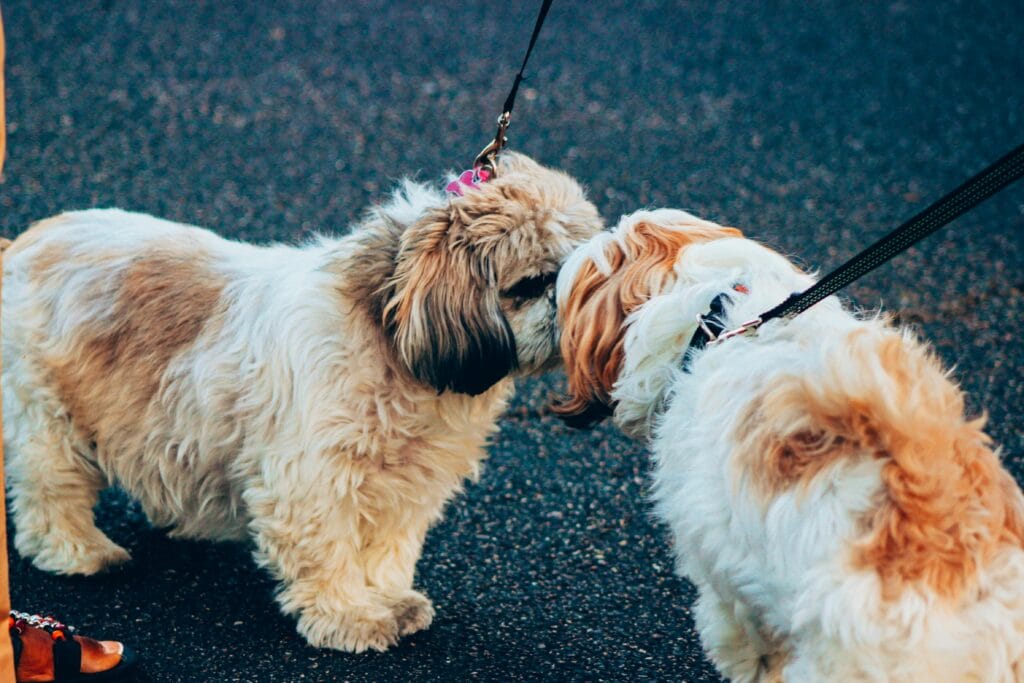
Step 3: Introduce Friendly Dogs Carefully
Meeting other dogs can help your puppy learn social behavior.
However, introductions should be carefully managed.
Choose dogs that are:
- friendly
- calm
- vaccinated
- well-socialized
Short positive interactions are much better than long overwhelming ones.
Step 4: Expose Your Puppy to Different Sounds
Puppies should gradually become familiar with everyday sounds such as:
- doorbells
- vacuum cleaners
- traffic noise
- household appliances
Introduce these sounds slowly and reward your puppy for remaining calm.
This helps prevent fear later in life.
Step 5: Explore Different Environments
Expose your puppy to a variety of safe environments.
Examples include:
- sidewalks
- parks
- pet-friendly stores
- car rides
Keep the experiences short and positive so your puppy builds confidence.
Helpful Training Tools
This article contains affiliate links. As an Amazon Associate, we earn from qualifying purchases.
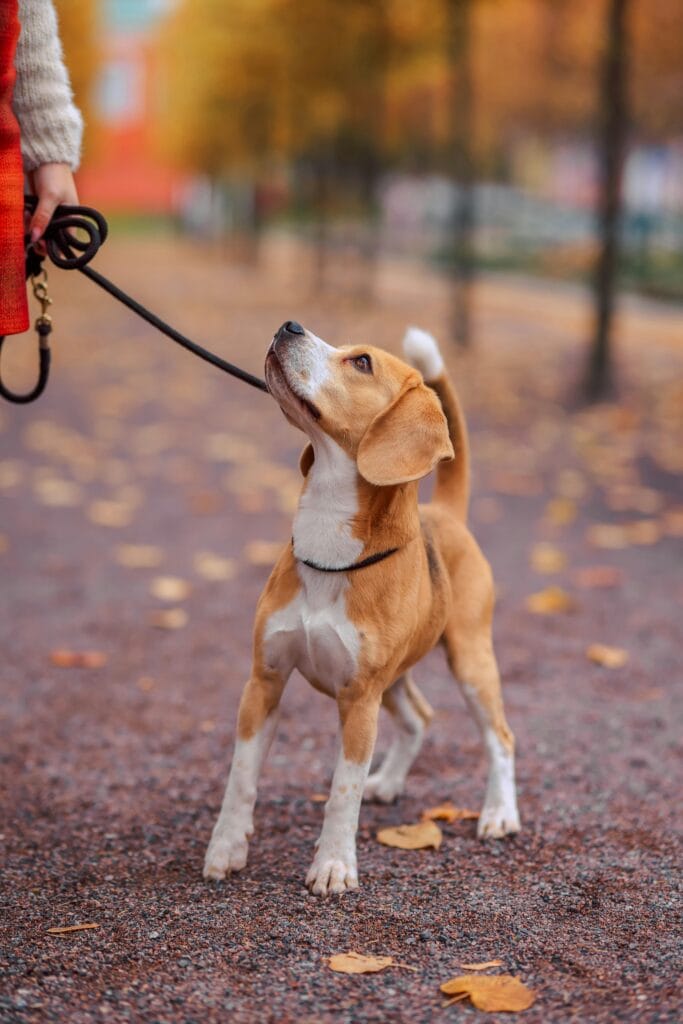
Certain tools can help make socialization easier and safer for both you and your puppy.
Puppy Training Treats
Small training treats help reinforce positive behavior during socialization.
Example product:
Zuke’s Mini Naturals Dog Training Treats
These treats are widely used in puppy training because they are small and easy to reward frequently.
Comfortable Harness for Walks
A comfortable harness gives you better control while introducing your puppy to new environments.
Example product:
Rabbitgoo No-Pull Dog Harness
This harness provides gentle control while keeping puppies comfortable during walks.
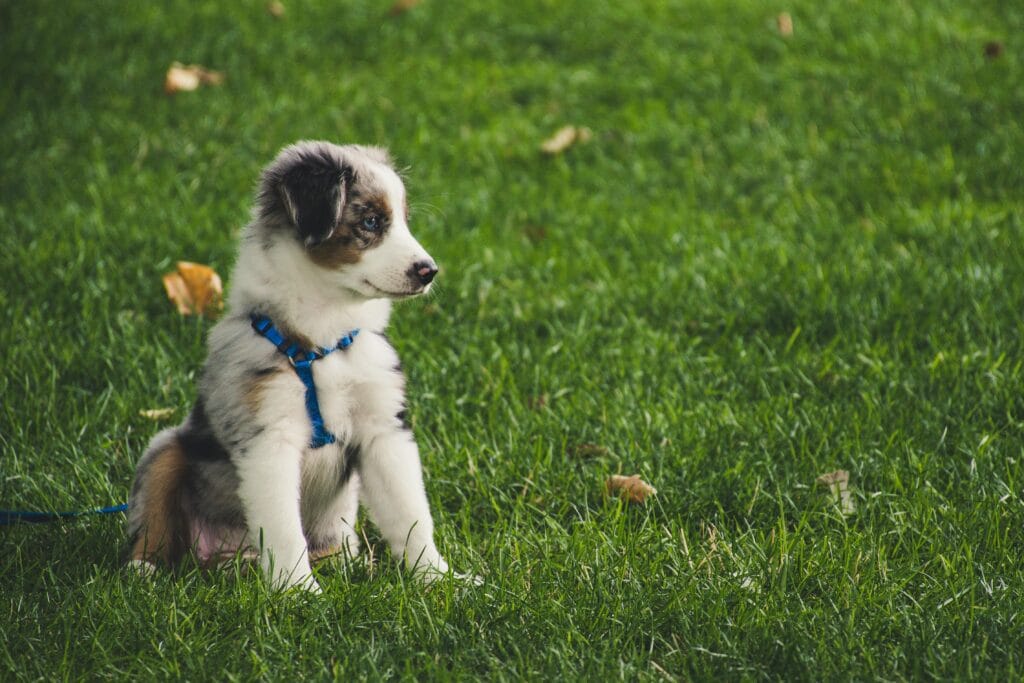
Practical Tips for Successful Puppy Socialization
These simple tips can help make the socialization process smoother.
Keep Experiences Positive
Your puppy should associate new experiences with good things.
Use:
- treats
- praise
- gentle encouragement
If your puppy seems scared, increase distance and slow down.
Watch Your Puppy’s Body Language
Signs of stress include:
- tucked tail
- whining
- shaking
- hiding behind you
If you notice these signs, remove your puppy from the situation and try again later.
Short Sessions Work Best
Young puppies have limited attention spans.
Try:
10–15 minute socialization sessions
instead of long outings.

Common Socialization Mistakes
Many owners accidentally make socialization harder by moving too fast.
Overwhelming the Puppy
Introducing too many new things at once can create fear.
Gradual exposure works best.
Forcing Interactions
Never force your puppy to approach a person or dog.
Allow them to approach at their own pace.
Ignoring Fear Signals
If a puppy appears nervous, give them space and allow them to observe from a safe distance.
Skipping Socialization Entirely
Dogs that are not exposed to new situations early may develop fear or aggression later.
Conclusion
Learning how to socialize a puppy safely is one of the most important parts of raising a confident and well-behaved dog. Early socialization helps puppies feel comfortable around people, other animals, and unfamiliar environments.
By introducing new experiences gradually, rewarding calm behavior, and paying attention to your puppy’s comfort level, you can help your puppy grow into a relaxed and confident adult dog.
Remember that socialization is not about overwhelming your puppy with new experiences—it’s about creating positive, controlled introductions that build trust and confidence.
With patience and consistency, your puppy will learn that the world is a safe and exciting place to explore.
FAQ
When should I start socializing my puppy?
Most puppies can begin safe socialization around 8 weeks old, once they have started their vaccinations.
How long should socialization sessions last?
Short sessions of 10–15 minutes work best for young puppies.
Can puppies meet other dogs before all vaccinations?
Puppies can meet healthy, vaccinated dogs in controlled environments.
What if my puppy seems scared during socialization?
Increase distance and slow the introduction. Never force the puppy into a situation they fear.
Is puppy socialization really necessary?
Yes. Proper socialization helps prevent fear, anxiety, and aggression later in life.
You may also like: