
How to Choose the Right Dog Bed
Choosing a dog bed might seem simple, but many dog owners quickly realize there are dozens of options, sizes, materials, and styles available. If you’re wondering how to choose the right dog bed, the decision can feel confusing at first.
The truth is that the right bed can greatly improve your dog’s comfort, sleep quality, and overall well-being. Dogs spend 12–16 hours a day sleeping, so having the right sleeping space is extremely important.
The wrong bed can cause problems such as poor sleep, joint discomfort, anxiety, or simply a bed that your dog refuses to use.
In this guide, you’ll learn exactly how to choose the right dog bed, including practical steps, common mistakes to avoid, and helpful features that can make your dog feel safe and comfortable.
Disclosure: As Amazon Associates, we earn from qualifying purchases at no extra cost to you.

How to Choose the Right Dog Bed: Step-by-Step
Choosing the perfect dog bed becomes much easier when you break the process into a few simple steps.
Step 1: Consider Your Dog’s Size
The first step when learning how to choose the right dog bed is selecting the correct size.
A bed that is too small will make your dog uncomfortable, while one that is too large may not provide the cozy feeling many dogs prefer.
How to measure your dog
- Measure your dog from nose to tail
- Add about 6–12 inches of extra space
- Choose a bed that allows your dog to stretch comfortably
Dogs should be able to:
- curl up comfortably
- stretch out fully
- turn around easily
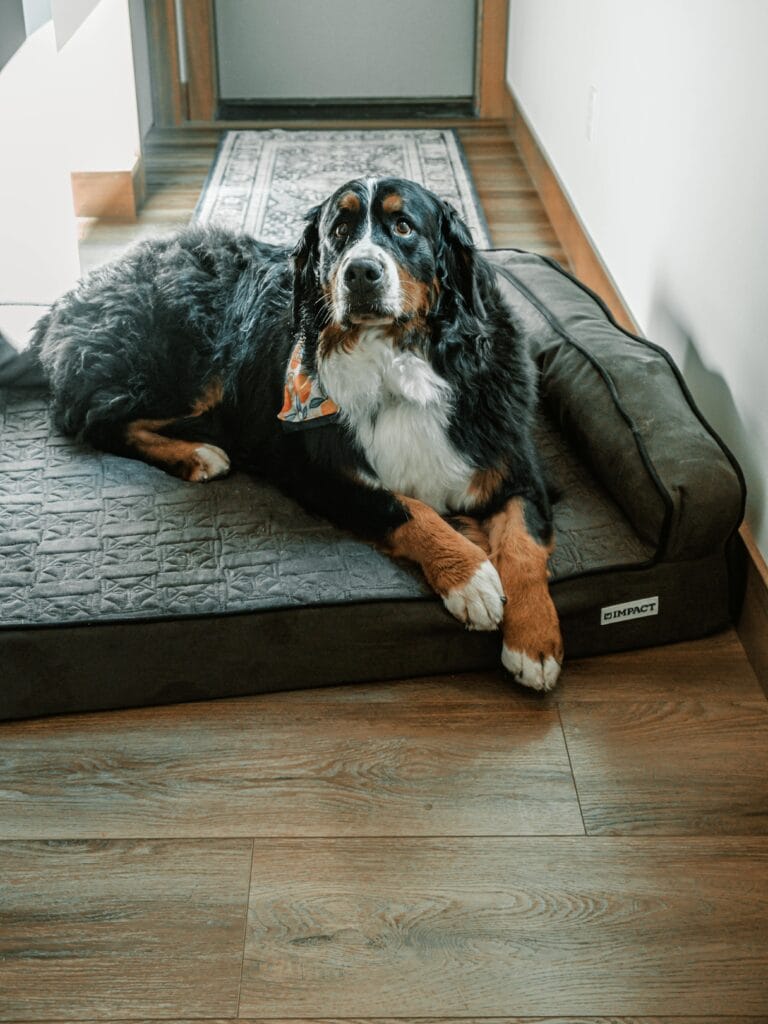
Large breeds often need extra-large or orthopedic beds to support their weight.
Step 2: Observe Your Dog’s Sleeping Style
Dogs have different sleeping habits, and these habits can help determine the best bed style.
Curling sleepers
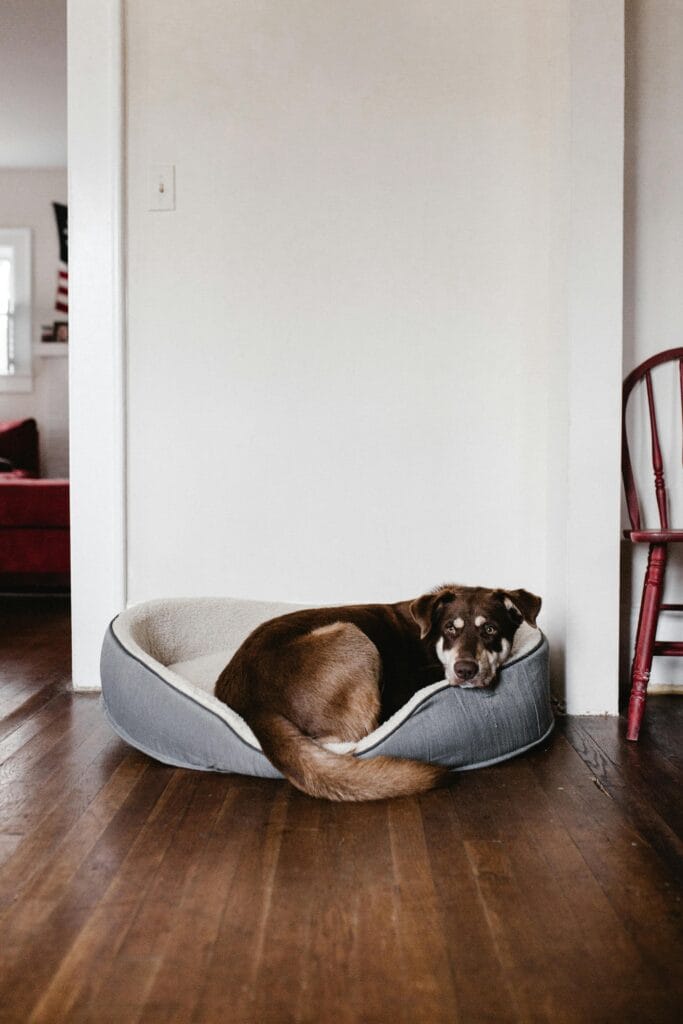
Many dogs curl into a ball when sleeping. These dogs usually prefer donut or bolster beds with raised edges that create a sense of security.
Stretching sleepers
Dogs that stretch out on their side or back often prefer flat mattress-style beds that provide plenty of room.
Leaning sleepers
Some dogs like resting their head against something. These dogs benefit from beds with supportive edges or pillows.
Understanding your dog’s natural sleeping position can make a huge difference in choosing the right bed.
Step 3: Consider Your Dog’s Age
A puppy, adult dog, and senior dog often need different types of beds.
Puppies
Puppies tend to chew and scratch bedding, so durable and washable beds are important.
Adult dogs
Healthy adult dogs can usually sleep comfortably on most bed types.
Senior dogs
Older dogs often benefit from orthopedic foam beds that support joints and reduce pressure points.
Helpful Product Suggestion
A popular option many dog owners use is the Furhaven Orthopedic Dog Bed, which provides memory foam support designed to relieve pressure on joints.
These beds are especially helpful for older dogs or breeds prone to joint issues.

Step 4: Think About Your Dog’s Behavior
Your dog’s personality and habits also play a role when choosing a bed.
Consider questions like:
- Does your dog chew frequently?
- Does your dog overheat while sleeping?
- Does your dog suffer from anxiety?
For anxious dogs
Beds with raised edges and soft materials can create a calming, nest-like environment.
Helpful Product Suggestion
Many dog owners use calming beds like the Best Friends by Sheri Calming Donut Bed, designed to provide comfort and reduce anxiety during sleep.
These beds can help dogs feel safer and more relaxed.

Step 5: Choose the Right Bed Material
Different materials provide different levels of comfort and durability.
Common options include:
Memory Foam
Provides excellent joint support and is ideal for large or senior dogs.
Plush Fabric
Very soft and cozy but may wear out faster with heavy use.
Cooling Fabric
Helpful for dogs that overheat easily, especially in warmer climates.
Waterproof Materials
Useful for puppies, senior dogs, or dogs prone to accidents.
Choosing durable materials can make a bed last much longer.
Step 6: Look for Easy Cleaning Options
Dog beds can get dirty quickly from fur, dirt, and odors.
Look for beds with:
- removable covers
- machine-washable fabric
- stain-resistant materials
Easy cleaning makes maintaining your dog’s sleeping area much easier.
Practical Tips for Choosing the Right Dog Bed
Here are a few additional tips to help you choose wisely.
Place the bed in a quiet area
Dogs sleep better when their bed is located in a calm environment.
Keep familiar scents nearby
Adding a blanket or toy with your scent can help dogs feel safe.
Avoid extremely thin beds
Thin padding may not provide enough comfort for daily use.
Consider multiple beds
Some dogs enjoy having beds in different areas of the house.
Common Mistakes Dog Owners Make
When choosing a dog bed, some common mistakes can lead to poor choices.
1. Choosing a bed that is too small
Dogs need enough room to stretch and move comfortably.
2. Ignoring sleeping habits
A dog that likes to curl up may dislike flat beds.
3. Choosing style over comfort
Fancy designs don’t always provide the best support.
4. Buying low-quality materials
Cheap beds often flatten quickly and lose support.
5. Ignoring age-related needs
Senior dogs often require more supportive bedding.

Conclusion
Learning how to choose the right dog bed doesn’t have to be complicated. By considering your dog’s size, sleeping habits, age, behavior, and comfort needs, you can easily find a bed that supports healthy sleep and relaxation.
A well-chosen dog bed provides more than just a place to sleep. It offers comfort, security, and proper support for your dog’s body.
With the right bed, your dog can rest comfortably, feel safe, and wake up ready for another happy day.
FAQ
What size dog bed should I buy?
Choose a bed that allows your dog to stretch comfortably. Measure your dog and add around 6–12 inches for extra space.
Are orthopedic dog beds worth it?
Yes, especially for senior dogs or large breeds. Orthopedic beds provide better joint support and improve comfort.
Why does my dog avoid their bed?
Dogs may avoid beds that are too small, uncomfortable, or placed in noisy areas.
How often should I replace a dog bed?
Most dog beds should be replaced every 1–2 years depending on wear and support.
Should dogs sleep in a bed every night?
Yes, a comfortable bed helps dogs rest properly and protects joints from hard surfaces.
- How to Stop a Dog from Pulling on the Leash — behavior guides for dog training.
- Daily Routine for a Happy, Healthy Dog — pairing toys with routines.
- Best Dog Food for Sensitive Stomachs — if diet influences chewing behavior.

Pingback: Do calming dog beds actually work?