How Often Should You Groom Your Dog?
Grooming is an essential part of keeping your dog healthy and comfortable. While many owners focus on feeding, exercise, and training, regular grooming plays a major role in maintaining a dog’s skin, coat, and overall well-being. Many owners ask the same question: how often should you groom your dog?
The answer depends on several factors, including your dog’s breed, coat type, lifestyle, and health condition. Some dogs require frequent brushing and regular professional grooming, while others need only basic maintenance.
Proper grooming helps remove dirt, loose hair, and parasites while also allowing owners to monitor their dog’s skin condition and detect potential health issues early.
In this guide, we’ll explain:
- how often dogs should be groomed
- how coat type affects grooming needs
- signs your dog needs grooming
- common grooming mistakes to avoid
- helpful grooming routines for different dogs
Understanding the right grooming schedule can help keep your dog healthy, comfortable, and looking their best.
Disclosure: As Amazon Associates, we earn from qualifying purchases at no extra cost to you.
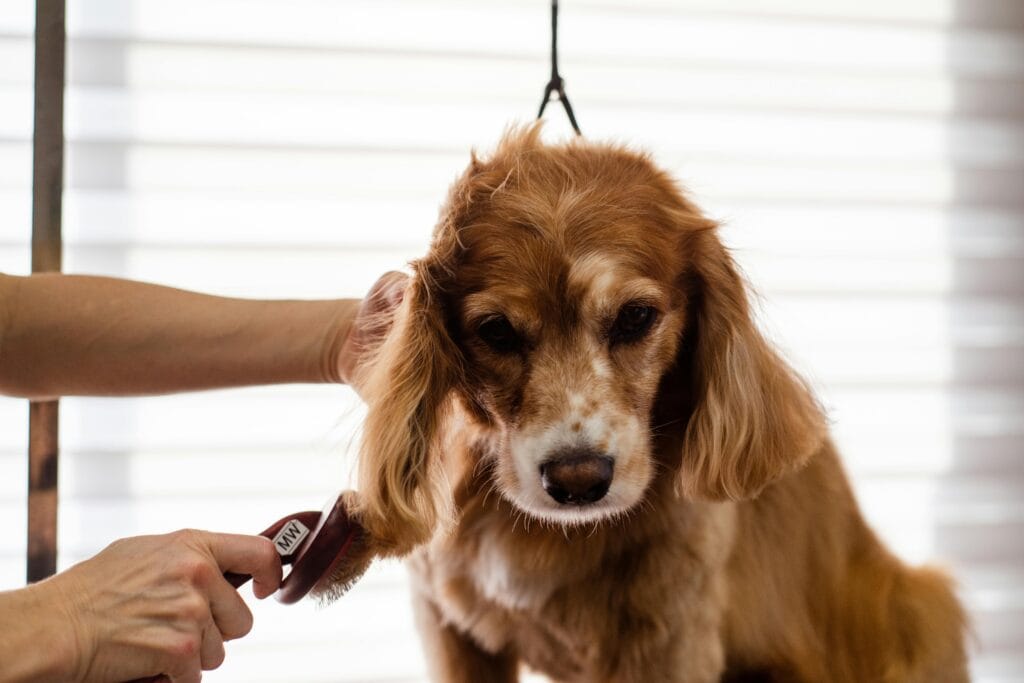
How Often Should You Groom Your Dog?
When considering how often should you groom your dog, it’s important to understand that grooming includes several different tasks, not just bathing.
A complete grooming routine may include:
- brushing
- bathing
- nail trimming
- ear cleaning
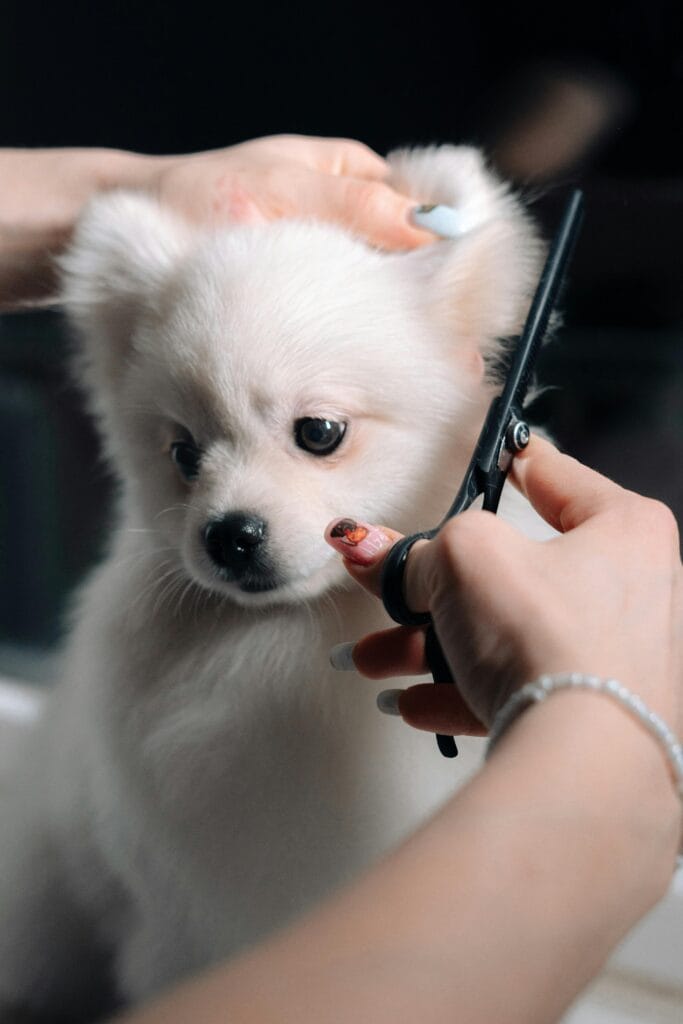
- coat trimming
- dental care
Each of these tasks may have a different recommended schedule depending on your dog’s needs.
Grooming Frequency Based on Coat Type
Different coat types require different grooming routines.
Understanding your dog’s coat type helps determine the appropriate grooming schedule.
Short-Haired Dogs
Dogs with short coats generally require less grooming than long-haired breeds.
Typical grooming routine:
- brushing: once per week
- bathing: every 4–8 weeks
- nail trimming: every 3–4 weeks
Short coats shed hair naturally, but regular brushing still helps remove loose fur and distribute natural oils.
Medium-Length Coats
Dogs with medium coats require more regular brushing.
Typical routine:
- brushing: 2–3 times per week
- bathing: every 4–6 weeks
- trimming: occasional
Regular brushing prevents tangles and reduces shedding.
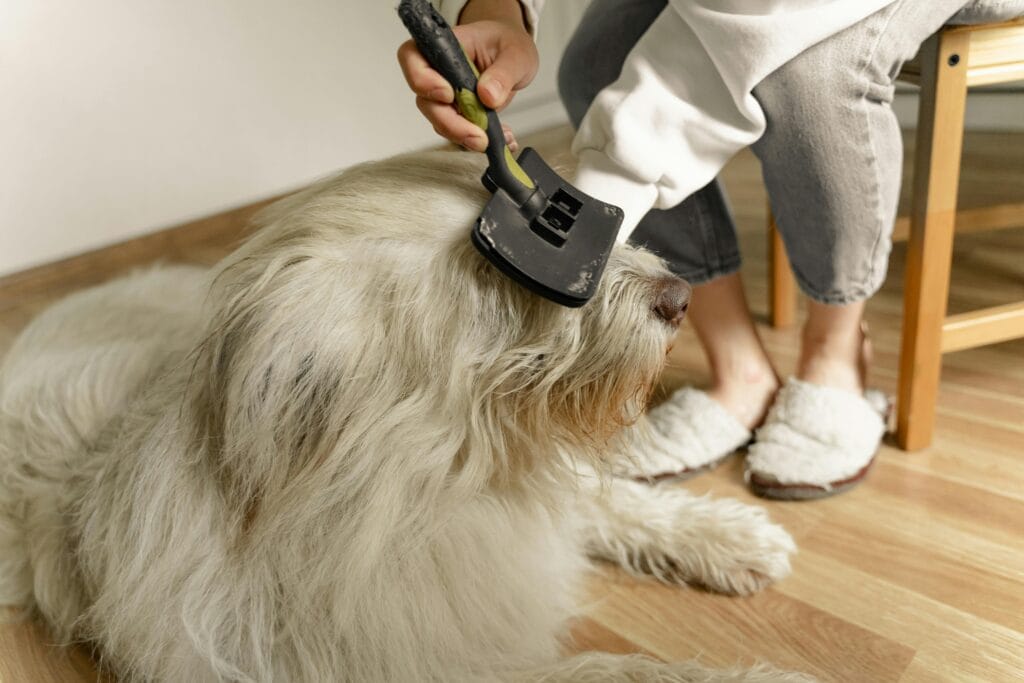
Long-Haired Dogs
Long-haired breeds require more consistent grooming.
Typical routine:
- brushing: daily or every other day
- bathing: every 3–4 weeks
- trimming: regular professional grooming
Without regular care, long coats can develop mats and tangles that may irritate the skin.
Double-Coated Dogs
Double-coated breeds, such as Huskies or Golden Retrievers, have a dense undercoat.
Typical grooming routine:
- brushing: 2–4 times per week
- bathing: every 6–8 weeks
- seasonal shedding management
These dogs shed heavily during seasonal coat changes.
Frequent brushing helps manage shedding and maintain healthy skin.
Signs Your Dog Needs Grooming
Sometimes dogs show clear signs that grooming is overdue.
Owners should watch for these indicators.
Excessive Shedding
Loose fur accumulating around the home may signal the need for brushing.
Regular brushing removes dead hair before it falls out.
Matted Fur
Mats occur when loose fur becomes tangled.
Matted fur can cause discomfort and skin irritation.
Dirty or Oily Coat
A dirty or greasy coat may indicate that a bath is needed.
However, over-bathing should be avoided.
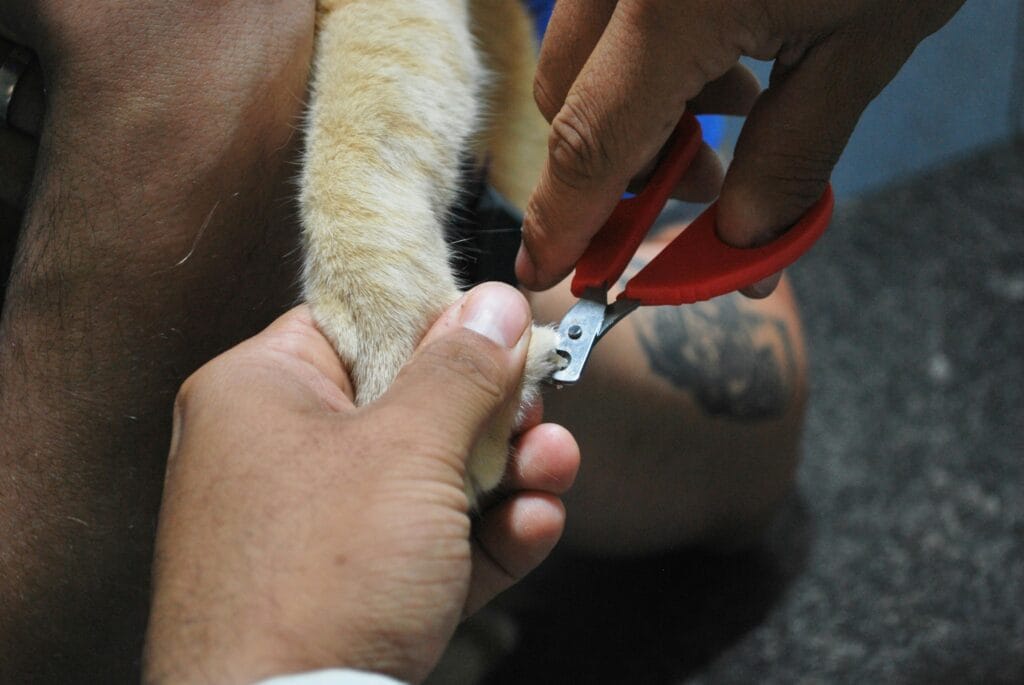
Long Nails
If you hear your dog’s nails clicking on hard floors, it may be time for a trim.
Long nails can affect posture and cause discomfort.
Possible Causes of Grooming Problems
Some dogs develop grooming-related issues if regular care is neglected.
Common causes include:
Infrequent Brushing
Without brushing, loose hair and debris accumulate in the coat.
This may lead to mats and skin irritation.
Over-Bathing
Bathing dogs too often can strip natural oils from their skin.
This may cause dryness and itching.
Improper Tools
Using the wrong grooming tools may make grooming less effective.
Different coat types require specific brushes and combs.
Lack of Early Grooming Habits
Dogs introduced to grooming at an early age are typically more comfortable with the process.
Puppies should gradually become familiar with brushing and handling.
What Dog Owners Should Do Next
Creating a consistent grooming routine helps maintain coat health and hygiene.
Owners should:
- brush their dog regularly
- schedule occasional baths
- trim nails when necessary
- inspect ears and skin
Regular grooming sessions also strengthen the bond between dogs and their owners.
Many owners also choose professional grooming services for certain breeds that require specialized coat care.
Helpful Tips for Maintaining a Healthy Grooming Routine
Good grooming habits can prevent many common skin and coat issues.
Use the Right Brush
Different coat types require different grooming tools.
Examples include:
- slicker brushes for long coats
- bristle brushes for short coats
- undercoat rakes for double-coated breeds
Introduce Grooming Gradually
Puppies should learn grooming slowly to build positive associations.
Short sessions with praise and treats can help.
Check Skin During Grooming
Brushing sessions allow owners to inspect the skin for:
- bumps
- parasites
- irritation
Early detection helps prevent health issues.
Maintain a Routine
Dogs respond well to consistent grooming schedules.
Regular grooming prevents problems from developing.
Helpful Grooming Products for Dogs
This article contains affiliate links. As an Amazon Associate, we earn from qualifying purchases.
Several tools can make grooming easier and more effective.
Slicker Brush for Dogs
Slicker brushes help remove loose hair and prevent mats.
Benefits include:
- reducing shedding
- improving coat health
- removing tangles
Dog Nail Clippers
Proper nail care helps maintain healthy posture.
Benefits include:
- preventing overgrown nails
- reducing discomfort when walking
- improving paw health
Dog Shampoo for Sensitive Skin
Gentle dog shampoos help maintain skin health.
Benefits include:
- cleaning without drying the skin
- supporting healthy coat condition
- reducing irritation
Grooming Kit for Dogs
A complete grooming kit includes brushes, combs, and trimming tools.
Benefits include:
- convenient home grooming
- improved coat care
- reduced grooming costs
Conclusion
Understanding how often should you groom your dog helps owners maintain healthy coats, comfortable skin, and overall hygiene. Grooming routines vary depending on coat type, breed, and lifestyle, but all dogs benefit from regular brushing, nail care, and occasional bathing.
Establishing a consistent grooming schedule prevents common problems such as matting, excessive shedding, and skin irritation. Grooming also provides an opportunity to monitor your dog’s health and detect potential concerns early.
With the right tools and habits, grooming can become a simple and rewarding part of caring for your dog.
FAQ
How often should I brush my dog?
Most dogs benefit from brushing at least once per week, while long-haired breeds may require daily brushing.
How often should dogs be bathed?
Most dogs should be bathed every 4–8 weeks, depending on coat type and activity level.
Is professional grooming necessary?
Some breeds with complex coats benefit from professional grooming services.
Can grooming help detect health issues?
Yes. Grooming allows owners to notice skin problems, parasites, or unusual lumps.
What happens if dogs are not groomed regularly?
Lack of grooming may lead to matting, skin irritation, excessive shedding, and discomfort.
You may also like: