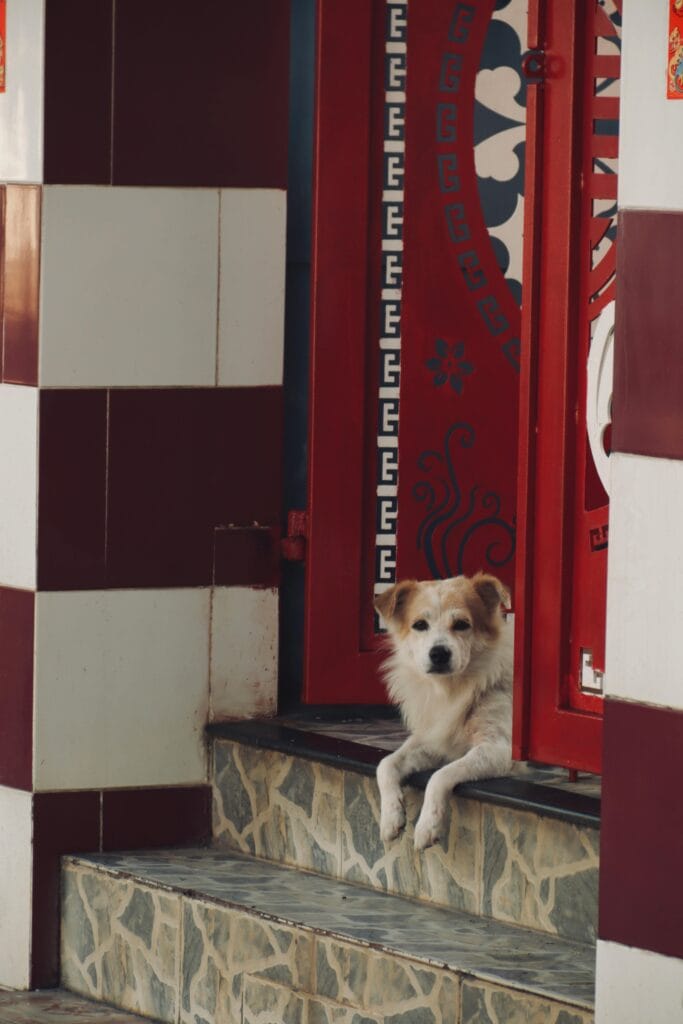
How Much Sleep Do Dogs Need?
Sleep plays a crucial role in a dog’s health, just as it does for humans. Rest helps support physical recovery, brain function, and overall well-being. Many dog owners notice that their pets seem to sleep frequently and wonder if it’s normal. Understanding how much sleep do dogs need can help owners recognize healthy sleep patterns and identify potential problems.
Dogs generally sleep much more than humans. While people typically sleep about 7–9 hours per night, dogs often sleep between 12 and 14 hours per day, and sometimes even more depending on their age, activity level, and health condition.
Sleep helps dogs recharge their energy, process daily experiences, and maintain healthy brain function. Puppies and senior dogs, in particular, require extra rest as their bodies develop or age.
In this guide, we’ll explore:
- how much sleep dogs normally need
- why sleep is important for dogs
- factors that influence sleep duration
- signs of abnormal sleep patterns
- practical ways to support healthy sleep habits
Understanding your dog’s sleep needs can help ensure they remain happy, energetic, and healthy.
Disclosure: As Amazon Associates, we earn from qualifying purchases at no extra cost to you.
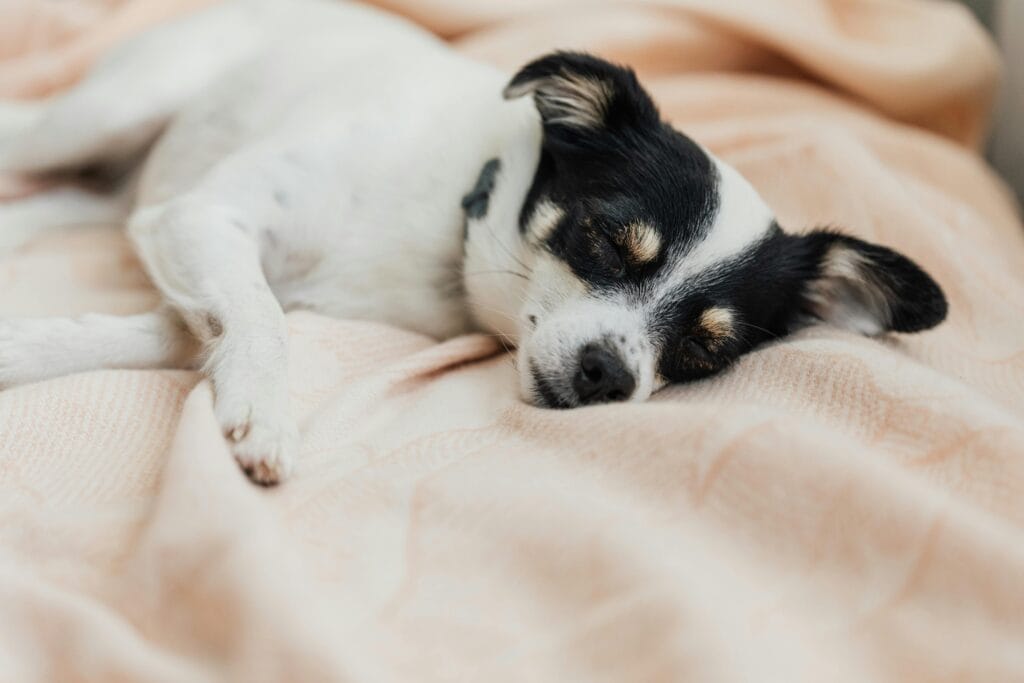
How Much Sleep Do Dogs Need?
To understand how much sleep do dogs need, it helps to look at typical sleep patterns in different stages of life.
Most adult dogs sleep 12–14 hours per day, but this time is not usually continuous. Dogs often sleep in multiple short periods throughout the day and night.
Several factors influence how much sleep a dog requires, including:
- age
- breed
- activity level
- health condition
- environment
Some dogs may sleep up to 16 hours daily, especially if they have a relaxed lifestyle.
Sleep Needs by Age
Age plays one of the biggest roles in determining how much sleep dogs need.
Puppies
Puppies require a significant amount of sleep because their bodies and brains are developing rapidly.
Most puppies sleep 18–20 hours per day.
This rest supports:
- physical growth
- brain development
- learning and memory
Puppies often alternate between short bursts of activity and long naps.
Adult Dogs
Healthy adult dogs typically sleep 12–14 hours daily.
Their sleep schedule often includes:
- nighttime sleep
- several daytime naps
Active dogs that exercise frequently may require additional rest to recover.
Senior Dogs
Older dogs may sleep more than younger adults.
Senior dogs may rest 14–18 hours per day due to:
- lower energy levels
- slower metabolism
- joint discomfort
Providing comfortable sleeping areas becomes especially important for older pets.
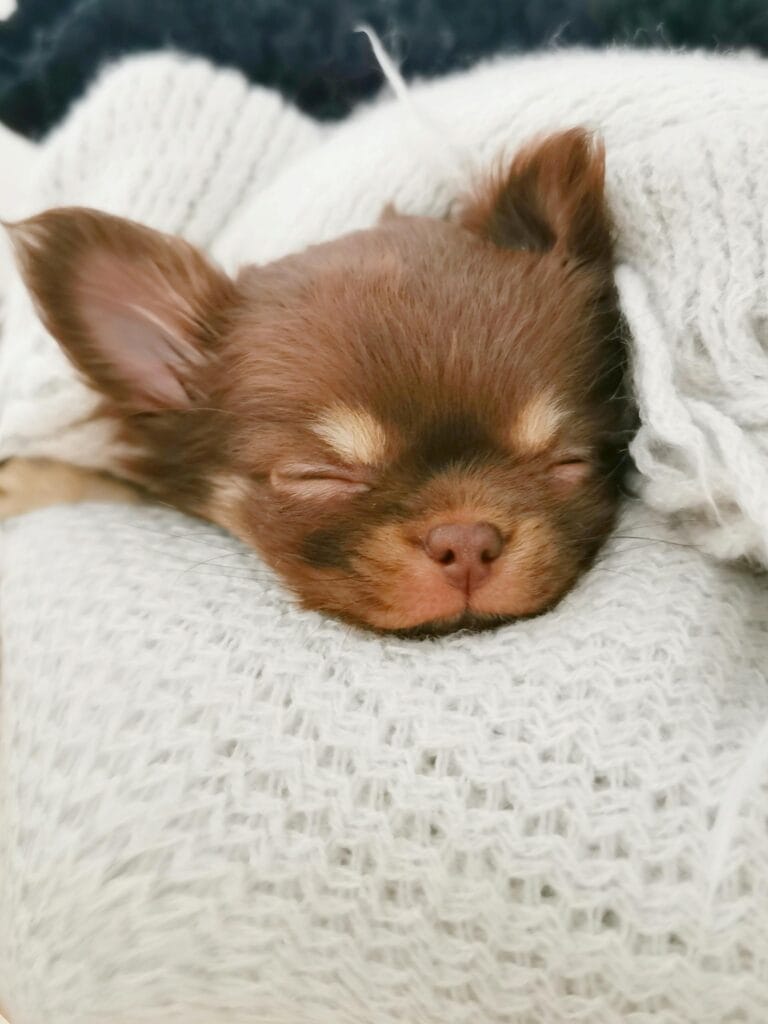
Why Sleep Is Important for Dogs
Sleep supports several essential bodily functions in dogs.
Physical Recovery
Sleep allows the body to repair tissues and muscles after physical activity.
Active dogs often need additional rest after exercise.
Brain Function
Dogs process learning experiences while they sleep.
Training sessions and new experiences may require extra rest for proper memory formation.
Immune System Support
Rest helps maintain a strong immune system.
Dogs that receive adequate sleep may be better able to fight infections.
Emotional Balance
Sleep helps regulate stress and emotional behavior.
Dogs that lack sufficient rest may appear irritable or restless.
Signs Your Dog May Not Be Getting Enough Sleep
While dogs typically sleep often, certain signs may indicate sleep disruption.
Owners should watch for:
- irritability
- excessive hyperactivity
- difficulty settling down
- increased anxiety
- reduced focus during training
Changes in sleep habits may sometimes indicate health concerns.
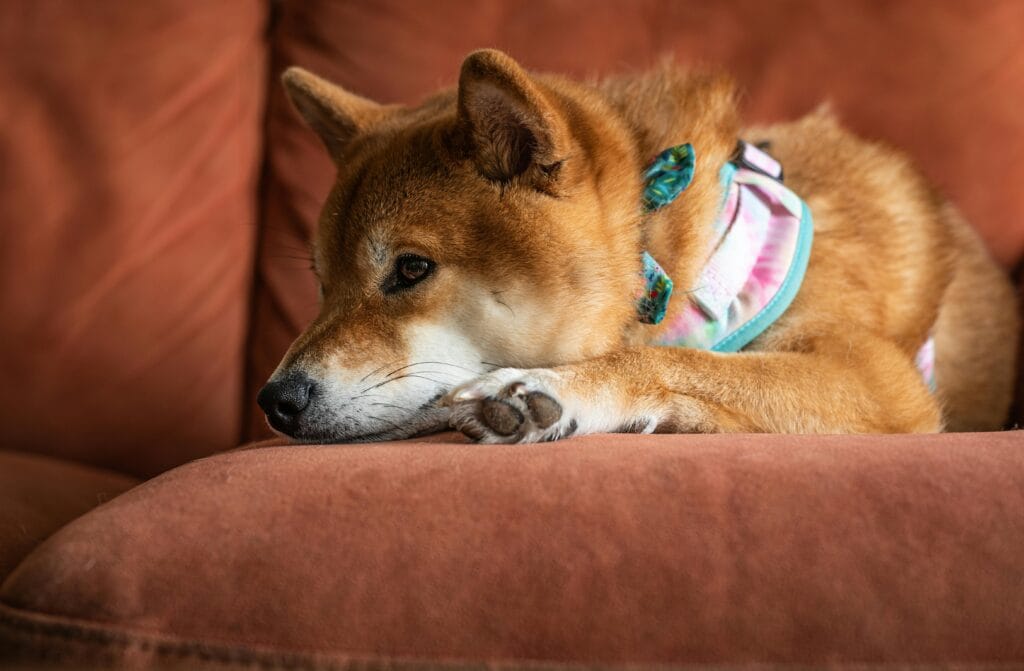
Possible Causes of Sleep Problems in Dogs
Several factors may affect a dog’s sleep quality.
Lack of Exercise
Dogs that do not receive enough activity during the day may have difficulty settling down at night.
Physical and mental stimulation help regulate sleep cycles.
Environmental Disturbances
Noise, unfamiliar surroundings, or changes in routine may disrupt sleep.
Dogs generally prefer quiet and comfortable sleeping areas.
Health Conditions
Pain, digestive discomfort, or illness may interfere with sleep.
Older dogs may also experience age-related sleep disturbances.
Anxiety or Stress
Stressful environments may make it difficult for dogs to relax.
Dogs experiencing separation anxiety may have disrupted sleep patterns.
What Dog Owners Should Do Next
If a dog appears restless or sleeps unusually little, owners should review daily routines.
Helpful steps include:
- ensuring regular exercise
- maintaining consistent daily schedules
- providing a comfortable sleeping area
- monitoring health and behavior
If sleep problems persist, consulting a veterinarian may help identify underlying issues.
Helpful Tips for Supporting Healthy Dog Sleep
Creating a relaxing environment can greatly improve sleep quality.
Establish a Consistent Routine
Dogs benefit from predictable schedules.
Feeding, exercise, and bedtime routines help regulate sleep cycles.
Provide Comfortable Sleeping Spaces
Dogs need supportive bedding that protects joints and muscles.
Quiet sleeping areas encourage deeper rest.
Encourage Physical Activity
Regular exercise helps dogs expend energy and promotes better sleep.
However, intense activity should be avoided right before bedtime.
Reduce Evening Stimulation
Calm environments before bedtime help dogs relax.
Quiet play or gentle interaction may be helpful.
Helpful Products That Support Dog Sleep
This article contains affiliate links. As an Amazon Associate, we earn from qualifying purchases.
Certain products may help improve your dog’s comfort and sleep quality.
Orthopedic Dog Bed
Orthopedic beds provide extra support for joints and muscles.
Benefits include:
- improved sleep comfort
- reduced joint pressure
- ideal for senior dogs
Calming Dog Bed
Calming beds are designed to create a secure and cozy sleeping environment.
Benefits include:
- promoting relaxation
- reducing anxiety
- supporting deeper sleep
White Noise Machine for Pets
White noise machines may help block sudden environmental sounds.
Benefits include:
- reducing noise disturbances
- helping dogs relax at night
- improving sleep consistency
Interactive Dog Toys
Interactive toys can help dogs burn energy during the day.
Benefits include:
- preventing boredom
- encouraging activity
- promoting better nighttime sleep
Conclusion
Understanding how much sleep do dogs need helps owners recognize healthy rest patterns and support their dog’s well-being. Most adult dogs require 12–14 hours of sleep per day, while puppies and senior dogs may need even more.
Sleep plays a vital role in physical recovery, brain function, and emotional balance. By providing regular exercise, comfortable sleeping areas, and consistent routines, owners can help their dogs maintain healthy sleep habits.
If unusual sleep patterns appear or persist, consulting a veterinarian can help ensure that the dog remains healthy and comfortable.
Adequate rest is one of the simplest yet most important ways to support a dog’s long-term health and happiness.
FAQ
How many hours per day do dogs usually sleep?
Most adult dogs sleep between 12 and 14 hours daily, though some may sleep longer.
Why do puppies sleep so much?
Puppies sleep up to 18–20 hours per day because sleep supports growth and brain development.
Is it normal for dogs to nap during the day?
Yes. Dogs naturally sleep in several short periods throughout the day.
Should I wake my dog from sleep?
In most cases it’s best to allow dogs to rest unless necessary.
Can lack of sleep affect dog behavior?
Yes. Insufficient rest may cause irritability, anxiety, or hyperactive behavior.
You may also like: