How Dogs Age Compared to Humans
Many dog owners have heard the common rule that one dog year equals seven human years. While this idea is widely known, the reality is more complex. Understanding how dogs age compared to humans helps owners better support their pets throughout every stage of life.
Dogs age much faster than humans, particularly during the early years of life. A puppy reaches developmental milestones far more quickly than a human child. However, the rate of aging slows as dogs grow older.
Several factors influence how dogs age, including breed, size, genetics, nutrition, and overall health. Smaller dogs often live longer than larger breeds, and different dogs may age at slightly different rates.
Learning about the aging process helps dog owners anticipate changes in behavior, health, and activity levels.
In this guide, we’ll explore:
- how dog years compare to human years
- what happens during each stage of a dog’s life
- signs of aging in dogs
- factors that affect lifespan
- ways owners can support healthy aging
Understanding the aging process allows owners to provide better care and help their dogs live comfortable, fulfilling lives.
Disclosure: As Amazon Associates, we earn from qualifying purchases at no extra cost to you.

How Dogs Age Compared to Humans
To better understand how dogs age compared to humans, it helps to look at how dogs develop throughout their lives.
The common “seven-year rule” suggests that every dog year equals seven human years. However, modern veterinary research shows that dogs age rapidly during their early years and more gradually later on.
A simplified comparison looks something like this:
- 1 dog year ≈ 15 human years
- 2 dog years ≈ 24 human years
- Each additional dog year ≈ 4–5 human years
This means dogs reach adulthood much faster than humans.
Breed and size can also influence how quickly a dog ages.
The Life Stages of a Dog
Dogs experience several life stages, each with unique characteristics.
Puppy Stage (0–1 Year)
The puppy stage is a period of rapid growth and development.
During this time, puppies:
- grow quickly
- develop social behaviors
- learn basic training skills
By the end of their first year, many dogs are physically similar to young adult humans in developmental terms.
Proper nutrition and training during this stage are essential for long-term health.
Young Adult Stage (1–3 Years)
Young adult dogs are typically energetic and active.
During this stage:
- physical growth stabilizes
- behavior becomes more predictable
- training habits become established
Many dogs reach their peak physical condition during these years.
Regular exercise and mental stimulation are especially important.
Mature Adult Stage (4–7 Years)
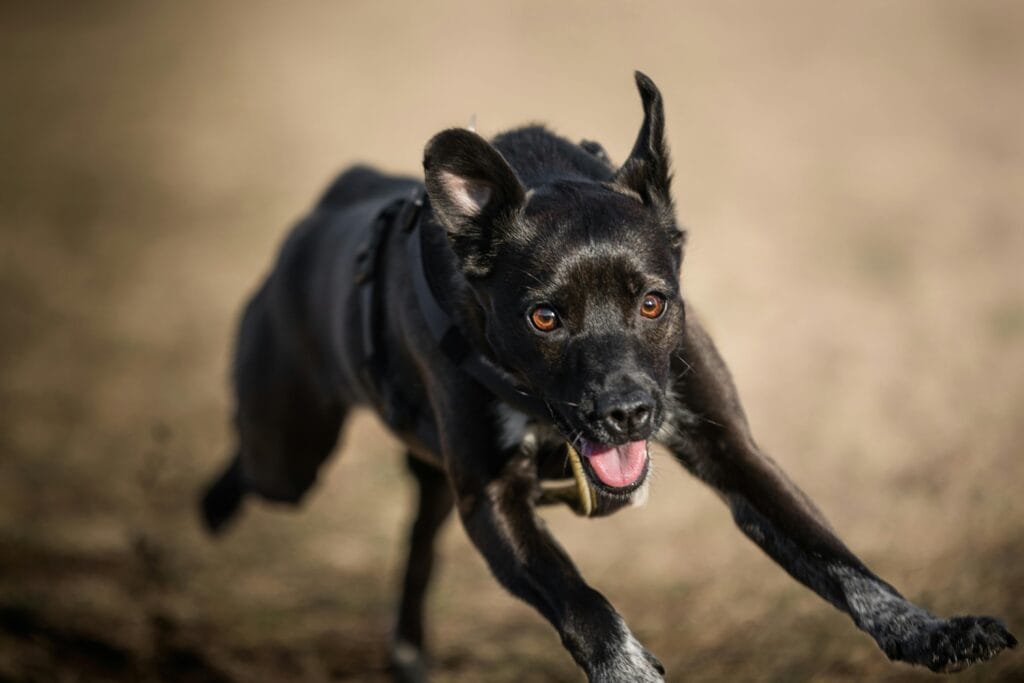
During the mature adult stage, dogs begin to slow down slightly.
Owners may notice:
- reduced energy levels
- gradual metabolic changes
- increased need for balanced nutrition
Routine veterinary care becomes increasingly important during this stage.
Weight management also plays a key role in maintaining health.
Senior Stage (7+ Years)
Senior dogs begin showing more noticeable signs of aging.
Common changes may include:
- reduced mobility
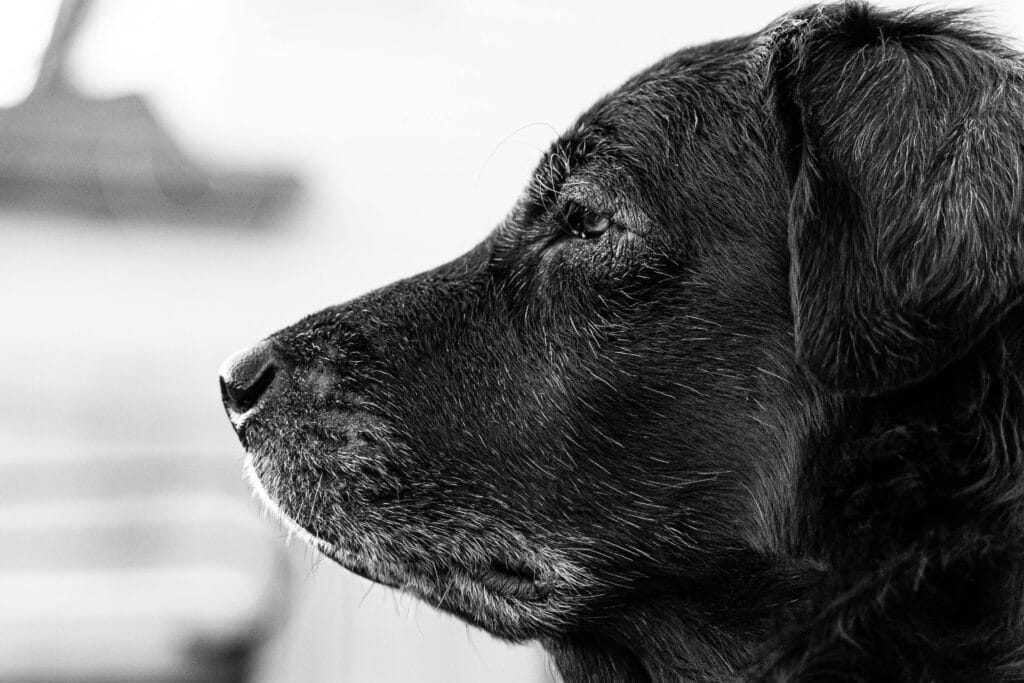
- graying fur around the face
- slower reaction times
- increased need for rest
Some breeds may enter the senior stage earlier or later depending on size.
Large breeds often age faster than smaller dogs.
Signs of Aging in Dogs
Just like humans, dogs show physical and behavioral changes as they age.
Common signs include:
- decreased activity levels
- stiff joints or mobility issues
- changes in hearing or vision
- increased sleeping
- changes in appetite
These changes are natural parts of aging but may also signal medical conditions.
Regular veterinary checkups help monitor aging-related health concerns.
Factors That Affect How Dogs Age
Not all dogs age at the same rate. Several factors influence lifespan and aging.
Breed and Size
Smaller dog breeds often live longer than large breeds.
For example:
- small breeds may live 12–16 years
- large breeds may live 8–12 years
Genetics play a major role in determining lifespan.
Nutrition
A balanced diet supports long-term health and slows age-related decline.
Proper nutrition helps maintain:
- muscle strength
- healthy organs
- strong immune function
Exercise
Regular physical activity helps maintain mobility and healthy weight.
Exercise supports:
- joint health
- cardiovascular function
- mental stimulation
Veterinary Care
Routine veterinary exams allow early detection of age-related diseases.
Preventive care can improve both lifespan and quality of life.
What Dog Owners Should Do Next
Understanding the aging process allows owners to adjust care as their dog grows older.
Owners should:
- schedule regular vet visits
- adjust exercise routines as needed
- monitor weight and appetite
- provide comfortable resting spaces
Small changes in routine can help aging dogs remain comfortable and active.
Owners should also pay attention to behavioral changes that may signal discomfort or health problems.
Helpful Tips for Supporting Healthy Aging
Supporting dogs as they age involves a combination of proper care and environment.
Provide Comfortable Resting Areas
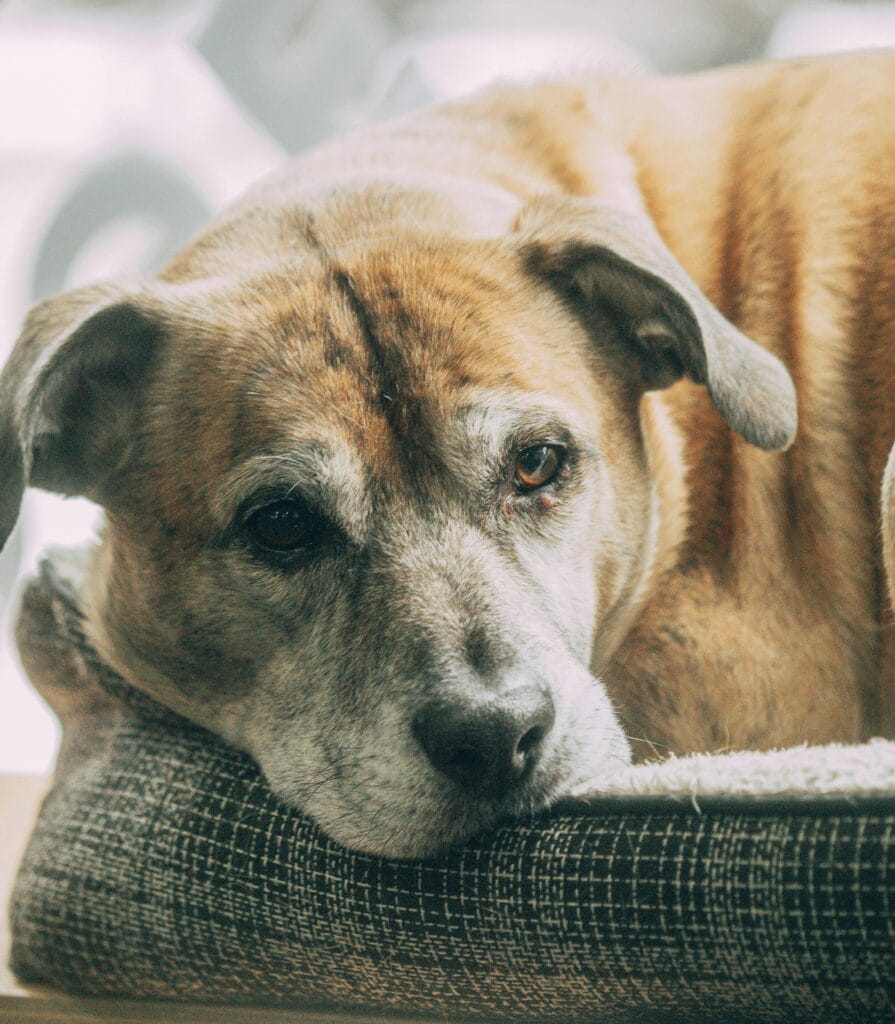
Older dogs may benefit from supportive bedding that reduces pressure on joints.
Maintain Mental Stimulation
Mental engagement helps keep aging dogs alert and happy.
Training games, puzzle toys, and gentle interaction can help.
Adjust Exercise Levels
Exercise should continue throughout a dog’s life but may need to be adapted to match physical ability.
Gentle walks and low-impact activities are ideal for senior dogs.
Monitor Health Closely
Early detection of health issues allows for more effective treatment.
Owners should consult a veterinarian if unusual symptoms appear.
Helpful Products for Aging Dogs
This article contains affiliate links. As an Amazon Associate, we earn from qualifying purchases.
Certain products can help support comfort and health as dogs age.
Orthopedic Dog Bed
Orthopedic beds provide extra support for joints.
Benefits include:
- reducing pressure on hips and elbows
- improving sleep quality
- supporting mobility in senior dogs
Joint Support Supplements
Joint supplements often contain ingredients such as glucosamine and chondroitin.
Benefits include:
- supporting joint health
- improving mobility
- reducing stiffness
Elevated Dog Bowls
Elevated feeding bowls can improve comfort during meals.
Benefits include:
- reducing neck strain
- supporting older dogs with mobility issues
- encouraging comfortable eating posture
Interactive Puzzle Toys
Mental stimulation remains important throughout life.
Benefits include:
- supporting cognitive health
- reducing boredom
- encouraging problem-solving
Conclusion
Understanding how dogs age compared to humans helps dog owners provide better care throughout their pet’s life. Dogs develop quickly during their early years and experience gradual changes as they reach adulthood and eventually enter their senior years.
By recognizing the signs of aging and adjusting care routines accordingly, owners can help their dogs remain comfortable and healthy. Proper nutrition, regular exercise, veterinary care, and a supportive environment all contribute to healthy aging.
Every stage of a dog’s life brings unique needs and experiences. With attentive care and understanding, dogs can enjoy long, fulfilling lives alongside the people who love them.
FAQ
Is one dog year equal to seven human years?
No. Dogs age faster in their early years and more gradually as they get older.
At what age is a dog considered a senior?
Many dogs are considered seniors around 7 years old, though this varies by breed and size.
Do small dogs live longer than large dogs?
Yes. Smaller breeds generally have longer lifespans than large breeds.
What are common signs of aging in dogs?
Common signs include reduced energy, gray fur, slower movement, and increased sleeping.
How can I help my dog age comfortably?
Providing balanced nutrition, regular vet care, comfortable bedding, and moderate exercise helps support healthy aging.
You may also like: