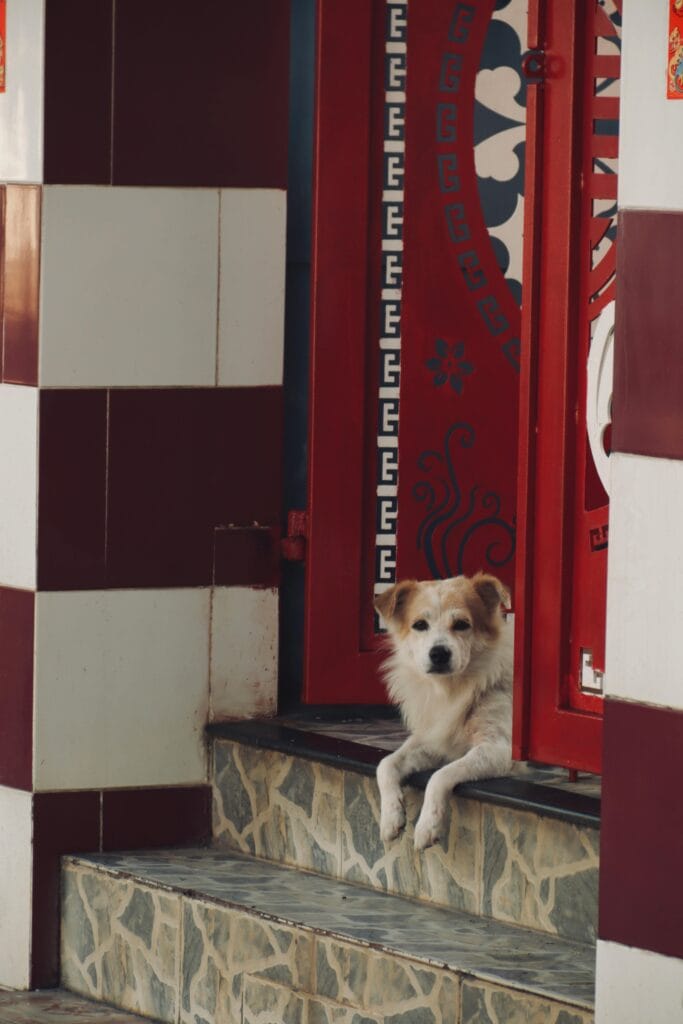
17 Warning Signs Your Dog Might Be Stressed
Dogs experience stress just like humans do. Changes in environment, routine, or social situations can make dogs feel anxious or overwhelmed. Unfortunately, dogs cannot explain how they feel, which is why learning the 17 warning signs your dog might be stressed is important for every dog owner.
Stress can affect a dog’s behavior, health, and emotional well-being. Sometimes the signs are obvious—like barking or destructive behavior. Other times they are subtle, such as yawning or avoiding eye contact.
By understanding the signals dogs use to communicate stress, owners can respond early and help their pets feel safe and comfortable again.
In this guide, you’ll discover:
- 17 warning signs your dog might be stressed
- what these behaviors usually mean
- how to respond in supportive ways
- practical tips to reduce stress in dogs
Learning these signs can help you create a calmer and happier environment for your dog.
Disclosure: As Amazon Associates, we earn from qualifying purchases at no extra cost to you.
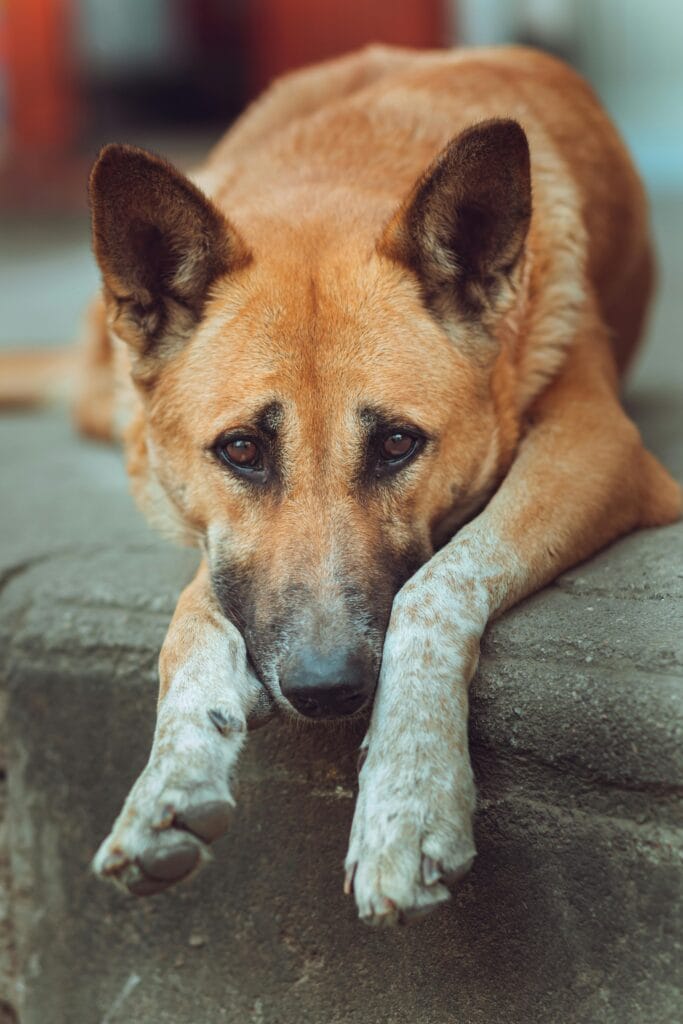
17 Warning Signs Your Dog Might Be Stressed
1. Excessive Panting
Dogs pant naturally when they are hot or after exercise. However, panting without physical activity may signal stress or anxiety.
If your dog pants heavily during calm situations, it could indicate discomfort.
2. Lip Licking
Dogs often lick their lips as a calming signal.
This behavior may appear when a dog feels uneasy in a situation.
3. Yawning Frequently
Yawning is not always about sleep.
Dogs sometimes yawn repeatedly when they feel nervous or overwhelmed.
4. Avoiding Eye Contact
Dogs may turn their head away or avoid eye contact when they feel uncomfortable.
This behavior often indicates a desire to avoid confrontation.
5. Tucked Tail
A tail tucked between the legs often signals fear or anxiety.
Dogs use their tails to communicate emotions, and a tucked tail usually indicates insecurity.
6. Pacing
Restless pacing can indicate stress.
Dogs may walk back and forth repeatedly when they feel uncertain or anxious.
7. Whining or Whimpering
Some dogs vocalize their stress through whining.
Whining may occur during:
- separation
- unfamiliar environments
- stressful events
8. Excessive Barking
Barking can be a way for dogs to release tension.
When barking becomes frequent or persistent, stress may be the cause.
9. Shaking or Trembling
Shaking may occur when dogs are frightened or nervous.
It can happen during thunderstorms, fireworks, or unfamiliar situations.
10. Destructive Behavior
Dogs sometimes chew furniture or destroy objects when stressed.
This behavior may occur when dogs experience separation anxiety or boredom.
11. Excessive Licking or Grooming
Some dogs cope with stress by licking themselves repeatedly.
Overgrooming may lead to irritated skin.
12. Loss of Appetite
A stressed dog may suddenly refuse food.
Changes in appetite can indicate emotional or physical discomfort.
13. Hiding
Dogs sometimes retreat to quiet areas when they feel overwhelmed.
Hiding behavior may signal fear or anxiety.
14. Increased Shedding
Stress can trigger temporary increases in shedding.
You may notice more loose fur than usual during stressful events.
15. Aggressive Behavior
Dogs may growl or snap when they feel threatened or stressed.
This reaction is often defensive rather than aggressive.
16. Dilated Pupils
Wide pupils can indicate heightened alertness or fear.
Dogs experiencing stress may appear hyper-focused or uneasy.
17. Changes in Sleeping Patterns
Stress can affect sleep quality.
Some dogs may sleep excessively, while others struggle to settle down.

Helpful Tips to Reduce Stress in Dogs
Recognizing stress signals is the first step. The next step is helping your dog feel safe and relaxed.
Maintain a Predictable Routine
Dogs feel calmer when daily schedules are consistent.
Regular feeding, walks, and playtime provide stability.
Provide Enough Exercise
Exercise helps release excess energy and tension.
Daily activity improves both physical and emotional health.
Create a Safe Space
Dogs benefit from having a quiet place to retreat during stressful situations.
A comfortable bed or crate can serve as a safe zone.
Use Positive Reinforcement
Reward calm behavior with praise or treats.
Positive reinforcement builds confidence.
Helpful Products That May Reduce Dog Stress
This article contains affiliate links. As an Amazon Associate, we earn from qualifying purchases.
Some tools can help dogs feel calmer and more secure.
Calming Lick Mat
Lick mats encourage slow licking, which naturally relaxes dogs.
Benefits include:
- reducing anxiety
- promoting calm behavior
- providing mental stimulation
Dog Anxiety Vest
Anxiety vests apply gentle pressure that may help dogs feel secure.
Benefits include:
- calming during storms or fireworks
- reducing separation anxiety
- improving relaxation
Heartbeat Puppy Toy
These toys mimic the warmth and heartbeat of another animal.
Benefits include:
- comforting puppies
- reducing nighttime anxiety
- helping dogs sleep
Dog Camera with Treat Dispenser
Interactive cameras allow owners to check on their dog remotely.
Benefits include:
- reducing separation anxiety
- providing interaction while away
- monitoring behavior
Conclusion
Understanding the 17 warning signs your dog might be stressed helps dog owners respond with empathy and support. Dogs communicate their emotions through body language and behavior, and recognizing these signals early can prevent more serious anxiety problems.
By maintaining consistent routines, providing exercise, and creating safe environments, owners can help their dogs feel secure and relaxed.
A calm dog is usually a happy dog—and when dogs feel safe with their owners, the bond between them grows even stronger.
FAQ
How do I know if my dog is stressed?
Common signs include pacing, excessive panting, whining, tucked tail, and avoidance behaviors.
What causes stress in dogs?
Stress can be triggered by changes in routine, loud noises, separation, unfamiliar environments, or lack of exercise.
Can stress affect a dog’s health?
Yes. Long-term stress may lead to digestive issues, behavioral problems, or weakened immune function.
How can I calm a stressed dog?
Provide a quiet environment, maintain routines, and offer comforting interaction.
When should I seek professional help?
If stress behaviors become severe or persistent, consulting a veterinarian or professional trainer may help.
You may also like: