When Do Puppies Calm Down?
Puppies are known for their boundless energy. They run, jump, chew, and explore almost everything they encounter. While this behavior is often adorable, it can also feel overwhelming for new dog owners. Many people eventually wonder when do puppies calm down and whether their energetic companion will ever become more relaxed.
The good news is that puppy energy is completely normal and part of healthy development. Puppies use activity and play to learn about their environment, build physical strength, and develop social skills.
However, as dogs mature, their energy levels usually become more balanced. Understanding when and why this change happens helps owners manage expectations and guide their puppies through this stage of life.
In this guide, we’ll explain:
- when puppies typically calm down
- why puppies are so energetic in the first place
- signs that a puppy is maturing
- factors that influence energy levels
- practical ways owners can help puppies develop calmer behavior
Learning about puppy development can make the early months of dog ownership much easier and more enjoyable.
Disclosure: As Amazon Associates, we earn from qualifying purchases at no extra cost to you.
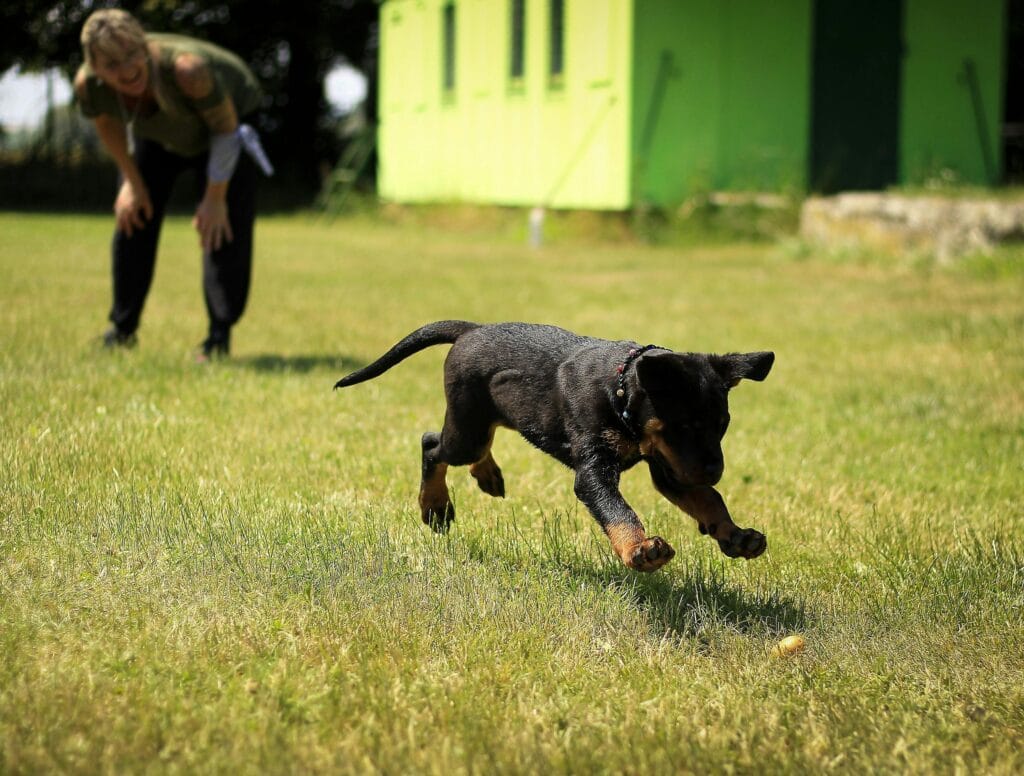
When Do Puppies Calm Down?
Understanding when puppies calm down requires looking at how dogs develop during their early life stages.
Most puppies begin to settle down gradually as they mature. However, the exact timing can vary depending on several factors, including breed, environment, and training.
Generally speaking:
- puppies are extremely energetic between 2–6 months
- energy peaks during 6–12 months
- many dogs begin to calm down around 12–24 months
Large and high-energy breeds may take longer to settle, while smaller breeds sometimes mature earlier.
Even after reaching adulthood, dogs still require regular activity and mental stimulation.
Why Puppies Have So Much Energy
Puppies are naturally energetic because their bodies and brains are developing rapidly.
Several biological factors contribute to high energy levels.
Rapid Physical Growth
During the first year of life, puppies experience major growth changes.
They develop:
- stronger muscles
- improved coordination
- greater stamina
Physical play helps support these developmental processes.
Curiosity and Exploration
Puppies explore the world through play and interaction.
Everything is new to them, including:
- sounds
- objects
- people
- environments
Exploring their surroundings is a normal part of learning.
Learning Social Skills
Play with humans and other dogs helps puppies learn social boundaries.
Activities like chasing, wrestling, and tugging teach puppies how to interact appropriately.

Signs a Puppy Is Beginning to Calm Down
As puppies grow older, owners may notice subtle changes in behavior.
These signs often indicate that the dog is maturing.
Longer Attention Span
Young puppies often lose focus quickly.
As they grow, they become better able to concentrate during training sessions.
More Predictable Energy Levels
Instead of constant activity, older puppies begin developing predictable cycles of activity and rest.
This means they may play intensely for short periods but rest more frequently afterward.
Reduced Destructive Behavior
Chewing furniture or excessive jumping often decreases with age, especially when proper training is provided.
Increased Responsiveness to Commands
Maturing dogs tend to respond more consistently to commands they have learned.
Training becomes more effective as focus improves.
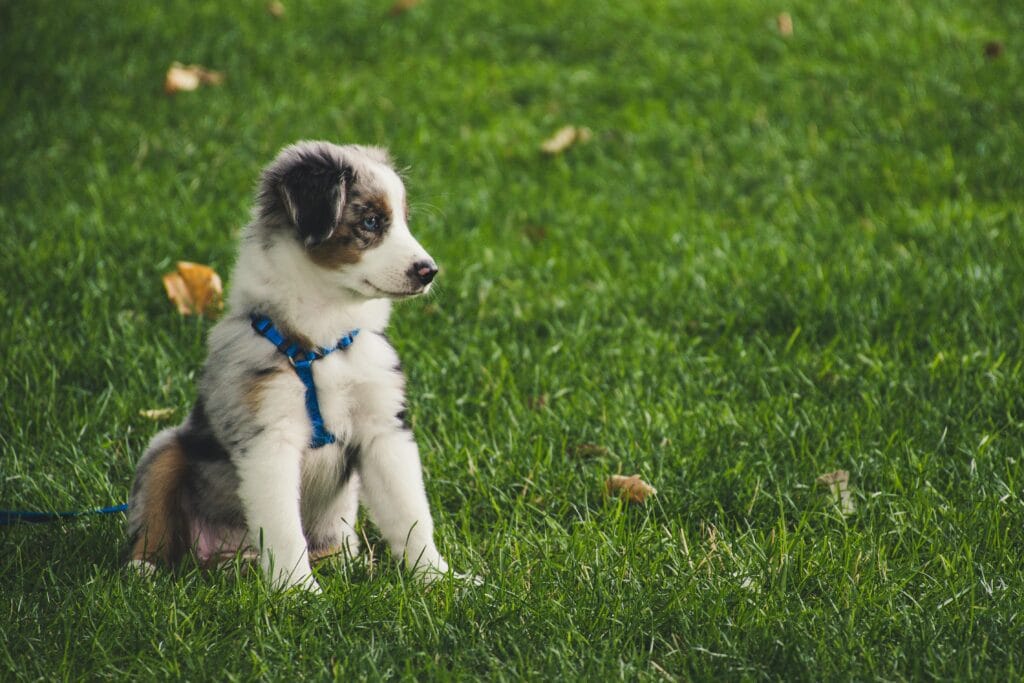
Possible Causes of Excessive Puppy Energy
While energetic behavior is normal, certain factors can cause puppies to appear especially hyperactive.
Lack of Exercise
Puppies that do not receive enough physical activity may build up excess energy.
Regular walks and playtime help release this energy.
Insufficient Mental Stimulation
Puppies need mental challenges as well as physical exercise.
Without mental engagement, they may invent their own activities, such as chewing or digging.
Inconsistent Training
Without clear boundaries, puppies may continue hyperactive behaviors because they have not learned appropriate alternatives.
Consistent training helps guide behavior.
Breed Characteristics
Some breeds are naturally more energetic than others.
Working breeds such as Border Collies or Australian Shepherds typically require more activity than smaller companion breeds.
What Dog Owners Should Do Next
Owners should focus on guiding puppies through this energetic stage rather than expecting immediate calmness.
Helpful steps include:
- establishing daily routines
- providing consistent training
- offering regular exercise
- encouraging mental stimulation
Over time, these habits help puppies develop balanced behavior patterns.
Patience is essential during this stage.
Helpful Tips for Encouraging Calm Behavior
Helping puppies develop calm habits involves both structure and positive reinforcement.
Maintain Consistent Daily Routines
Dogs thrive when daily schedules remain predictable.
Regular feeding, exercise, and sleep times help puppies feel secure.
Teach Basic Commands
Commands such as sit, stay, and down help puppies learn self-control.
Training sessions should be short, positive, and consistent.
Provide Structured Playtime
Structured play allows puppies to release energy in healthy ways.
Activities may include:
- fetch
- tug toys
- supervised social play
Encourage Rest Periods
Puppies need a great deal of sleep, sometimes 16–20 hours per day.
Encouraging rest helps prevent overstimulation.
Helpful Products for Managing Puppy Energy
This article contains affiliate links. As an Amazon Associate, we earn from qualifying purchases.
Certain products can help channel puppy energy into positive activities.
Interactive Puzzle Toys
Puzzle toys stimulate a puppy’s mind.
Benefits include:
- reducing boredom
- improving focus
- encouraging problem-solving
Durable Chew Toys
Chew toys help satisfy natural chewing instincts.
Benefits include:
- relieving teething discomfort
- protecting household items
- providing safe outlets for chewing
Puppy Training Treats
Training treats support positive reinforcement training.
Benefits include:
- motivating learning
- encouraging good behavior
- strengthening the bond between owner and puppy
Comfortable Dog Bed
A cozy resting space helps puppies relax after activity.
Benefits include:
- encouraging rest
- providing security
- supporting healthy sleep patterns

Conclusion
Understanding when puppies calm down helps dog owners navigate the energetic early stages of puppyhood with patience and confidence. Most puppies gradually settle between one and two years of age as they mature physically and mentally.
During the first year, puppies are naturally curious, playful, and energetic. These behaviors are important for learning and development.
By providing consistent routines, proper training, regular exercise, and mental stimulation, owners can guide their puppies toward calmer and more balanced behavior.
With time, patience, and supportive care, energetic puppies grow into well-behaved adult dogs.
FAQ
At what age do puppies start calming down?
Many puppies begin calming down between 12 and 24 months, depending on breed and temperament.
Why are puppies so hyper?
Puppies are naturally energetic because they are learning about their environment and developing physically.
Do some dog breeds calm down faster than others?
Yes. Smaller breeds and calmer breeds may mature earlier than high-energy working breeds.
How can I help my puppy burn off energy?
Regular exercise, structured play, and mental stimulation can help manage puppy energy levels.
Is it normal for puppies to sleep a lot?
Yes. Puppies often sleep between 16 and 20 hours per day to support healthy growth.
You may also like: