Human Foods That Are Safe for Dogs and Which to Avoid
Many dog owners enjoy sharing small bites of food with their pets. However, not all human foods are safe for dogs. Some everyday ingredients that are harmless to people can be dangerous—or even toxic—to dogs. Understanding human foods that are safe for dogs and which to avoid helps protect your dog’s health and prevent accidental poisoning.
Dogs have different digestive systems and metabolisms than humans. Certain foods may cause mild stomach upset, while others can lead to serious health problems. Knowing which foods are safe allows owners to make better choices when offering occasional treats.
This guide will explain:
- which human foods dogs can safely eat
- which foods should never be given to dogs
- common symptoms of food-related illness in dogs
- why certain foods are harmful
- practical tips for safe feeding
Learning these basics can help ensure your dog enjoys treats safely while maintaining proper nutrition.
Disclosure: As Amazon Associates, we earn from qualifying purchases at no extra cost to you.

Human Foods That Are Safe for Dogs and Which to Avoid
Understanding human foods that are safe for dogs and which to avoid starts with recognizing that dogs process foods differently from humans.
Some foods contain compounds that dogs cannot properly digest. Others affect organs such as the liver, kidneys, or nervous system.
Fortunately, many simple foods can be safely shared with dogs in moderation.
However, treats should always remain a small portion of a dog’s overall diet.
Human Foods That Are Generally Safe for Dogs
Some human foods can be healthy occasional treats when served in small amounts.
Cooked Lean Meat
Plain cooked meats such as chicken or turkey can be safe for dogs.
Important guidelines include:
- remove bones
- avoid seasoning
- serve small portions
Lean meats provide protein and essential amino acids.
Carrots
Carrots are a healthy snack for dogs.
Benefits include:
- low calories
- high fiber
- vitamins for eye health
Carrots can be served raw or cooked.
Apples (Without Seeds)
Apples can provide vitamins and fiber.
However, seeds should always be removed because they contain small amounts of cyanide.
Serve apples in small slices.
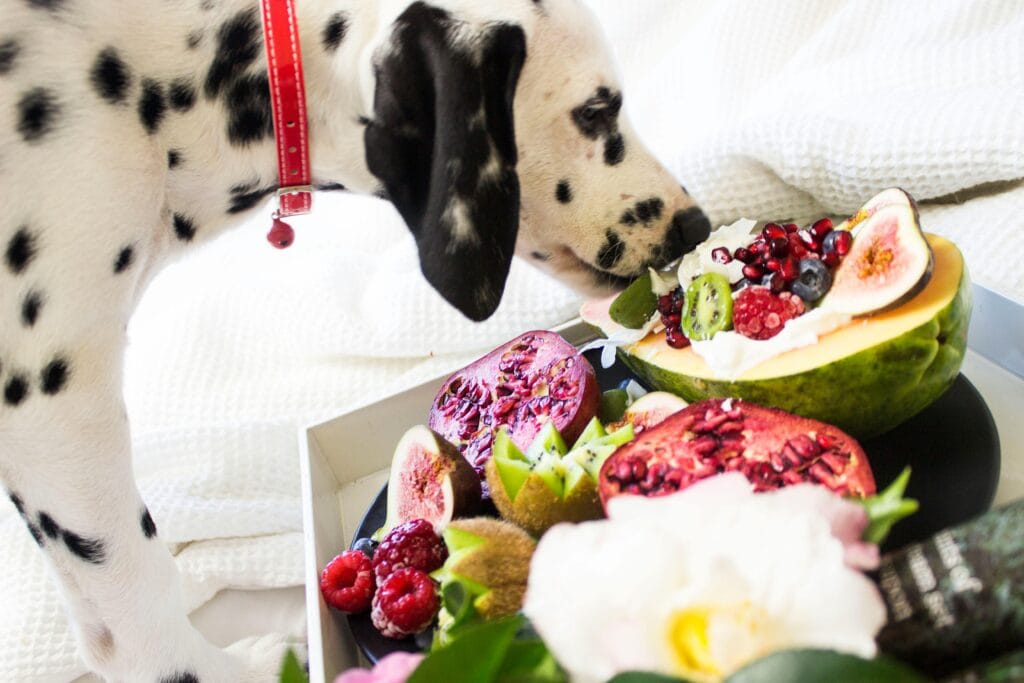
Blueberries
Blueberries are rich in antioxidants.
They can support:
- immune health
- brain function
- cellular protection
Small portions are generally safe for dogs.
Plain Cooked Rice
Rice is often used in veterinary diets for dogs with sensitive stomachs.
It is easy to digest and can help during mild digestive upset.
Pumpkin
Plain pumpkin (not sweetened pie filling) can support digestion.
Pumpkin provides:
- fiber
- vitamins
- digestive support
It is sometimes recommended for mild digestive issues.
Human Foods Dogs Should Avoid
Certain foods are dangerous for dogs and should never be shared.
Chocolate
Chocolate contains the compound theobromine, which dogs cannot process efficiently.
Even small amounts can cause symptoms such as:
- vomiting
- restlessness
- rapid heart rate
Dark chocolate is particularly dangerous.
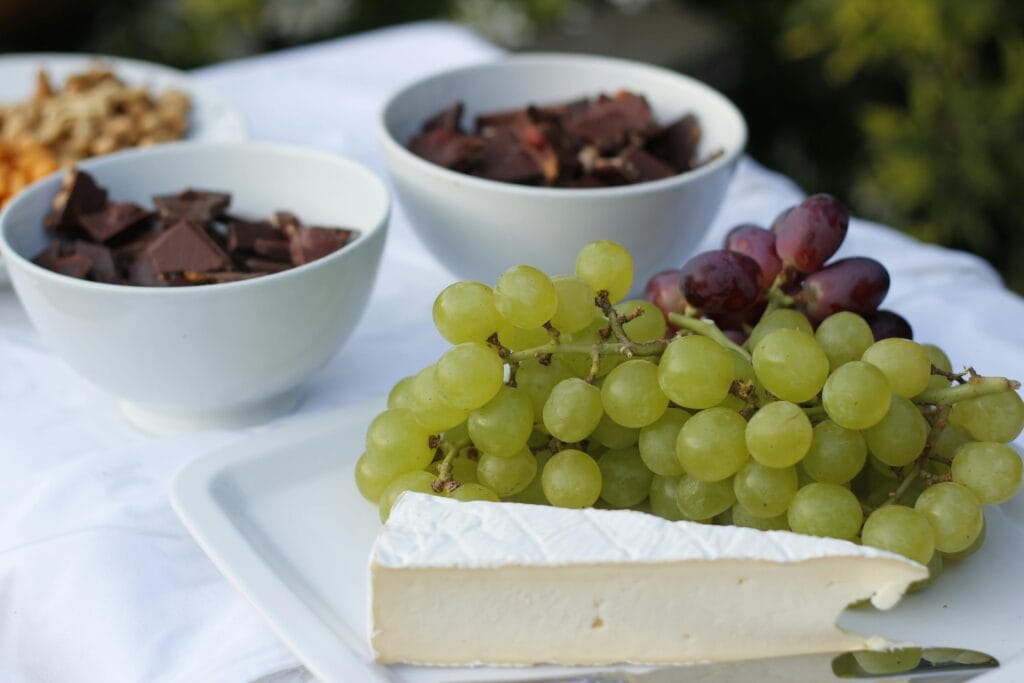
Grapes and Raisins
Grapes and raisins can cause kidney failure in dogs.
Even small amounts may lead to severe illness.
The exact cause of toxicity is not fully understood, but these foods should always be avoided.
Onions and Garlic
Onions and garlic contain compounds that damage red blood cells in dogs.
Repeated exposure may lead to anemia.
These ingredients are often found in seasoned foods.
Xylitol (Artificial Sweetener)
Xylitol is extremely toxic to dogs.
It is commonly found in:
- sugar-free gum
- candy
- peanut butter products
- baked goods
Even small amounts can cause severe drops in blood sugar and liver failure.
Alcohol
Alcohol affects dogs much more quickly than humans.
Even small quantities can cause:
- vomiting
- disorientation
- breathing problems
Alcohol should never be given to dogs.
Signs a Dog May Have Eaten Unsafe Food
If a dog consumes harmful food, symptoms may appear quickly.
Common warning signs include:
- vomiting
- diarrhea
- lethargy
- tremors
- difficulty breathing
- loss of coordination
If these symptoms occur after food exposure, veterinary care should be sought immediately.
Quick treatment can significantly improve outcomes.
Possible Causes of Food-Related Problems
Food-related issues often occur due to accidental exposure.
Common situations include:
- dogs accessing trash
- dropped food on the floor
- children sharing food unknowingly
- owners unaware of toxic ingredients
Education and supervision help reduce these risks.
What Dog Owners Should Do Next
If your dog eats something potentially toxic, contact a veterinarian immediately.
When possible, provide:
- the name of the food
- the estimated amount consumed
- the time of exposure
Veterinarians may recommend observation or emergency care depending on the situation.
Prompt action can prevent serious complications.
Helpful Tips for Safe Feeding
Sharing food with dogs can be safe when done responsibly.
Stick to Simple Foods
Plain fruits and vegetables are often safer than heavily processed foods.
Avoid Seasonings
Many seasonings contain ingredients that are unhealthy for dogs.
Plain foods are always safer.
Keep Toxic Foods Out of Reach
Store chocolate, grapes, and sweeteners securely.
Dogs may accidentally access these foods if left unattended.
Use Dog-Safe Treats
Commercial treats designed for dogs are formulated to meet their nutritional needs.
Using dog treats helps prevent accidental exposure to harmful foods.
Helpful Products for Safe Dog Feeding
This article contains affiliate links. As an Amazon Associate, we earn from qualifying purchases.
Certain products can help owners safely manage their dog’s diet.
Airtight Dog Food Storage Container
Proper food storage keeps treats and food fresh.
Benefits include:
- protecting food quality
- preventing contamination
- keeping dogs out of stored food
Dog Treat Training Pouch
Training pouches help store safe treats during walks or training.
Benefits include:
- convenient treat access
- portion control
- encouraging positive training
Slow Feeder Dog Bowl
Slow feeder bowls help prevent overeating.
Benefits include:
- improving digestion
- reducing choking risk
- encouraging healthier eating habits
Dog Puzzle Feeder
Puzzle feeders provide mental stimulation during meals.
Benefits include:
- slowing eating speed
- reducing boredom
- encouraging problem-solving
Conclusion
Understanding human foods that are safe for dogs and which to avoid helps protect your pet from accidental illness. While some fruits, vegetables, and plain foods can be safe in moderation, others—such as chocolate, grapes, onions, and xylitol—can pose serious health risks.
Providing a balanced dog diet should always be the priority. Human foods should only be offered occasionally and with careful consideration.
By learning which foods are safe and maintaining proper supervision, dog owners can ensure their pets enjoy treats safely while avoiding potentially harmful ingredients.
FAQ
Can dogs eat human food?
Some human foods are safe for dogs in moderation, but many foods can be harmful or toxic.
What human foods are safest for dogs?
Plain cooked meats, carrots, blueberries, pumpkin, and apples (without seeds) are generally safe.
What foods should never be given to dogs?
Chocolate, grapes, raisins, onions, garlic, and foods containing xylitol are toxic to dogs.
What should I do if my dog eats chocolate?
Contact a veterinarian immediately, as chocolate can cause serious health problems.
How much human food can dogs safely eat?
Human food should only make up a small portion of a dog’s diet, with most nutrition coming from balanced dog food.
You may also like: